 Free shipping on orders over £29.85
 Shipping Tracking!



 Google
 Facebook
Polishing clear epoxy resin
Quick answer
Polishing clear epoxy resin involves a careful process of sanding, buffing, and applying specialised polishes to achieve a smooth, high-gloss surface. The right combination of tools and products restores clarity and brilliance to resin projects, removes minor scratches, and elevates both decorative and functional applications. Professional polishing systems and suitable abrasives are essential for durable, swirl-free finishes on resin artwork, countertops, jewellery, and more.


Restore shine and clarity to your epoxy resin projects with expert products
Clear epoxy resin projects can lose their initial shine due to handling, scratches, or everyday wear. For artists and DIY enthusiasts looking to renew their resin’s clarity and brilliance, selecting the right polishing products and tools is essential. This guide highlights the top solutions to restore, refine, and maintain a professional-grade finish on epoxy resin creations—whether they are tabletops, jewellery, or decorative pieces.

Overview: Choosing Products for Epoxy Resin Polishing
Polishing epoxy resin effectively demands a combination of the right abrasives, dedicated polishing compounds, and, where needed, power tools for buffing. Key differences between products include their suitability for light versus dark resin, the type of scratches or imperfections they address, and whether they’re designed for manual or powered use. Consider resin clarity, desired gloss level, and the complexity of your project to select the most appropriate tools and polish. Purpose-made products help you avoid common pitfalls like swirls, hazing, or residue, producing long-lasting, mirror-smooth results.

Essential Tools and Surfaces for Resin Polishing
High-quality abrasives, purpose-made polishes, and motorised polishers work together to create a professional gloss on clear epoxy resin. Start with suitable sanding pads for surface refinement, then move to specialist polish for clarity and shine. Choosing products designed for resin minimises the risk of damage or unsightly marks.
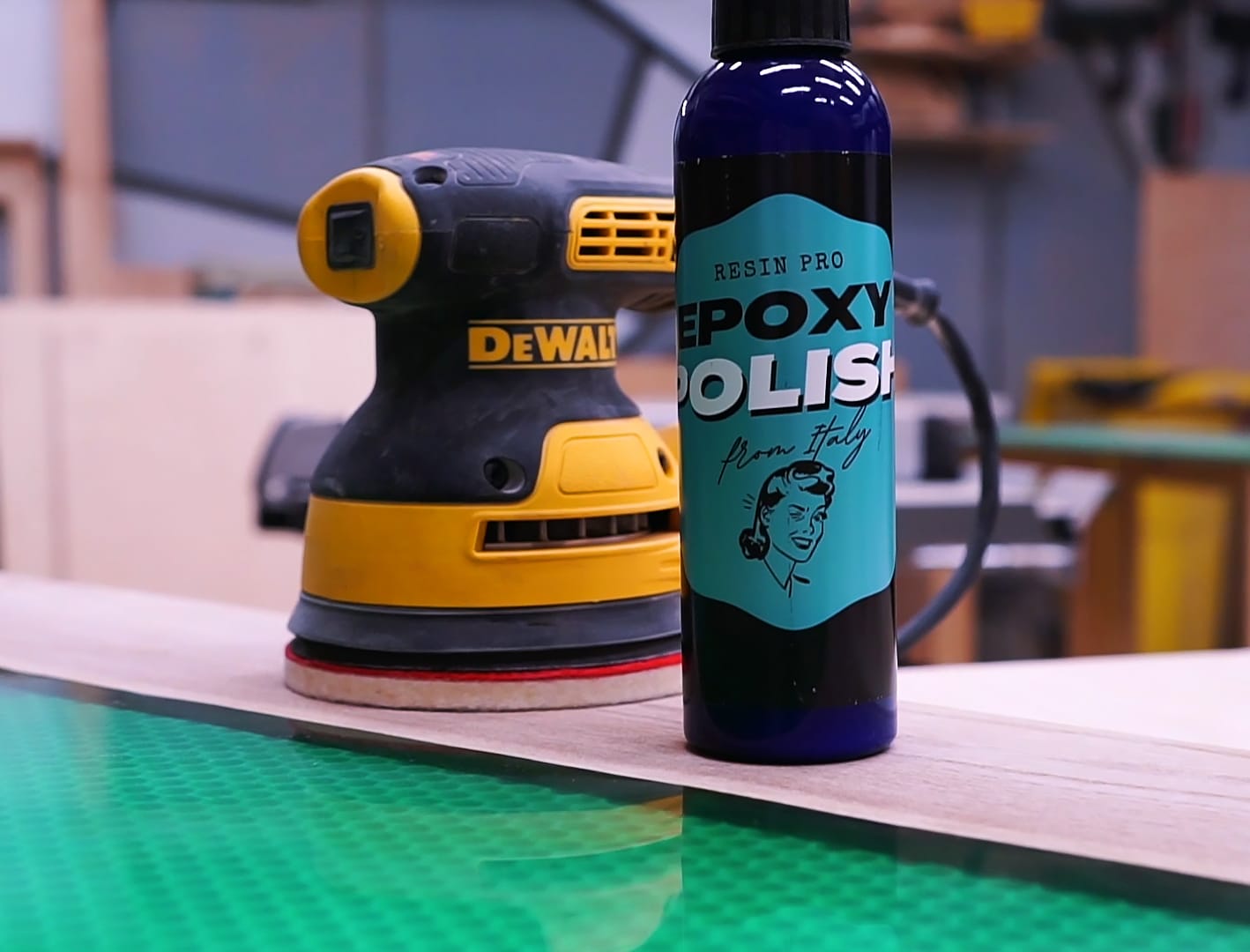
“Epoxy Polish” – Epoxy Resin Polishing System
The “Epoxy Polish” – Epoxy Resin Polishing System is tailored for clear and transparent resin surfaces. Its advanced formula removes fine scratches and dullness, restoring a vibrant, glossy sheen while preventing swirl marks thanks to anti-hologram technology. Suitable for both manual application and use with rotary polishers or hand pad holders, it is ideal for resin artists seeking a high-gloss, mirror-like finish on any scale of project. Effortless Scratch Removal and Easy to Use, this polish is vegan friendly and manufactured in Italy.
For extra versatility, this system is also compatible with carbon fibre and plastics in mixed media projects. Comprehensive instructions make it suitable for both professionals and hobbyists.
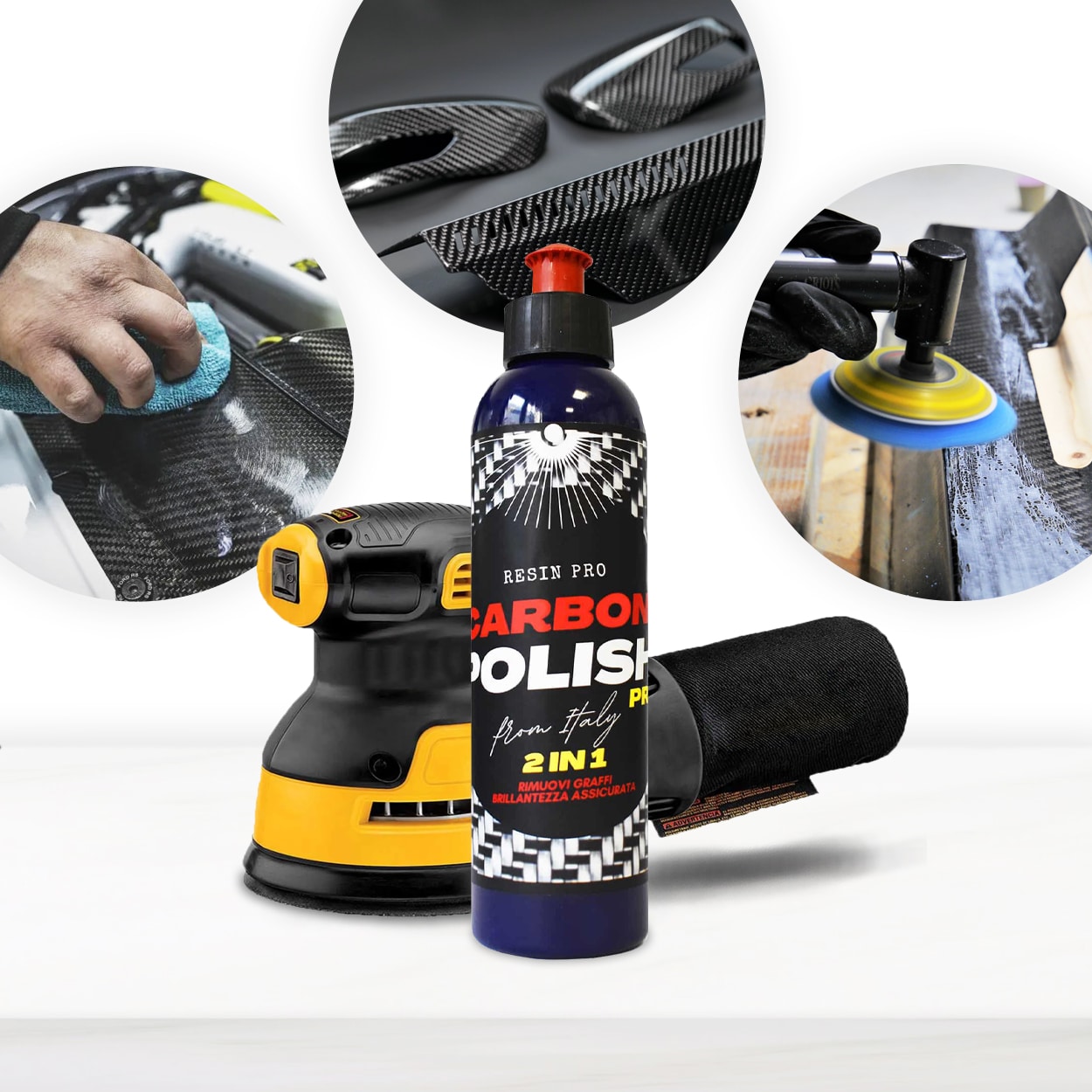
“Carbon Polish” – Polishing System for Dark and Black Surfaces, 250ml
For resin work featuring black, dark, or carbon-infused surfaces, the “Carbon Polish” – Polishing System for Dark and Black Surfaces, 250ml is the ideal solution. This premium polish achieves a striking gloss without producing visible white residues, a common issue with standard abrasive products. Its odourless, silicone-free formula ensures protection for plastics and is gentle on sensitive finishes. Users can apply it by hand or with electric polishers, achieving uniform results on detailed resin pieces or larger installations. Eco-Friendly attributes make it suitable for conscientious creators.
Choose this polish when working with any dark or black-toned resin art that requires a flawless, non-whitening polish.
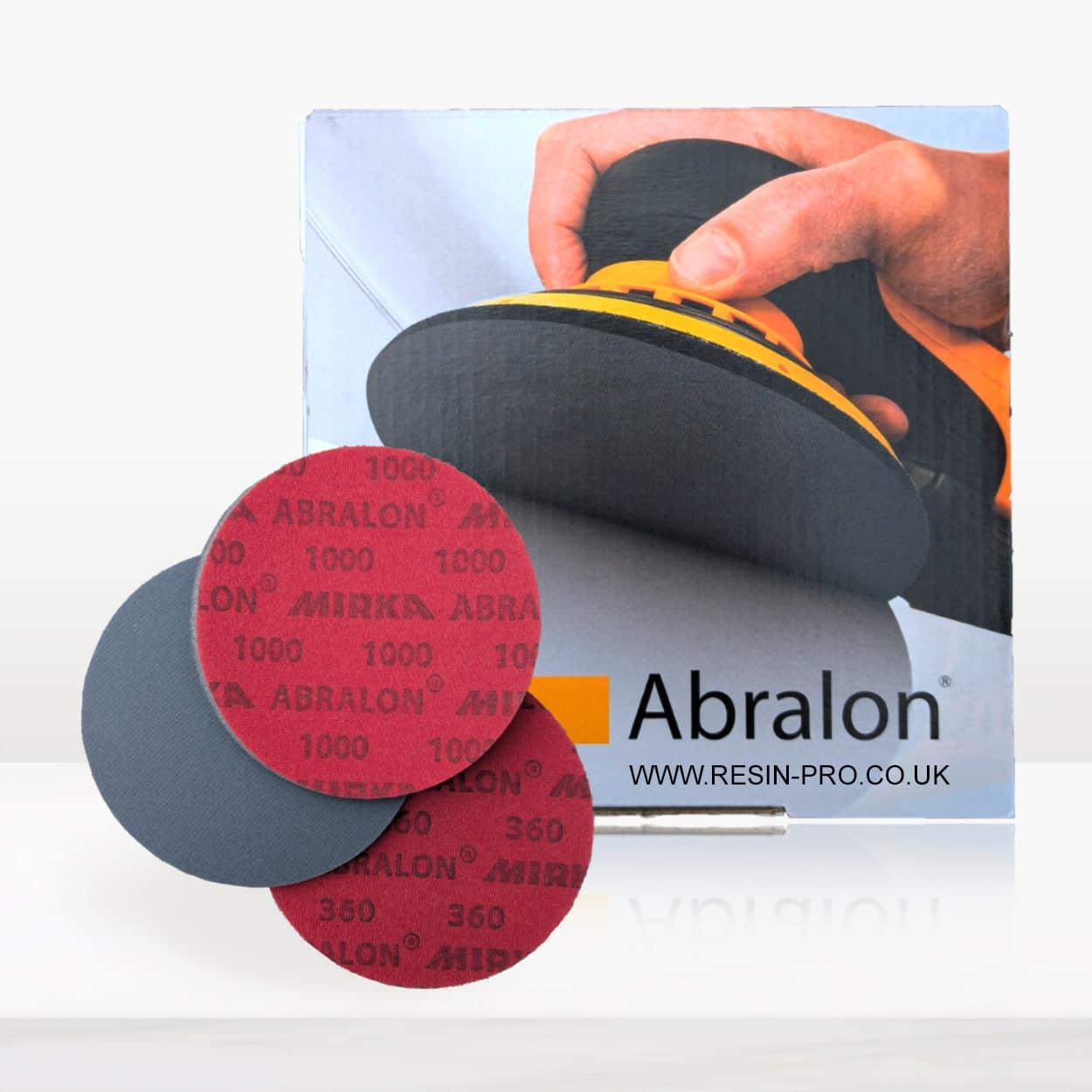
“Ebonite Abralon” – Sanding Pads 360-4000 Grit for Resin and Wood
The “Ebonite Abralon” – Sanding Pads 360-4000 Grit for Resin and Wood provide the essential first step for preparing epoxy resin for polishing. With grits ranging from 360 to 4000, these foam-backed pads deliver precise sanding during wet or dry use, ensuring consistent pressure and even surface preparation. They effectively remove deeper marks before finer finishing, making them invaluable in both resin and mixed media woodworking projects. Switching between grits allows for controlled surface refinement, preventing over-sanding and ensuring optimal shine during the subsequent polishing phase.
Pair these pads with manual or powered application for best results on both small and large resin artworks.

1200W Polisher for Sanding and Buffing – Variable Speed, D-Handle
The 1200W Polisher for Sanding and Buffing – Variable Speed, D-Handle provides the muscle and precision needed for efficient, high-quality finishing of epoxy resin surfaces. Its Variable Speed Control allows you to adjust to the task—ranging from aggressive sanding to gentle buffing—while the sturdy D-handle ensures controlled manoeuvrability. Quick-change mechanisms simplify pad swaps, making this tool suitable for both continuous workshop use and detailed craftwork. For projects where a consistent gloss and finer scratch removal are critical, a professional-grade polisher enhances polish compound performance and speeds up finishing considerably.
Expert Tips for Polishing Clear Epoxy Resin
Always start polishing with the correct grit—begin with coarser pads only if visible imperfections are present, then progress methodically to finer abrasives. Keep resin surfaces clean and free from dust between sanding and polishing stages to prevent embedded scratches. When using polishers, apply minimal pressure and work in small sections to achieve the best results. For dark resin creations, always use a dedicated non-whitening polish. Consistent, careful technique, combined with the right products from the Sanding and Polishing range, helps avoid common issues like holograms or residue, ensuring a mirror-bright resin finish every time.
Polishing Results: Before and After
Expertly polished clear epoxy resin transforms dull or scratched surfaces into brilliant, visually stunning pieces. You’ll notice a marked difference from the initial frosted appearance after sanding to the uniform, mirror-like clarity achieved using proper polishing systems and pads—enhancing both the quality and appeal of your resin work.

- "Epoxy Polish" – Epoxy Resin Polishing SystemPrice range: £18.95 through £47.45Epoxy Polish is a resin polishing system designed to rejuvenate surfaces with a glossy finish suitable for resin projects.
- "Carbon Polish" – Polishing System for Dark and Black Surfaces, 250mlPrice range: £18.95 through £47.45Carbon Polish Black is designed for polishing dark and black surfaces, offering a non-whitening finish suitable for epoxy resin projects.
- "Ebonite Abralon" – Sanding Pads 360-4000 Grit for Resin and Wood£4.15Ebonite Abralon Sanding Pads provide precise sanding with grits from 360 to 4000, suitable for polishing resin and wood surfaces.
- 1200W Polisher for Sanding and Buffing – Variable Speed, D-Handle£90.451200W Polisher offers variable speed and a sturdy D-handle for controlled sanding and polishing of epoxy resin surfaces.
Frequently Asked Questions
Do I need power tools for polishing resin?
Power tools enhance polishing speed and consistency but aren’t strictly required. Hand polishing is possible on small or intricate items using dedicated pads and polishing compounds.
What’s the difference between polishes for clear and dark epoxy resin?
Polishes for dark or black surfaces are formulated to avoid white residues, whereas standard resin polishes are suitable for clear or light surfaces.
What are the basic steps to polish clear epoxy resin?
Sand away imperfections with progressively finer pads, clean thoroughly, then buff using a dedicated resin polish for a flawless finish.
Is manual or powered polishing better for epoxy resin?
Powered polishers yield faster, more uniform results on larger pieces. Manual polishing is effective and safer for delicate or small-scale work.
Can deep scratches be removed with these epoxy resin polishing products?
Deep scratches may require starting with a coarse grit sanding pad before progressing to polishing compounds for best results.
Can I use car polishing products on clear epoxy resin?
Car polishes may not suit resin surfaces and can leave residue or haze. Specialist resin polishes are recommended for a flawless result.