 Free shipping on orders over £29,85
 Shipping Tracking!



 Google
 Facebook
Polyester vs Epoxy Resin for RV Repairs
Quick answer
Polyester resin in an RV repair kit is a fast-curing system used for rigid composite and fibreglass repairs, where it creates a durable, waterproof bond with fibreglass mat. Epoxy resin tends to be selected for flexible or specialised applications because it can offer different working and cure characteristics. Polyester is typically the practical choice when the repair area is stiff, supported, and needs a quick turnaround.

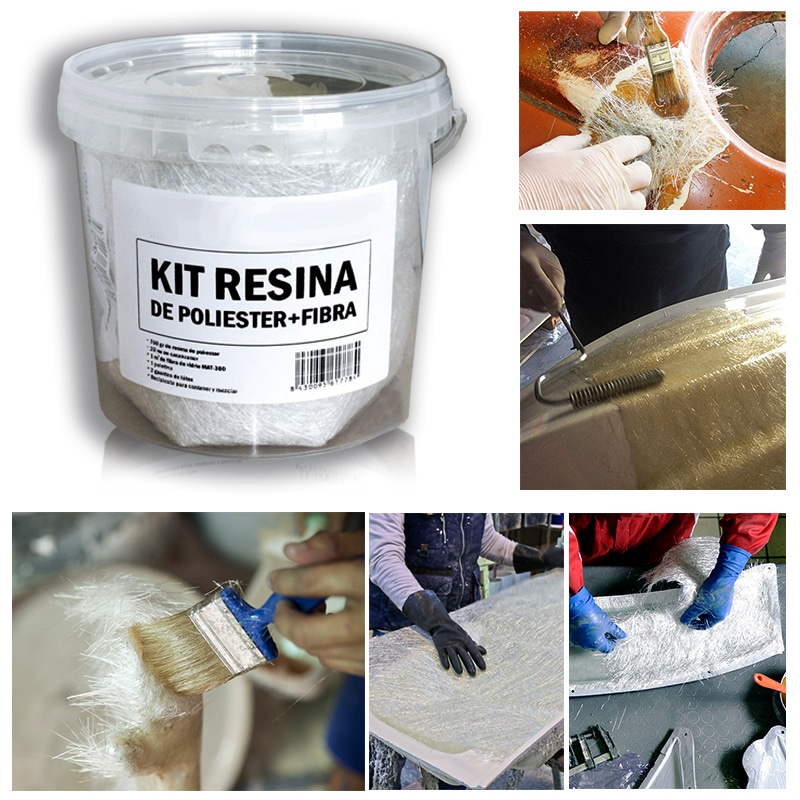
If you are looking at a 5 kg RV kit, the polyester route tends to suit quick structural fixes on rigid panels, while epoxy can be the better conversation for flexible or unusual substrates. The sections below cover how that choice plays out in day-to-day motorhome and caravan work.
Cure speed and working time
Orthophthalic polyester resin, the type commonly found in fibreglass repair kits, is formulated to cure quickly. That helps when you need a strong, rigid patch without leaving the vehicle off the road for long. Epoxy systems often allow more open time and different handling, but they are not automatically better for every RV repair.
- Polyester: quicker turnaround on rigid panels and small structural patches.
- Epoxy: may be more appropriate for flexible or specialised bonding.
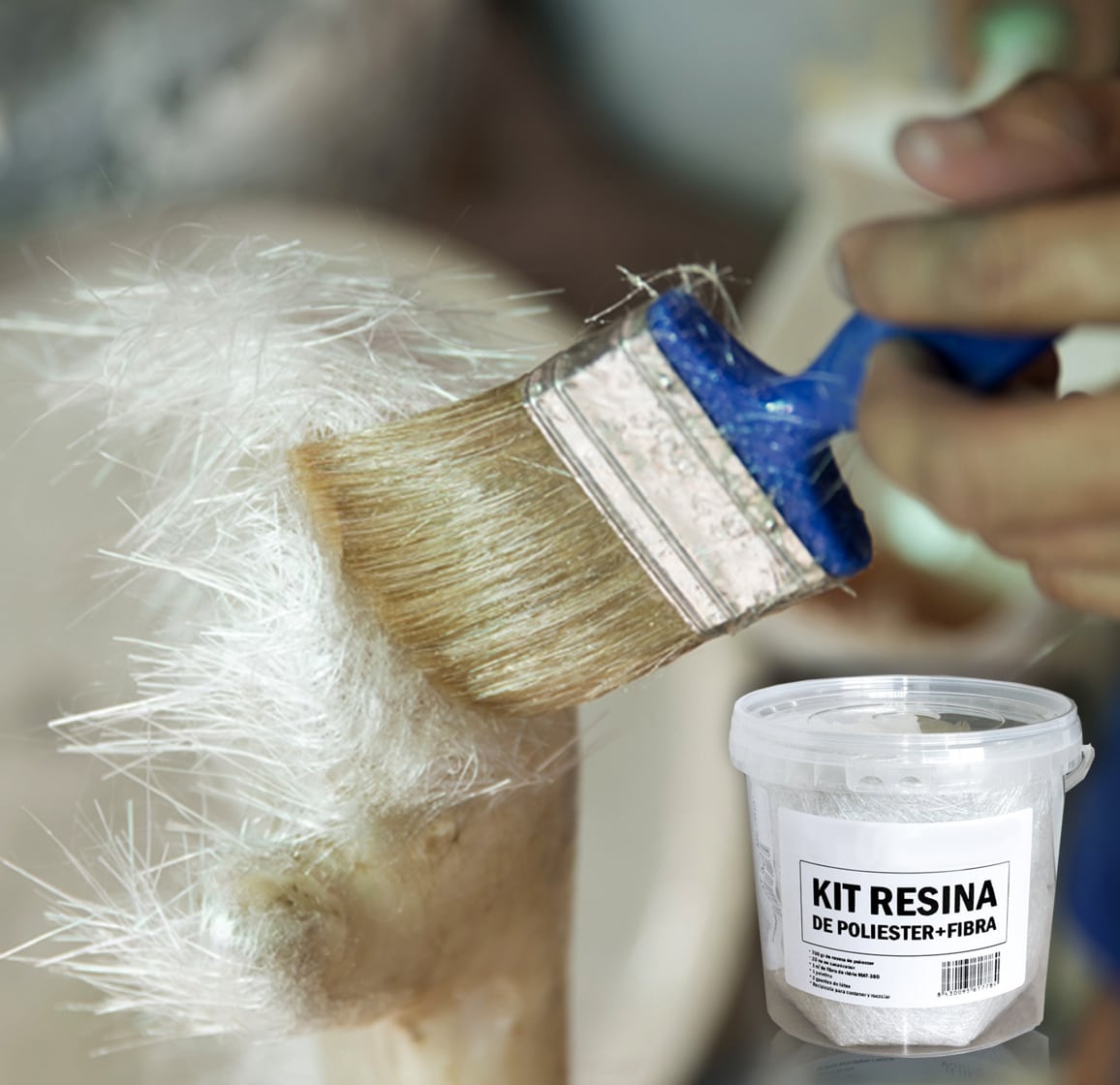
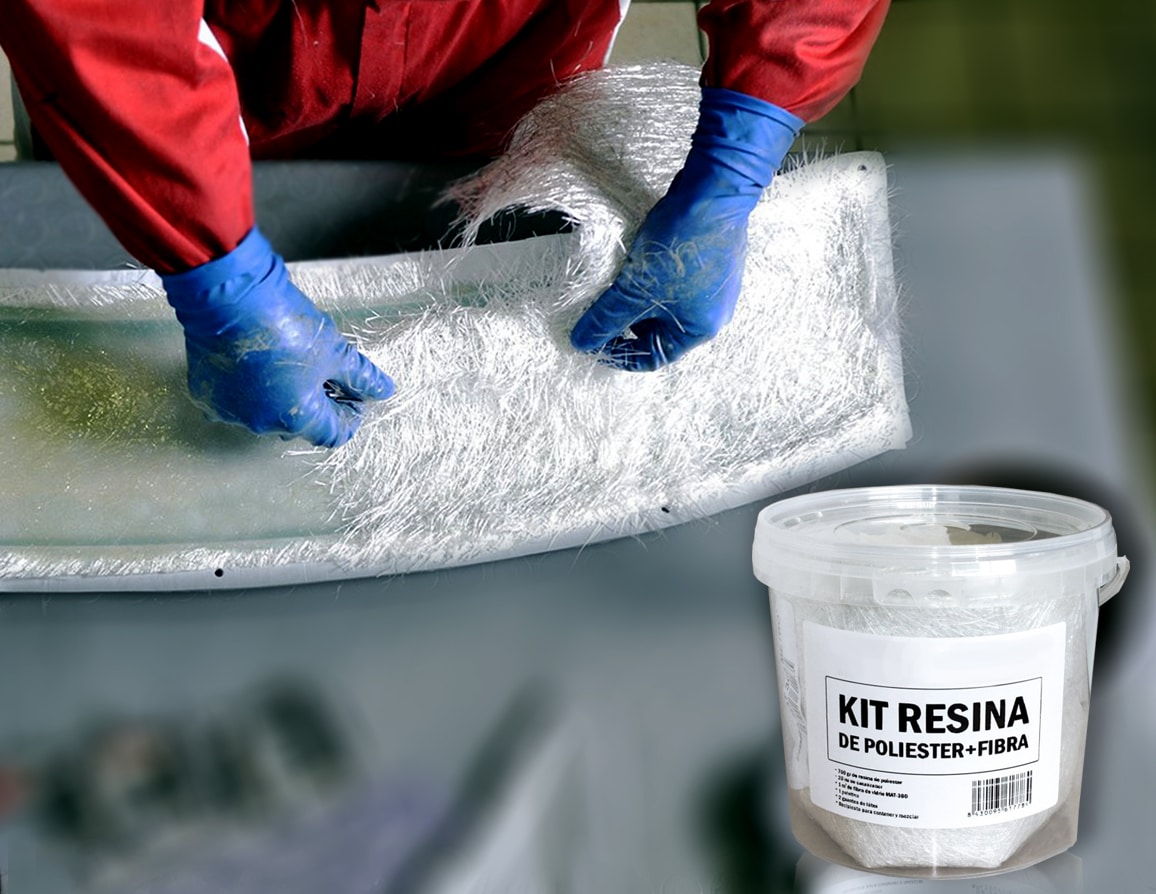
Where each resin fits in RV work
A polyester kit bonds well with fibreglass mat and is useful for solid composite areas such as body panels, storage boxes, and moulded surrounds. A kit like the Resin Fibreglass Repair Kit – Complete Polyester Resin and Hardener Set is designed around this type of rigid repair. Epoxy can be the safer choice when the surface flexes or when the repair needs to cope with movement or unusual material combinations.
When this matters
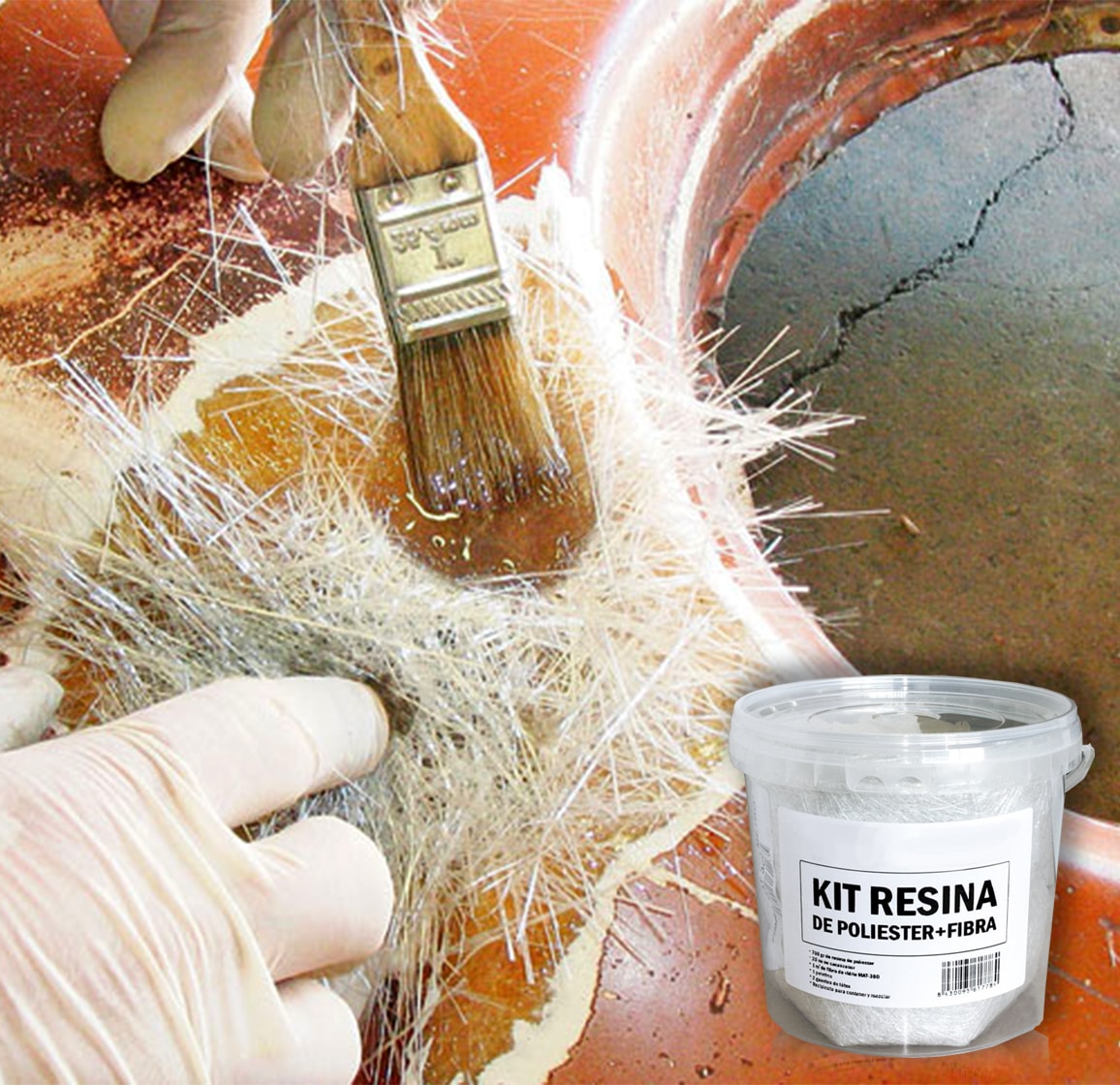
If you only have a short weather window or need to get a vehicle back into use quickly, the quicker cure of a polyester resin becomes a practical advantage. If the area is stiff and supported, the rigid nature of polyester is a benefit rather than a compromise. Think carefully before using it on very soft or highly flexible substrates, where an epoxy or specialist adhesive may be more suitable.
Related products
Related guides
For a broader 5 kg RV kit setup, understanding this polyester-versus-epoxy split helps you keep the right repair materials on hand without carrying unnecessary weight. The polyester route gives many owners a dependable, quick-curing option for common fibreglass and rigid surface repairs.