 Free shipping on orders over £29,85
 Shipping Tracking!



 Google
 Facebook
Primer for overlay flooring
Quick answer
A primer for overlay flooring is essential for preparing surfaces like concrete, tiles, screed, or timber ahead of resin or decorative coatings. The primer layer boosts adhesion and durability, helps protect the substrate, and ensures a consistent finish for overlay floor installations. Choosing the right system depends on floor type, traffic conditions, and exposure requirements.


Compare resin, PU, and methacrylic primers for stable floors
Choosing the appropriate primer is critical for the long-term success of any overlay flooring system, from residential resin garage floors to high-traffic commercial spaces and decorative pebble installations. Selecting the best product ensures optimum adhesion, protection, and surface compatibility—saving time, avoiding common failures, and enhancing your project’s finish.
Overlay Flooring Primer Comparison: Key Differences
Overlay flooring projects demand specific performance characteristics in a primer. Whether you’re working with concrete, ceramic, screed, timber or preparing for decorative aggregate systems, the right product will enhance bonding, protect against moisture, and offer durability for indoor or outdoor use. The primary distinctions between available options centre on resin type (epoxy, methacrylic, or PU), the intended surface, curing time, and resistance levels for chemicals, water, UV, or abrasion. Additionally, application techniques differ: some products are rolled or brushed, while others suit airless spray or require mixing with aggregate for permeable surfaces.
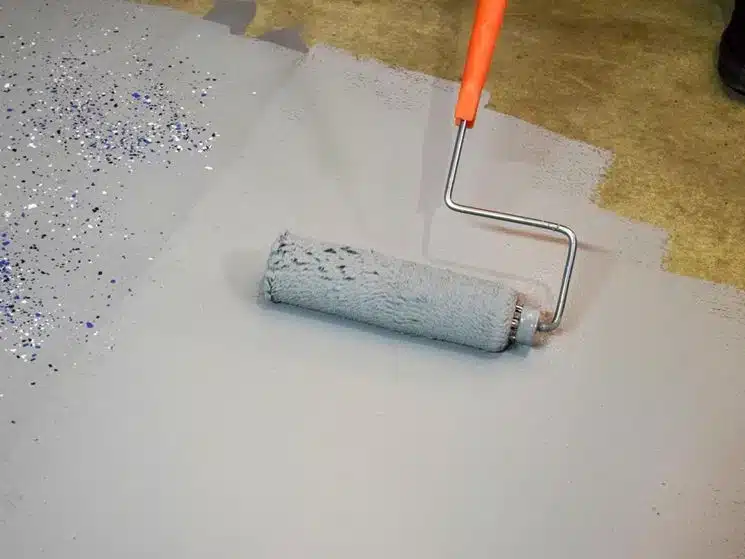
Visual Guide: Primer Applications for Overlay Flooring
See the transformation achieved by using the right primer or binder, from seamless concrete overlays to striking decorative pebble finishes. Each product featured delivers reliable results across interior and exterior flooring projects, ensuring long-lasting stability and superior surface quality.
“Epoxyprimer” – Universal Water-Based Two-Component Epoxy Floor Primer
The “Epoxyprimer” – Universal Water-Based Two-Component Epoxy Floor Primer is formulated for outstanding adhesion and reliable long-term durability in resin flooring systems. As a water-based, odourless two-component epoxy, it is ideal for professional installers, resin artists, and dedicated DIYers alike. It can be used on concrete, ceramic, screed, tiles, or timber—making it extremely versatile. Easy to apply by roller, brush, or spatula, it is suitable for almost any interior or decorative floor substrate and cures fully in 24–48 hours. Its eco-friendly composition means it is safe for indoor projects.
Superior adhesion, eco-friendly & odourless properties, and versatile compatibility across diverse floor types set this primer apart for reliable overlay flooring performance.
Explore Epoxyprimer
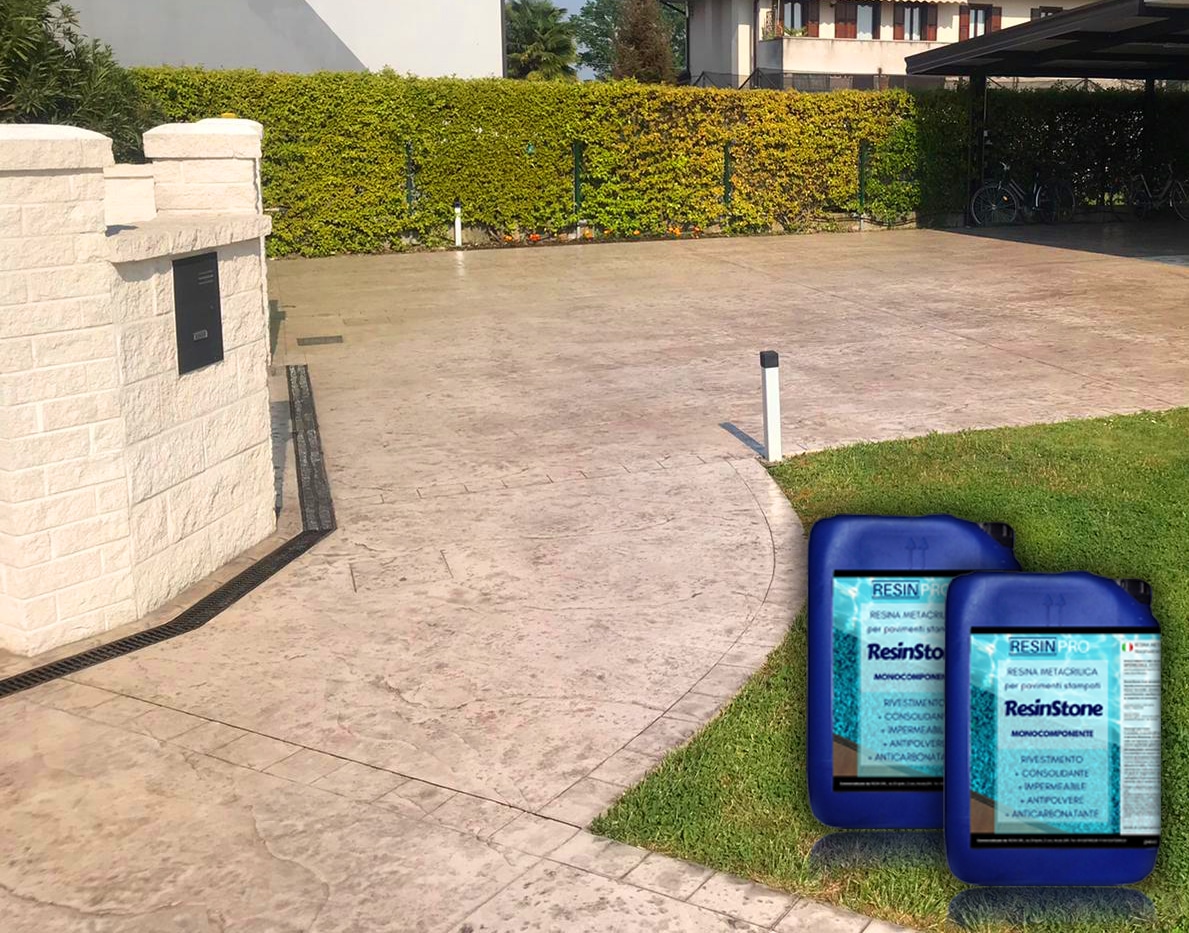
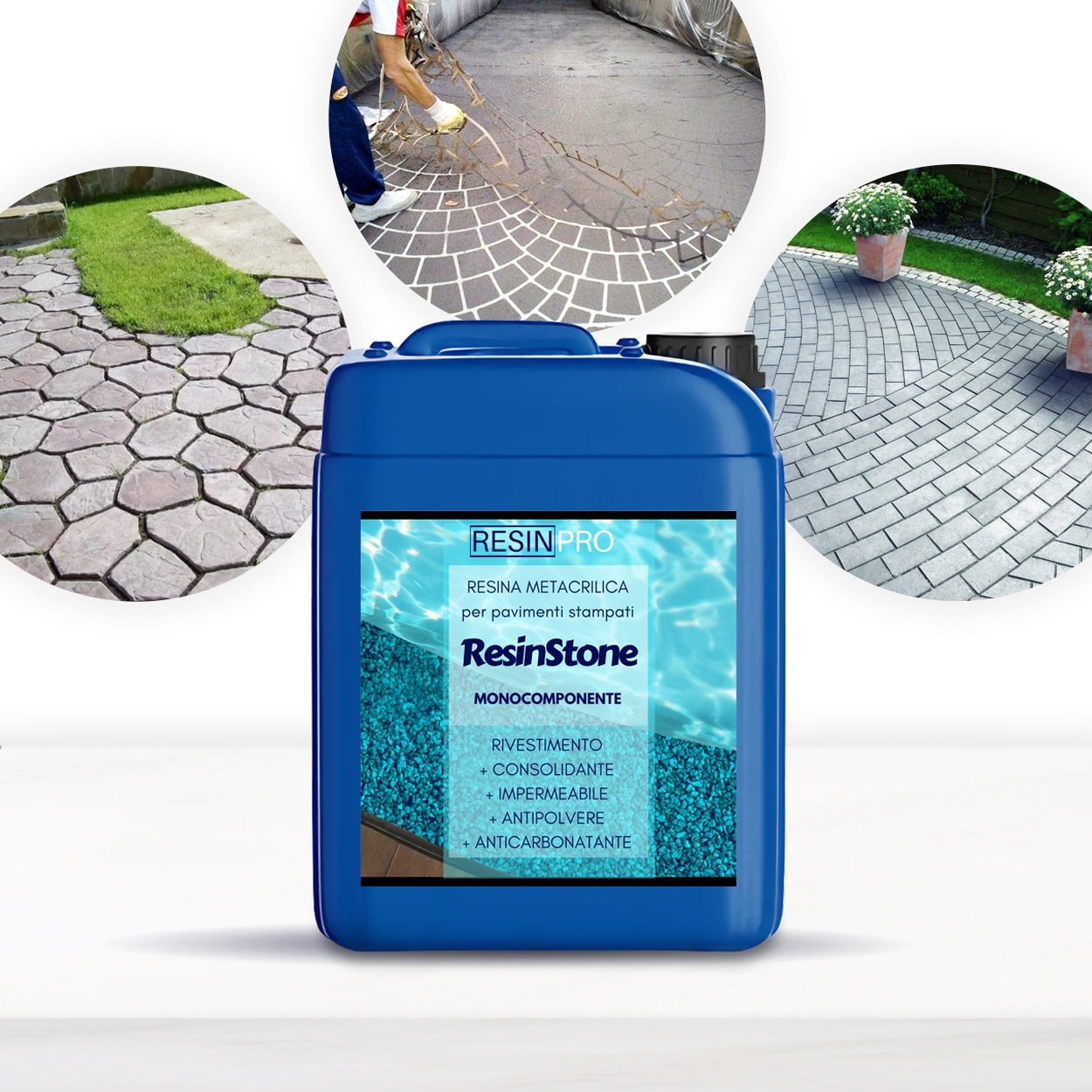
“Resinstone” – One-Component Methacrylic Resin for Concrete Floors and Driveways
“Resinstone” offers a single-component methacrylic solution specifically for protecting and priming concrete floors and driveways. Its deep-penetrating formula creates a breathable yet waterproof barrier, providing durable protection against weather, chemicals, and UV rays. Quick drying and suitable for domestic, commercial, and industrial floors, Resinstone is compatible with patios, stamped floors, and even garages.
Applied without mixing (airless spray recommended), it is an excellent option for rapid project turnaround and consistent priming of concrete bases. Quick drying, versatile use, and robust performance make Resinstone a trusted choice for exterior flooring overlays.
Discover Resinstone“Prolux” – PU coating for tiles, concrete, plastic and metal
The “Prolux” polyurethane coating serves as both a protective topcoat and a primer within multilayer overlay flooring systems. Formulated for tiles, concrete, fibreglass, plastic, and prepared metal, its advanced protection includes resistance to UV, yellowing, abrasion, and harsh weather. Ideal for damp and high-traffic areas such as parking areas, warehouses, or exterior walkways, “Prolux” is available in a range of colours and is certified to EN 1504-2.
As a two-component coating (mix ratio 2:1), it can achieve anti-slip finishes for safety and endure challenging environments. Versatile finish and proven durability in diverse overlay floor projects make it a compelling solution.
View Prolux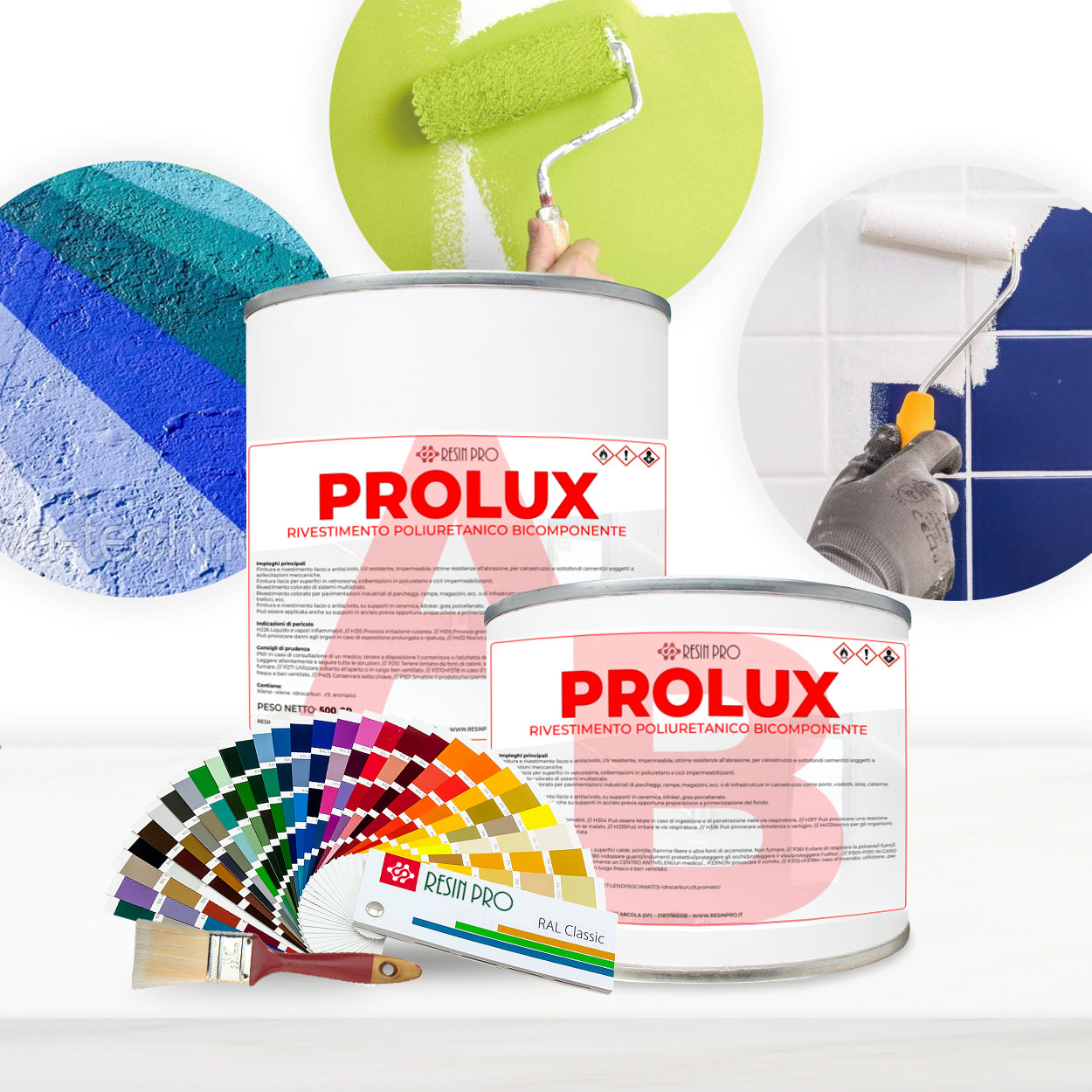
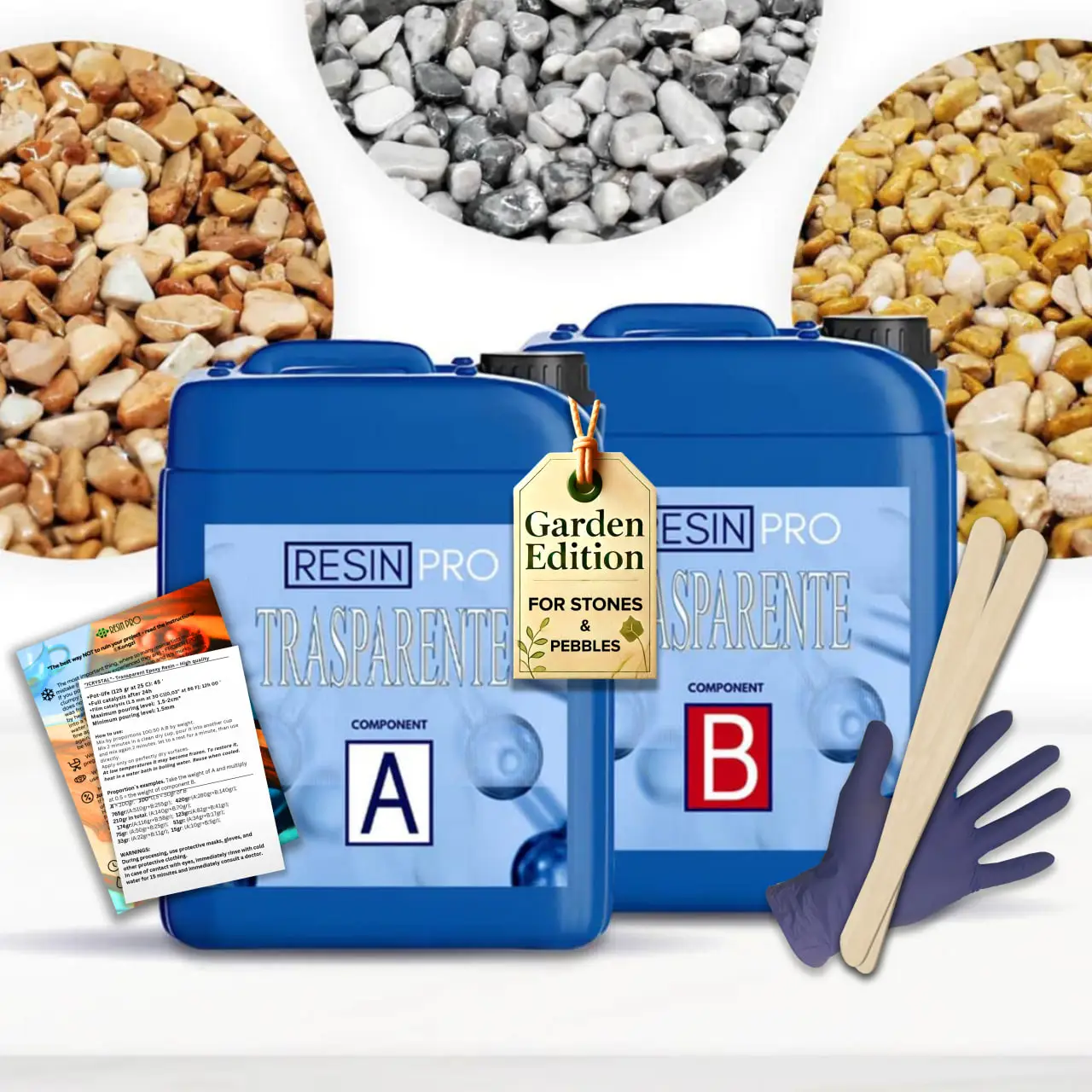
“Trasparente” – Epoxy Binder for Coloured Pebbles and Grits
For decorative overlay systems utilising coloured aggregates, the “Trasparente” – Epoxy Binder for Coloured Pebbles and Grits delivers crystal-clear epoxy resin performance. Specially designed for bold or dark pebble floors, it provides UV-resistant and non-yellowing finishes and is certified non-toxic once cured. With low viscosity for fast aggregate impregnation, “Trasparente” creates durable permeable surfaces suitable for both driveways and decorative paths.
This two-component binder cures quickly—walkable in as little as 10 hours—and ensures that aggregate-based overlay systems remain visually striking and structurally robust.
Shop TrasparenteChoosing the Right Primer for Your Overlay Flooring Project
Always match your primer to your base floor and surface requirements: epoxy primers like Epoxyprimer are excellent for improving adhesion and blocking moisture on porous materials; methacrylic options such as Resinstone are best for concrete’s unique demands; PU systems like Prolux add unmatched abrasion and UV resistance for heavy-duty or exterior zones, while transparent epoxy binders ensure a flawless look for decorative aggregate overlays. Remember, proper surface preparation, clean and stable substrates, and following application guidance are as important as product choice for a stunning, durable result.
Project Tips: Achieving a Perfect Overlay Floor
Thoroughly prepare the substrate—clean, dry, and repair surfaces before applying primer. Use the recommended application tools and follow manufacturer instructions for curing and mixing ratios to ensure durability, especially on high-traffic or outdoor surfaces. Selecting the right system tailored to your environment maximises performance and lifespan.
Frequently Asked Questions
Which surfaces can these primers be used on?
Primers on this page suit concrete, timber, ceramics, tiles, screed, metal, and aggregate surfaces, depending on the product chosen.
How long do overlay floor primers take to cure?
Epoxy primers typically cure in 24–48 hours; methacrylic resins can be ready in under 12 hours. Quick-walk formulations are sometimes ready in 10 hours.
Which primer is best for concrete or decorative aggregate?
Epoxyprimer and Resinstone are best for concrete; Trasparente is designed for binding coloured pebbles in decorative aggregate overlays.
Are any primers suitable for anti-slip or UV protection?
Prolux offers anti-slip options and strong UV resistance. Trasparente is non-yellowing for decorative and exterior surfaces.
Do I need to mix all primers before applying?
Many products are two-component and require mixing. Some, like Resinstone, are single-component for direct use.
What is the difference between epoxy and methacrylic primers?
Epoxy primers provide strong adhesion and chemical resistance; methacrylic primers cure faster and excel at sealing concrete against water.
What are the requirements for overlay floor primers?
Surfaces should be clean, stable, and dry. Follow each product's instructions for optimal adhesion and longevity.