 Free shipping on orders over £29,85
 Shipping Tracking!



 Google
 Facebook
Using Protective Sheet Film with Resin
← Back to UV protection sleeve
Quick answer
Polyethylene protective sheet film is a reusable, leak-proof surface cover for worktops and floors during epoxy resin and DIY projects. Because cured resin often releases from polyethylene, this film can sometimes assist with demoulding, but it is intended for surface protection rather than precision mould lining. It is lightweight, easy to cut to size, and useful for creating a clean catchment area around moulds and mixing stations.
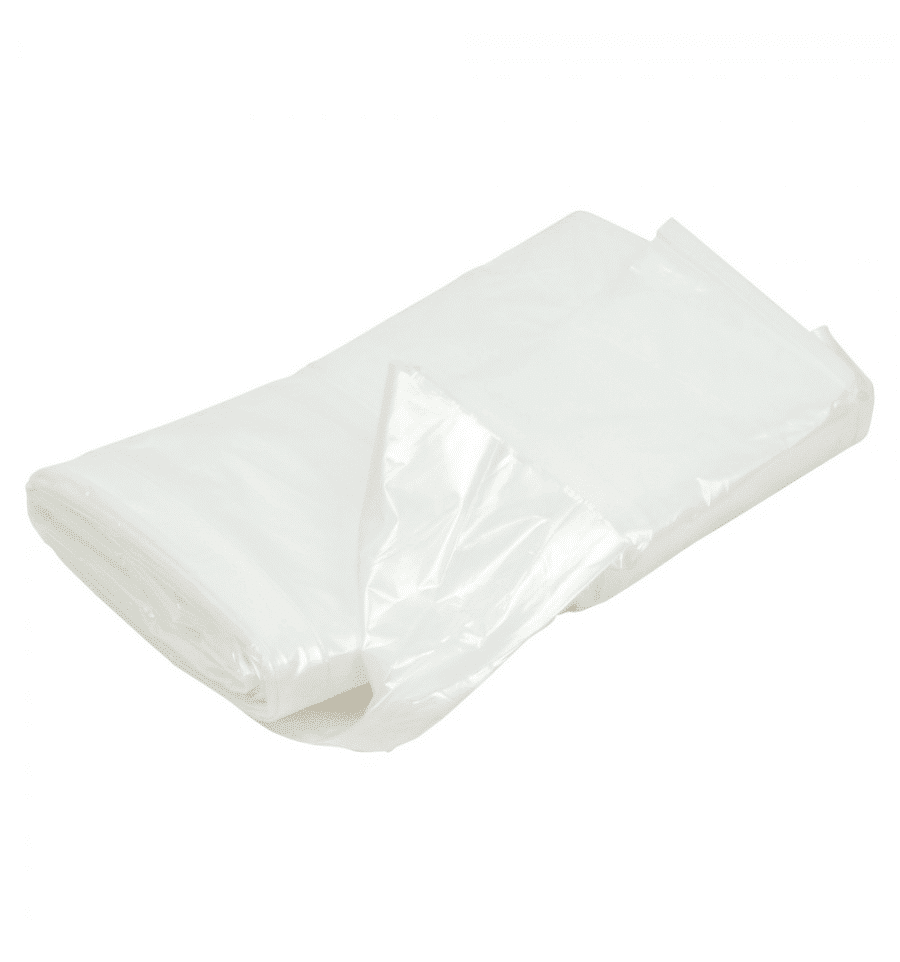

If you are setting up a workspace for resin casting, this inexpensive film is a practical first layer of protection. The release-liner question has a qualified yes, but because the film is sold as a large, loose cover rather than a fitted release system, it works best under and around moulds rather than inside them.
Can It Be Used as a Release Liner?
In practice, cured epoxy often releases cleanly from polyethylene, so a protective sheet can assist with demoulding on flat or gently curved surfaces. That said, this 4x4m cover is supplied as a general-purpose surface protector rather than a mould liner.
It has no adhesive backing and no pre-cut shape, so it may crease, fold, or shift when placed inside a detailed mould cavity. For simple flat moulds or open-backed castings, it can work as a temporary barrier. For intricate moulds where the liner needs to stay fixed, a purpose-made release film is usually easier to manage.
- Better for: covering worktops, floors and surrounding areas; flat open moulds; catching drips and spills.
- Less suitable for: small or detailed mould cavities; applications needing a fixed, wrinkle-free liner; achieving a flawless cast surface.


Practical Ways to Use the Sheet
For most resin projects, cut the Protective Sheet Film for Resin Projects, 4x4m Surface Cover slightly larger than your work area so it can catch drips and spills. Secure the edges with low-tack tape if you are working on a table or bench.
You can also place smaller pieces under your mixing station, under the mould, and around the curing area. Because the film is leak-proof and easy to wipe, it helps keep uncured resin from reaching the surface below. After use, fold or roll it carefully if you plan to reuse it.
- Cut pieces to fit specific work zones.
- Tape down edges to stop movement.
- Wipe spills before they cure for easier cleanup.
- Allow cured drips to peel away if the film is left in place.
When This Matters
If your main goal is to protect a table, floor, or workbench, the film is a low-cost and practical choice. If you are repeatedly casting small or detailed pieces and want a reliable, smooth release every time, a dedicated mould liner or release film may be less frustrating.
Think about what needs to stay clean and whether the film will need to sit flat inside a cavity. For most resin crafters, the answer is simple: use the sheet as a surface cover and keep a separate release method for mould interiors.

Related products
Related guides
Whether you are protecting a dedicated craft table or a kitchen worktop, a simple polyethylene sheet can save a lot of cleanup time. For more ways to keep your resin workspace and materials protected during curing and UV exposure, see our UV protection sleeve guidance.