 Free shipping on orders over £29,85
 Shipping Tracking!



 Google
 Facebook
PVC Floor Primer: How Is It Used
Quick answer
PVC floor primers are essential for ensuring strong adhesion and long-term performance of surface finishes on floors, from concrete to ceramic tiles and timber. They prepare the substrate for coatings such as epoxy or polyurethane, improving durability and helping prevent future peeling or delamination. Correct use of a primer leads to a professional, long-lasting result.


A guide to choosing the right primer and floor finish
Choosing the right PVC floor primer is crucial for anyone preparing to apply a new resin, polyurethane, or methacrylic coating to their floors. This guide explains the use, benefits, and differences between various primer and coating systems suitable for concrete, tile, timber, and synthetic flooring. Whether you’re a flooring contractor, a resin artist, or a DIY home renovator, understanding how primers work will help you achieve a durable and flawless finish.
Comparing PVC Floor Primers and Coatings
PVC floor primers play a foundational role by maximising the bonding between the substrate and any subsequent resin or paint finish. Superior adhesion for lasting durability is the hallmark of a quality epoxy or methacrylic primer. Water-based epoxy options are versatile, eco-friendly, and odourless, making them ideal for indoor settings and a wide range of surfaces like concrete and wood. Polyurethane (PU) coatings, on the other hand, deliver advanced protection for harsh conditions such as heavy foot traffic, vehicle driveways, or damp environments. Meanwhile, methacrylic resins are valued for their deep penetration and waterproof finish on absorbent surfaces, offering reliable sealing and mechanical resistance. Where aesthetic clarity and scratch resistance are required—think creative or transparent finishes—clear epoxy resins provide a crystal clear and scratch-resistant coating. Each system has its advantages depending on the specific surface type and intended use.
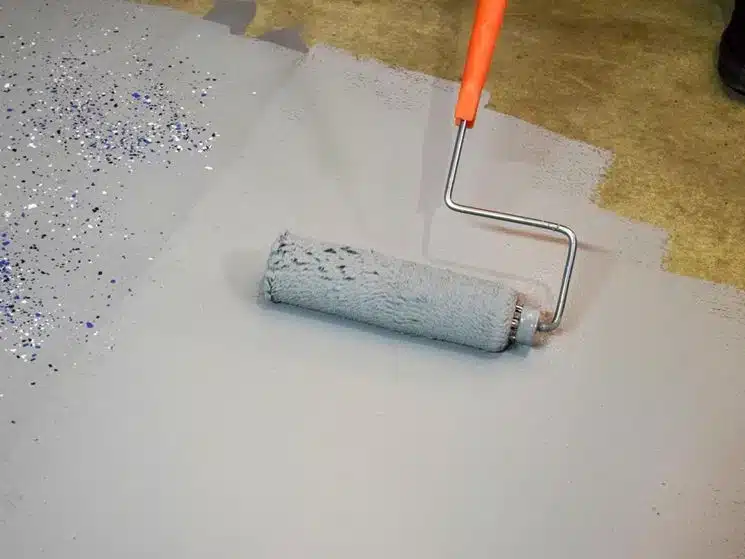
Surface Preparation Essentials
Properly preparing your floor is critical before applying any PVC primer or coating. Remove loose particles and clean thoroughly to avoid trapped dust or grease. Priming helps ensure uniform absorption, optimum adhesion, and prolonged durability for the finished surface. If in doubt, always test a small area first.
“Epoxyprimer” – Universal Water-Based Two-Component Epoxy Floor Primer
This universal, water-based two-component epoxy primer is formulated for a wide variety of substrates including concrete, ceramic tiles, screeds, and timber. It is easy to apply with a roller, brush, or spatula and designed specifically to maximise bond strength between epoxy coatings and your flooring surface. “Epoxyprimer” is both eco-friendly and odourless, making it exceptionally well-suited for indoor projects. Full curing takes 24–48 hours, and it adheres reliably to both porous and non-porous materials. This primer is the go-to choice when preparing stable, dust-free floors for epoxy resin coatings or overlays. “Epoxyprimer” – Universal Water-Based Two-Component Epoxy Floor Primer
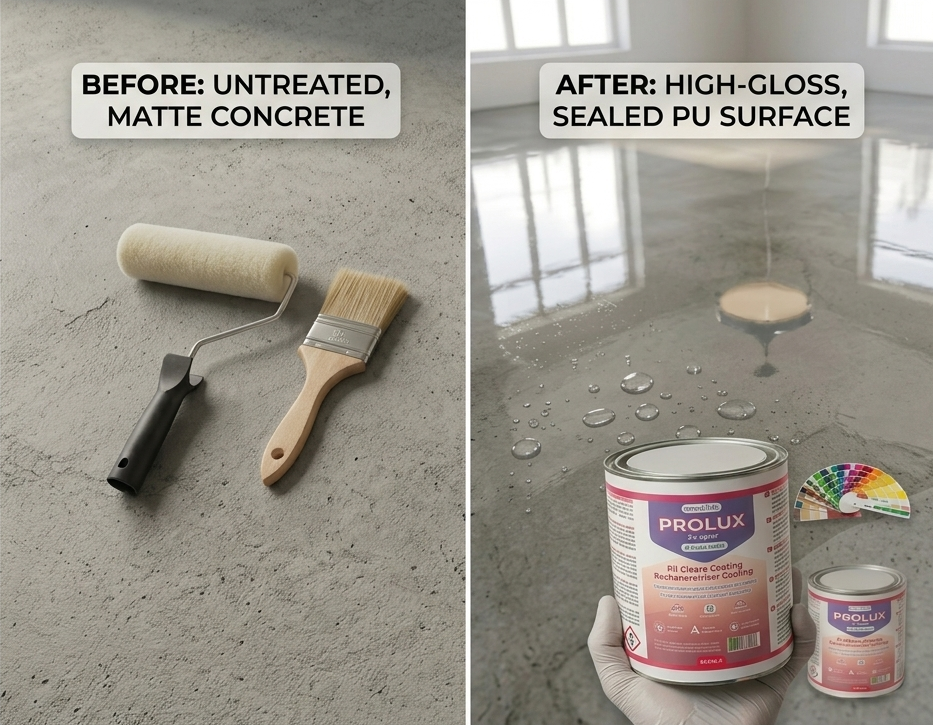
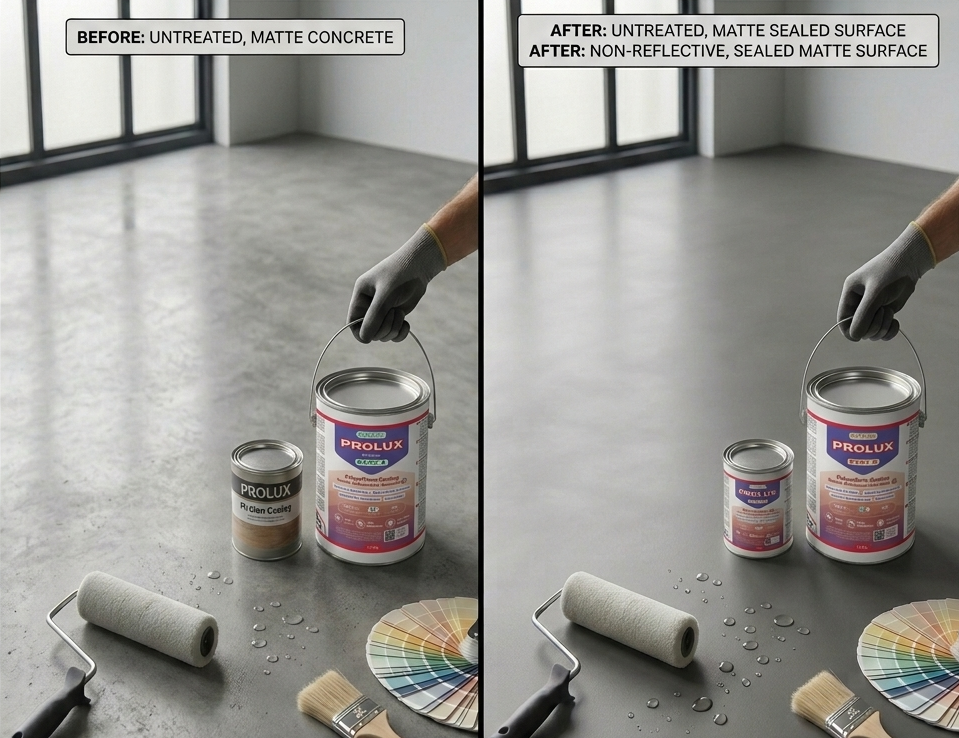
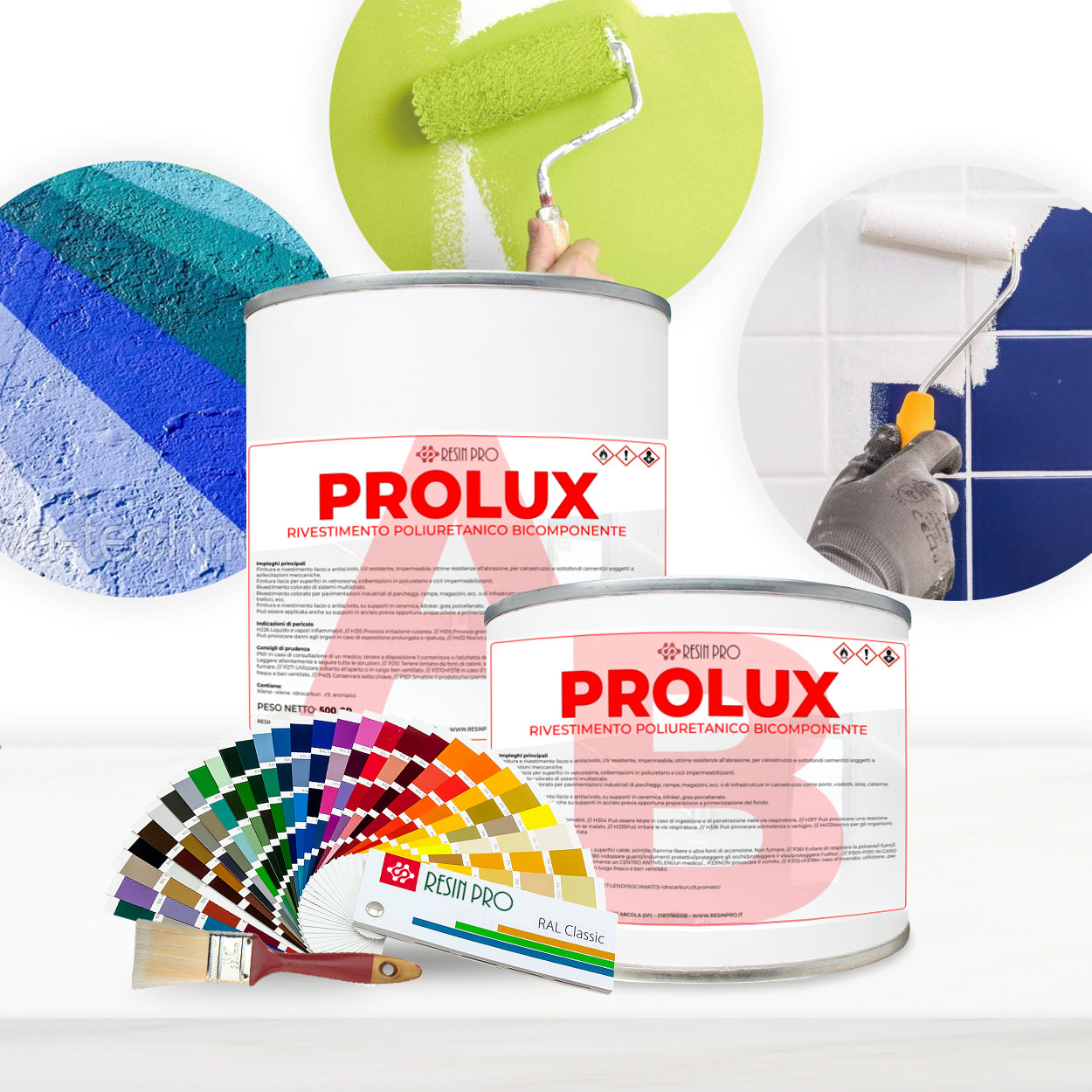
“Prolux” – PU coating for tiles, concrete, plastic and metal – suitable for driveable surfaces
“Prolux” is a robust two-component polyurethane coating developed for floors, tiles, and even steel or plastic where elevated durability and resistance are needed. This coating stands out with its resilience to UV, abrasion, moisture, and chemical wear. Available in gloss or satin and mixable in any colour, it is suitable for both indoor and outdoor applications—including driveable surfaces and warehouses. The system is ideal for experienced users delivering ultra-tough finishes on properly prepared substrates. “Prolux” – PU coating for tiles, concrete, plastic and metal – suitable for driveable surfaces
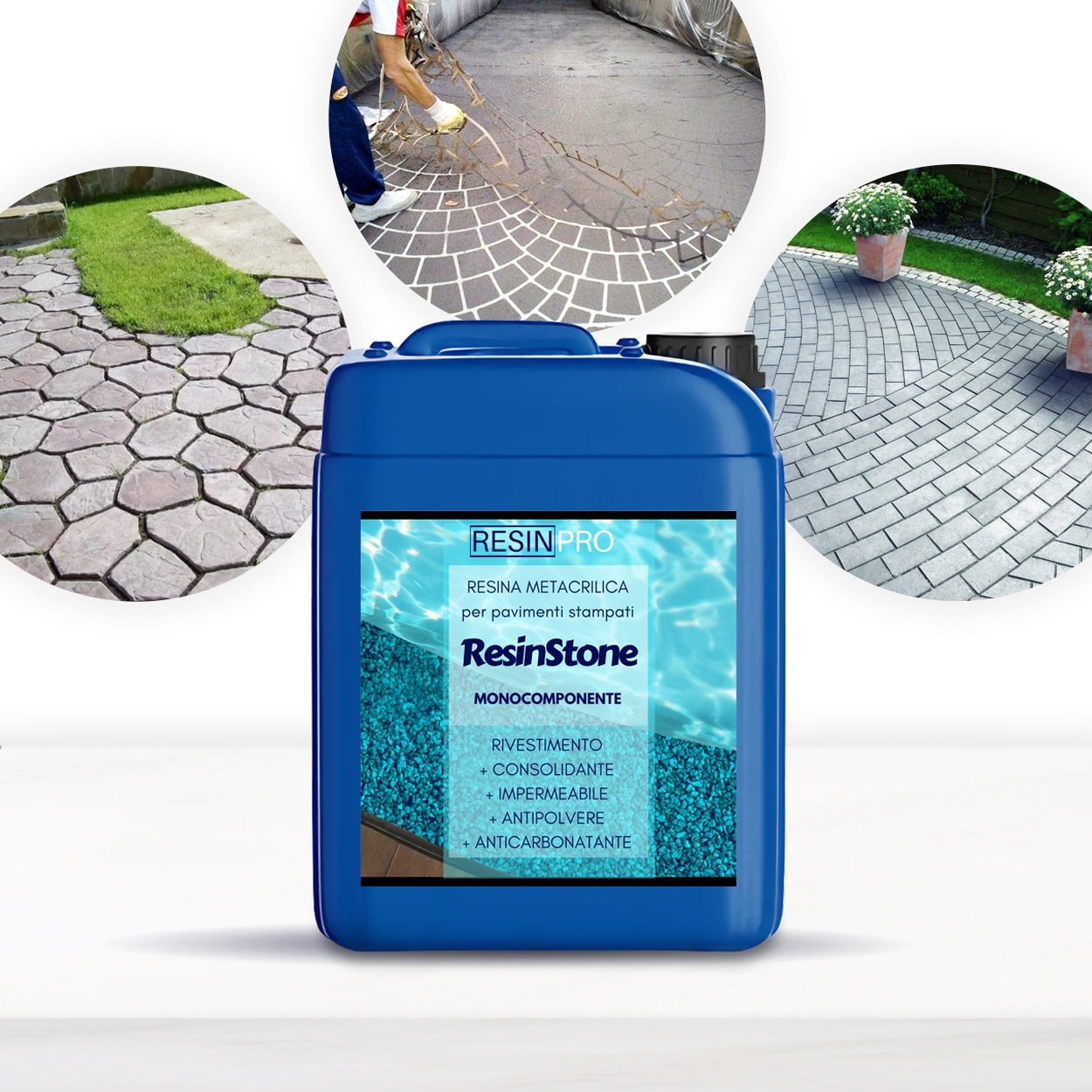
“Resinstone” – One-Component Methacrylic Resin for Concrete Floors and Driveways
“Resinstone” offers a streamlined solution for sealing and protecting absorbent surfaces such as concrete floors and driveways. Its single-component formula delivers deep capillary penetration and forms a waterproof yet breathable finish, defending surfaces against weather, oil, chemicals, and UV damage. With a quick-dry time and easy airless spray application, it is particularly suited to garages, outdoor paths, and areas in need of swift, strong protection. “Resinstone” – One-Component Methacrylic Resin for Concrete Floors and Driveways
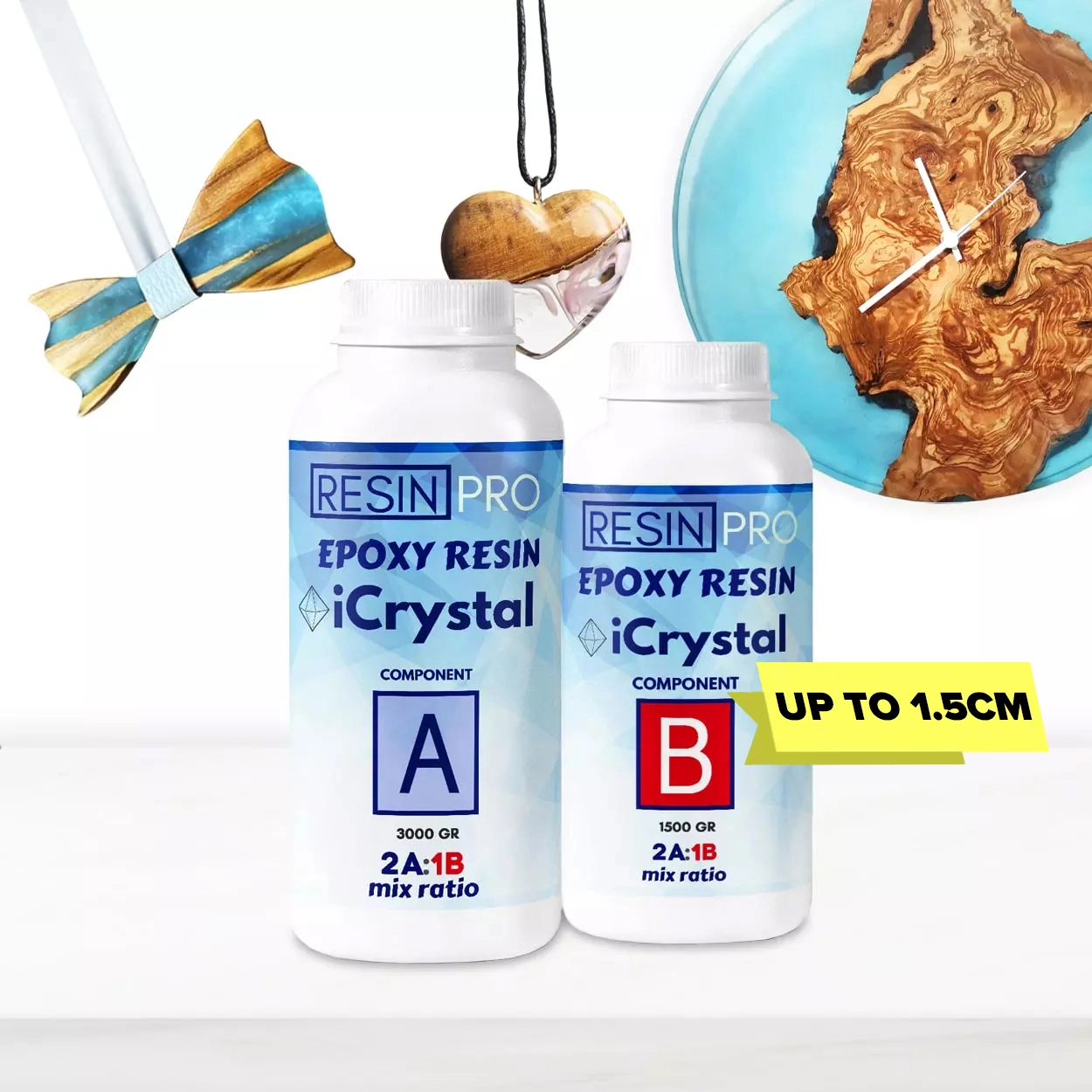
“Icrystal” – Clear Epoxy Resin – Odourless Formula – Up to 1.5cm
Ideal for decorative, clear, or functional coatings, “Icrystal” epoxy resin is celebrated for its excellent transparency, high scratch resistance, and odourless formula. Whether used atop properly primed floors or in artistic surface applications, it achieves a highly durable finish that remains clear and attractive over time. Its 2:1 mixing ratio and simple handling suit a wide range of creative and practical tasks, including transparent overlays on tables or epoxy art. “Icrystal” – Clear Epoxy Resin – Odourless Formula – Up to 1.5cm
Tips for Priming and Coating PVC and Other Floors
Always begin with a meticulously clean and dry surface—remove dust, grease, or moisture to prevent poor adhesion. When using a primer, ensure coverage is even and respect full curing times (such as 24–48 hours for water-based epoxy) to avoid trapping moisture beneath the topcoat. For driveable or damp-exposed areas, opt for polyurethane or methacrylic finishes for added resistance. Use anti-slip additives where required, especially in public or exterior areas. Read manufacturer’s recommendations on application tools, mixing ratios, and compatibility for best results.
Maximising Performance and Longevity
Maintain your floors by following curing schedules and using manufacturer-recommended cleaning products. Address spills promptly, and inspect periodically for scratches or wear. A high-quality primer and compatible topcoat system offers optimal defence against delamination, stains, and surface damage.
Frequently Asked Questions
Which primer is best for concrete, screed, or tile?
A universal water-based epoxy primer offers strong adhesion and is suitable for concrete, screeds, tiles, and timber surfaces.
How long should primers cure before coating?
Allow water-based epoxy primers to cure for 24–48 hours at room temperature before applying a resin or PU topcoat.
What is the best coating for driveways or outdoor use?
Methacrylic resins and PU coatings offer superior weather, abrasion, and UV resistance for outdoor and driveable surfaces.
How can I make primed floors non-slip?
Incorporate anti-slip additives or choose a finish designed for slip resistance, especially for public or wet areas.
Is it safe to use epoxy resin over PVC floor primer?
Yes, as long as the primer is compatible and fully cured, clear or coloured epoxy can be applied for a durable finish.
What is the difference between epoxy and polyurethane coatings?
Epoxy provides excellent adhesion and hardness, while polyurethane is valued for flexibility, UV resistance, and toughness in demanding areas.