 Free shipping on orders over £29,85
 Shipping Tracking!



 Google
 Facebook
Can I Repair Motorhome Microcracks Myself?
← Back to Waterproofing for microcracks in motorhomes
Quick answer
Motorhome microcrack repair is a manageable DIY task for most owners when a suitable two-component filler, polyester resin or fibreglass repair kit is paired with basic preparation tools. Hairline cracks in gelcoat, fibreglass or painted panels can usually be stabilised before water gets behind the surface. The repair typically involves cleaning and keying the area, mixing the product to the manufacturer’s ratio, applying it in controlled layers, and allowing full curing before priming or painting. This produces a durable, moisture-resistant finish.
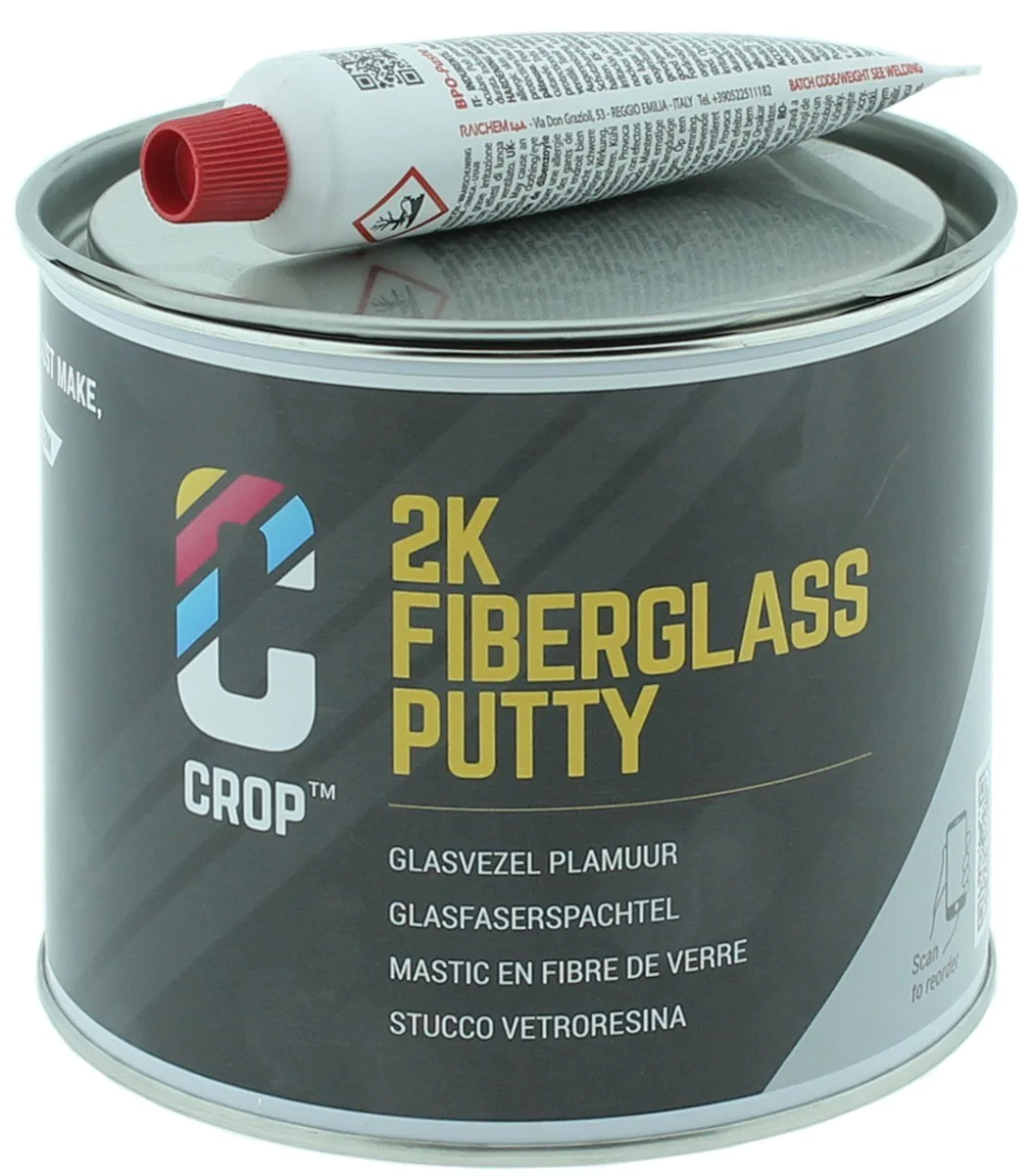
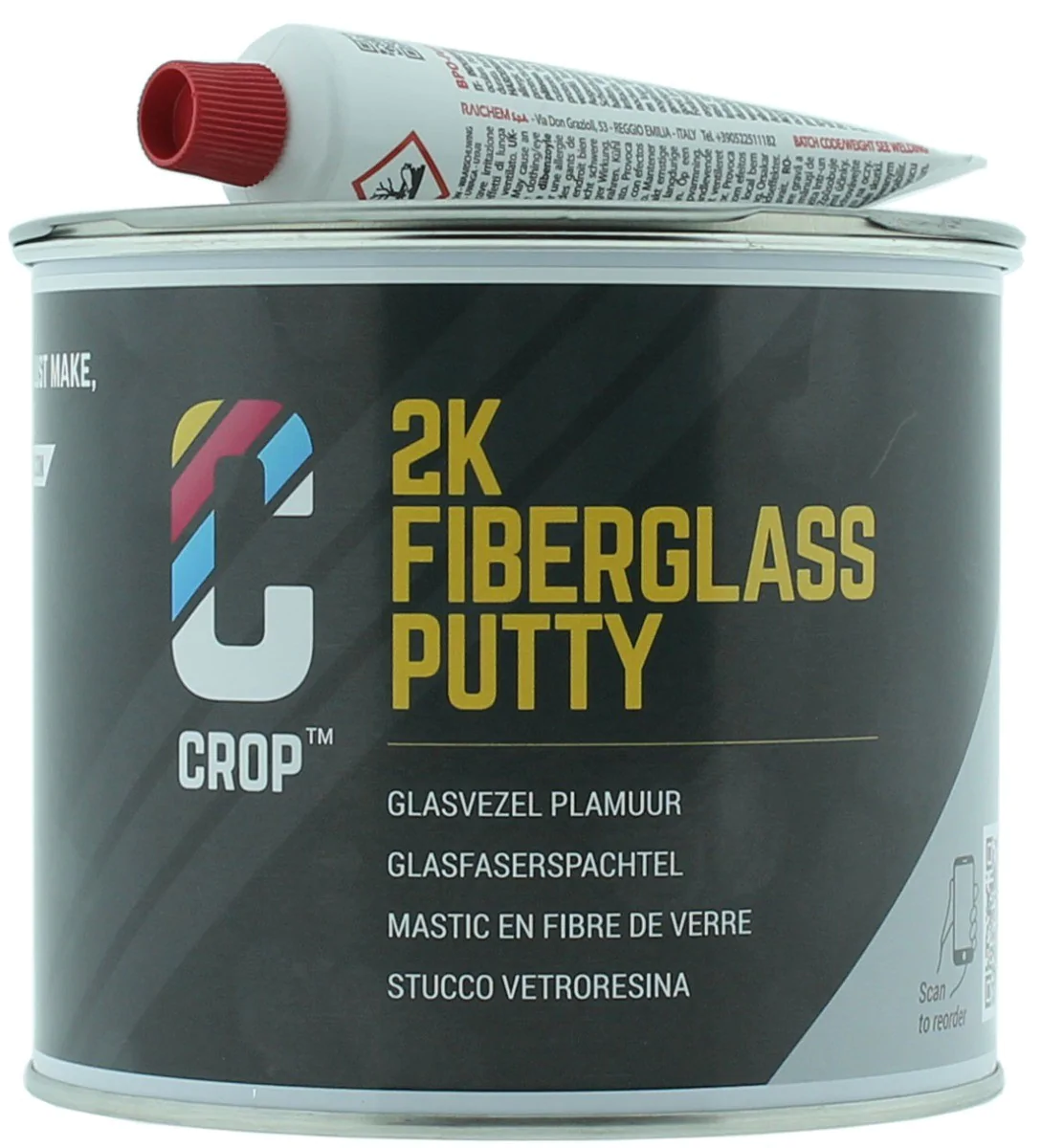
Plenty of motorhome owners handle this themselves rather than booking a workshop visit. The key is choosing the right repair material for the surface and working in dry, mild conditions so the product cures properly.
Assessing the microcrack before you start
Start by cleaning the area so you can see the crack clearly. A fine hairline crack in a stable panel is usually suitable for DIY repair. If the surrounding surface feels soft, moves when pressed, or shows signs of water staining behind the panel, it may need closer inspection before you apply filler.
- Hairline cracks with no movement are generally good candidates for filler or resin.
- A dry, rigid panel around the crack suggests the damage is contained.
- If the crack runs through a seam or joint, check whether the original sealant is still bonded.

Applying a waterproof DIY repair
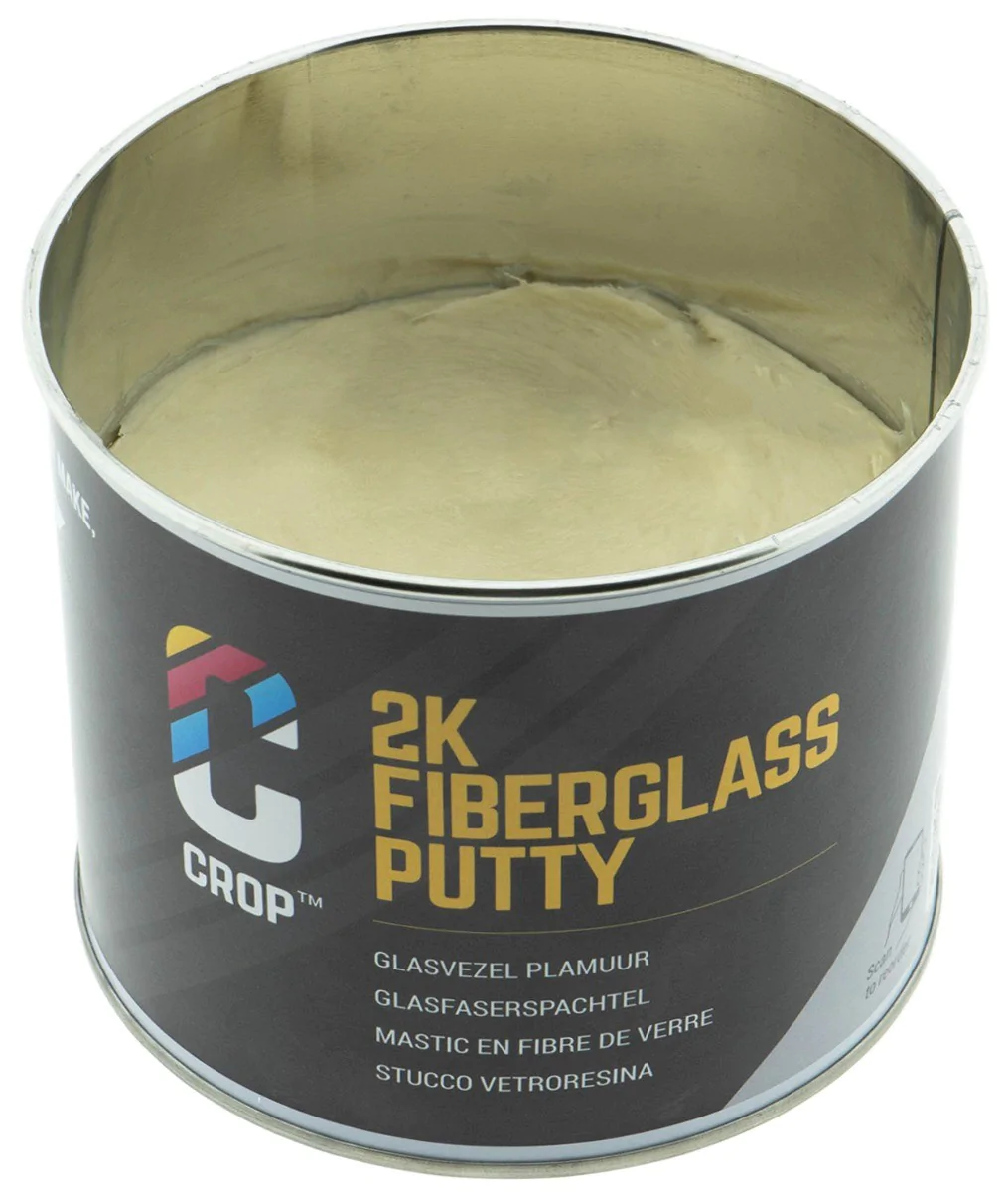
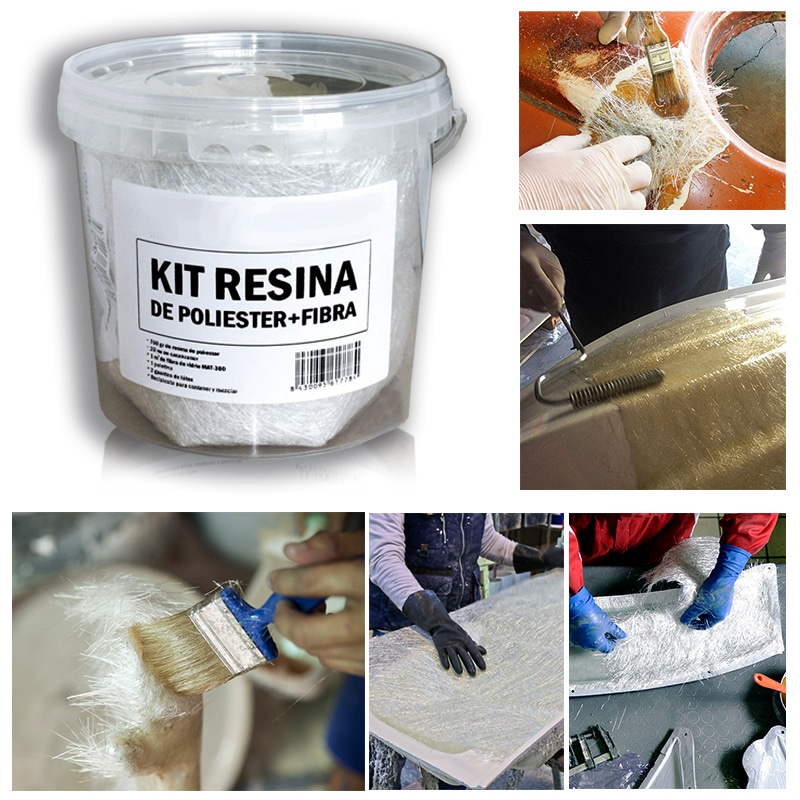
For small cracks and dents, a fibreglass-reinforced two-component polyester putty such as CROP 2K Fiberglass Putty can fill and stabilise the surface. For larger or structural repairs, a complete polyester resin and fibreglass mat kit provides more reinforcement.
Work in a ventilated area, wear gloves, and follow the product’s mixing and curing instructions. Sand the cleaned area lightly first to help adhesion, then apply the product in thin layers. Once cured, sand it smooth and finish with a suitable primer and topcoat.
When this matters
Microcracks matter most when the motorhome is exposed to rain, road spray or winter storage. Water can settle into small openings and gradually cause staining, damp smells or panel deterioration. Addressing the crack while it is still hairline is usually quicker and cheaper than dealing with widespread moisture damage later.
Carry out repairs before winter, after a long trip, or whenever washing reveals a new hairline line in the bodywork.
Related products
Related guides
This DIY repair approach fits into the wider topic of waterproofing for microcracks in motorhomes. Regular checks and early treatment with the right resin or filler help keep panels sealed and reduce the likelihood of hidden water ingress.