 Free shipping on orders over £29,85
 Shipping Tracking!



 Google
 Facebook
Repairing Stamped Concrete Flooring
Quick answer
Repairing stamped concrete flooring involves restoring cracks, sealing the surface, and protecting it from further wear and moisture. Specially-formulated resins, mastics, and coatings help extend the life of decorative concrete by enhancing durability, waterproofing, and appearance. The correct choice depends on whether you need to fill cracks, seal, prime or finish the repaired surface.
Trusted resins and coatings for durable concrete repairs
Stamped concrete flooring is renowned for its decorative appearance and resilience, but over time, cracking, surface deterioration or fading can occur. Selecting the right repair and protection products ensures not only aesthetic restoration but also prolongs the lifespan and strength of your decorative concrete. Whether you’re a professional contractor or a DIY enthusiast, this guide compares the most effective solutions for fixing, sealing, priming, and finishing stamped concrete floors.
Comparison of Concrete Repair & Sealing Products
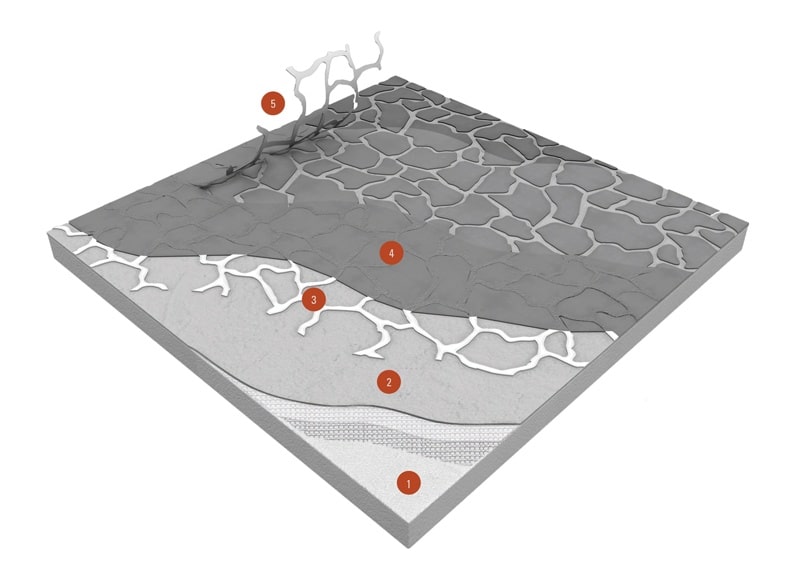
The best approach to repairing stamped concrete floors often involves a combination of products: an epoxy mastic for filling and bonding cracks or gaps, a specialist resin or primer for sealing and adhesion, and a durable topcoat for protection against traffic and weather. Key differences between products include resistance to UV and chemicals, drying and curing time, application technique (such as roller, brush or airless spray), and suitability for interior or exterior use. Understanding these distinctions helps you choose the right solution for each step of your flooring restoration project.

Why Use Specialised Repair Products for Stamped Concrete?
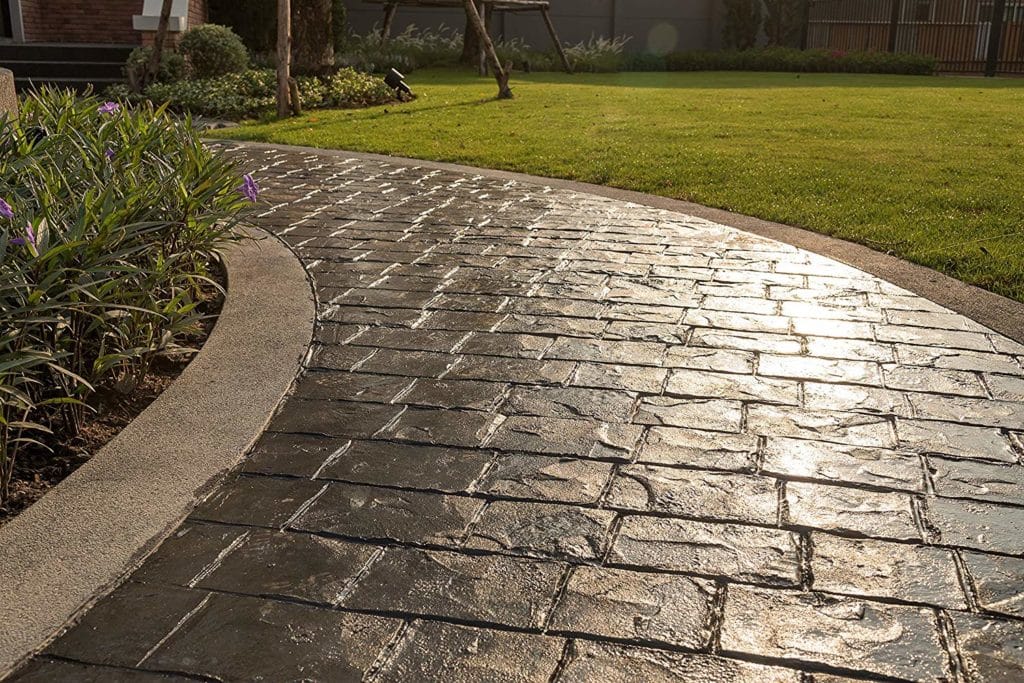
Stamped concrete surfaces are uniquely textured, making them susceptible to cracking and wear over time. Specialised repair resins and coatings penetrate deeply and protect the intricate patterns, ensuring both durability and a professional finish. Using proper products prevents discolouration, moisture ingress and premature deterioration—increasing the lifespan of your decorative flooring.
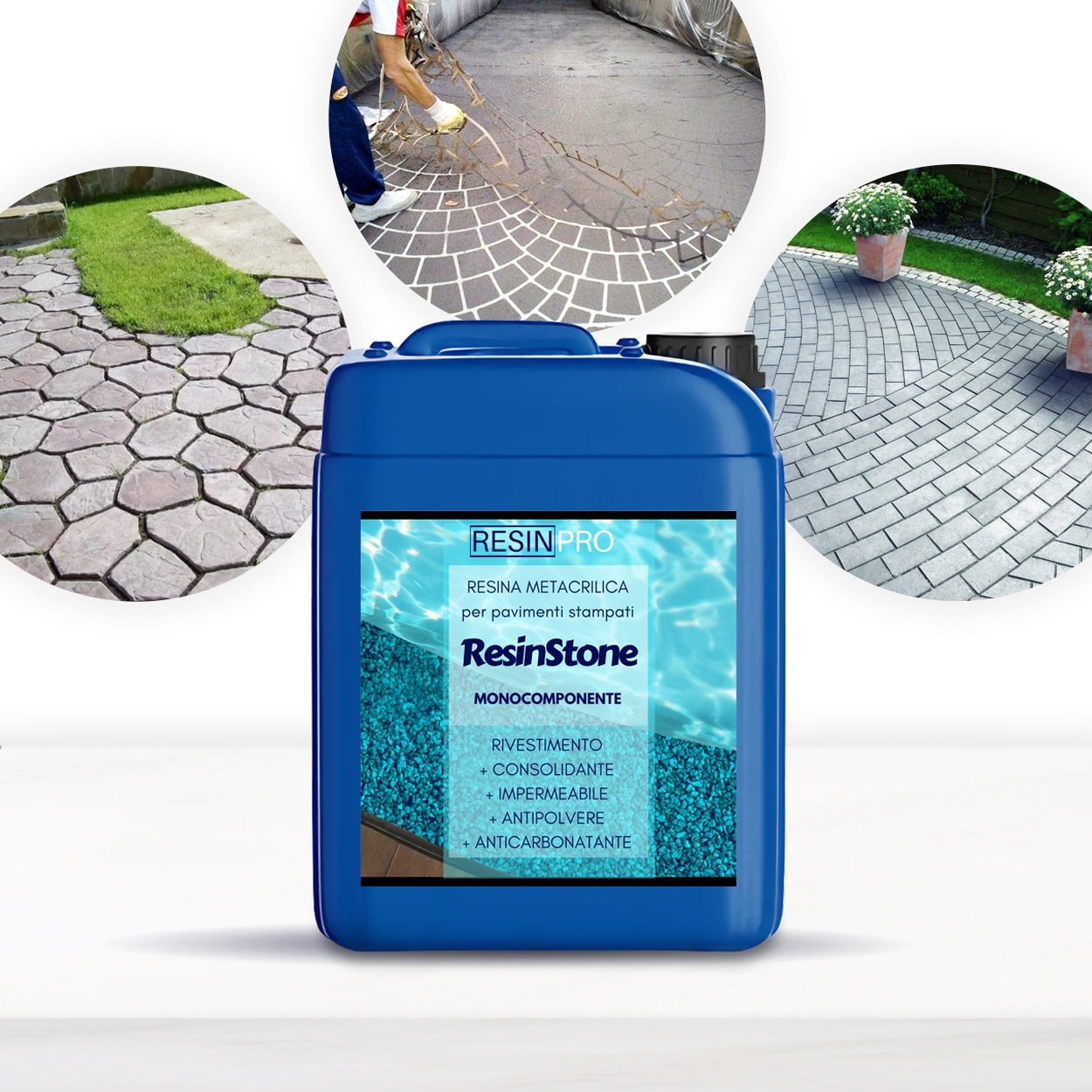
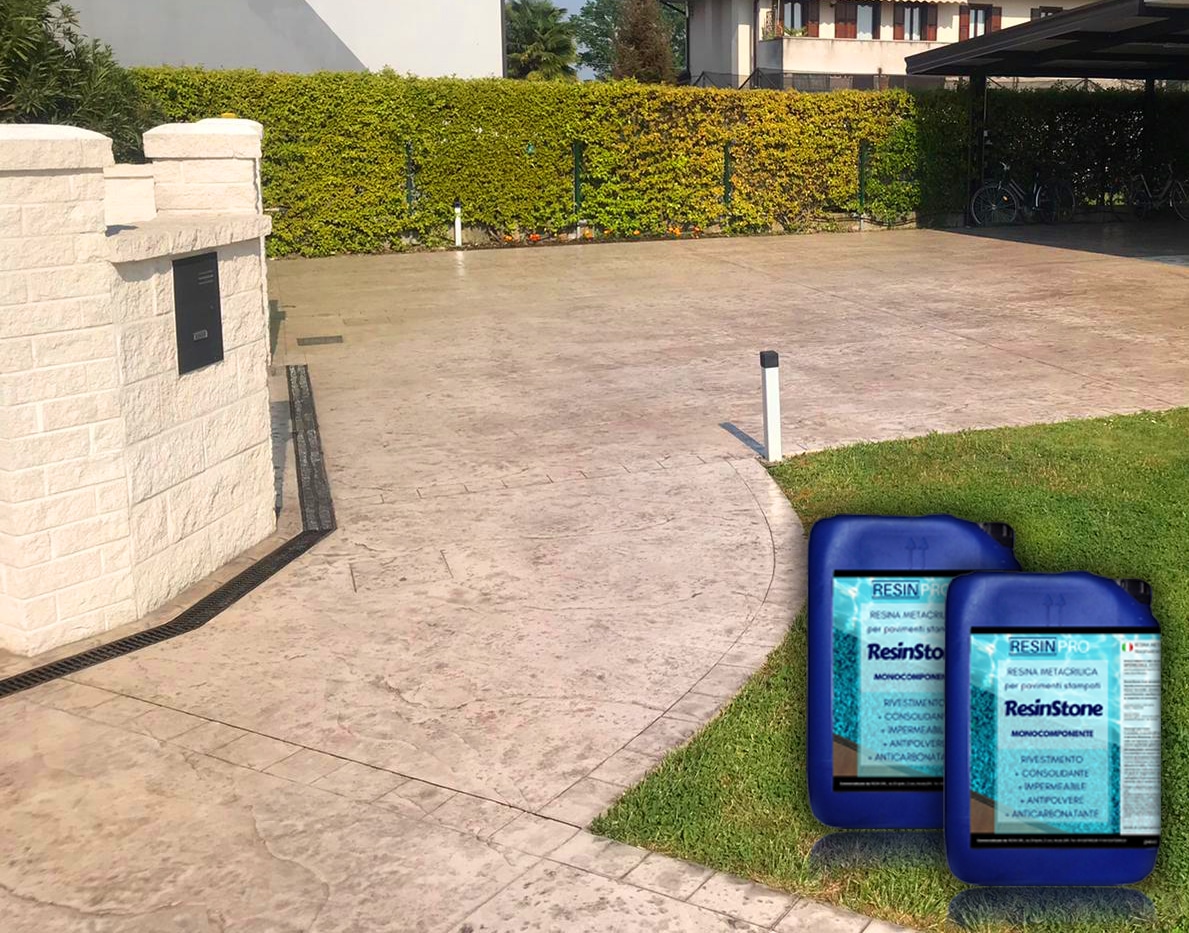
“Resinstone” – One-Component Methacrylic Resin for Concrete Floors and Driveways
“Resinstone” – One-Component Methacrylic Resin for Concrete Floors and Driveways is engineered to seal and protect concrete, especially stamped surfaces, by providing deep capillary penetration for effective sealing. It forms a tough, waterproof yet breathable layer that prevents moisture entrapment while enhancing the mechanical and scratch resistance of driveways, patios, and decorative concrete floors. With protection against chemicals, UV rays, and weather, this resin delivers robust performance for both professionals and homeowners tackling concrete repairs indoors and outdoors.
Application is straightforward—no mixing required, just apply with an airless spray. Touch-dry in 20–30 minutes and fully usable within 12 hours, it excels where quick refurbishment is required. It should not be used as a loose gravel binder or on non-absorbent substrates, but on any absorbent, decorative concrete surface including stamped decks or imprinted patios, it ensures lasting results.
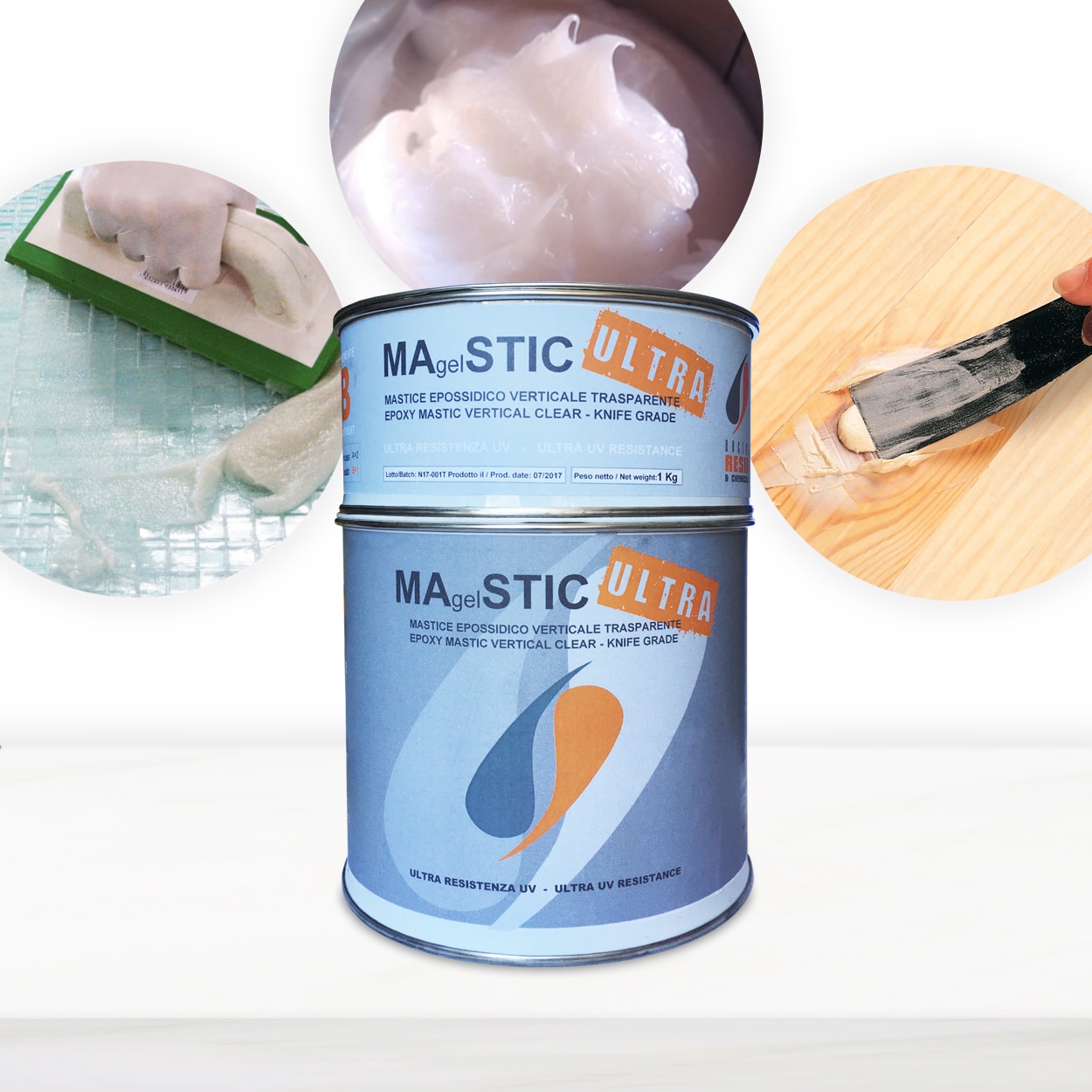
“Magelstick” – Epoxy Mastic for Stone, Metal, and Cement Bonding and Grouting
For targeted structural repairs and restoring areas with cracks, joints, or missing pieces, “Magelstick” – Epoxy Mastic for Stone, Metal, and Cement Bonding and Grouting offers a durable, long-lasting solution. This professional, bi-component putty provides UV and weather resistant for outdoor use—essential for high-wear or exposed stamped concrete. Its thixotropic formula enables easy application on vertical and horizontal surfaces alike, filling gaps without sagging. The result is a smooth, tough repair that resists both shrinkage and vibration, ideal for detailed restoration work inside or out.
Mix in small batches for precise repairs. It’s best suited to stone, concrete or cementitious substrates and should only be applied above 10°C to guarantee full cure and bond strength.
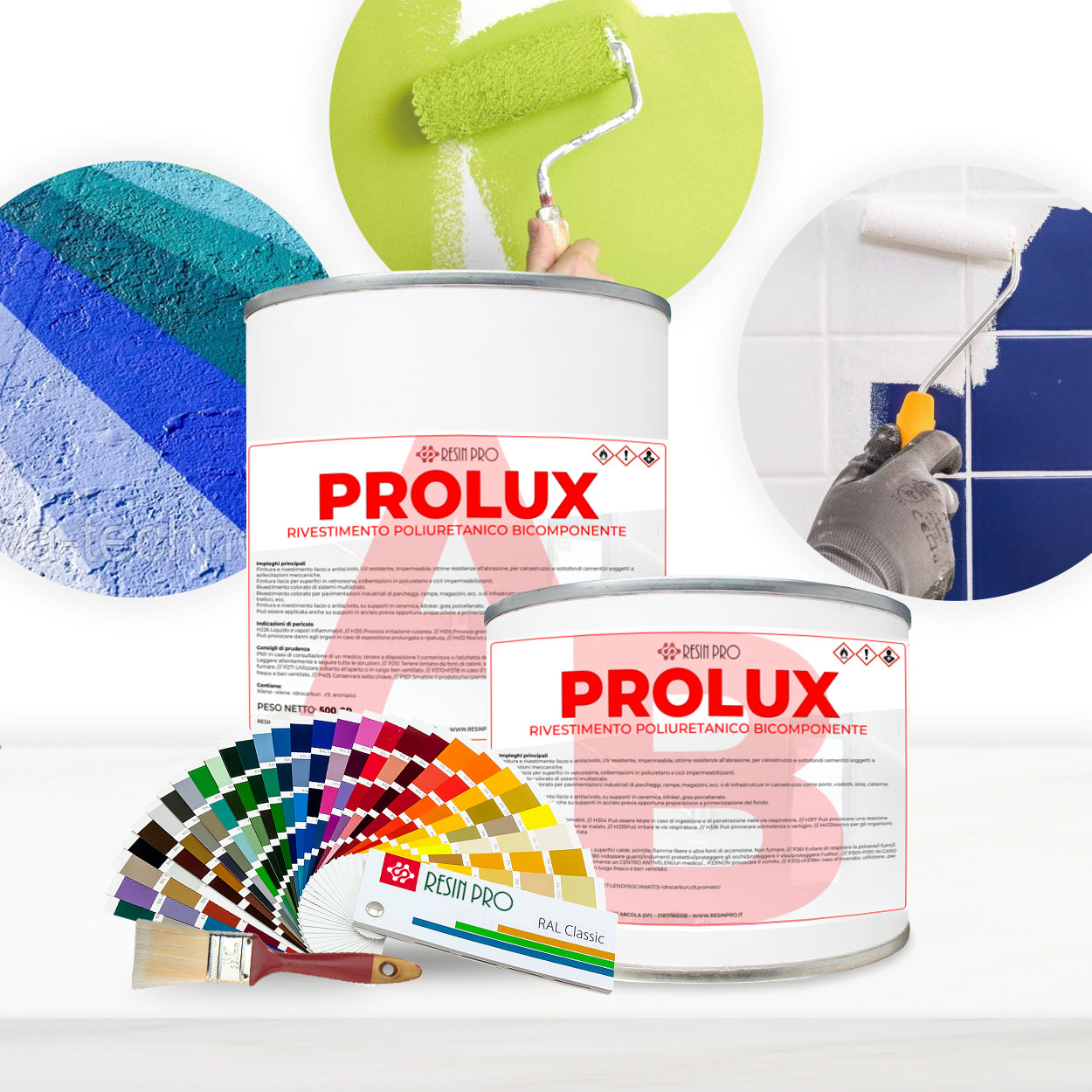
“Prolux” – PU coating for tiles, concrete, plastic and metal – suitable for driveable surfaces
After repairs and sealing are complete, ensuring a hardwearing and attractive finish is critical. “Prolux” – PU coating for tiles, concrete, plastic and metal – suitable for driveable surfaces delivers a premium polyurethane solution that’s easy to use and certified for professional flooring applications. Resistant to UV, yellowing, abrasion, and weather, Prolux is the finishing touch for high-traffic zones, parking areas, or driveways where you need both durability and decorative quality. Available in gloss or satin, and in multiple colours, it can be applied over concrete and other surfaces for a seamless, highly-protective result.
Ensure the substrate is clean, dry, and correctly prepared before use for optimum adhesion and appearance. The two-component design offers flexibility, with the optional anti-slip finish ideal for outdoor or wet settings.

“Epoxyprimer” – Universal Water-Based Two-Component Epoxy Floor Primer
Optimal restoration starts with a solid base layer and “Epoxyprimer” – Universal Water-Based Two-Component Epoxy Floor Primer delivers superb adhesion between the original concrete and subsequent resin coatings. Safe and odourless, this water-based primer works across a range of substrates: stamped concrete, ceramic tiles, timber, and screeds. Apply by roller, brush or spatula to ensure uniform coverage and maximise bonding, particularly where long-lasting durability is required.
Full curing takes 24–48 hours, but the result is a solid foundation that resists delamination and wear, making it especially valuable for professional refurbishments or demanding DIY projects.
Tips for Effective Stamped Concrete Repairs
Success in repairing stamped concrete comes down to proper surface preparation, choosing products suited to your conditions, and following manufacturer application instructions closely. Always test compatibility on a small area if possible, and pay attention to ambient temperature—some products require minimum warmth to cure. For best results, work in clean, dry weather, and add a topcoat or sealant even after filling cracks to preserve the surface’s integrity. Using complementary products such as a primer, repair mastic, and a durable finish coat can maximise the longevity and appearance of your stamped concrete installation.
Optimising Concrete Restoration Outcomes
Proper timing and application technique are key to a flawless restoration. Always prime or clean the surface before repairs, apply mastics or fillers only in suitable conditions, and choose a protective seal or coating to finish. Following this process guarantees long-term performance and maximises the visual appeal of your stamped concrete restoration.
Frequently Asked Questions
What is the best way to seal stamped concrete flooring?
Use a purpose-made methacrylic resin or polyurethane coating to protect against moisture and wear on stamped concrete surfaces.
How do I repair cracks in stamped concrete?
Clean the crack, fill with a thixotropic epoxy mastic, and sand smooth before resealing or recoating the floor.
Can stamped concrete be repainted or recoloured?
Yes, after cleaning and priming, suitable PU coatings in various colours can refresh or change the floor’s appearance.
What temperature should repair products be applied at?
Most repair resins and mastics require temperatures of 10°C or higher for proper curing and bonding performance.
What’s the difference between a primer and a sealer?
A primer promotes adhesion between old and new layers, while a sealer protects the surface from moisture, stains and traffic.
Do repair products protect stamped concrete outdoors?
Yes, use UV- and weather-resistant resins or PU coatings for reliable outdoor protection on decorative concrete.