 Free shipping on orders over £29,85
 Shipping Tracking!



 Google
 Facebook
Resin-Based Solutions for Roof Leak Insulation
← Back to Roof leak insulation solutions
Quick answer
Resin-based roof leak solutions are waterproofing and repair systems that use polyester, polyurethane, epoxy, or methacrylic resins to seal, reinforce, or coat surfaces exposed to water ingress. Depending on the material, they bond to fibreglass, concrete, wood, metal, and rigid plastics, creating a protective layer that resists moisture, weathering, and abrasion. Common formats include fibreglass repair kits, two-component polyurethane coatings, and penetrating wood or concrete sealers.

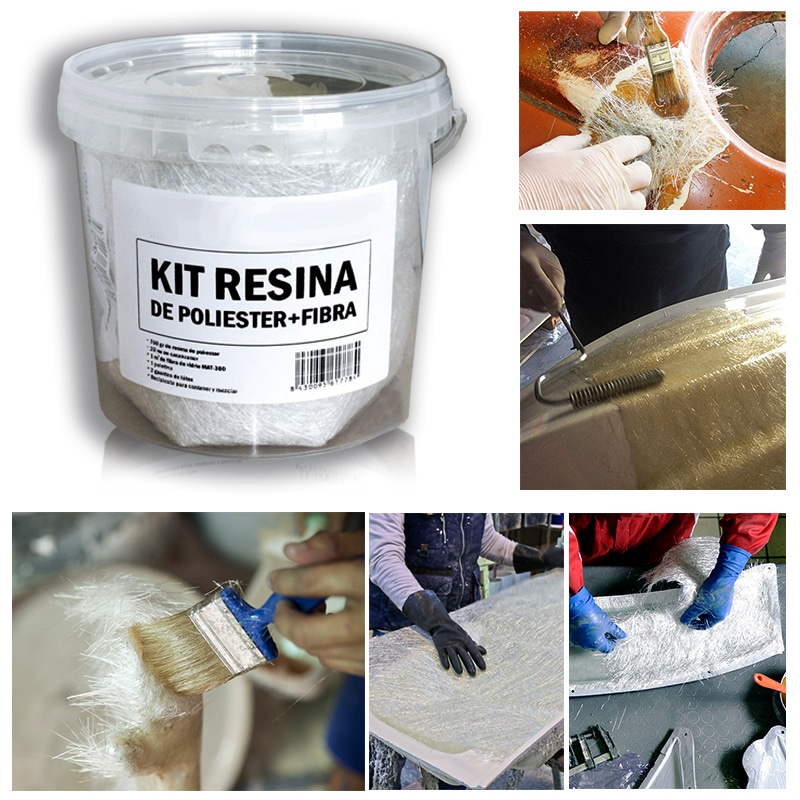
Choosing the right resin comes down to the surface material and the amount of water exposure involved. The sections below outline the main options and practical steps for a successful roof leak repair.
Matching resin types to roof surfaces
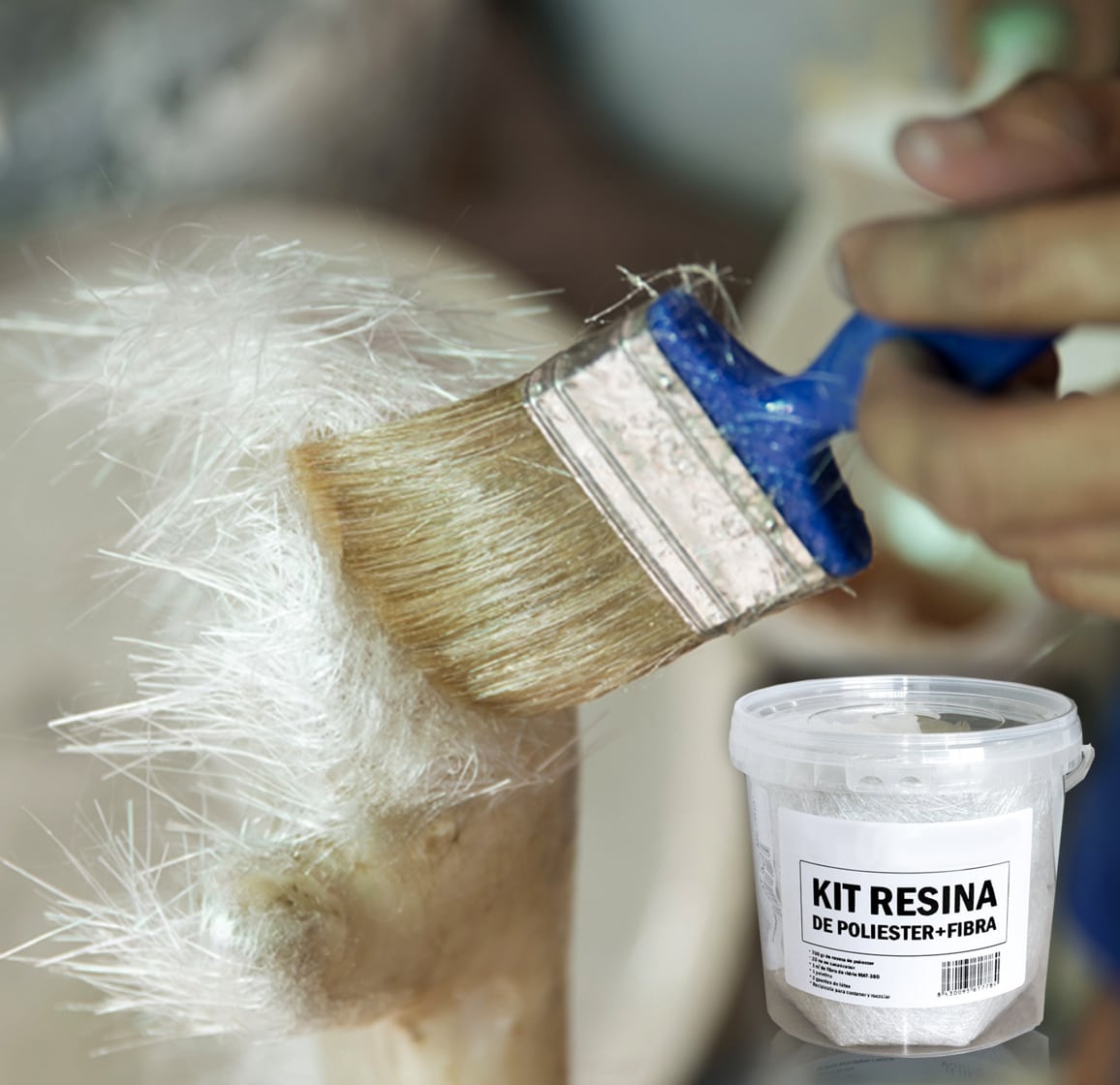
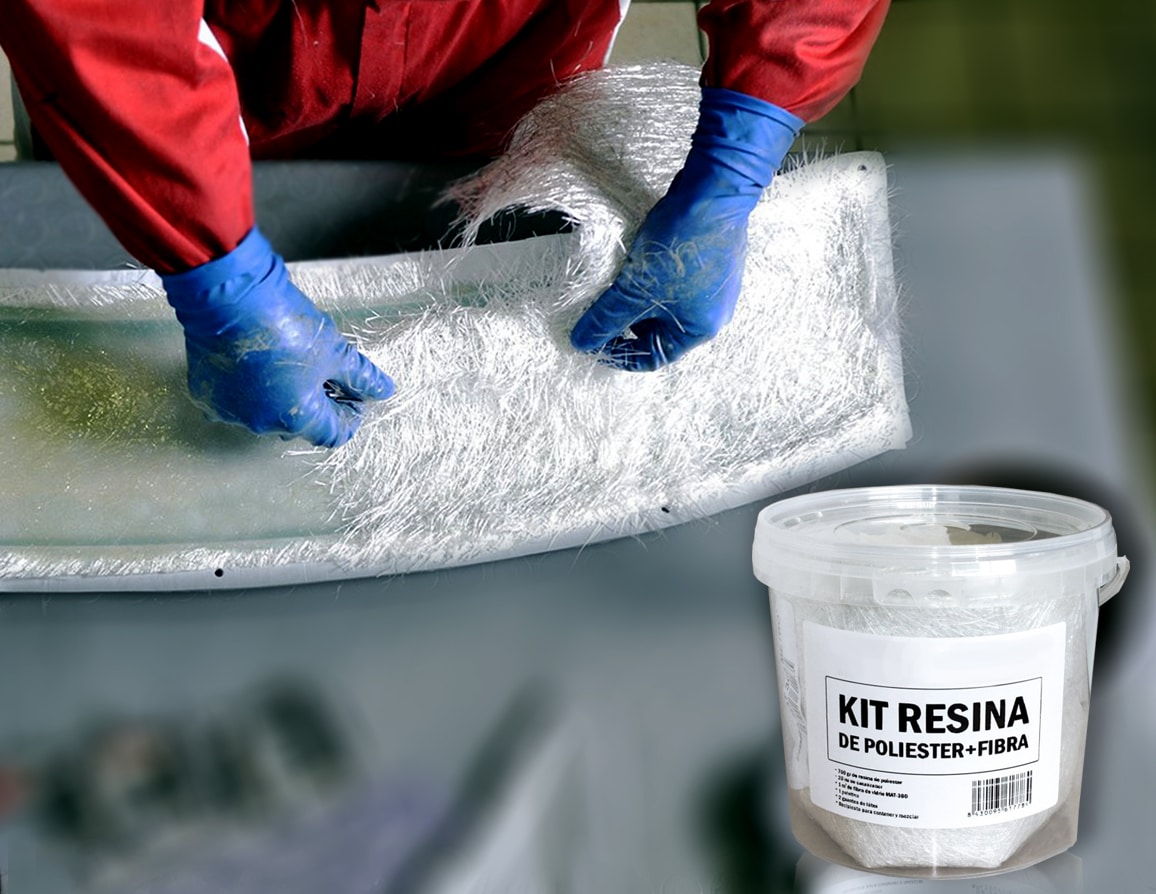
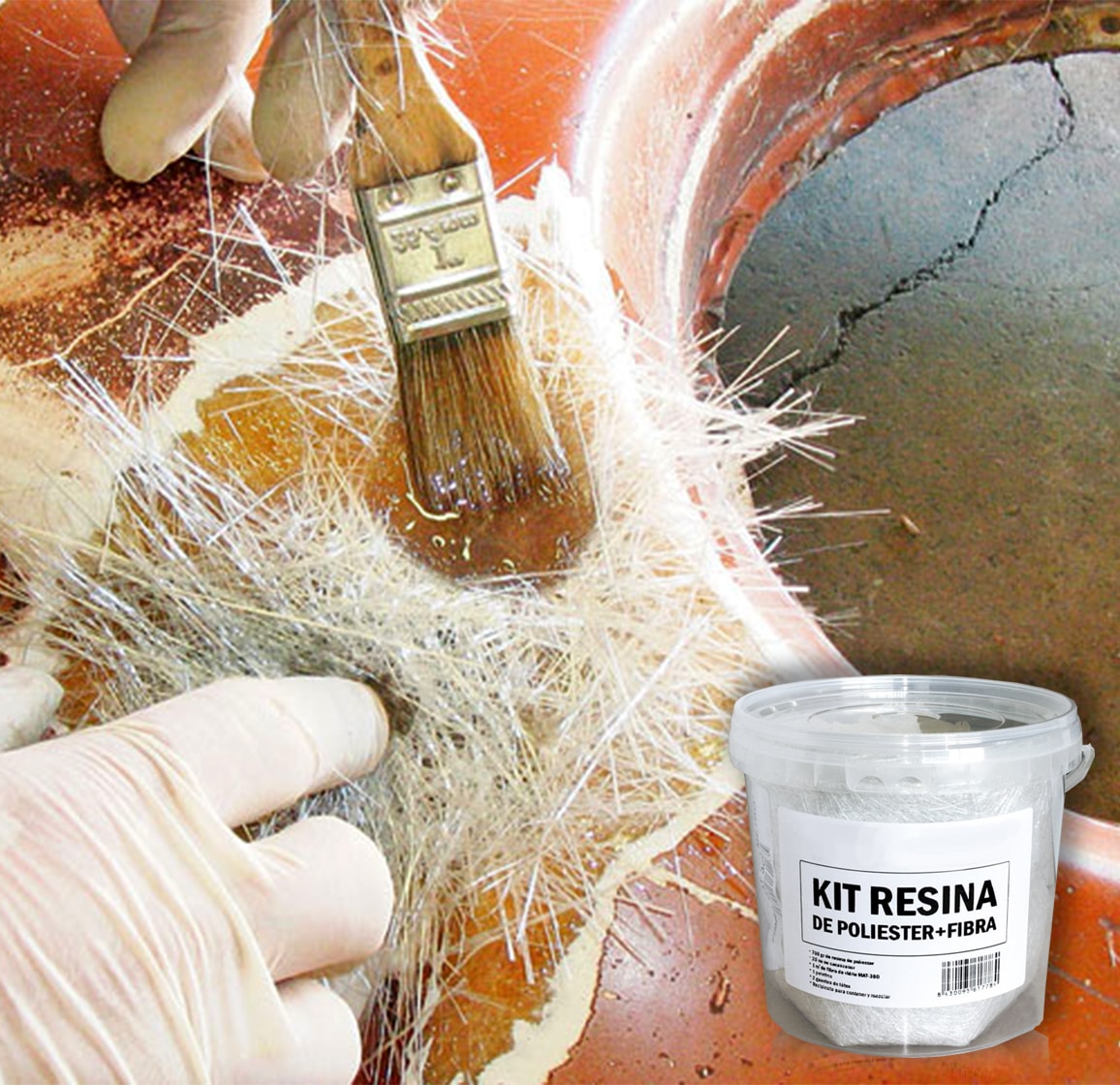
Different resin chemistries suit different roof sections and supporting materials. For cracked or split rigid panels, the Resin Fibreglass Repair Kit combines polyester resin with a fibreglass mat to reinforce the area. Polyurethane coatings provide a continuous waterproof film on prepared concrete, fibreglass, ceramic and metal. For timber details such as fascias, sheathing or frames, a low-viscosity epoxy like EpoxyWood penetrates and waterproofs dry wood.
- Fibreglass and rigid plastics: polyester resin and mat kits bond to structural surfaces.
- Concrete, ceramic and metal: two-component polyurethane coatings offer UV and abrasion resistance.
- Dry timber: penetrating epoxy restorers seal and reinforce wood from within.
Application and preparation basics
Most resin-based roof repairs fail because the surface is damp, dusty or poorly keyed. Remove loose material, degrease where needed, and lightly sand or abrade smooth areas to improve adhesion. Follow the mixing ratio on the specific product; the polyester kit uses a 3% hardener ratio, while Prolux is mixed at 2:1, and EpoxyWood should only be applied to perfectly dry, sanded wood.
Work in thin, even layers and allow the recommended curing time before exposing the repair to foot traffic or water. For larger roof areas, a compatible primer may be needed depending on the substrate.
When resin-based solutions matter
Resin-based repairs matter most when water is tracking through cracks, joints or porous surfaces, or when a roof detail needs a waterproof bridge before new insulation is installed. A correctly chosen resin can stabilise the substrate and reduce the chance of water being trapped under later layers. If the surface remains flexible or structurally unsound, however, a resin coating alone is unlikely to solve the underlying movement.
Related products
Related guides
For a wider look at how these materials fit into a full roof leak insulation plan, see the main roof leak insulation solutions guide. Choosing the right resin-based product early helps keep repairs watertight and prepared for insulation work.