 Free shipping on orders over £29.85
 Shipping Tracking!



 Google
 Facebook
Resistance of Floor Paints
Quick answer
Resistance of floor paints refers to a coating’s ability to withstand wear, abrasion, UV exposure, chemicals, and weathering on surfaces such as concrete, tiles, and driveways. Selecting the right resistant floor paint or system ensures long-lasting protection in garages, warehouses, patios, and driveable areas susceptible to high traffic or harsh conditions. Key factors include mechanical strength, waterproofing, UV stability, and strong substrate adhesion.
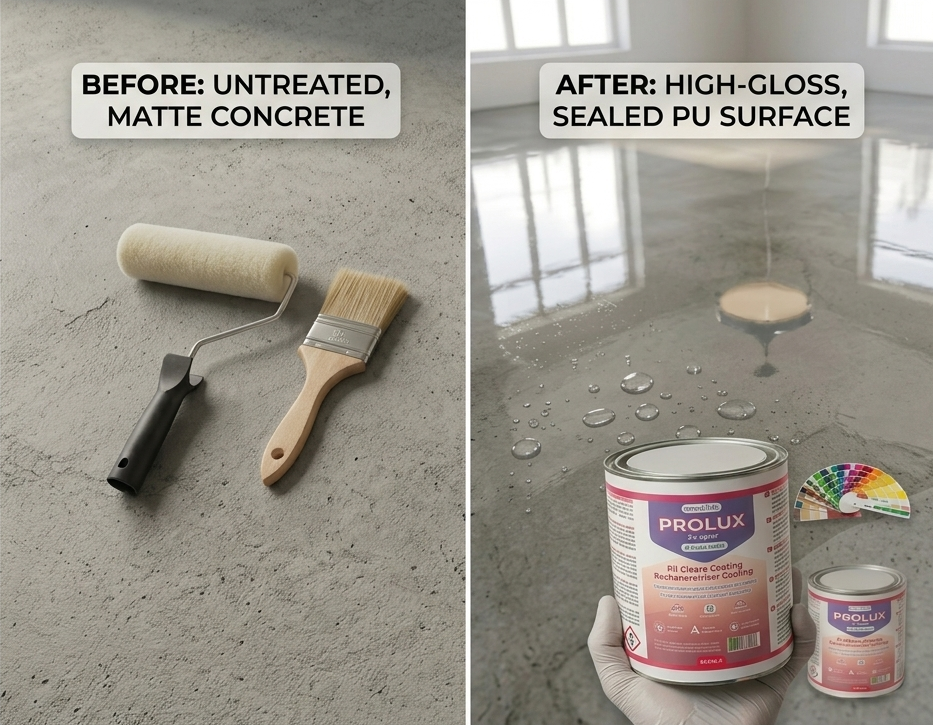
Choosing floor coatings for durability and long-term protection
When it comes to floors—especially those exposed to heavy use, the elements, or potential chemical spills—the resistance of your floor paint is crucial. Whether you are renovating a garage, safeguarding a driveway, or enhancing decorative paths, choosing the right floor coating helps prevent premature wear, discolouration, flaking, or loss of grip. This page compares top-rated floor paint solutions designed for increased resistance, helping you find a product that meets your practical needs and ensures lasting results.
Comparing Durability: What Makes a Resistant Floor Paint?
Not all floor paints provide the same level of resistance. Essential considerations include advanced abrasion resistance for high-traffic areas, waterproofing for damp environments, protection from UV rays and yellowing, resistance to chemicals, and adaptability to different types of surfaces such as concrete, tiles, wood, or aggregates. Some coatings also offer rapid drying or ease of application. Below, discover the key differences between advanced polyurethane, methacrylic, epoxy, and primer systems, all designed to enhance the resilience of residential and commercial floors.
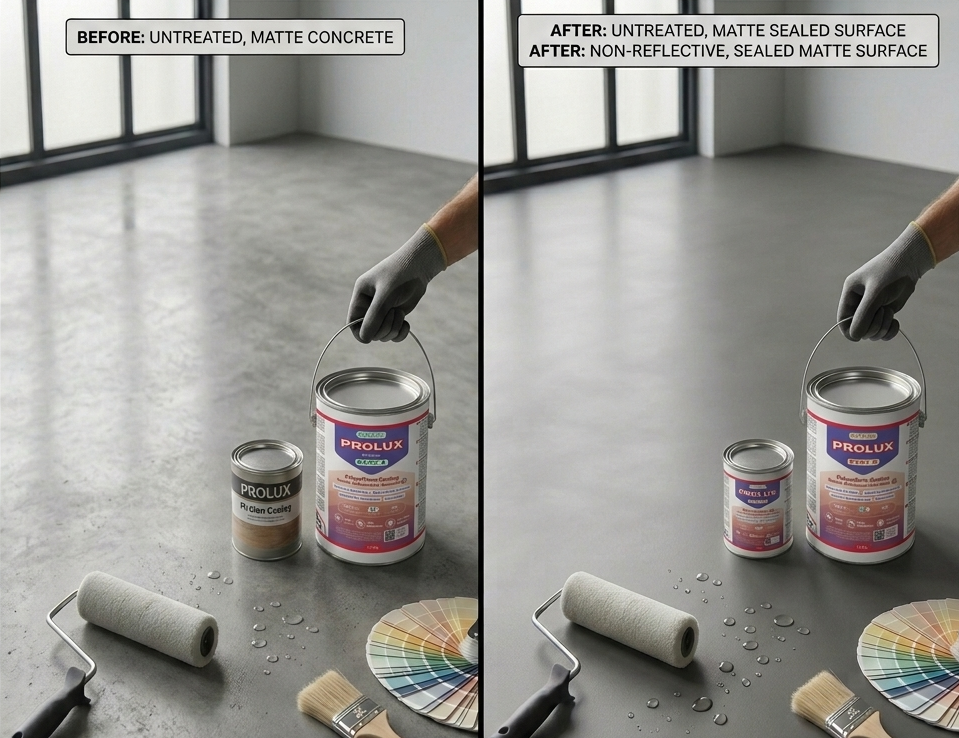
Why Resistance Matters for Floors
Floors in garages, workshops, and outdoor spaces face constant mechanical and environmental stress. Coatings with high resistance to abrasion, water ingress, chemicals, and sunlight protect surfaces from early degradation and reduce maintenance needs, ensuring both safety and visual quality for years.
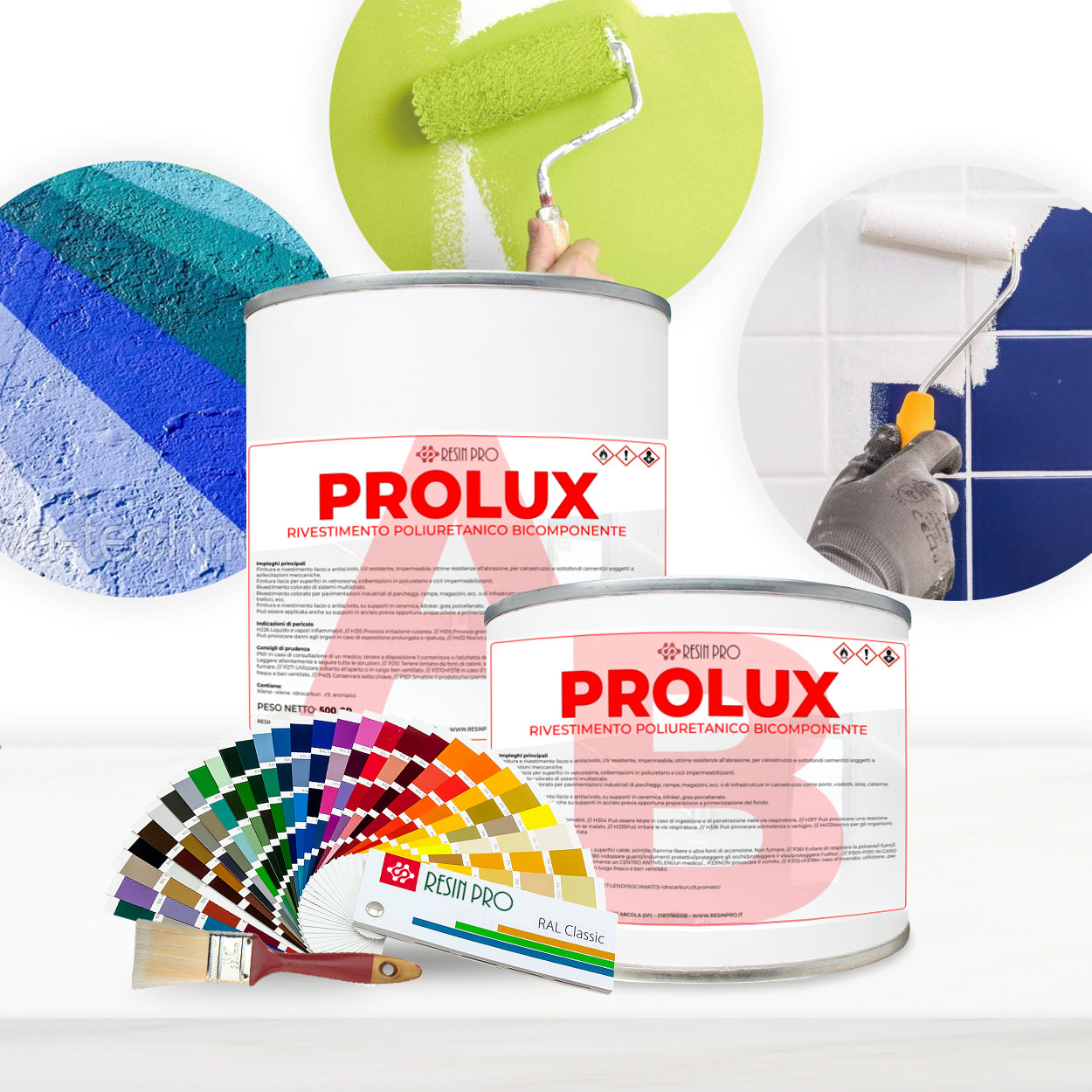
“Prolux” – PU Coating for Tiles, Concrete, Plastic and Metal
For demanding applications, “Prolux” PU coating for tiles, concrete, plastic and metal delivers superior UV, abrasion, and weather resistance. Its two-component polyurethane formula provides robust, durable protection even on driveable surfaces and in high-traffic or damp areas. Available in a variety of colours and finishes, it is CE marked and easy to apply with a 2:1 mix ratio. “Prolux” is the go-to system for warehouses, external parking, or any space where long-term resilience is a must.
This coating excels on concrete, tiles, fibreglass, plastics, and properly primed steel, ensuring surfaces remain vibrant and safe under intense usage. It is best chosen by experienced users comfortable with two-component applications and surface preparation.
Explore Prolux PU Coating
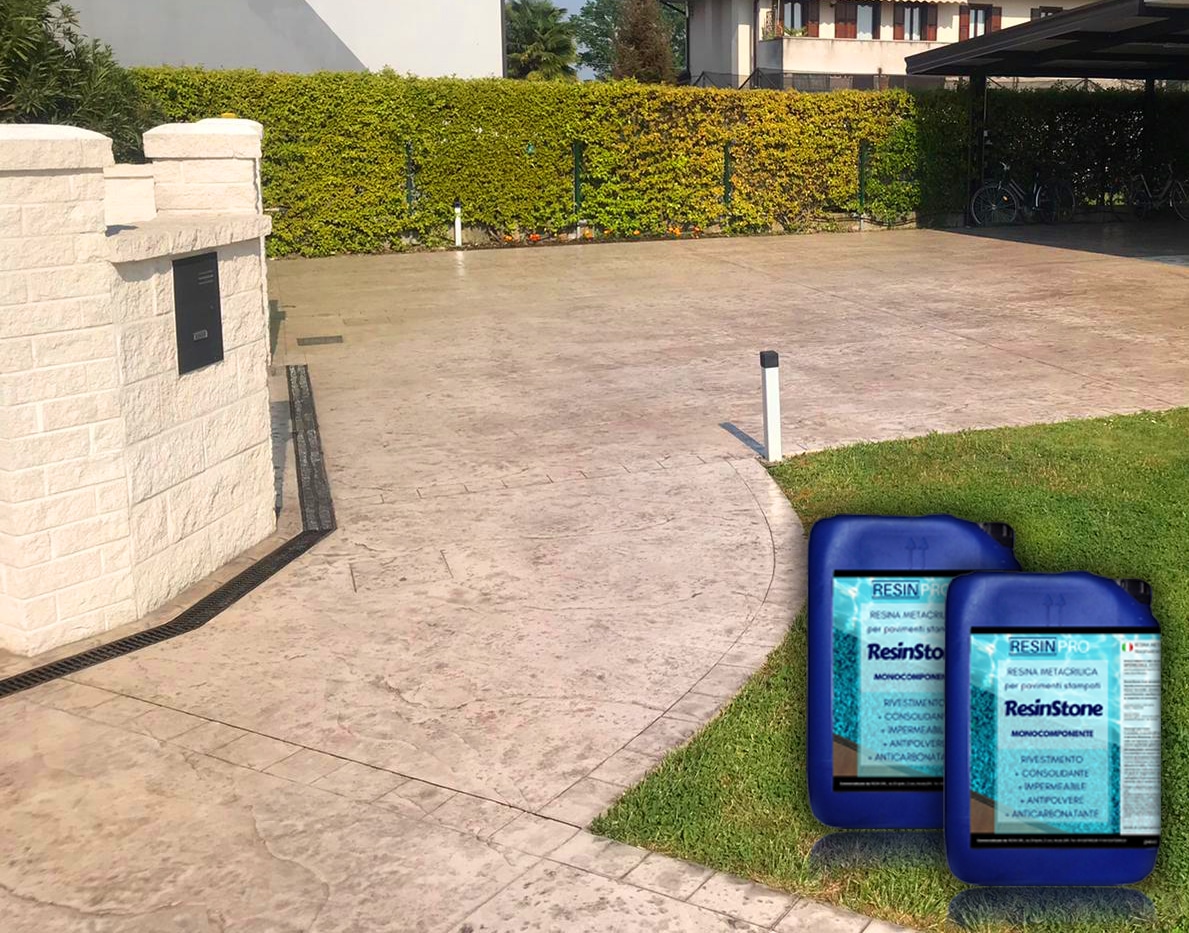
“Resinstone” – Methacrylic Resin for Concrete Floors and Driveways
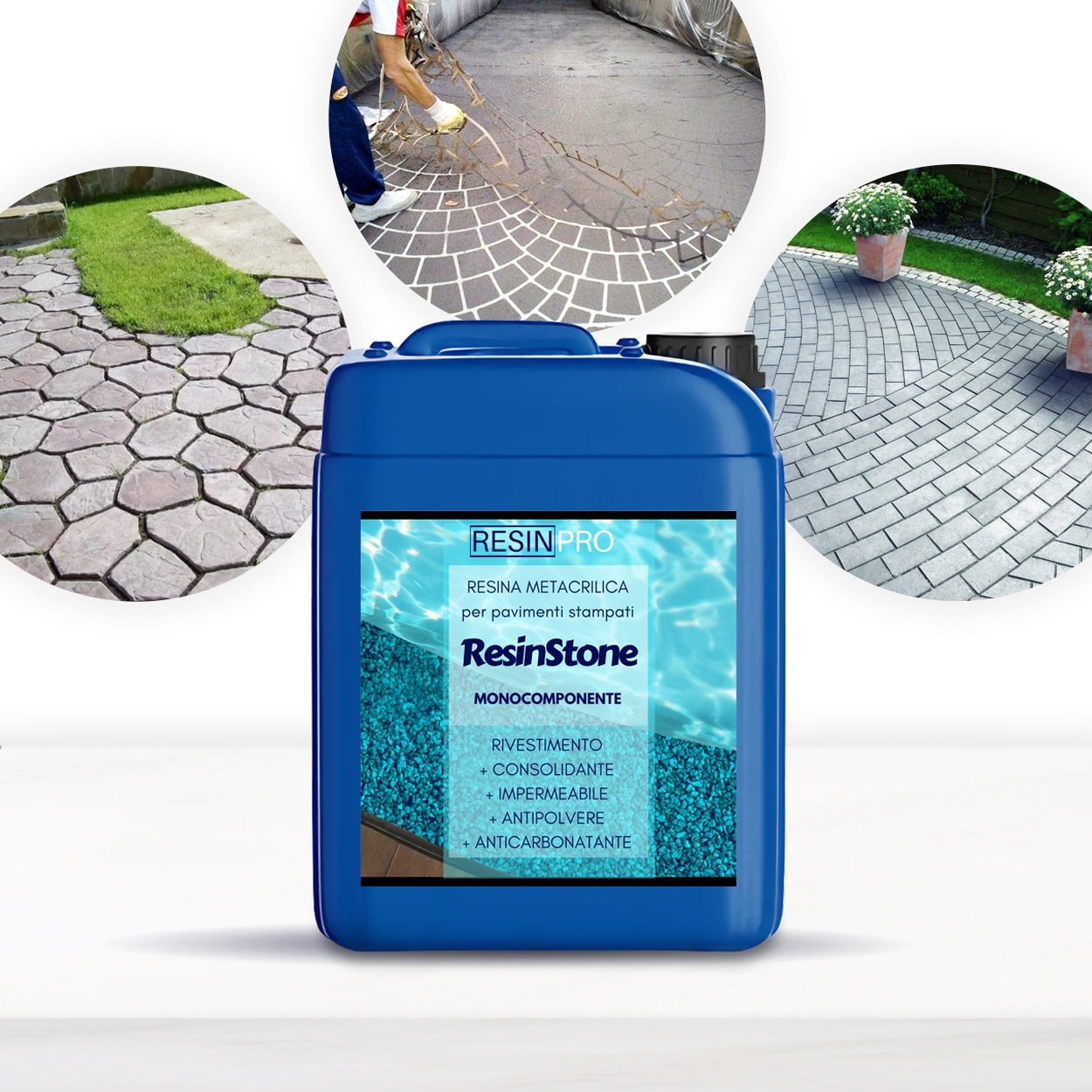
“Resinstone” – One-Component Methacrylic Resin for Concrete Floors and Driveways is designed to seal and protect concrete, offering superior mechanical resistance alongside waterproofing that remains breathable. The single-component formula is ideal for garages, patios, or driveways where quick application and drying are priorities—surfaces become usable within 12 hours. “Resinstone” delivers chemical, UV, and weather protection, making it effective for both private and commercial external spaces.
It is particularly beneficial for users seeking a simple yet effective solution for improving resistance on concrete floors, though it’s not designed as a binder for loose gravel or for those needing complex multi-layer systems.
Learn About Resinstone“Trasparente” – Epoxy Binder for Coloured Pebbles and Grits
When you want a hardwearing yet decorative finish, “Trasparente” – Epoxy Binder for Coloured Pebbles and Grits offers crystal-clear epoxy resin performance. This two-part system is perfect for permeable driveways, paths, and floors using coloured or dark stone aggregates. The binder provides UV resistance, non-yellowing clarity, and enhanced mechanical durability, making it suitable for both DIY installers and professionals working on outdoor pebble surfaces. It is non-toxic once cured and offers a vibrant, long-lasting appearance, ideal for visually striking flooring that also stands up to heavy use.
Easy to mix and quick to cure, “Trasparente” is not for direct use over existing loose gravel, but instead ensures full encapsulation and bond when aggregates are mixed in before application.
See Trasparente Binder Details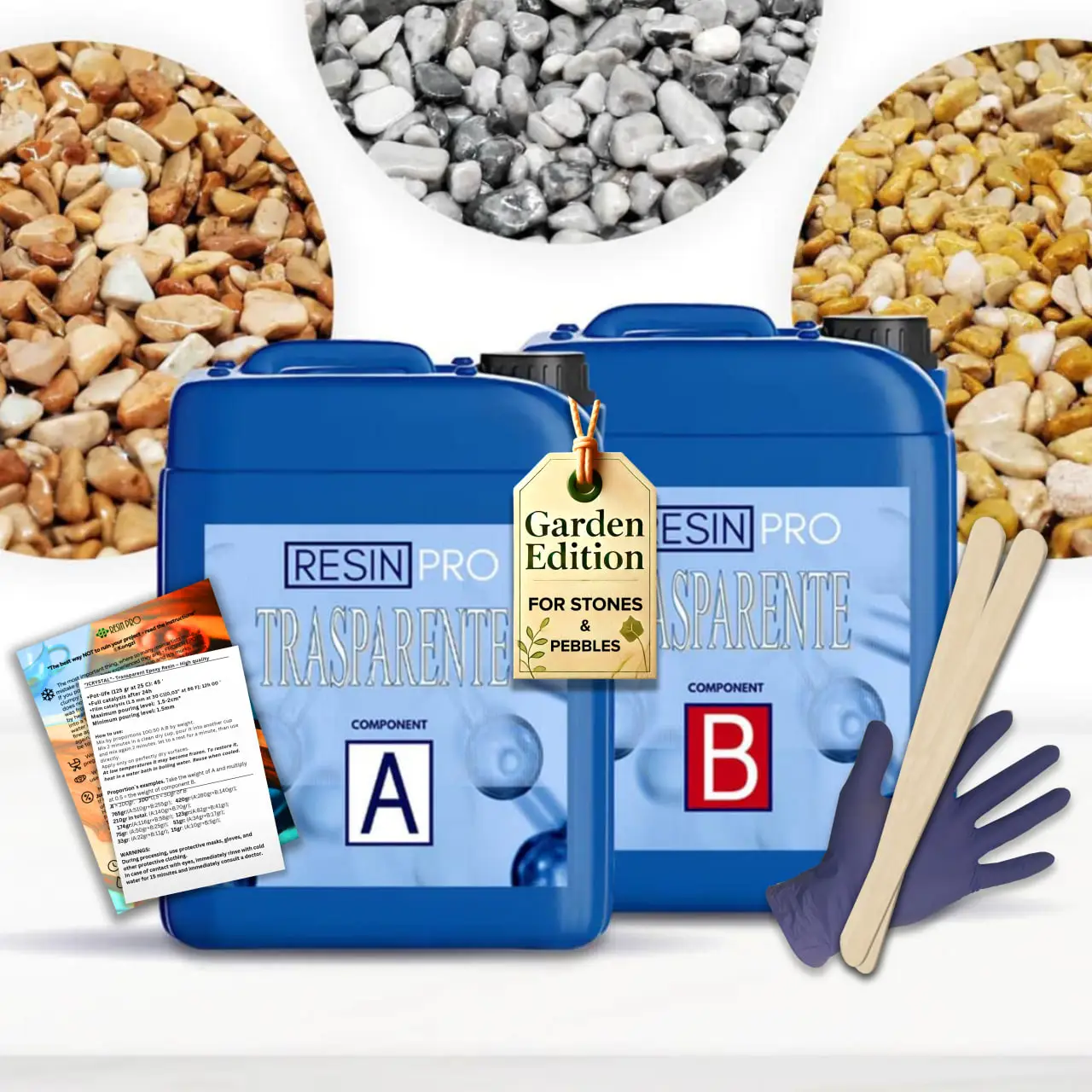

“Epoxyprimer” – Universal Water-Based Epoxy Floor Primer
Before applying any advanced floor coating, “Epoxyprimer” – Universal Water-Based Two-Component Epoxy Floor Primer ensures reliable adhesion and long-lasting durability. This eco-friendly, odourless primer is suitable for concrete, timber, tiles, and screeds, helping resin or epoxy systems bond strongly for greater overall resistance. It’s easy and versatile to use with a roller, brush, or spatula, making it perfect for professionals or skilled DIYers. Proper priming reduces risks of peeling or lifting, improving the protective capabilities of any subsequent floor coating layer.
While not intended as a standalone finish, this primer sets the foundation for best-in-class flooring protection, especially where substrate variety or indoor safety are key factors.
View Epoxyprimer SpecsChoosing the Right Floor Paint for Your Project
Pick coatings based on your floor’s typical usage, location, and material. For driveable surfaces or areas exposed to sun, polyurethane systems like Prolux deliver optimal UV and abrasion resistance. Indoors or on patios needing moisture control, a methacrylic such as Resinstone provides robust, breathable barriers. Decorative outdoor pebbled paths benefit from transparent binders like Trasparente, while a primer like Epoxyprimer is essential to maximise any coating’s adherence and durability. Consider ease of use, substrate type, and your experience level when making your selection—and always follow preparation guidelines for best results.
Surface Preparation and Longevity
Proper cleaning and priming are essential to maximise the performance of resistant floor paints. Using primers or ensuring dry, dust-free conditions before coating greatly improves adhesion and consistency, resulting in a finish that stands up to daily challenges and heavy use.
Frequently Asked Questions
What is the difference between primer and finishing floor coatings?
A primer like Epoxyprimer provides a bond to the substrate, while finishes such as Prolux, Resinstone or Trasparente offer resistance and surface durability.
How can I improve the UV and abrasion resistance of my floor?
Select floor paints specifically designed for UV and abrasion resistance, such as polyurethane or methacrylic resin systems, and always apply them over a suitable primer for best results.
Which coatings are recommended for garages, driveways, or patios?
Polyurethane and methacrylic coatings are ideal for driveways and garages; transparent epoxy binders suit decorative pebble paths and patios.
Can I apply floor coating products myself?
Many systems are DIY-friendly if you follow instructions carefully and ensure proper surface preparation, but two-component products require accuracy and experience.
How should I prepare my surface before applying resistance floor paints?
Ensure the area is dry, free of dust and contaminants, and use a compatible primer to maximise adhesion and coating durability.
What if the floor paint lifts or peels after application?
Poor surface preparation or skipping primer steps are common causes. Always follow prep guidelines for best results.
How do I choose between epoxy, methacrylic, or polyurethane systems?
Base your choice on substrate, exposure, desired finish, and specific use—refer to each product’s description for guidance.