 Free shipping on orders over £29,85
 Shipping Tracking!



 Google
 Facebook
Robust Mechanical Protection with Thin-Film Waterproofing Coatings
← Back to Thin-film waterproofing coating
Quick answer
Robust mechanical protection in a thin-film waterproofing coating is the ability of the cured film to resist abrasion, scratching, wear and light impact while keeping the substrate sealed against moisture. Two-component aliphatic polyurethane systems are engineered for driveable surfaces and high-traffic floors, offering resistance to UV, weathering and abrasion. One-component methacrylic resins can reinforce concrete through deep penetration, improving mechanical strength. Transparent epoxy coatings add scratch protection to decorative surfaces. The correct choice depends on substrate type, expected traffic and preparation quality.
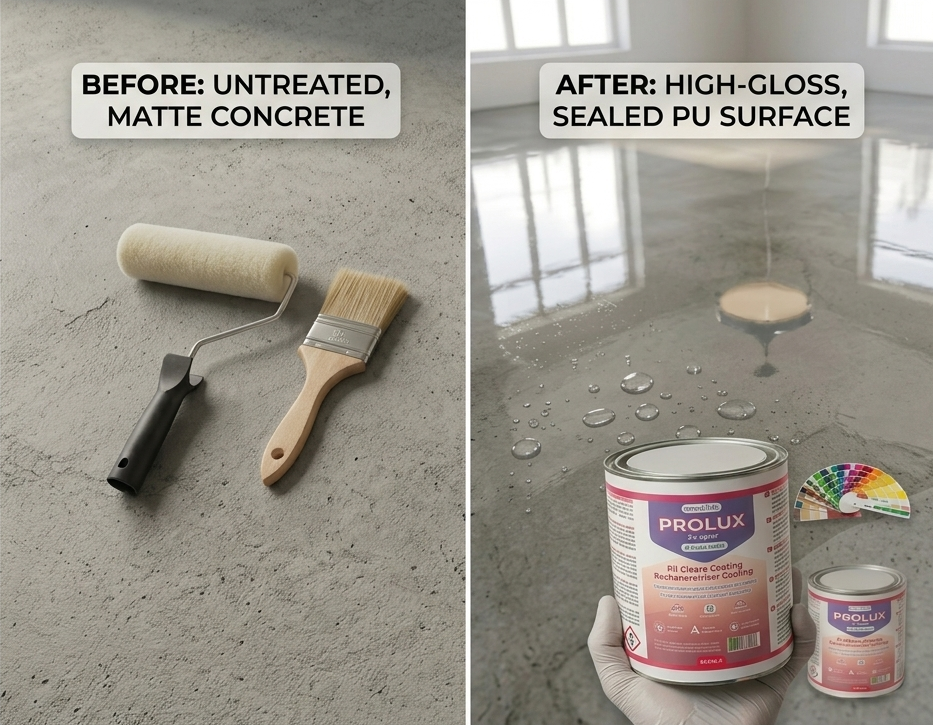
For floors, parking areas or workshops, mechanical protection is often the key reason to choose a thin-film coating over a simple sealer. The following sections explain what this type of protection covers, how resin chemistries compare, and the preparation steps that support long-term wear resistance.
What mechanical protection covers
Mechanical protection is not a single property. In a thin-film coating it typically covers abrasion resistance, scratch resistance, impact tolerance and resistance to surface wear from foot or vehicle traffic. A coating with high abrasion resistance will keep its appearance and waterproofing function for longer on floors, driveways and warehouses.
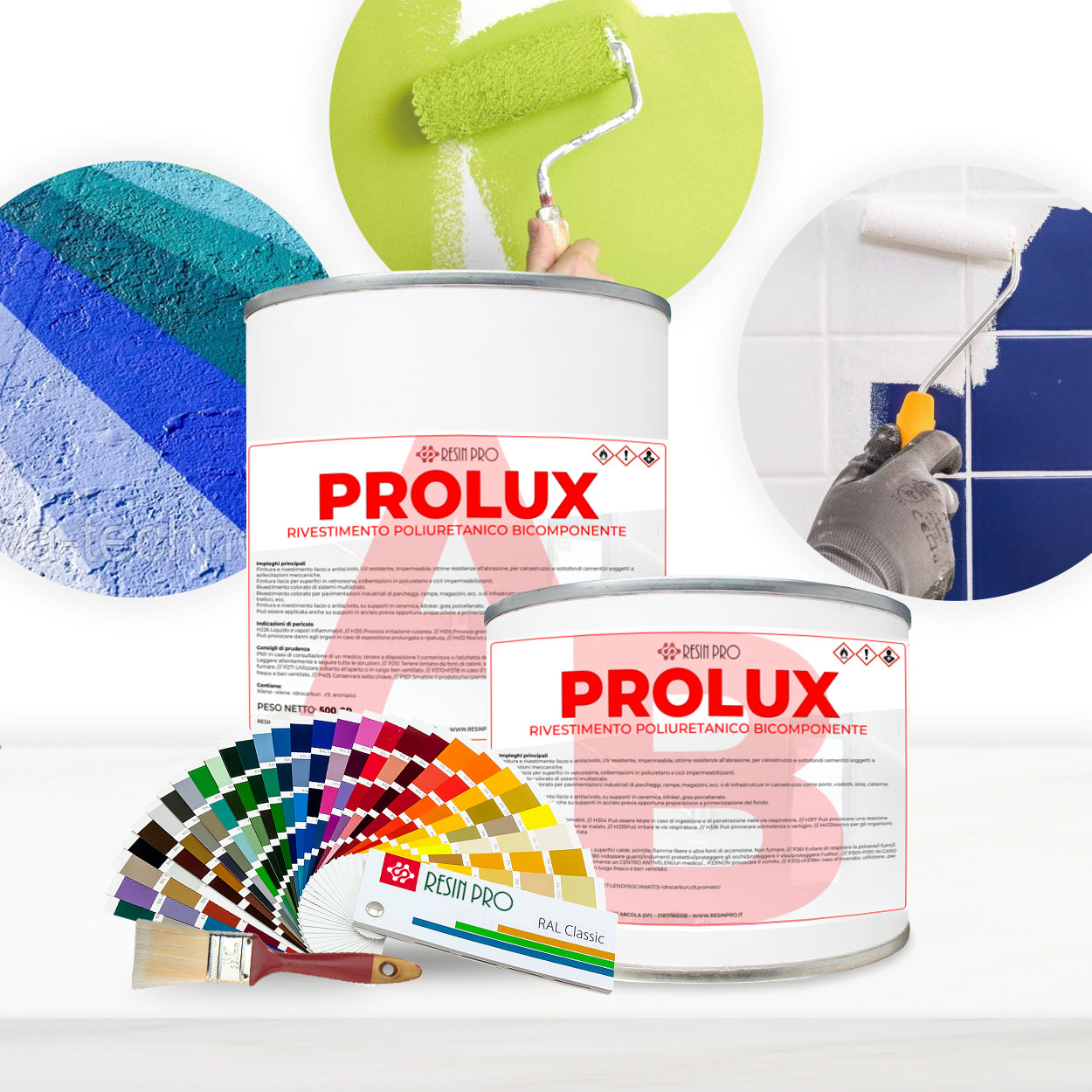
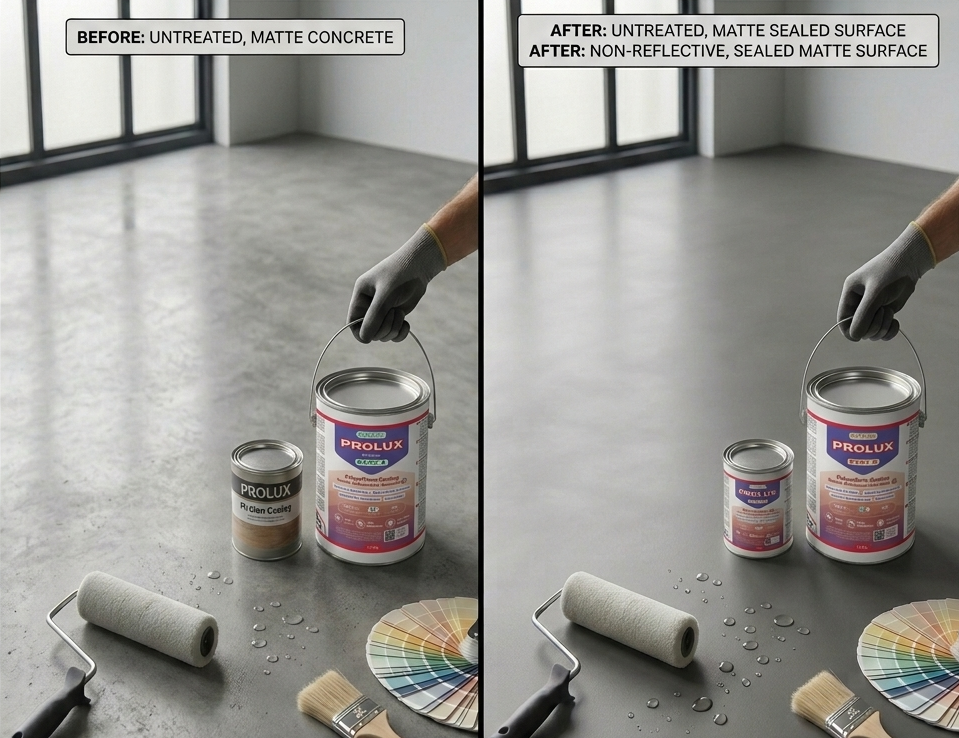
Polyurethane and methacrylic formulations are commonly specified for this reason. A product such as Prolux PU coating is designed for concrete, fibreglass, ceramic, plastic and properly prepared steel, and is suitable for driveable surfaces where repeated tyre movement is expected.
Matching resin type to the surface and traffic
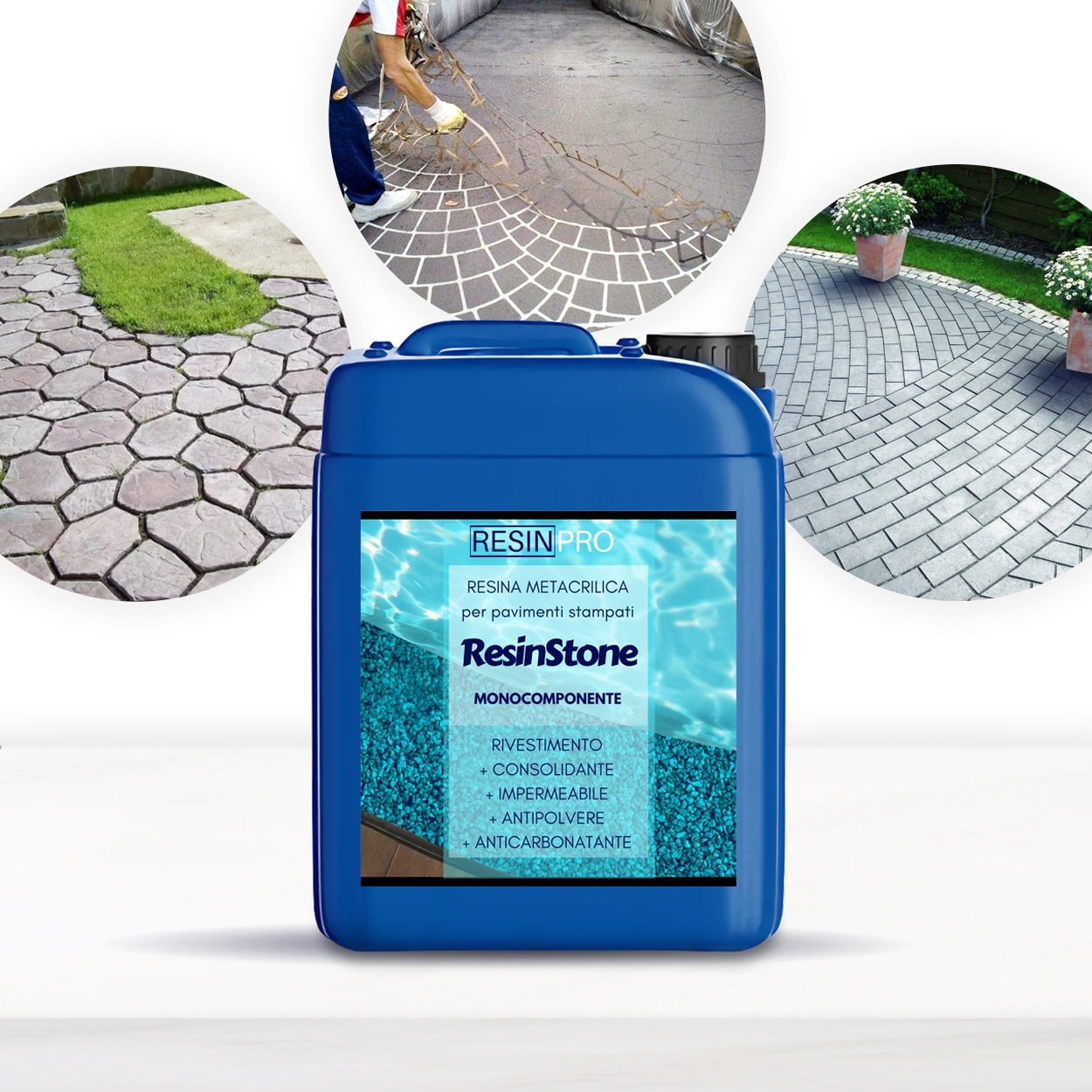
Different resin chemistries offer different mechanical benefits. A two-component aliphatic polyurethane provides a tough, UV-resistant film that suits external parking areas, workshops and damp high-traffic zones. A one-component methacrylic resin such as Resinstone penetrates concrete deeply, sealing pores and improving mechanical strength while remaining breathable.
For decorative or furniture surfaces, a transparent epoxy like Icrystal can offer good scratch resistance and a clear finish, but expected wear and layer thickness should always be considered.
Practical points for long-term mechanical strength
Even a high-performance coating will underperform if the substrate is not prepared or the mixing is not correct. Two-component systems such as Prolux are mixed in a 2:1 ratio and require clean, dry, properly prepared surfaces. One-component methacrylic resins also rely on a sound, absorbent substrate to penetrate and bond effectively.
- Remove dust, grease and loose material before application.
- Follow the manufacturer’s mixing ratio and working time.
- Apply the recommended number of coats for the expected traffic level.
- Allow full curing before permitting foot or vehicle access.

Related products
Related guides
Choosing a thin-film waterproofing coating with the right mechanical protection can extend the life of a floor or surface and reduce early repair work. For high-traffic and driveable areas, a polyurethane system is often the most direct route, while concrete-specific methacrylic and clear epoxy options cover other scenarios. If you are comparing products, focus on abrasion and weather resistance alongside the preparation requirements for your substrate. See our main guide to thin-film waterproofing coatings for more.