 Free shipping on orders over £29,85
 Shipping Tracking!



 Google
 Facebook
How Often Should I Check My Van Roof for Damage?
← Back to Simple van roof maintenance
Quick answer
A van roof damage check is a scheduled visual inspection that identifies cracks, rust, leaks or failed seals before they worsen. Checking at least every six months, and after periods of severe weather, helps catch surface faults while repairs are still straightforward. Regular checks support a drier load area and can reduce the need for more extensive restoration work. Early detection is particularly useful where roof surfaces are exposed to sun, rain and road debris.
Many van owners only notice the roof when water appears in the load area. A twice-yearly look at the top surface, seams and fixings helps you stay ahead of minor deterioration and keeps repairs smaller.
What to look for during a routine check
During a six-month check, work through the roof systematically and note anything that looks different from the previous inspection.
- Seams and seals: look for lifting, cracking or gaps around roof vents, fixings and edge trims.
- Surface condition: check for scratches, chips, dents, rust spots or areas where the paint has worn through.
- Standing water or debris: clear leaf build-up and check for soft spots or water pooling that can hide early corrosion.
After severe weather, repeat the same pass sooner, paying particular attention to any new impact marks from debris or loose fixings.
When a six-month check matters most
A twice-yearly inspection suits most vans in normal use because it balances effort with early detection. The rhythm matters more if the vehicle is parked near trees, used on coastal routes, or regularly exposed to heavy rain, mud or road salt.
After storms, high winds or hail, check sooner rather than waiting for the next scheduled interval. The aim is to catch damage while it is still limited to the outer surface, rather than allowing water to reach seams or internal panels.
What to do when you find early damage
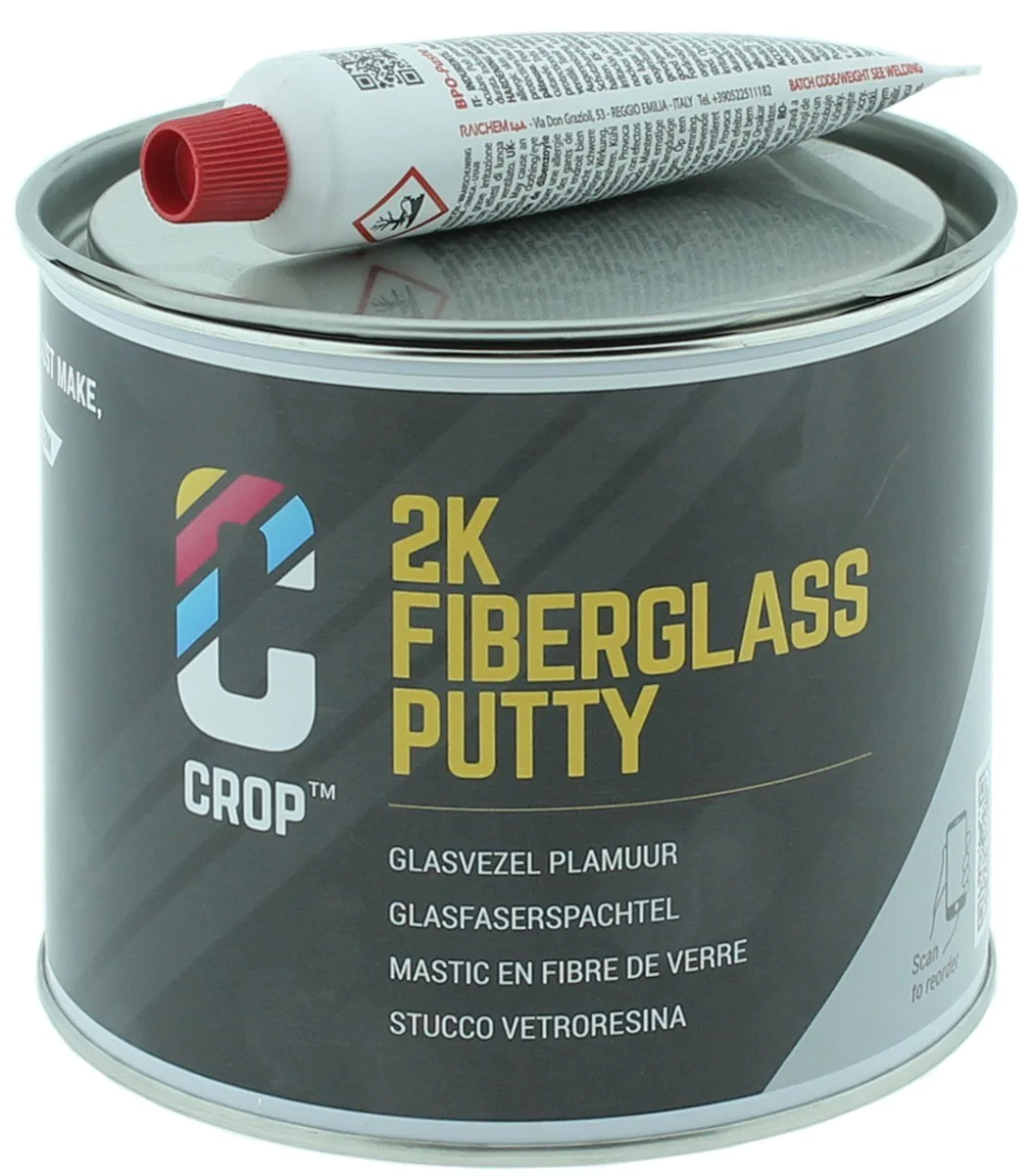
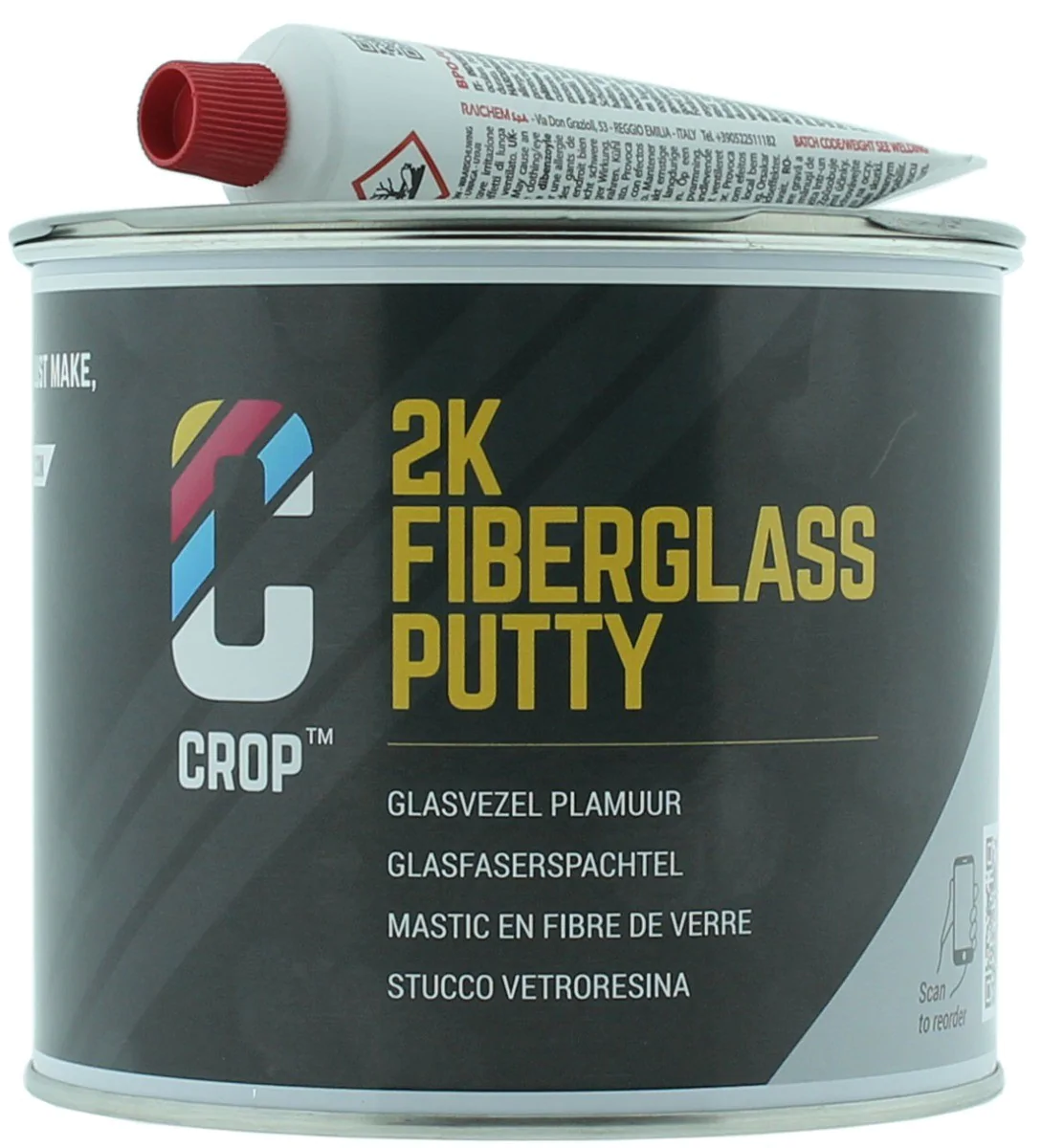
Small cracks, dents and deep scores can be addressed before moisture gets into the substrate. A fibreglass reinforced filler such as CROP 2K Fiberglass Putty – 750 ml + Hardener can be used to fill visible damage on compatible metal, aluminium, fibreglass and painted surfaces.
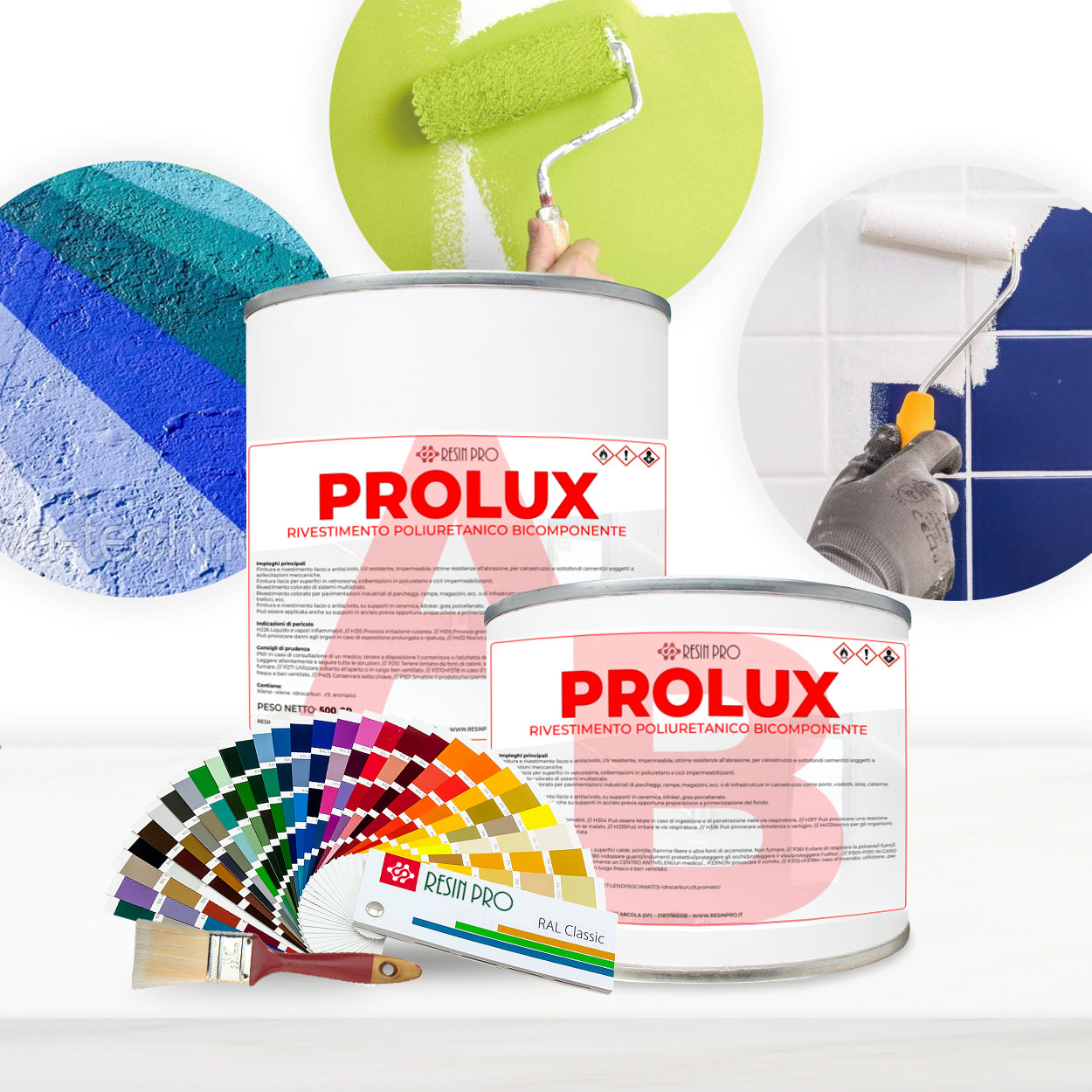
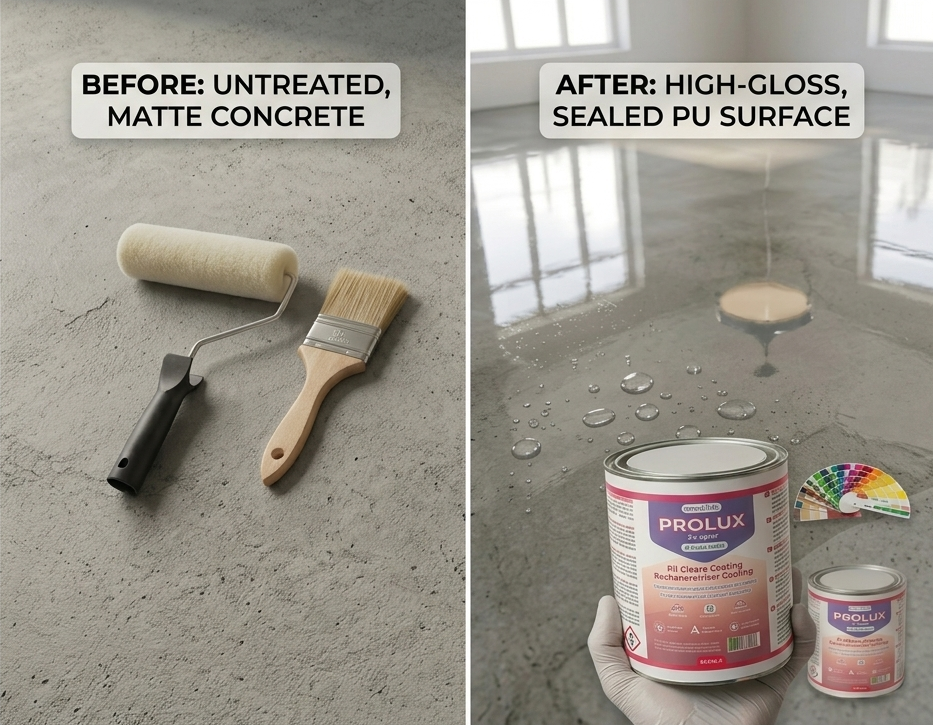
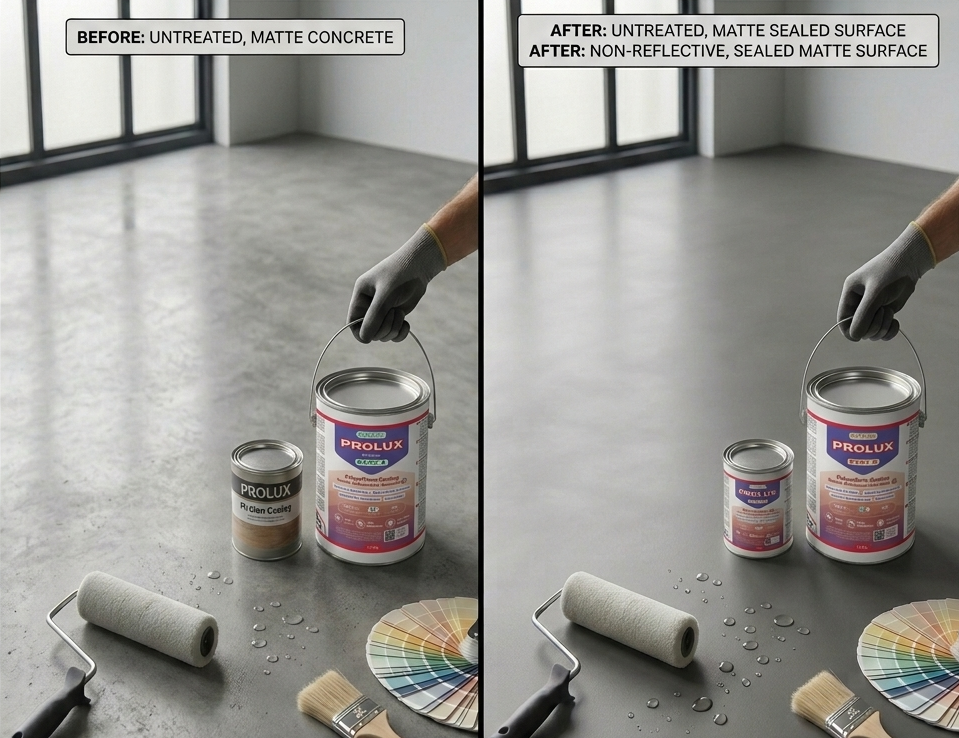
Once repairs are stable, a protective PU coating may help create a weather-resistant finish where the roof substrate is suitable. Always check the manufacturer’s guidance for preparation and compatibility before applying any repair or coating system.
Related products
Related guides
Keeping to this six-month rhythm makes the wider simple van roof maintenance routine easier to manage. If a routine check reveals damage, dealing with it before water gets beneath the surface is usually more straightforward than repairing widespread corrosion or leaks later.