 Free shipping on orders over £29,85
 Shipping Tracking!



 Google
 Facebook
Are Waterproofing Resins and Fibreglass Safe to Use in Campers?
← Back to Camper Waterproofing Services
Quick answer
Resin and fibreglass waterproofing products are safe for use in campers when handled correctly. The practical safety baseline is simple: wear gloves during mixing and application, keep fresh air moving through the space, and follow the curing instructions supplied with each product. Once fully cured, these systems form hard, waterproof finishes for common camper repair areas. Correct handling during the liquid or uncured stage is what keeps indoor applications low risk.

Working inside a camper changes how you approach resin work. Compact spaces call for a little more planning around air movement and surface protection, but the core safety steps remain straightforward. With the right product choice and a clear curing plan, you can tackle leaks and reinforcement jobs without turning the van into a workshop hazard.
Handling resins and fibreglass safely in a camper
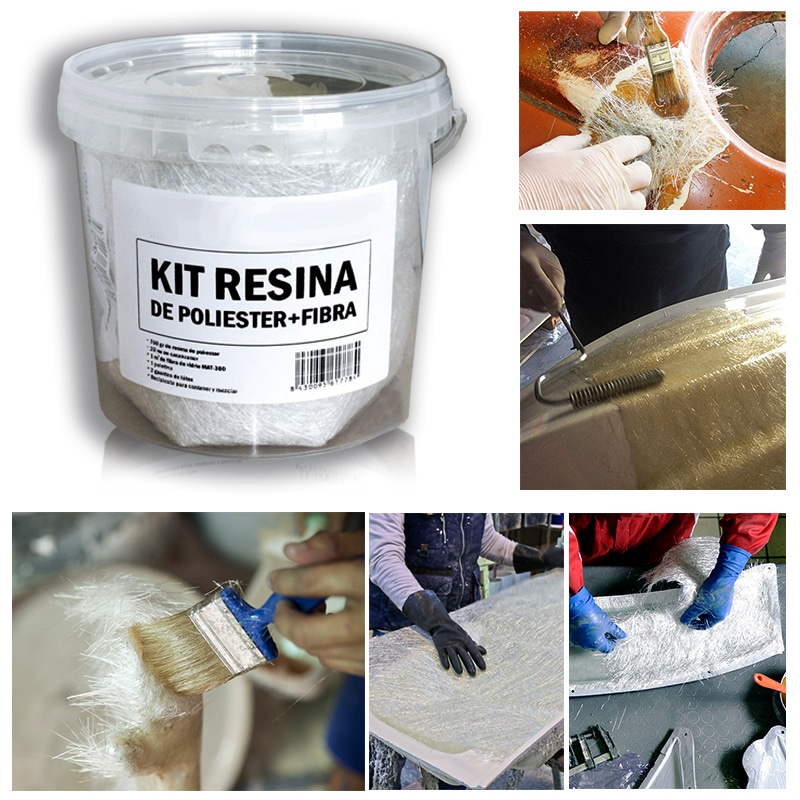
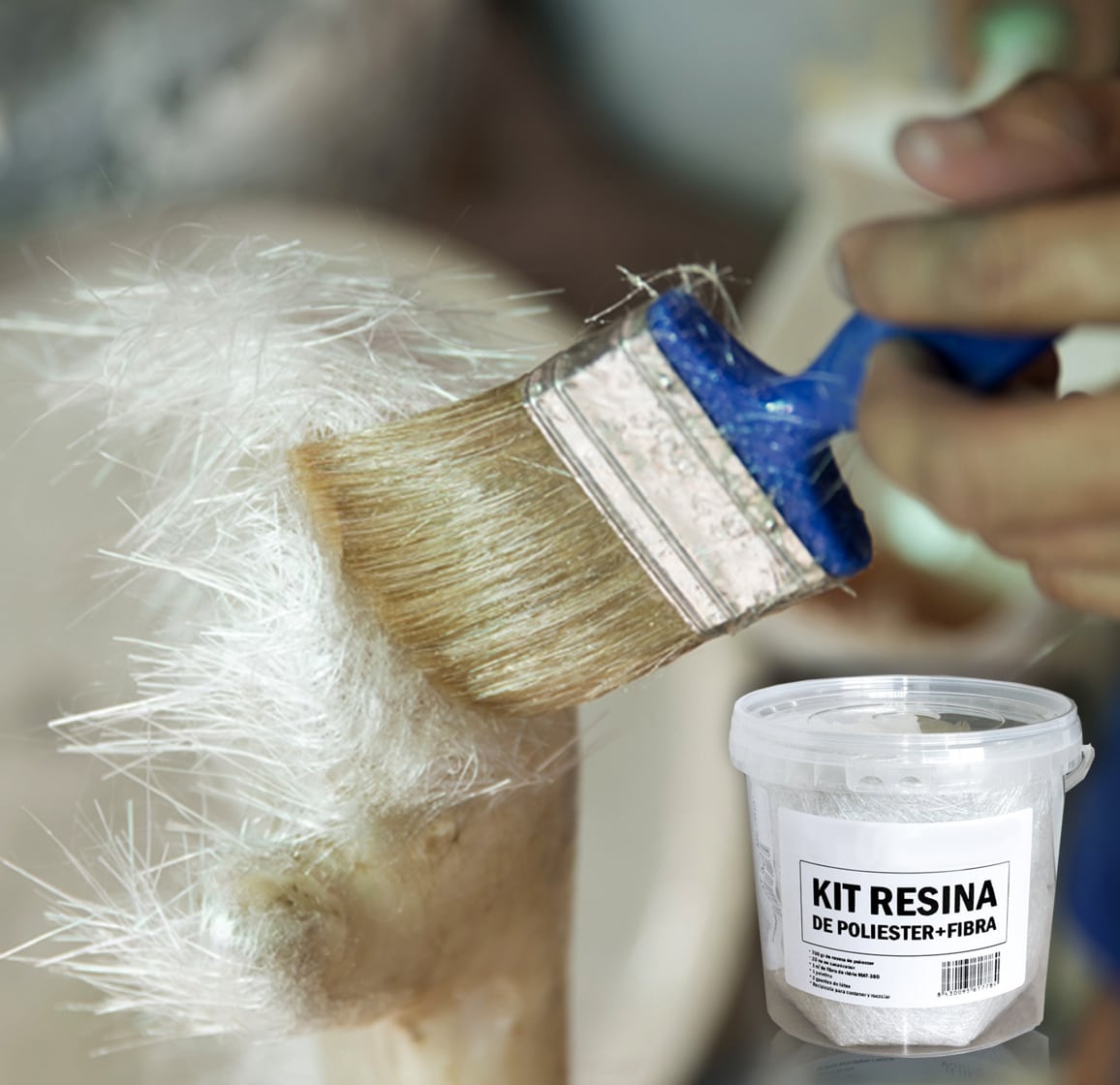
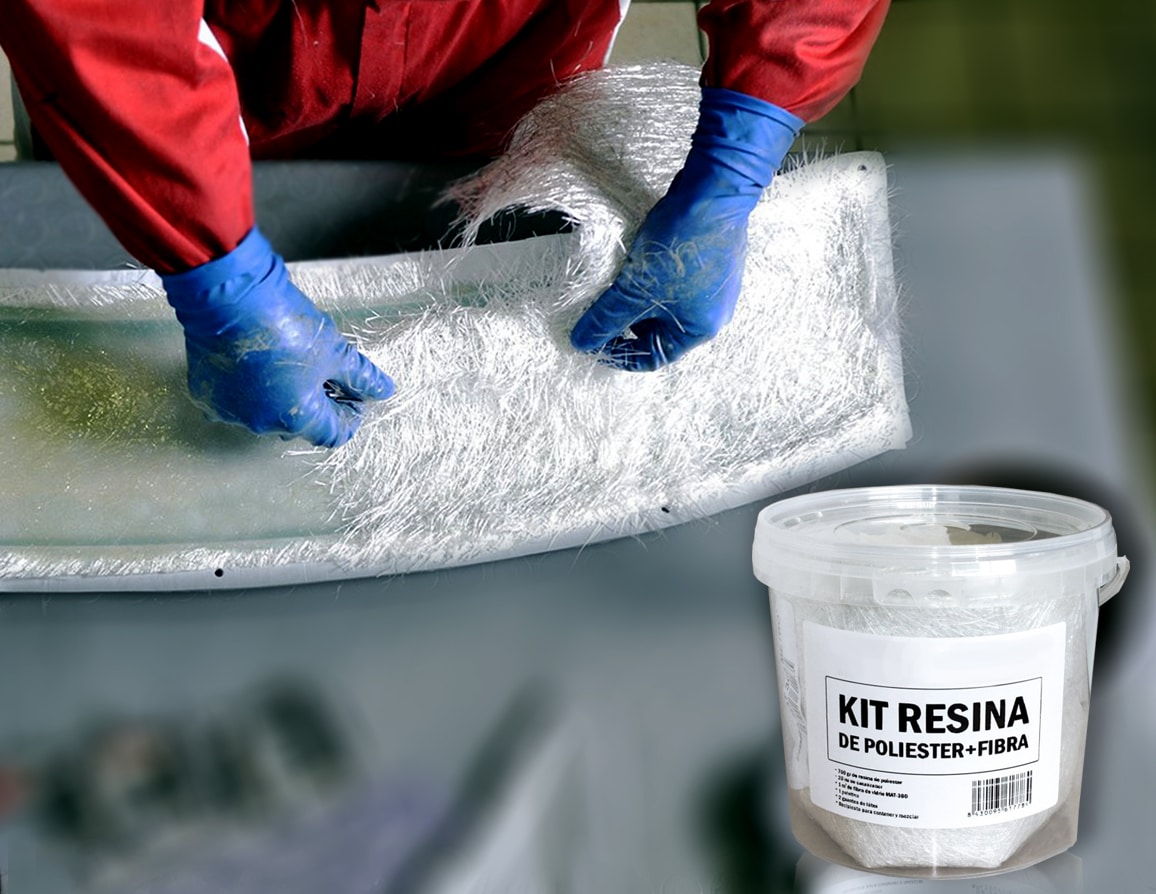
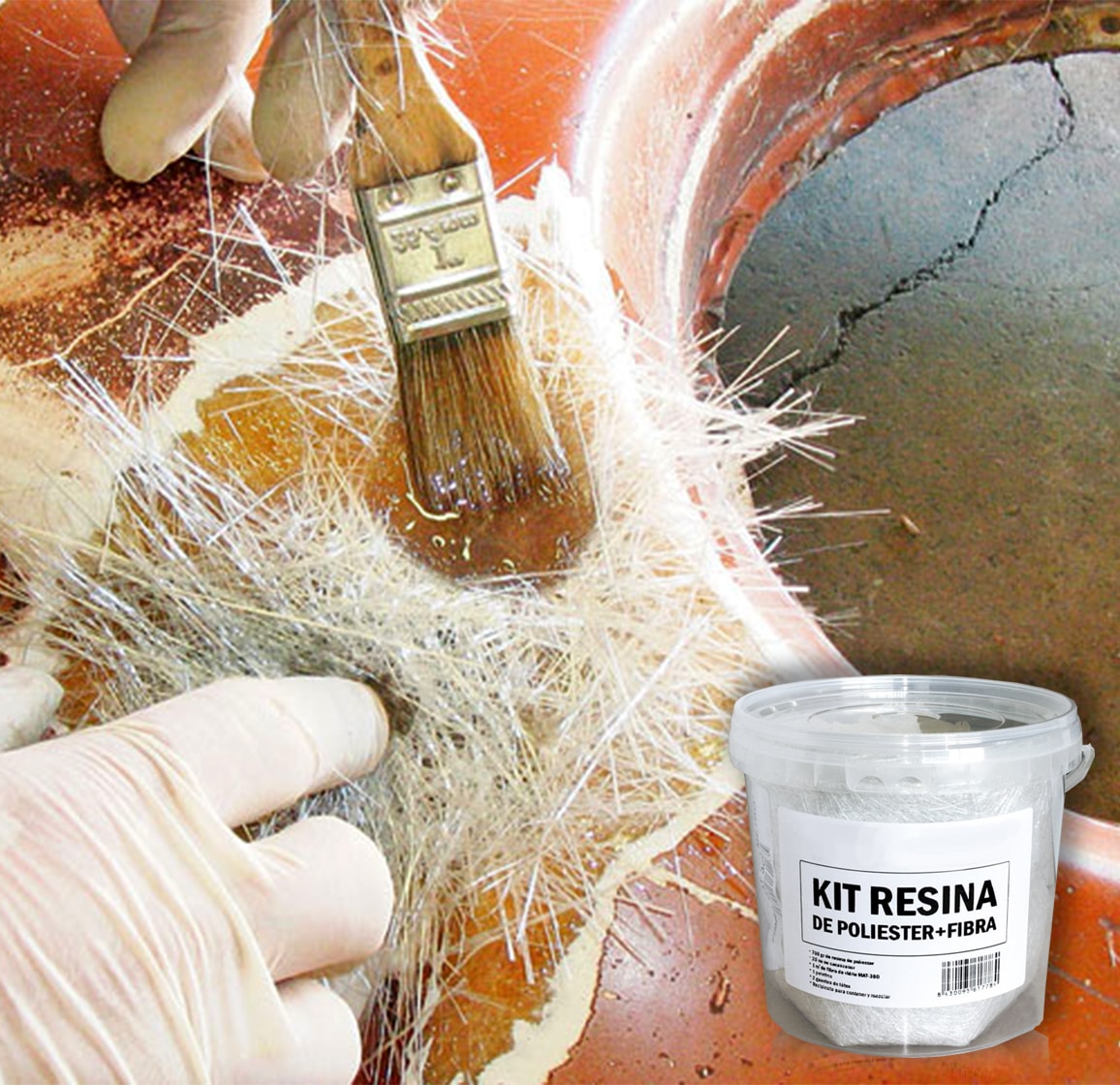
Most camper waterproofing systems are supplied as two-part products that need careful mixing. Before starting, put on the gloves provided or a suitable alternative, and clear the immediate work area. The Resin Fibreglass Repair Kit includes gloves, a brush and a mixing container, which helps keep the process tidy when space is tight.
Keep resin, hardener and mixing tools away from seating and sleeping areas. Wipe up spills promptly while the material is still workable, and avoid skin contact with uncured resin or hardener.
Ventilation and curing in an enclosed space
Good airflow matters most during mixing and the early curing phase. Open roof vents, windows or doors where practical, and consider doing the mixing outside the camper if the weather allows. The aim is to move fresh air through the area rather than letting vapours settle.
- Work with at least one opening opposite another to create cross-ventilation.
- Keep the camper ventilated for as long as the product instructions recommend.
- Allow the repair to reach full cure before closing up or using the space normally.
When this matters most
Enclosed camper interiors magnify any handling mistakes, so these precautions are especially useful for emergency repairs done at a campsite or in a driveway with limited access to open air. They also matter when you are working overhead or close to sleeping areas, where spills and drips are harder to manage.
- Cold or damp conditions can slow curing, so allow extra time as directed.
- Small repairs generally need less product and produce less vapour.
- If the job is large, break it into stages to keep ventilation manageable.
Related products
Related guides
Used with care, resins and fibreglass products are a practical part of camper waterproofing maintenance. Choosing a system matched to the surface, working methodically and respecting the supplied curing guidance means you can get a durable result while keeping the interior environment as controlled as possible.