 Free shipping on orders over £29,85
 Shipping Tracking!



 Google
 Facebook
Selecting Mastics Like Magelstick for Strong Stone and Cement Repairs
← Back to Elastomeric Roof Membrane
Quick answer
Magelstick epoxy mastic is a bi-component epoxy putty used where strong mechanical repairs are needed on stone, metal and cement surfaces. The thixotropic formula holds its shape on vertical joints and gaps without sagging, and the cured material offers UV and weather resistance for interior and exterior work. With minimal shrinkage and a 100:50 mixing ratio, it is suited to professional-grade bonding, grouting and restoration where long-term mechanical strength matters.
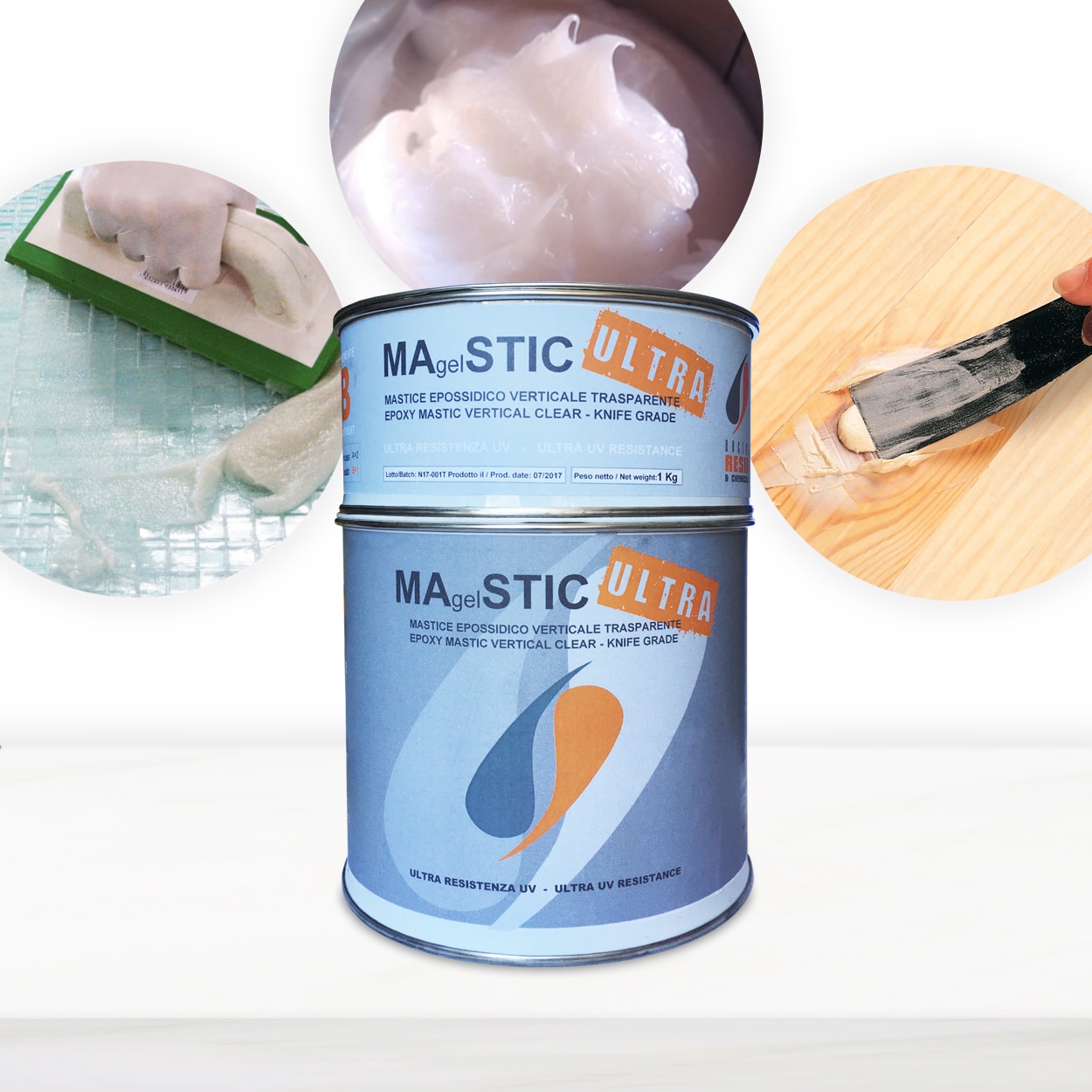
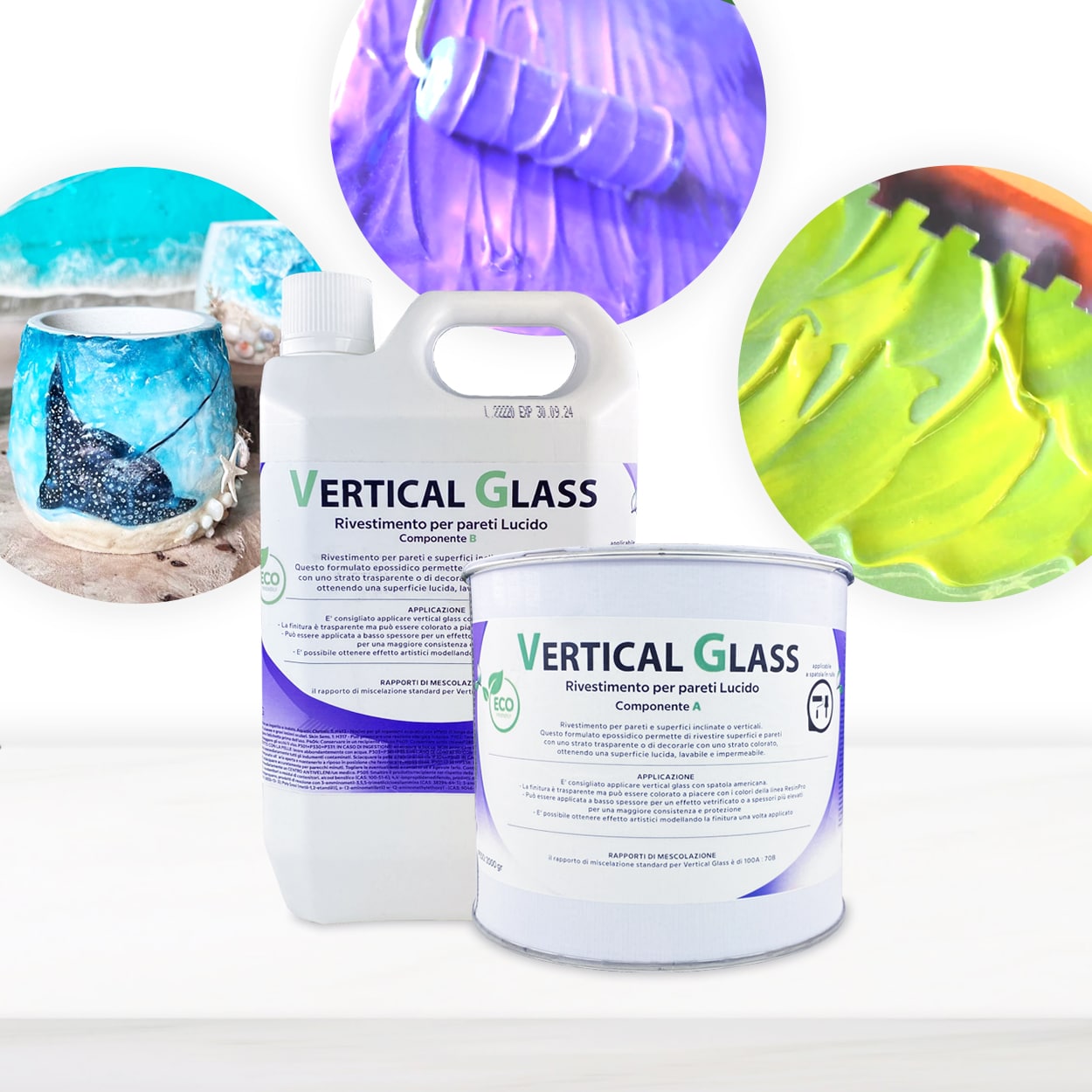
For stone and cement repairs that need to carry load or resist the elements, standard fillers are often not enough. Choosing a structural mastic with the right working properties — such as a thixotropic body and low shrinkage — makes the difference between a patch that lasts and one that fails. Magelstick Epoxy Mastic is one option designed for this type of work, and it can be prepared in small batches once the mixing ratio is understood.
What to look for in a mechanical repair mastic
Epoxy mastics differ from ordinary fillers because they are formulated to bear mechanical stress after curing. For stone and cement, the key properties include high bond strength, low shrinkage and the ability to hold a shape in vertical joints. A thixotropic consistency prevents the product from slumping while it is worked, which is particularly useful for grouting and rebuilding edges.
Magelstick Epoxy Mastic is a two-component system mixed at a 100:50 ratio. It is designed for natural and artificial stone, metal and cement, and can be used in both interior and exterior settings. The cured material offers UV and weather resistance, though application should be carried out above 10°C for the most reliable result.
Choosing between mastics and other repair products
Mastics are usually the better option when a repair must resist movement, vibration or outdoor exposure. A standard polyester filler or thin resin may be easier to spread, but it often lacks the structural strength needed for load-bearing or edge repairs.
- Stone and cement bonding: Choose an epoxy mastic with minimal shrinkage to avoid cracks forming after cure.
- Vertical surfaces: A thixotropic product will stay where it is placed without sagging.
- Exterior use: Look for UV and weather resistance if the repair will be exposed to the elements.
When this matters
Choosing the correct mastic becomes especially important when a repair is not purely cosmetic. Cracked stone steps, chipped cement edges, or joints around masonry that carry weight can fail quickly if a weak filler is used. In these situations, a high-strength epoxy mastic helps the repair remain stable over time, reducing the risk of water ingress or further damage.

Related products
Related guides
For projects where an elastomeric roof membrane is being installed or maintained, localised stone and cement repairs often need to be addressed before the main membrane work. A durable mastic such as Magelstick can help restore the substrate, supporting a more consistent surface for the wider elastomeric system.