 Free shipping on orders over £29,85
 Shipping Tracking!



 Google
 Facebook
Smooth, Bubble-Free Impregnation of Technical Fabrics
← Back to Waterproofing for Caravan Roofs
Quick answer
A smooth, bubble-free impregnation of technical fabrics is achieved by selecting a low-viscosity resin that wets the fibre bundles evenly and allows trapped air to escape before gel time begins. Epoxy systems formulated for carbon fibre and fibreglass typically offer the controlled flow and working time needed for this finish. The result is a denser, more uniform laminate with fewer voids, higher mechanical resistance and a cleaner surface.

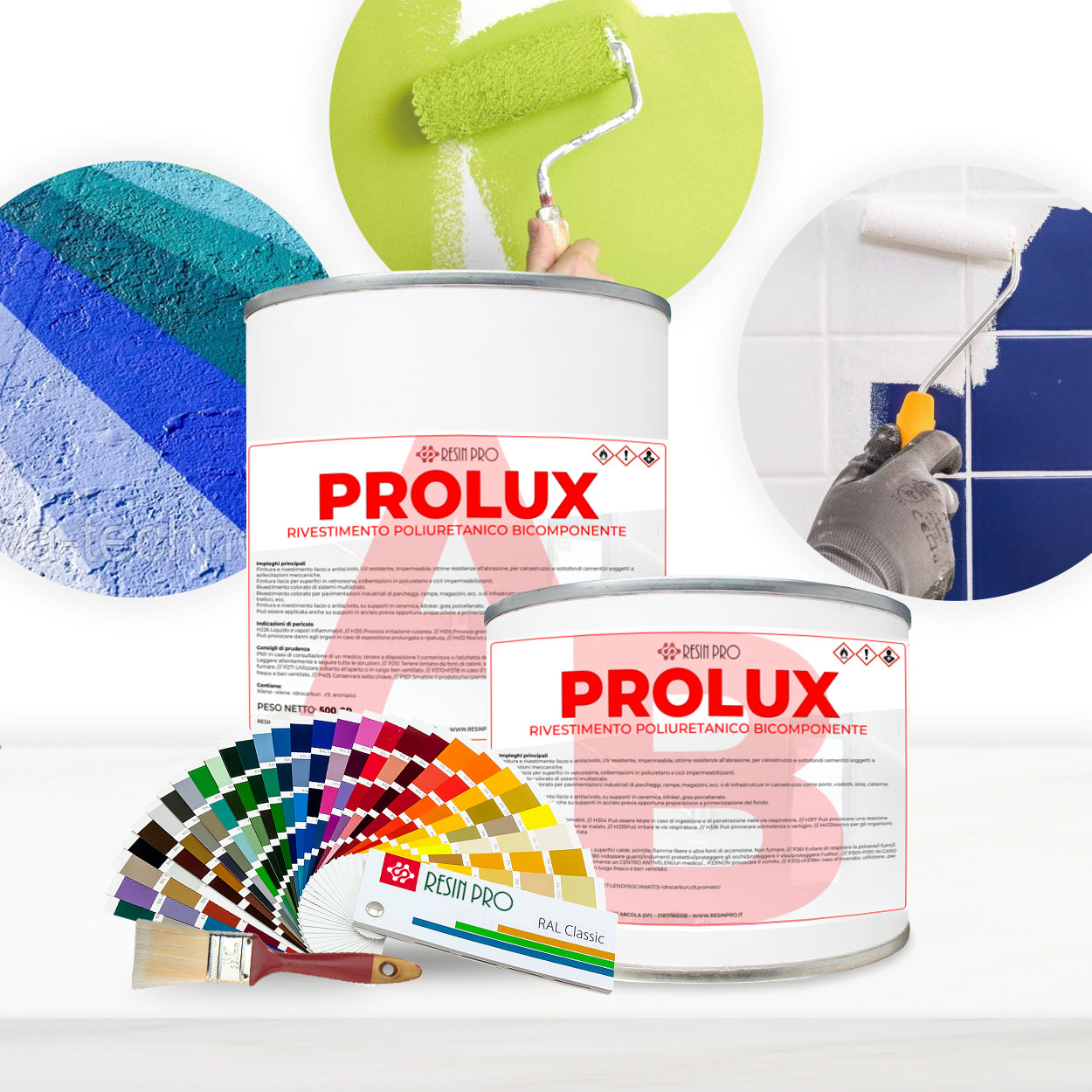
Getting a clean result is usually more about preparation and resin selection than aggressive rolling. A resin with the right viscosity, such as Carbon Resin, can wet the fabric more consistently, which helps reduce trapped air pockets before the material starts to cure.
Why bubble-free impregnation matters
Voids and trapped air in a technical fabric laminate can reduce the load-bearing area and create weak points that may not be visible until the part is stressed. For outdoor or roof applications, those voids can also become pathways for moisture, which may lead to delamination or localised damage over time.
A well-impregnated fabric also produces a more uniform surface. This matters both for appearance and for any subsequent coating or waterproofing layer applied over the laminate.
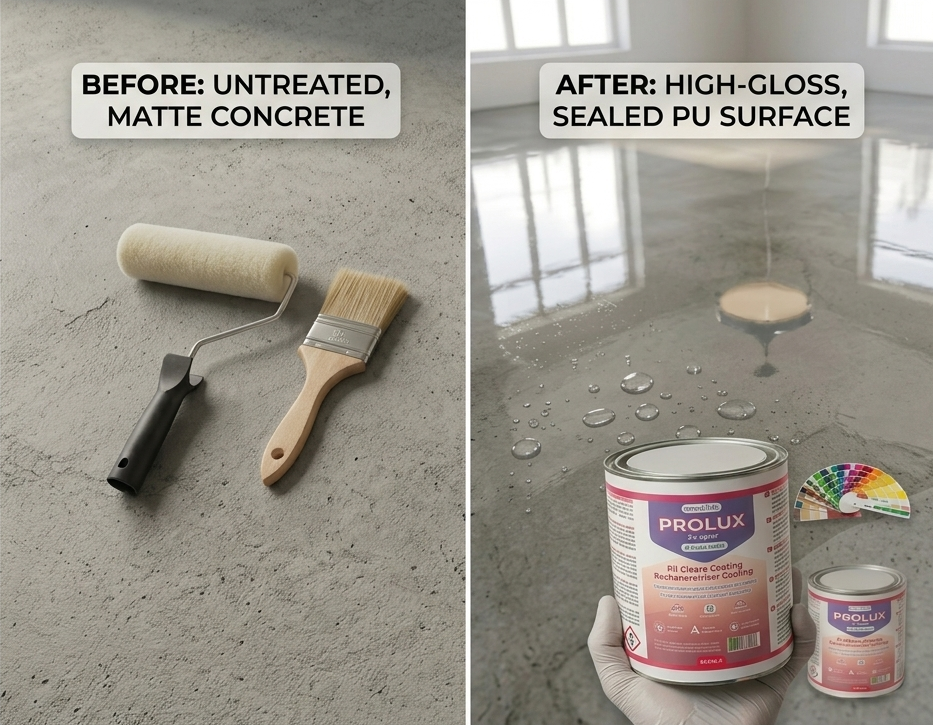
Practical steps for smooth, bubble-free results
Good impregnation starts before the resin is mixed. The fabric should be clean, dry and positioned without creases, and the resin should be measured and mixed according to the instructions for the specific system.
- Apply a thin initial coat to the surface or fabric to help the resin grip the fibres before the main saturation.
- Work the resin through the cloth with a roller, brush or squeegee using steady, even pressure.
- Let the material rest briefly so trapped air can rise and escape while the resin is still workable.
- Avoid overworking the laminate, as constant brushing can fold air back into the wet fabric.
Room-temperature curing systems with a suitable working time generally make this easier, particularly for larger or more detailed sections.
Resin choice for technical fabrics
Epoxy resins formulated for carbon fibre and fibreglass are often selected when a smoother finish and better fibre wet-out are priorities. The lower viscosity helps the resin flow around individual strands, which reduces the chance of bubbles and produces a denser laminate.
Polyester resin is commonly used for quicker fibreglass repairs, including technical fabric applications, where fast curing and a waterproof bond are more important. It can still be effective, but the working time and wet-out characteristics are different from a dedicated laminating epoxy.

Related products
Related guides
In caravan roof waterproofing, a well-impregnated fibreglass or carbon layer contributes to a stronger, more stable base for subsequent coatings and seals. The same focus on fibre wet-out and void reduction helps prevent the small defects that can become bigger water ingress problems. For more on roof sealing and coating choices, see waterproofing for caravan roofs.