 Free shipping on orders over £29,85
 Shipping Tracking!



 Google
 Facebook
Strong surface bonding prevents leaks on composites, metals, and more
← Back to Waterproofing sealant for camping trailers
Quick answer
Strong surface bonding is created when a repair resin or epoxy system forms a continuous, waterproof connection across materials such as fibreglass, metal, wood, porcelain, polyester and rigid plastics. On a camping trailer, this type of bond stops water from travelling through joints, cracks and material transitions. The result is a more stable surface that resists vibration, temperature shifts and repeated damp exposure without the seal failing at the edges.

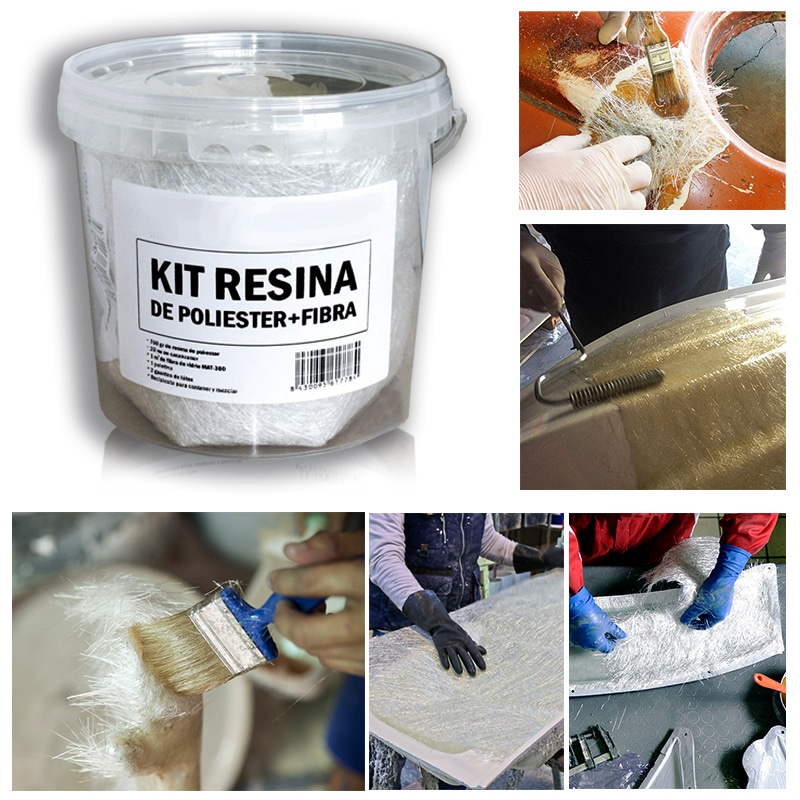
A leak rarely starts in the middle of a panel. It usually develops where two materials meet, where a fixing has moved, or where a previous repair has lifted. Choosing a resin that bonds strongly to the surrounding substrate is therefore just as important as the waterproofing itself.
Why surface preparation controls the repair
Even a strong adhesive cannot compensate for a dusty, greasy or unstable surface. For fibreglass and metal trailer panels, remove loose material and lightly abrade glossy areas so the resin can key into the surface. Porous materials like wood should be clean and dry before sealing.
- Wipe surfaces with a suitable solvent cleaner and allow them to dry fully.
- Lightly sand around the repair area to create mechanical grip.
- Remove residue and dust before mixing any resin or epoxy.
Choosing the right product for different materials
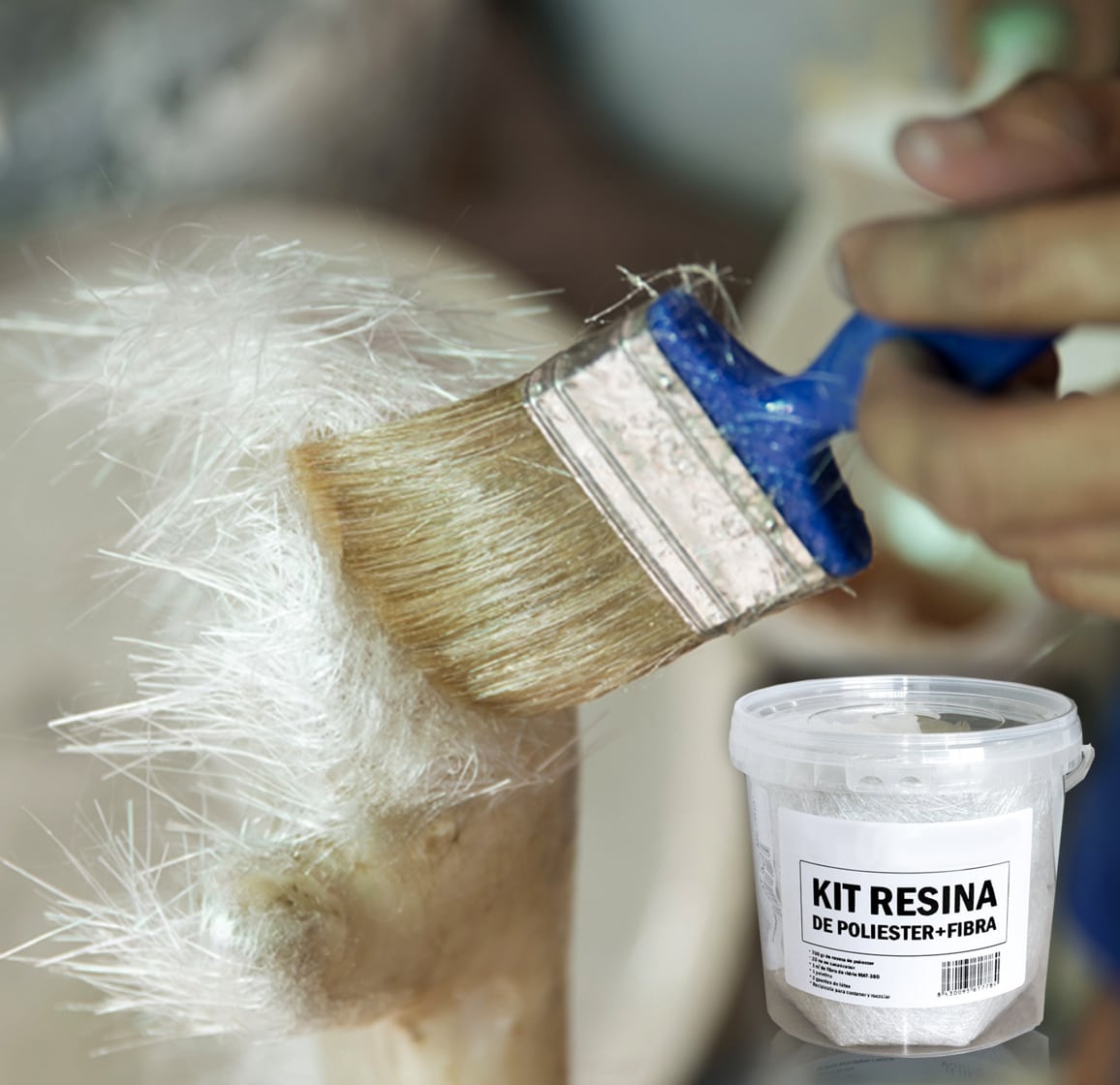
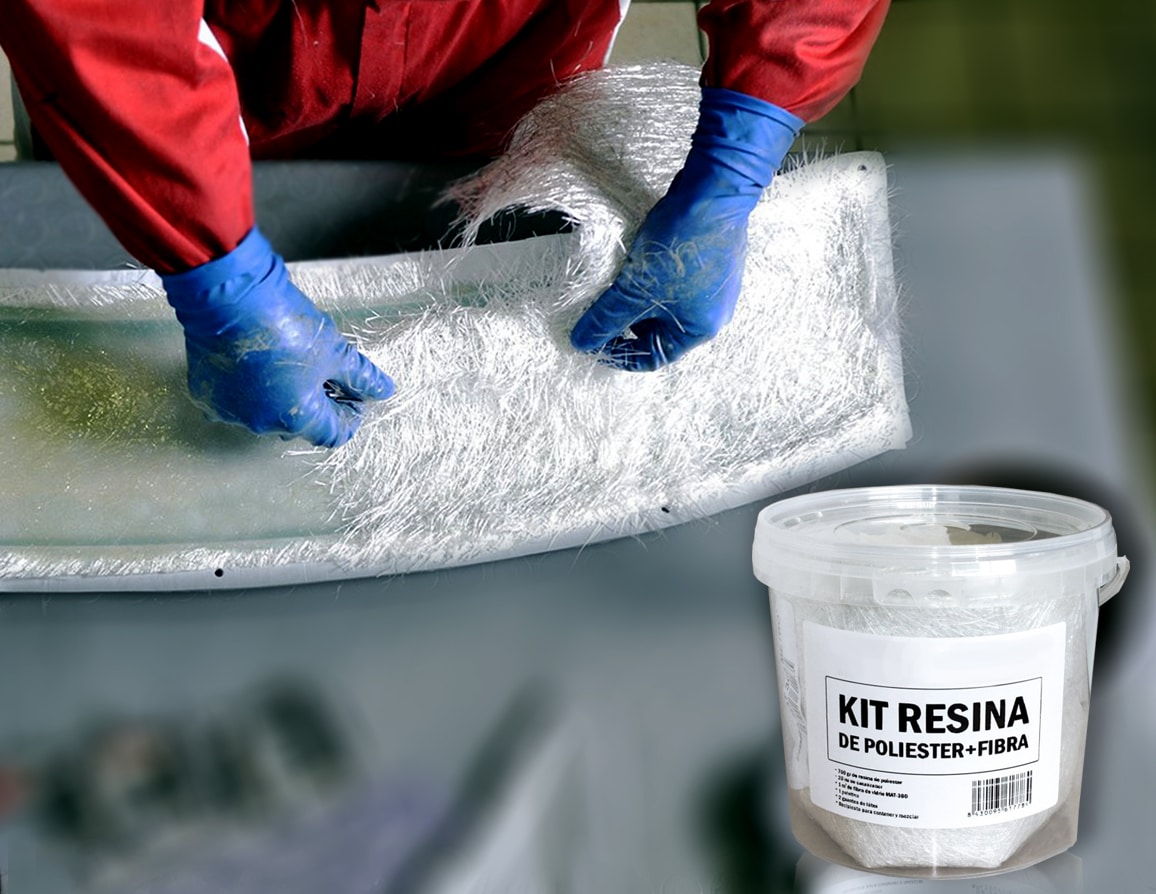
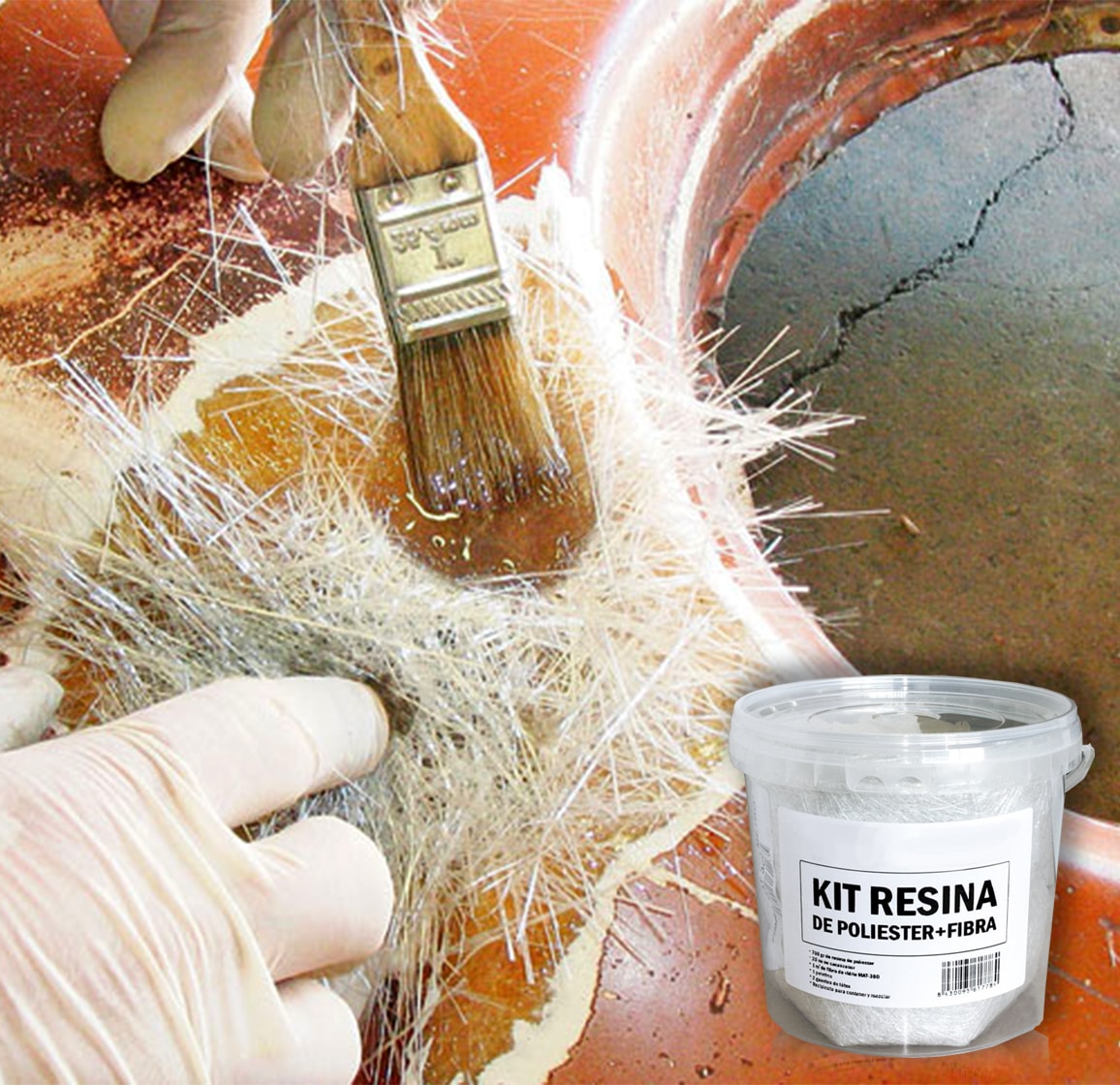
Different trailer surfaces need slightly different approaches. For a straightforward repair over fibreglass, rigid metal or polyester, a kit such as the Resin Fibreglass Repair Kit provides a complete polyester resin and mat system for waterproof reinforcement.
Where wood components are part of the leak path, a low-viscosity epoxy such as EpoxyWood is designed to penetrate the timber and seal it internally. For stone, cement or smaller metal joints, Magelstick Epoxy Mastic can be used as a bonding and grouting compound that holds on vertical surfaces.
When strong surface bonding matters most
Strong adhesion becomes critical where panels flex, fasteners vibrate and water pools after rain. On camping trailers, that often means roof edges, corner mouldings, wheel arch joints and any area where different materials meet.
Work within the product’s stated temperature range and mixing ratio. For vertical or overhead repairs, a thixotropic mastic such as Magelstick stays in place while it cures, but keep application temperatures above 10°C. Protect fresh repairs from direct rain until they have fully cured.
Related products
Related guides
Strong bonding is one part of a wider waterproofing strategy for camping trailers. Once the joint or crack is sealed, check adjacent seams, roof lights and rail fixings because water will find the next weakest point. For more on choosing a waterproofing sealant for camping trailers, see the main guide.