 Free shipping on orders over £29,85
 Shipping Tracking!



 Google
 Facebook
Structural Waterproofing & Reinforcement for Motorhomes
← Back to DIY motorhome waterproofing
Quick answer
Structural waterproofing and reinforcement is a repair approach that strengthens load-bearing or high-stress sections of a motorhome while stopping water from entering through cracks, joints and panel edges. The work usually combines a rigid resin or reinforced filler with fibreglass mat to bridge damaged areas, restore rigidity and create a moisture-resistant barrier. When carried out correctly on prepared surfaces, the result is a hard, impact-resistant repair that can handle the movement and weather exposure common on motorhome bodies.

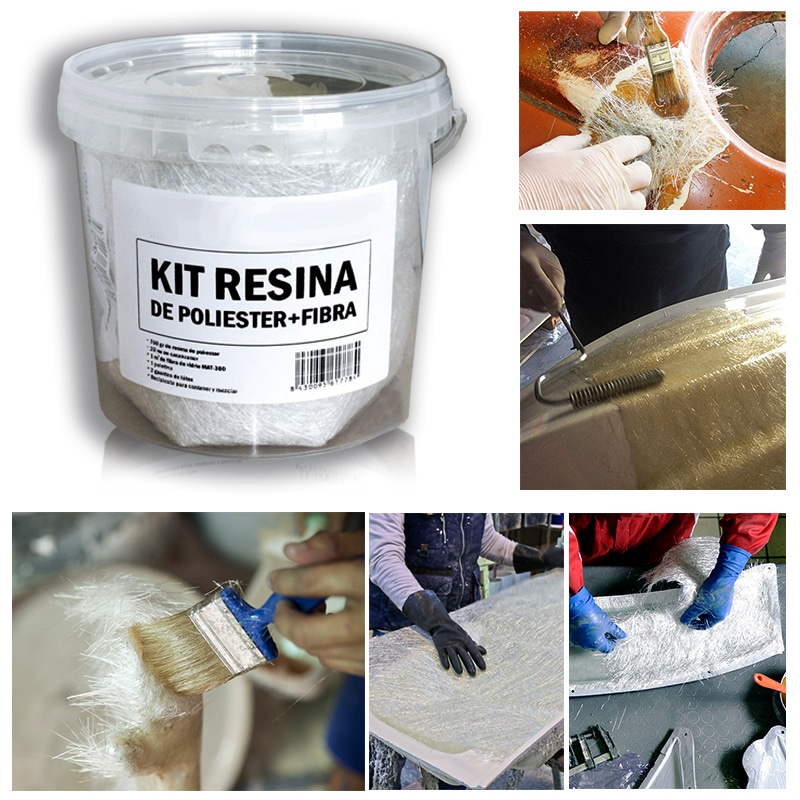
On many motorhomes, water entry and structural weakness appear together, especially around roof fittings and panel joins. A surface sealant may hide the problem, but a reinforced repair can restore the area’s strength while keeping moisture out.
What structural waterproofing covers on a motorhome
Structural waterproofing on a motorhome goes beyond sealing visible seams. It means repairing or reinforcing areas that have lost rigidity, such as cracked corners, rooflight surrounds, or joints that flex when the vehicle moves. A surface coating alone often cannot bridge these gaps or stop movement from reopening the repair.
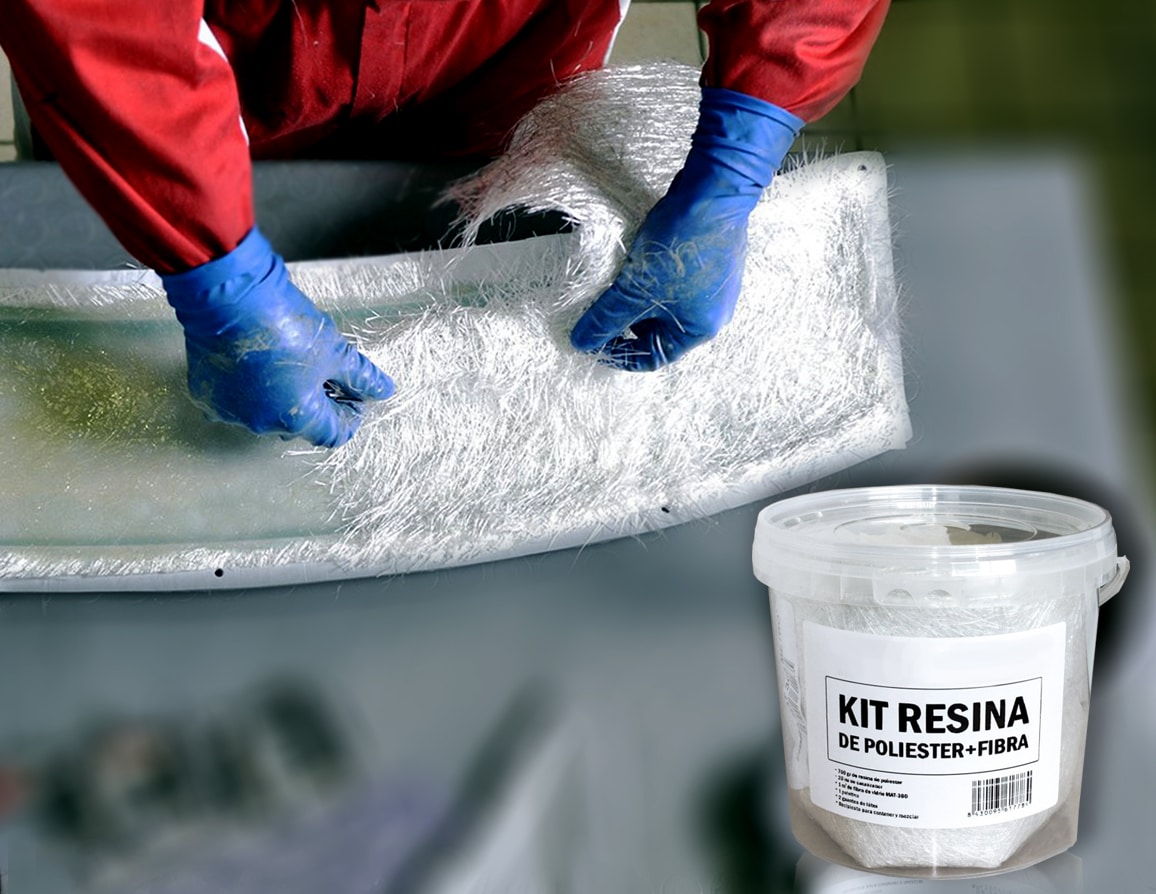
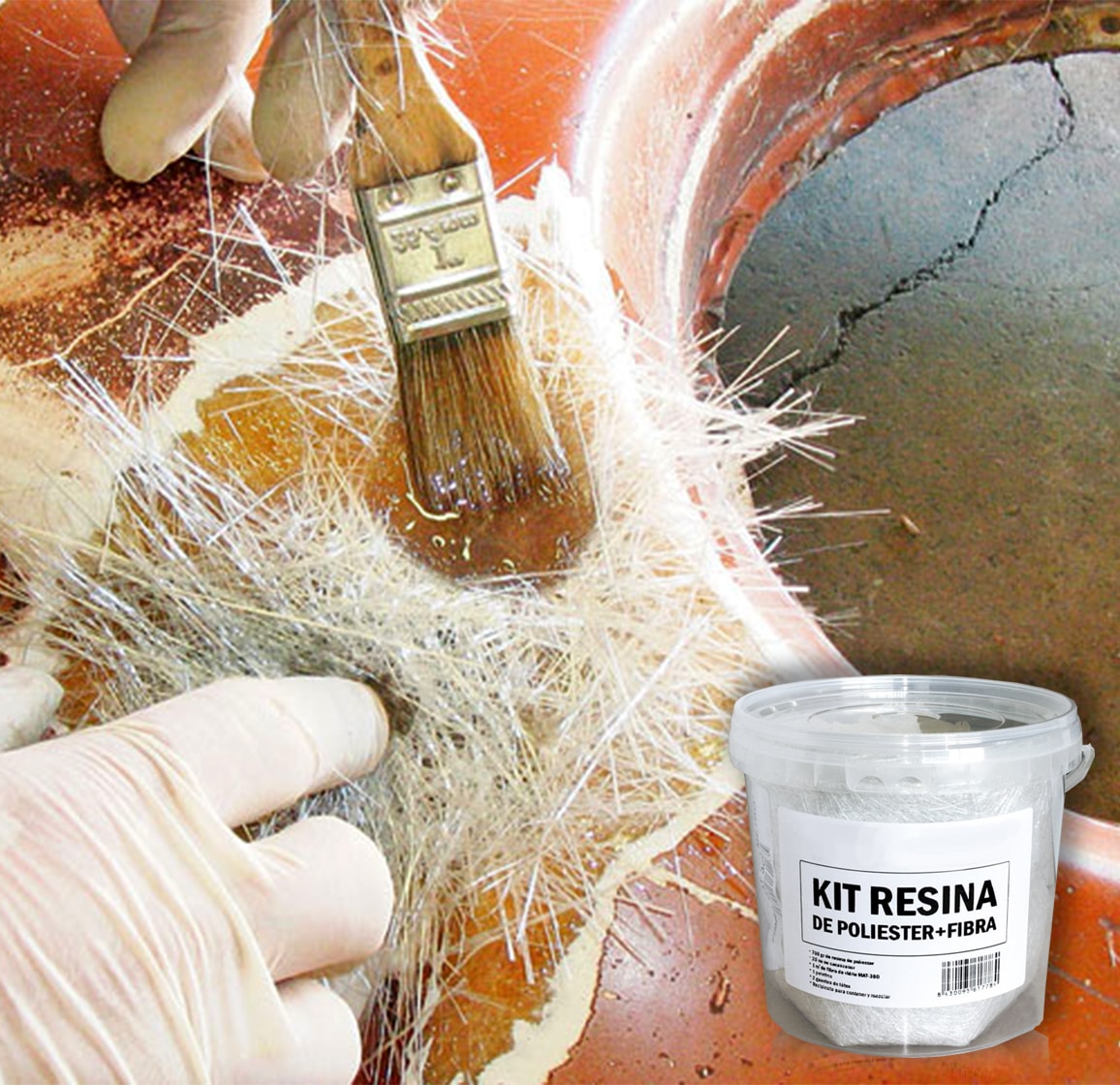
Preparation is the first practical step: cut away soft or delaminated material, dry the area, and lightly sand the surrounding surface. Then apply the reinforcement in thin layers so the resin fully wets the fibreglass mat and reduces the chance of trapped air.
Choosing a resin or filler for structural reinforcement
Different structural issues call for different materials:
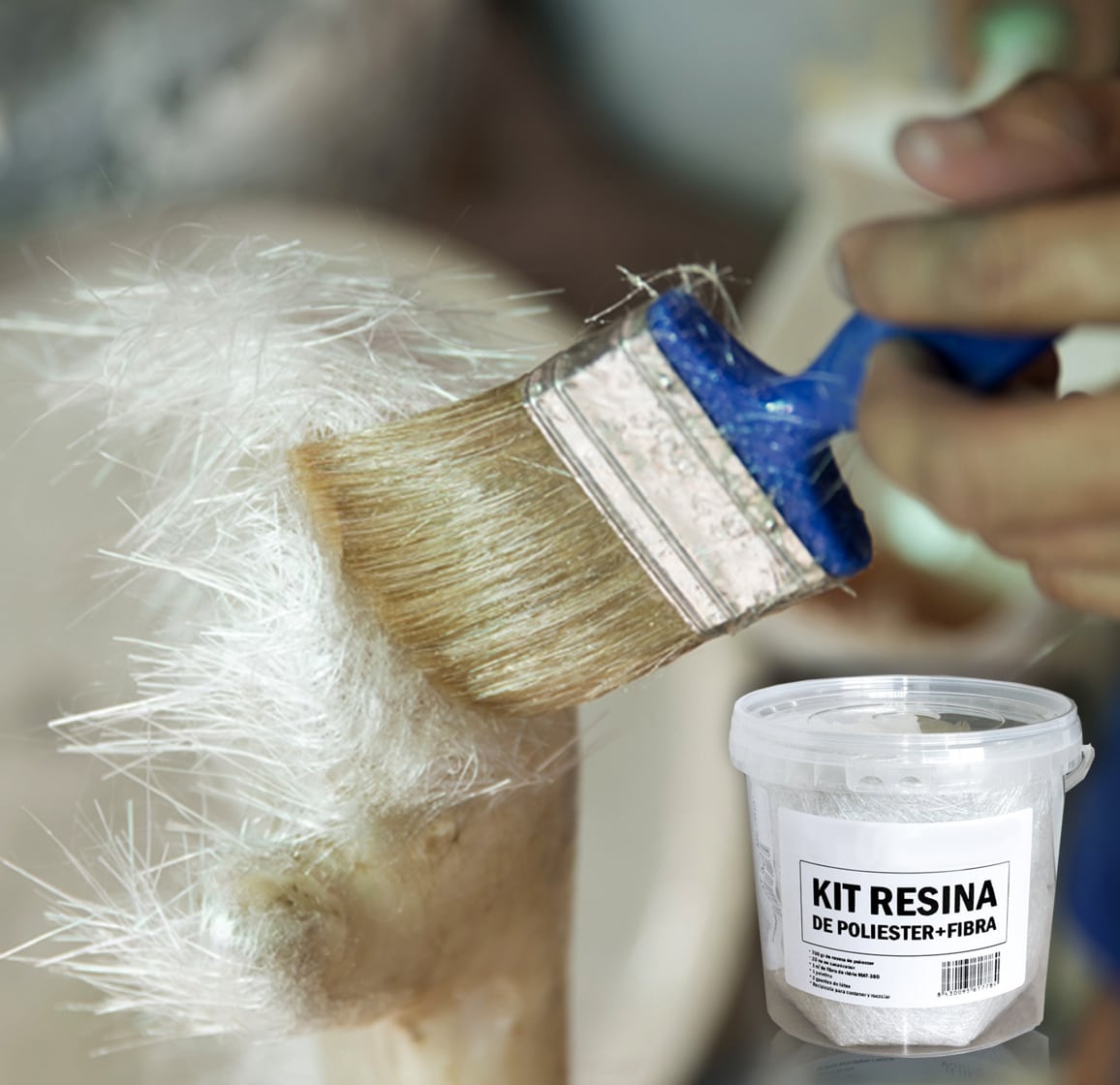
- Fibreglass repair kits are useful for rebuilding damaged areas because they include a mat that spans holes and cracked sections.
- Epoxy resin can be used to laminate fibreglass or technical fabrics where high impact resistance and a smooth surface are important.
- Fibreglass-reinforced putty is suited to filling deeper cracks, dents and cavities before sanding, priming and painting.
For a complete approach, a kit such as the Resin Fibreglass Repair Kit pairs resin with a mat, making it easier to carry out a structural repair without sourcing materials separately.
When this matters
This type of repair is most relevant when a motorhome has a failed seal around a window, rooflight, or awning rail, and the surrounding panel has started to soften or crack. If water has been sitting behind the trim, the damage can be more than cosmetic. Reinforcing the area while you reseal helps prevent the same weakness from returning after normal road vibration.
Related products
Related guides
Structural waterproofing and reinforcement is one part of a wider DIY motorhome waterproofing routine. Once the repaired area is solid and sealed, you can move on to checking joints, trims and other potential water entry points to keep the whole vehicle weathertight.