 Free shipping on orders over £29,85
 Shipping Tracking!



 Google
 Facebook
Which Fibres Can I Use with Carbon Resin?
← Back to Seasonal Motorhome Roof Maintenance
Quick answer
Carbon fibre and fibreglass are the two primary technical fabrics suitable for use with this epoxy resin. The formulation is designed to wet out both materials evenly, helping reduce trapped air and supporting structural integrity in finished composites. It cures at room temperature and offers a high level of impact resistance, which makes it a practical choice for rigid composite repairs and small fabrication projects where a glossy, durable surface is required.


If you are planning a lay-up or repair with carbon cloth, woven fibreglass, or chopped strand mat, this resin is intended to work with those rigid reinforcement fabrics. The notes below cover what to expect and how to get a cleaner result.
Compatible fibre types
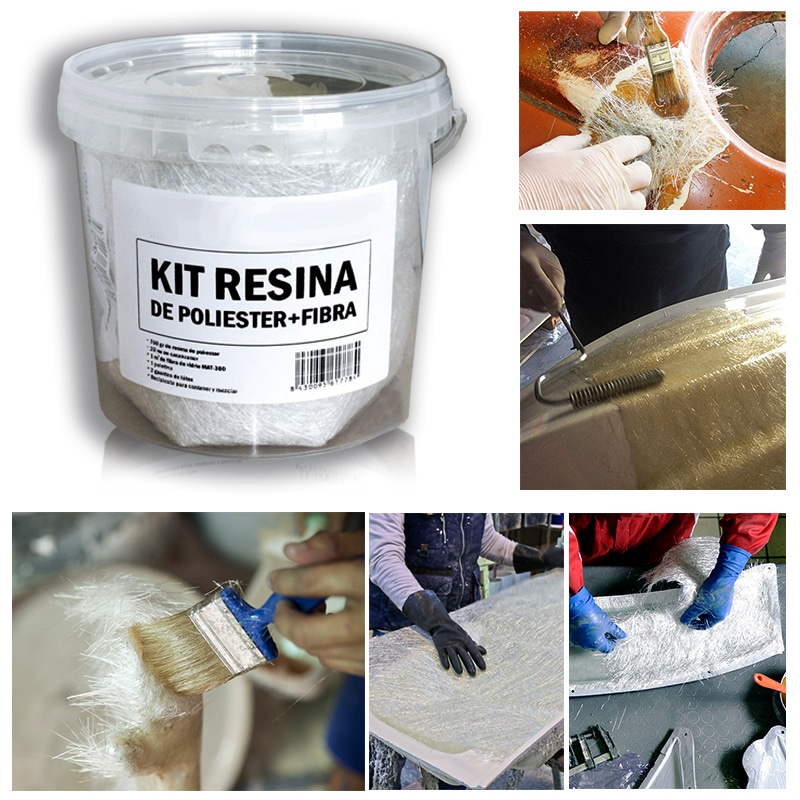
For most projects, the practical options are carbon fibre fabric and fibreglass cloth or mat. These are rigid technical fabrics that benefit from a low-viscosity epoxy capable of soaking through the weave before curing.
The resin is best suited to composite reinforcement work where the fibre provides the main structural layer.
Getting a reliable wet-out
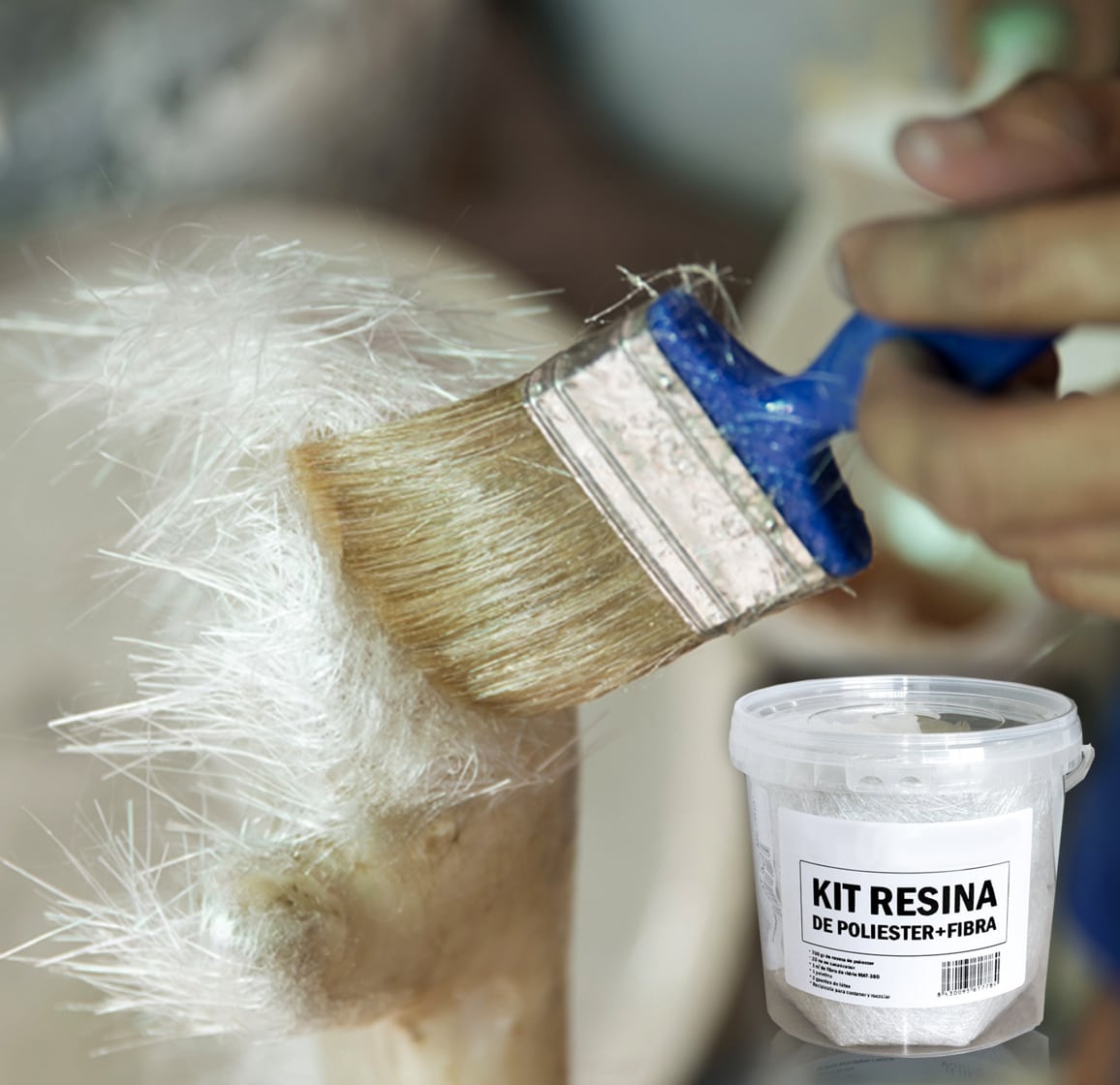
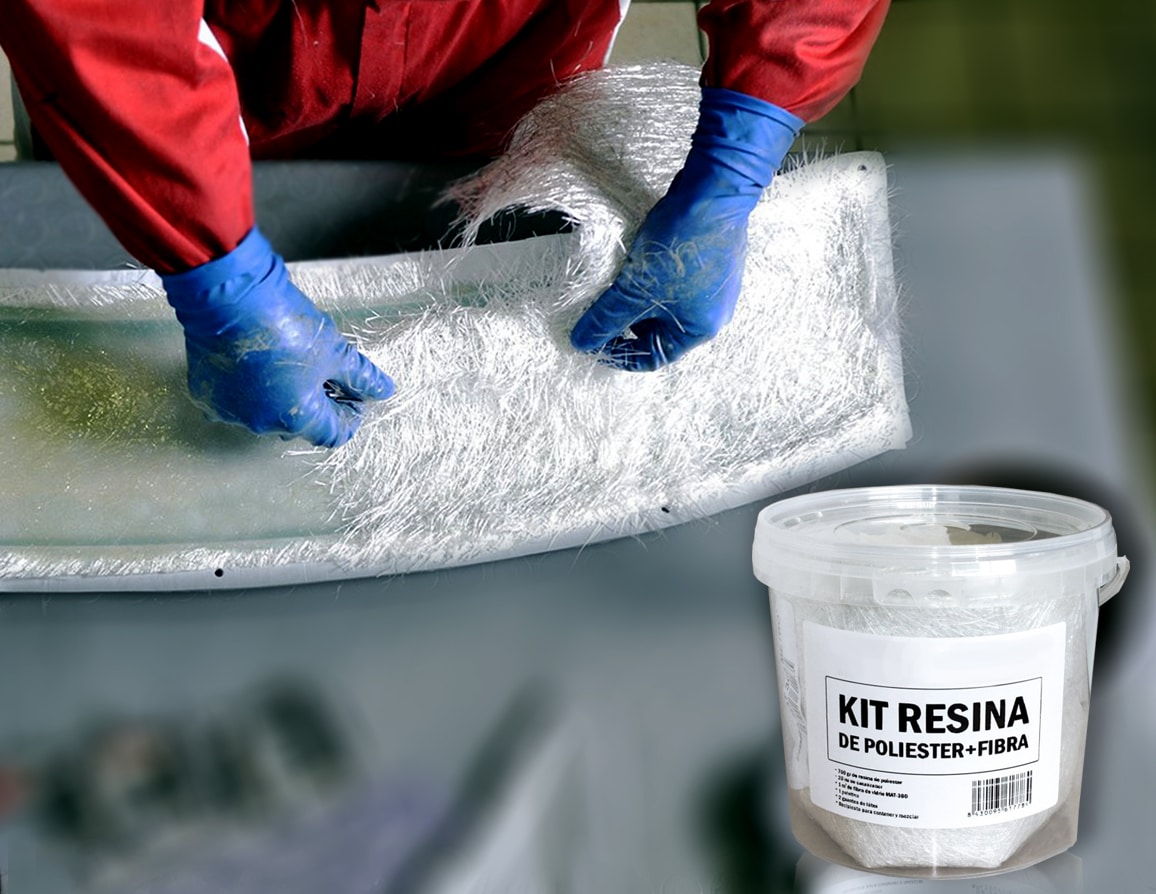
Start with clean, dry fabric and mix the resin and hardener according to the product instructions. A steady, even application helps the resin penetrate the weave, and working at room temperature keeps the viscosity manageable.
If you are building up multiple layers, allow each one to reach the specified state before adding the next. Trapping moisture or dust between plies can weaken the bond. You can check mixing and coverage details on the Carbon Resin product page.
When fibre choice matters
The difference between carbon fibre and fibreglass matters most when weight, rigidity, or visual finish is part of the job. Carbon fibre is often chosen for a stiffer, lighter lay-up, while fibreglass can be a more cost-conscious option for waterproof patching and general reinforcement.
Because this resin is suitable for both, you can select the fabric based on the mechanical demands of the repair rather than being forced into one system.
Related products
Related guides
When you are working through seasonal motorhome roof maintenance, confirming fibre compatibility before you start can save time and material. Whether the repair is a small patch or a larger reinforcement, using a resin matched to carbon fibre or fibreglass helps keep the repair stable through changing weather.