 Free shipping on orders over £29,85
 Shipping Tracking!



 Google
 Facebook
How Important Is Surface Preparation Before Waterproofing?
← Back to Waterproofing for micro-cracks
Quick answer
Surface preparation before waterproofing is the single most important factor in achieving a durable, watertight finish. A clean, dry and sound substrate allows resin systems to bond fully, penetrate surface pores and form a continuous protective layer over micro-cracks. Dirt, grease, moisture or loose material can interrupt adhesion and lead to early failure, even when the coating itself is high quality. Careful preparation also helps avoid trapped moisture, uneven coverage and weak points that let water find a way back in.
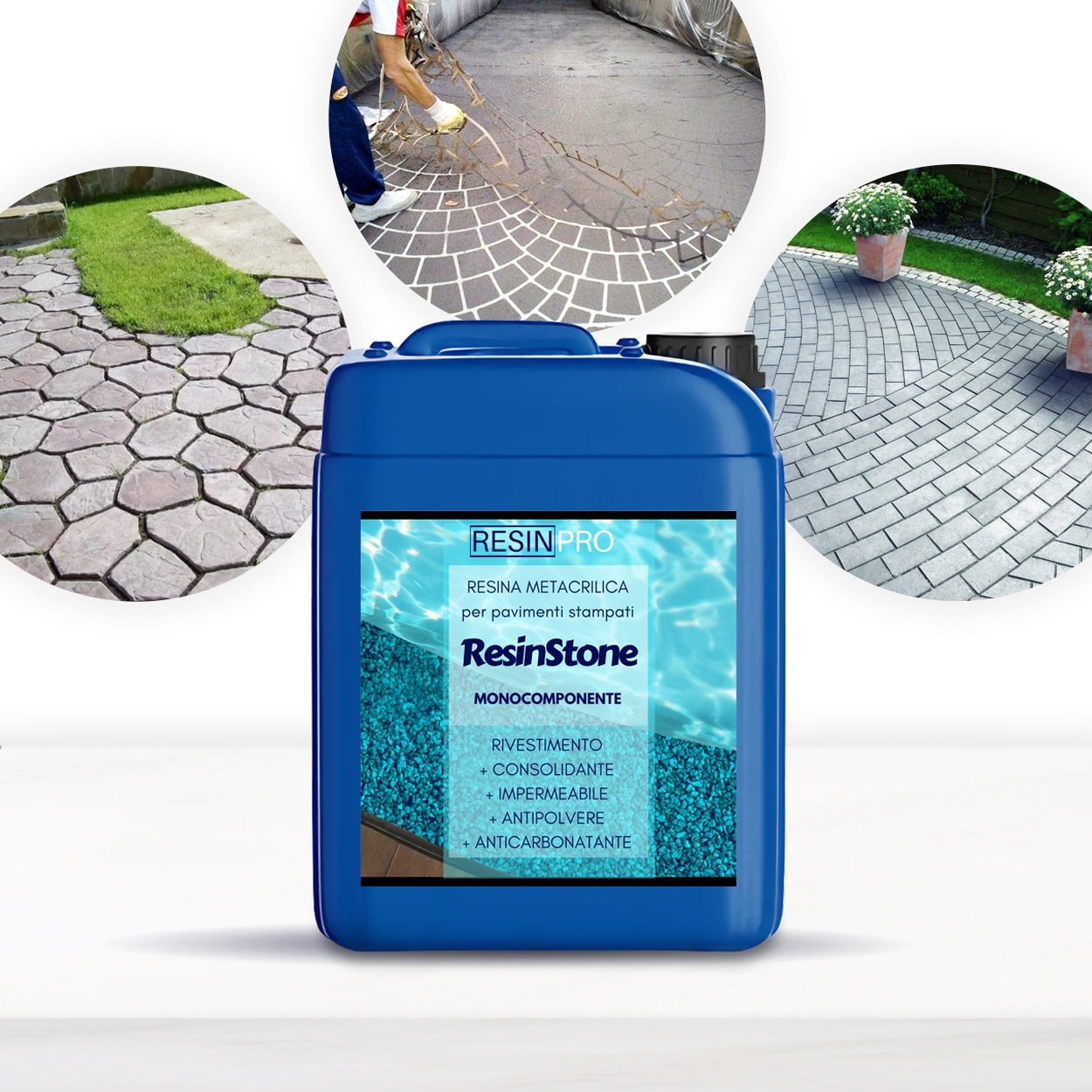

Taking time to prepare the surface is not a step to rush. If you are sealing hairline cracks or treating an outdoor driveway, the resin can only work as well as the surface beneath it allows. A quick wipe-down is rarely enough; preparation should remove contaminants and create a substrate that the waterproofing system can grip.
Why clean, dry and sound surfaces matter
Waterproofing resins and coatings need direct contact with the substrate to form a reliable seal. Dust, oil, efflorescence or old paint can act as a barrier, preventing the resin from bonding properly. Damp patches can interfere with curing or reduce penetration, especially on porous concrete where micro-cracks are being treated.
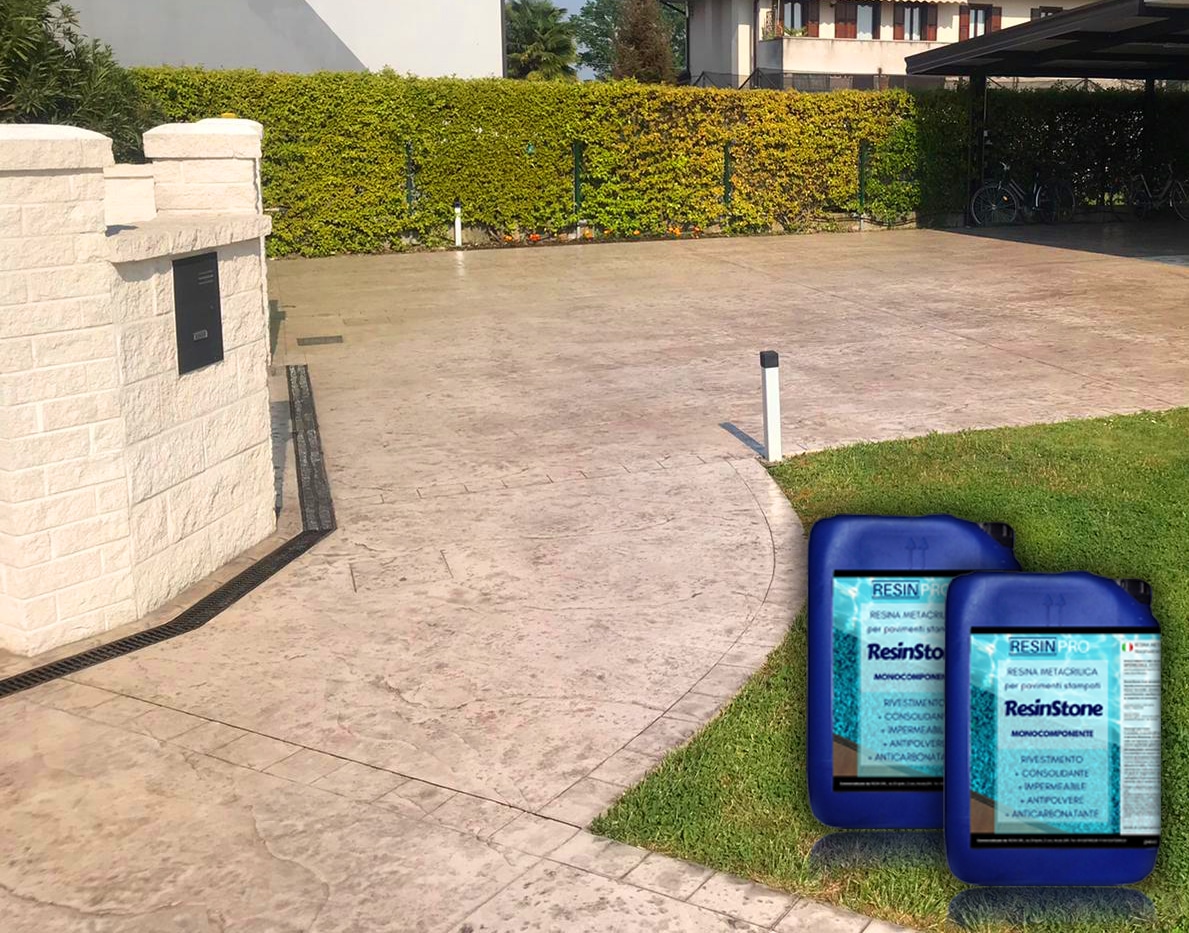
For concrete floors and driveways, a product such as Resinstone relies on a clean, absorbent surface to work into fine cracks and pores. Leaving residues behind often leads to peeling or localised water ingress.
- Remove dust, dirt and grease before applying any resin.
- Check for trapped moisture or rising damp.
- Repair loose or crumbling areas so the surface is sound.
A practical preparation sequence
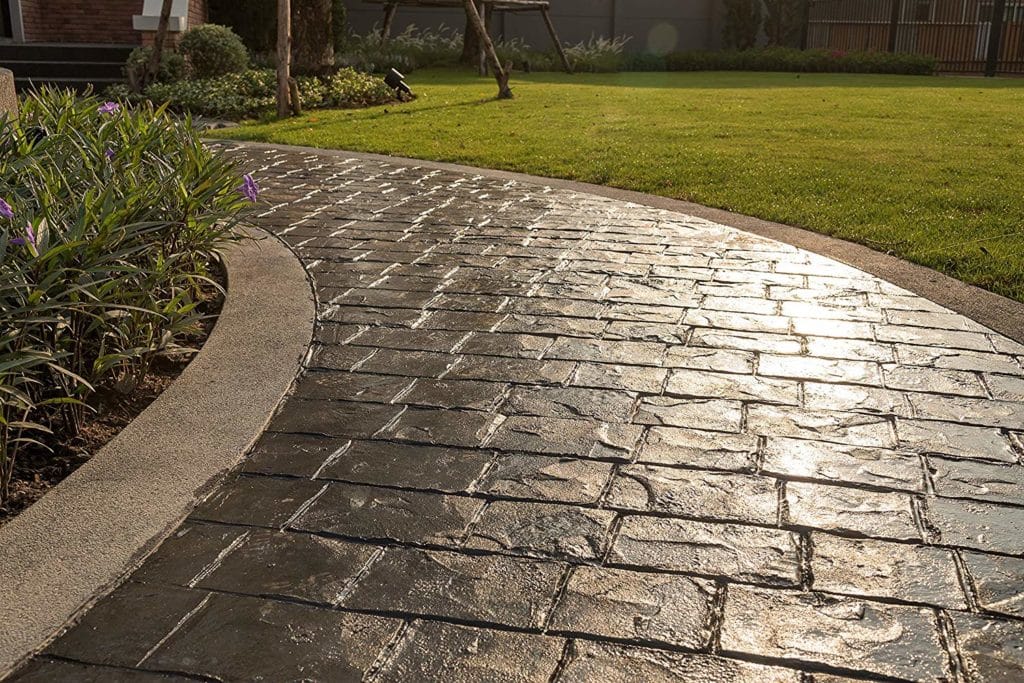
There is no single method for every surface, but most waterproofing jobs benefit from the same basic sequence. Start by clearing the area and removing loose material. Next, clean the surface and allow it to dry thoroughly. If there are existing coatings, sand or key them as recommended by the product instructions. Finally, check the area for dampness before mixing or applying the resin.
- Clear debris and repair obvious cracks or holes.
- Degrease stained areas and rinse thoroughly.
- Allow enough drying time after cleaning or rain.
- Confirm the substrate is sound and free from flaking.
When thorough preparation matters most
Preparation becomes even more important in exterior areas, high-traffic zones, or anywhere the substrate is regularly exposed to moisture. Micro-cracks in concrete and masonry can hold water, so a poorly prepared surface may trap that moisture beneath the waterproofing layer. The result can be bubbling, loss of adhesion or premature failure of the finish.
Taking the time to prepare properly is worthwhile for driveways, garages, patios and damp interior floors. The same principle applies whether you are using a methacrylic resin, a polyurethane coating, or an epoxy mastic to fill and seal fine cracks.
Related products
Related guides
With preparation handled correctly, the selected waterproofing system can do its job: sealing micro-cracks, keeping water out and extending the life of the surface. For more help choosing products for fine crack repair and surface protection, explore our waterproofing for micro-cracks guide.