 Free shipping on orders over £29,85
 Shipping Tracking!



 Google
 Facebook
How to Prepare Camper Surfaces Before Waterproofing
← Back to Waterproofing Kit for Camper 1 kg
Quick answer
Camper surface preparation before waterproofing involves cleaning, drying, and keying the area so a polyester resin or fibreglass repair kit can bond reliably. Loose dirt, grease, wax, and flaking material are removed first, then damaged edges are sanded back to a sound substrate. This creates a stable, contaminant-free base for waterproofing products, helping the cured repair resist moisture ingress and mechanical stress during normal use.

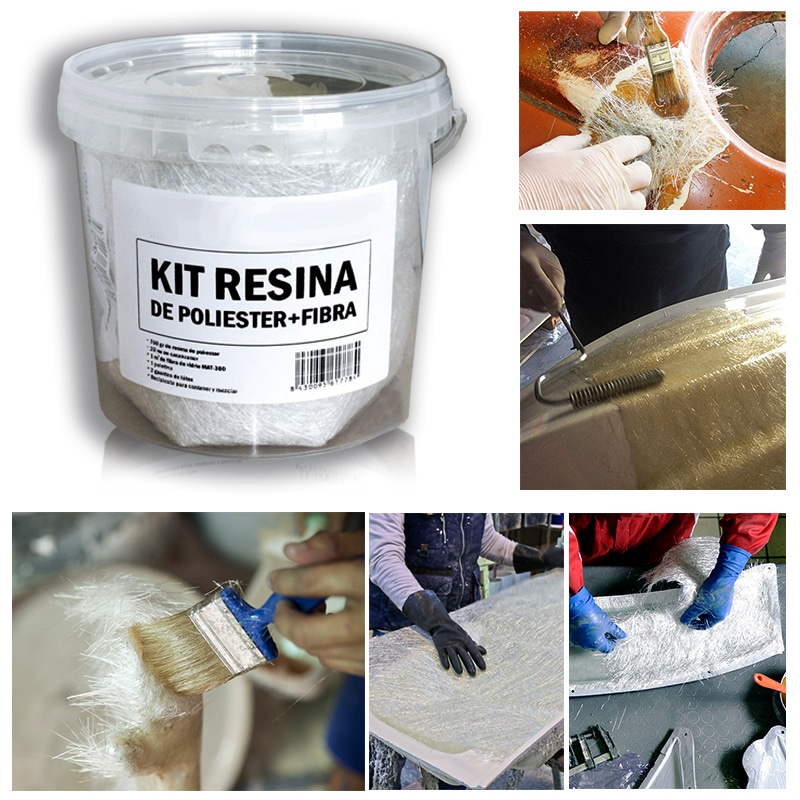
Getting this stage right makes a visible difference: a clean, dry, lightly abraded surface gives the resin or putty something to grip, reducing the chance of peeling or water creeping underneath later. Work in a well-ventilated area and only start once you are sure there is no residual dampness.
Cleaning and drying the repair area
Begin by removing loose dirt, dust, grease, and any old sealant from the area. If the surface has been exposed to oils or road grime, use a suitable degreaser or solvent, then rinse and allow it to dry fully. Even a small amount of trapped moisture can reduce bond strength and affect the waterproof layer.
- Wipe down with a lint-free cloth before sanding.
- Check joints and seams for hidden dampness.
- Follow the drying time stated on the repair product.
Sanding and keying damaged areas
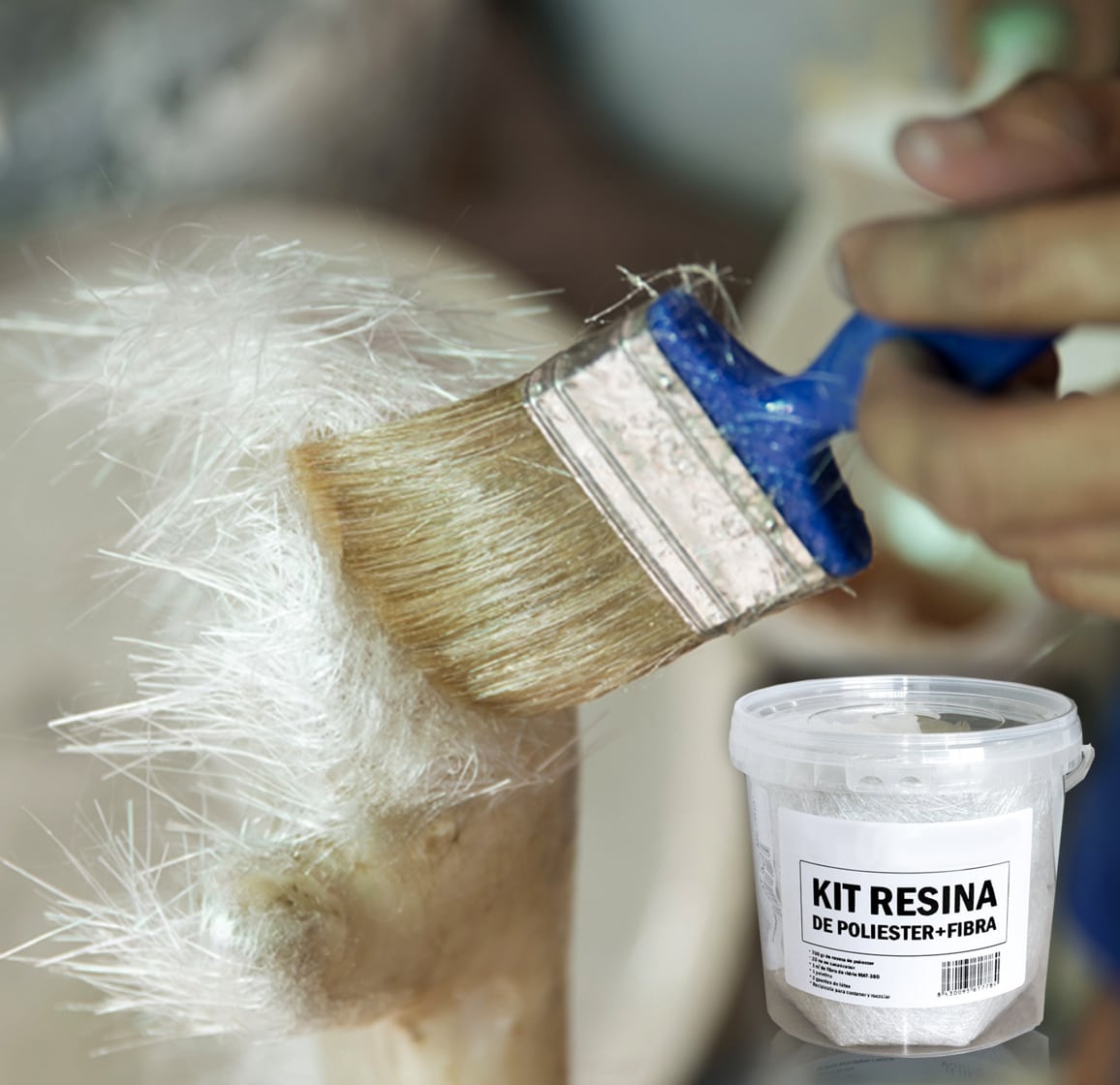
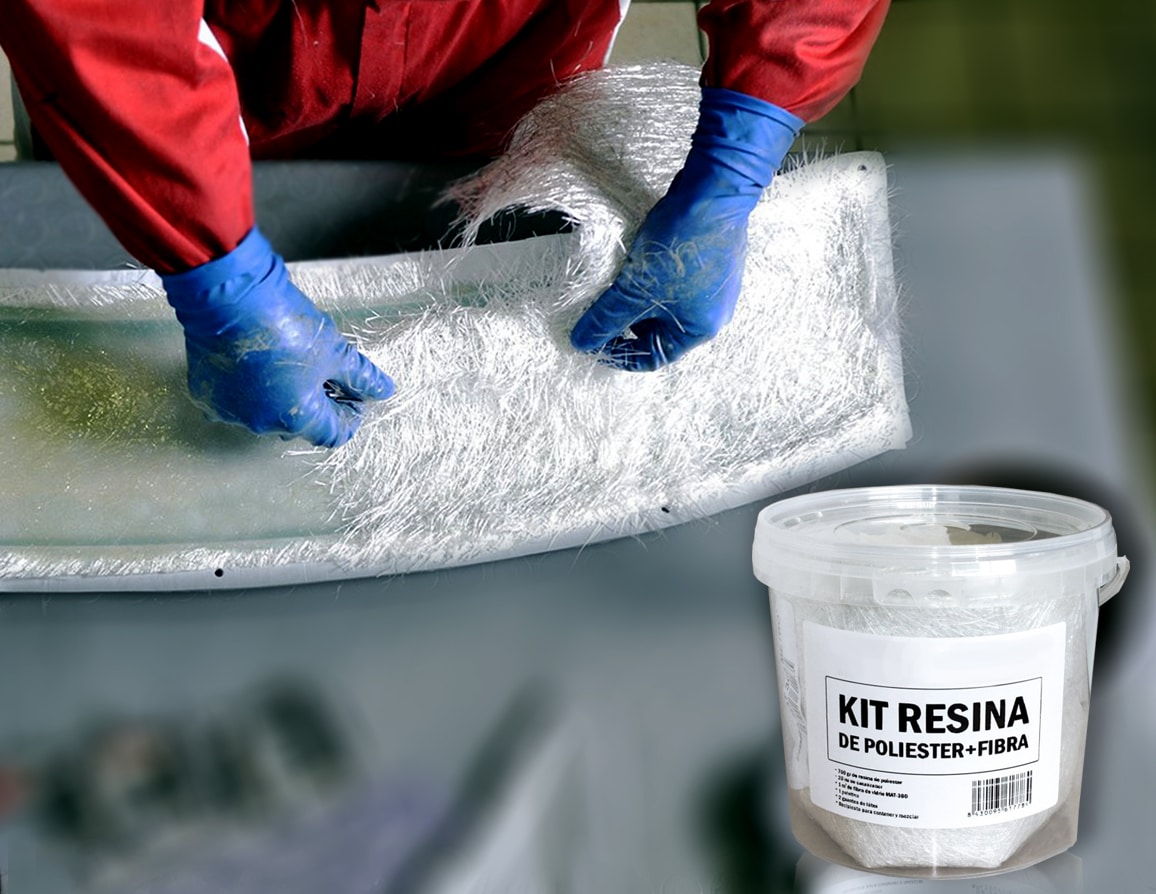
Lightly sand the damaged area and the surrounding edge to create a mechanical key. This helps polyester resin or fibreglass putty grip the existing fibreglass, metal, or rigid plastic. Feather the edges of cracks and remove any loose or flaking material so the repair sits flush.
For deeper cracks or areas under stress, CROP 2K Fiberglass Putty can be used to fill and level the prepared surface before waterproofing.
When preparation matters most
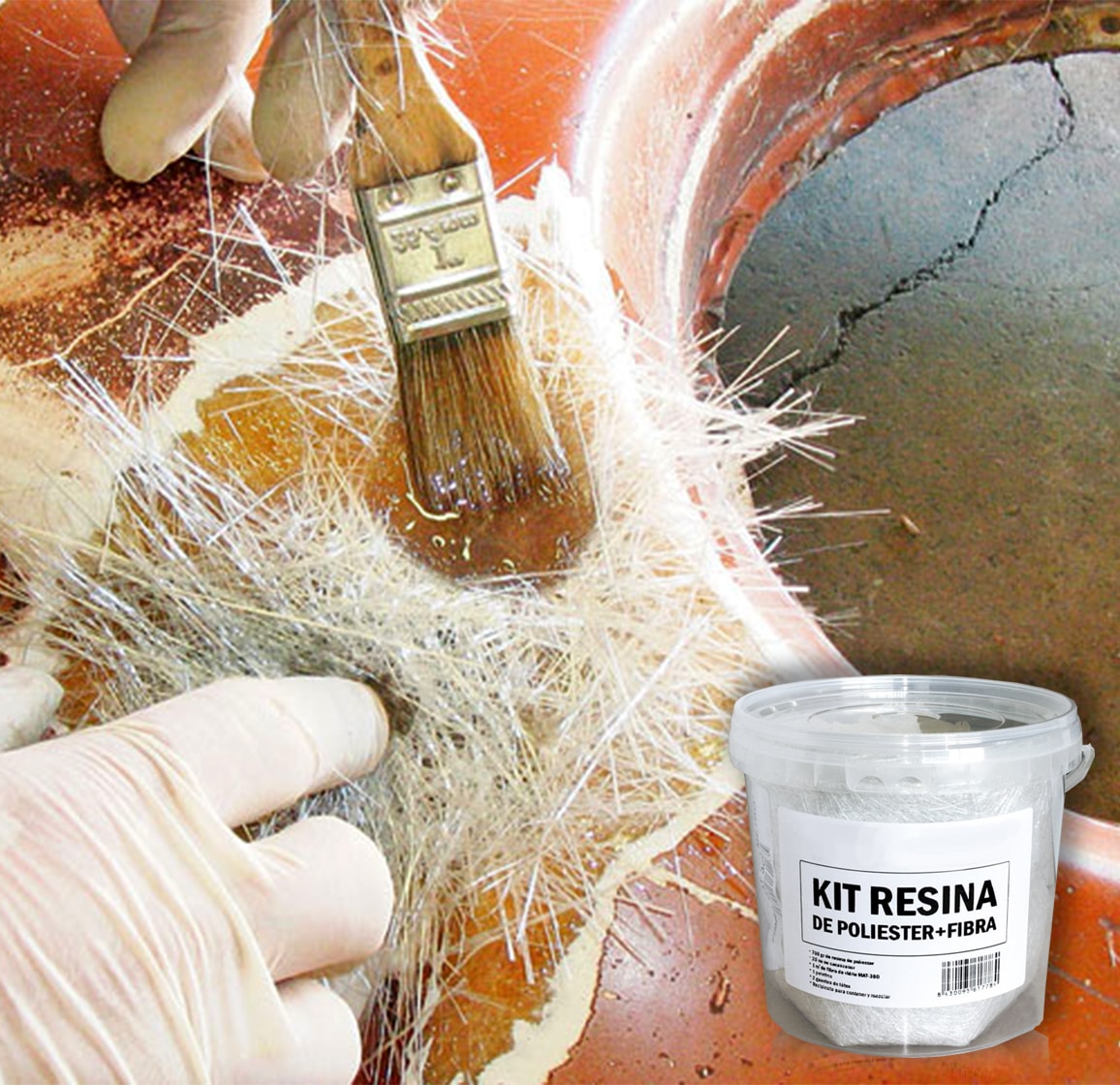
Surface preparation becomes especially important on roof seams, around vents, and along floor edges where standing water or movement can test the repair. A rushed prep job often leaves behind contaminants that prevent the Resin Fibreglass Repair Kit from bonding correctly.
If wood is present, a low-viscosity option such as EpoxyWood may help seal and reinforce the surface before the main waterproofing layer is applied.
Related products
Related guides
Once the surface is clean, dry, and keyed, the main waterproofing kit for campers has a much better chance of forming a durable, water-resistant seal. Taking the time to prepare properly is the simplest way to avoid redoing the repair after the first wet journey.