 Free shipping on orders over £29,85
 Shipping Tracking!



 Google
 Facebook
Are there temperature limits for applying roof products?
← Back to Waterproofing Roof Cracks
Quick answer
Temperature limits for roof repair products define the ambient and surface conditions in which a resin, mastic, or filler can be applied successfully. Epoxy mastics typically require a minimum temperature of 10°C or above before mixing and application. Below that level, bonding and working properties may be affected. Because polyester, methacrylic, and epoxy systems behave differently, the only safe approach is to check the individual product guidelines supplied with each item before starting work.

If you are repairing a roof crack, temperature is an easy detail to overlook until the product becomes difficult to spread or fails to cure as expected. The sections below cover the practical meaning of the 10°C threshold and how to handle borderline conditions without compromising the waterproofing result.
Why 10°C is a common minimum
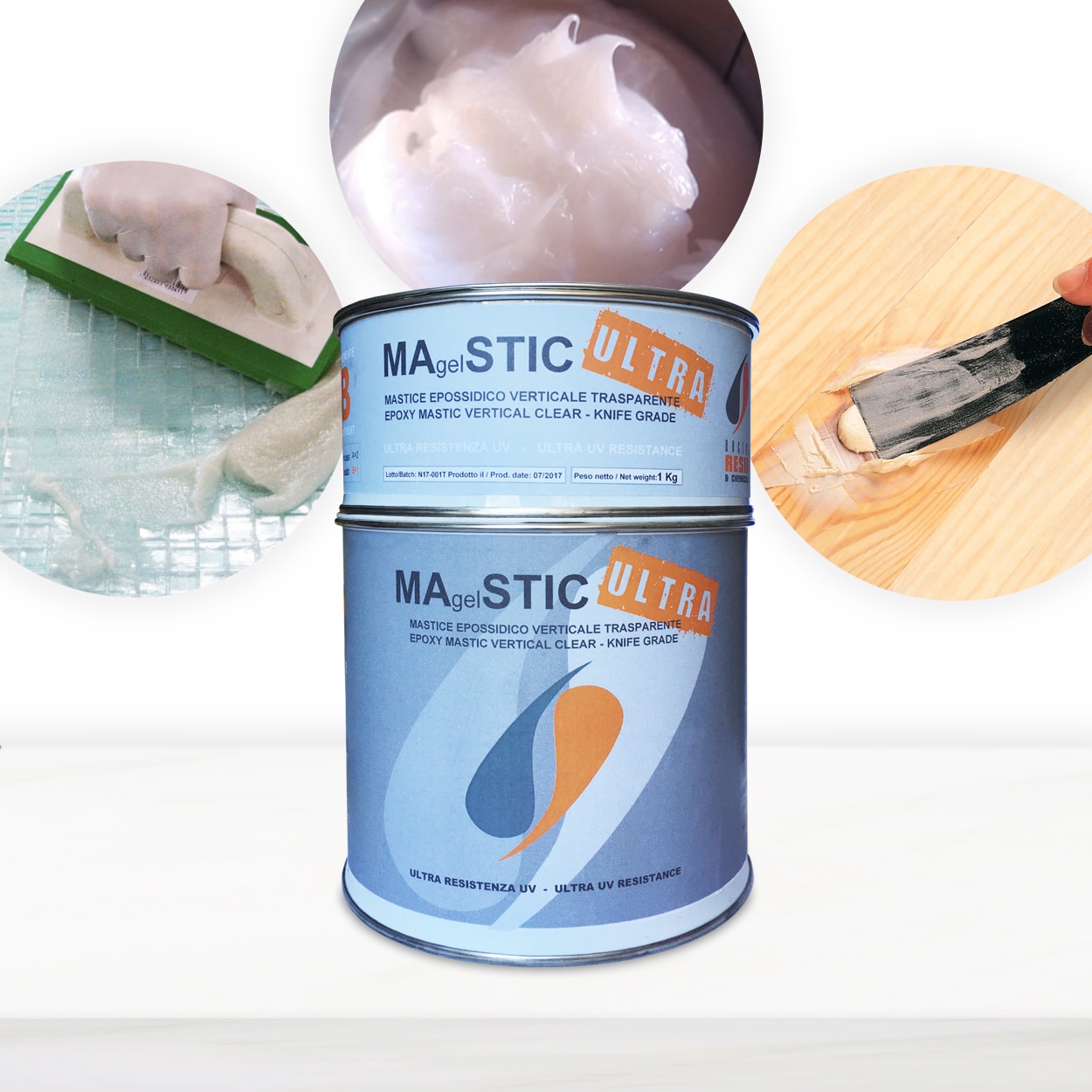
For epoxy-based roof and masonry products, 10°C is often the point below which handling and adhesion become less predictable. The Magelstick Epoxy Mastic, for example, is recommended for application at 10°C or above for optimal results.
Cold air is only part of the picture. The repair surface itself may be colder than the air, especially after a clear night or on shaded sections of a roof. Before mixing, check that both the product and the substrate have been stored or conditioned at a suitable temperature.
Different products, different limits
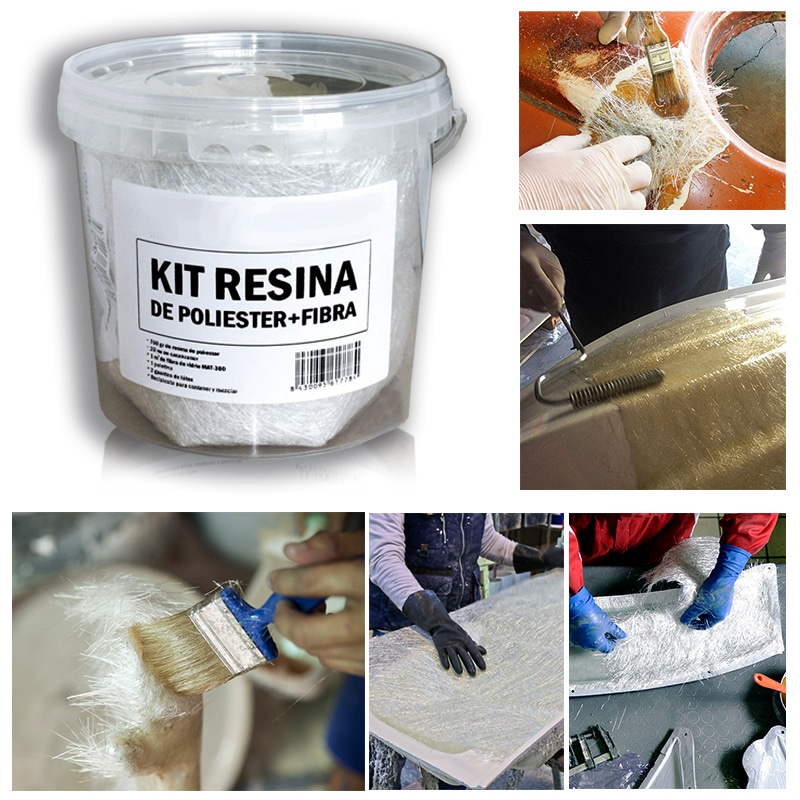
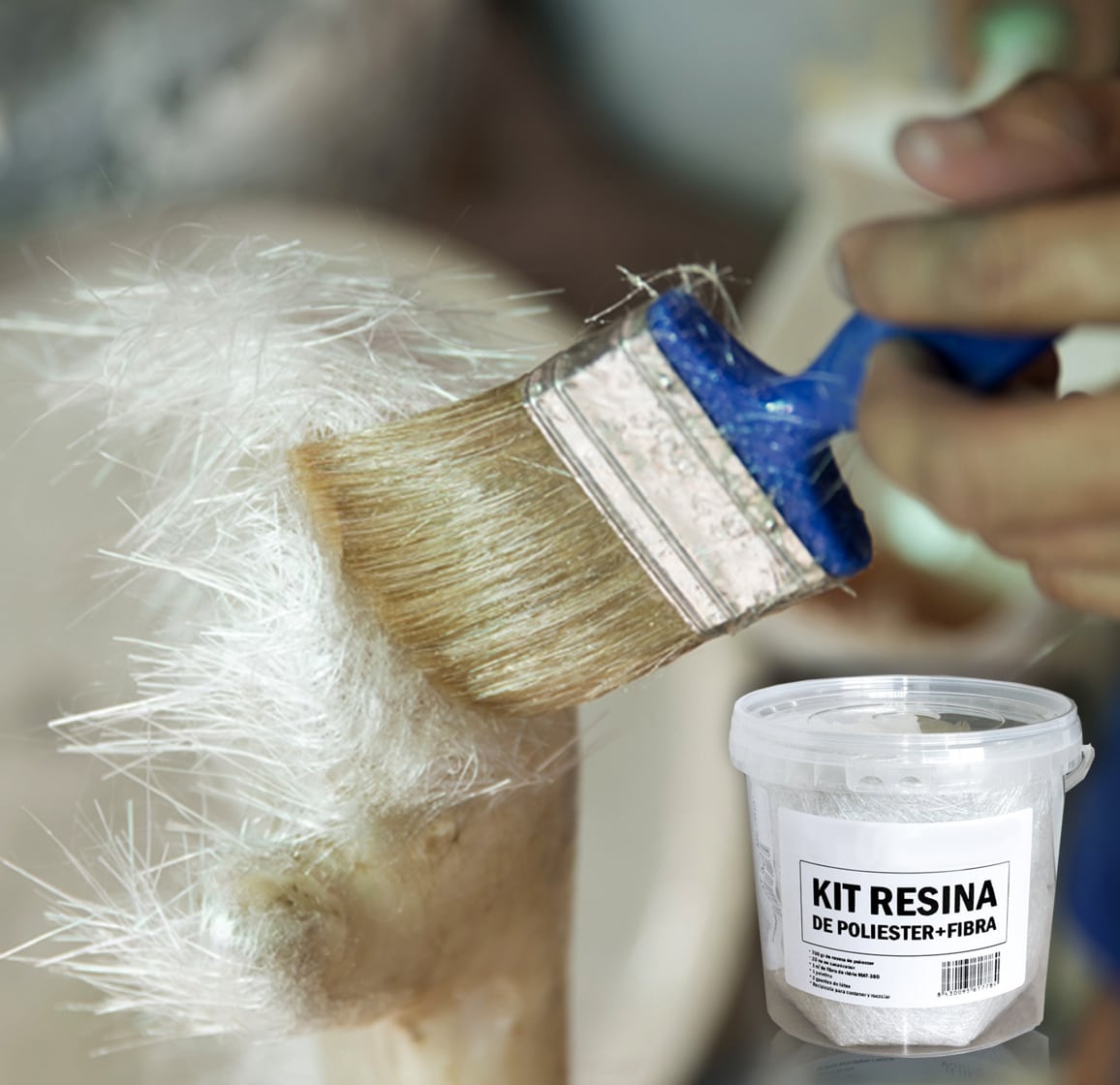
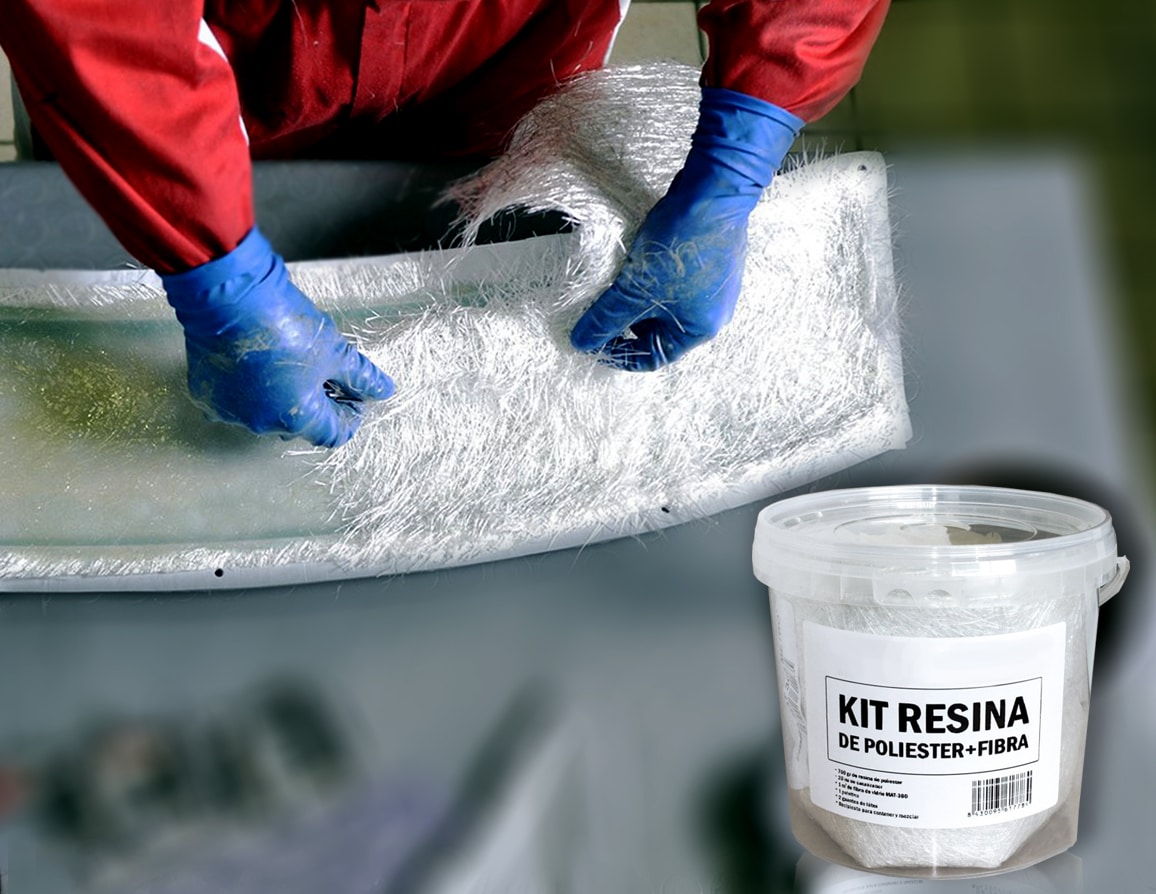
Not all roof crack repair products share the same temperature range. Some epoxy mastics carry a clear 10°C minimum, while other formulations may have different instructions for mixing, open time, and curing. A Resin Fibreglass Repair Kit can be used for waterproof roof reinforcement, but its application notes should still be checked for any temperature or humidity limits.
Because conditions vary by product, avoid applying a general rule across every tin or cartridge on the shelf.
When this matters
Temperature limits become most relevant during autumn, winter, and early spring roof work, or when repairs are made in shaded or damp locations. If the temperature is sitting near the stated minimum, a small overnight drop can move conditions below the recommended range while the material is still curing.
- Plan the repair for the warmest, driest part of the day where possible.
- Check the temperature of the surface, not just the air temperature.
- Read the product label for the specific minimum, maximum, and humidity limits before mixing.
Related products
Related guides
Temperature is one part of a successful roof crack repair, alongside surface preparation and choosing the right waterproofing product. If you are still weighing up which system to use, revisit our waterproofing roof cracks guidance for a broader look at sealing and reinforcement options.