 Free shipping on orders over £29,85
 Shipping Tracking!



 Google
 Facebook
Layer Thickness and Application Limits for Resins and Coatings
← Back to Professional anti-infiltration product
Quick answer
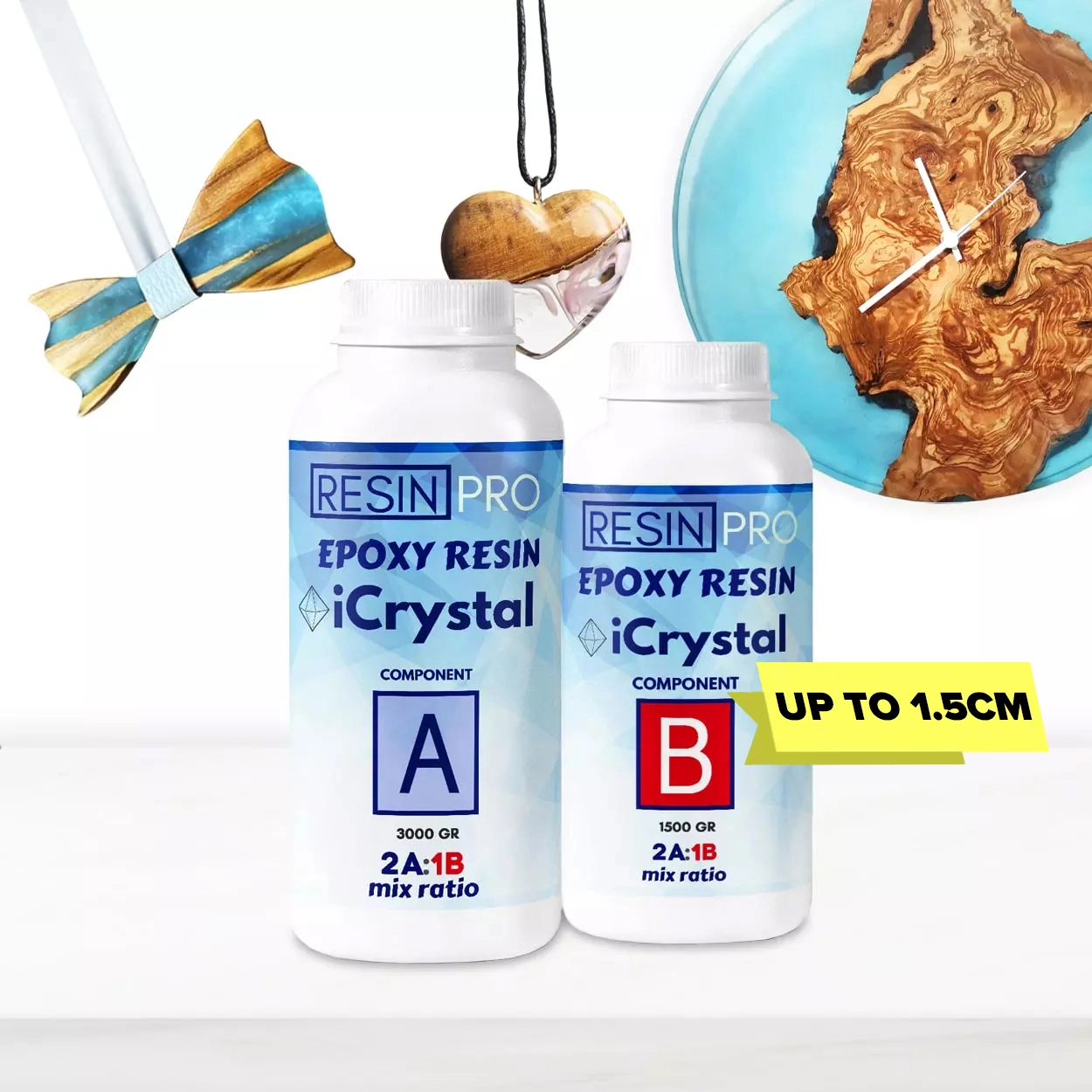
Resin and coating layer thickness limits are the maximum recommended depths for a single application before extra layers are needed. For example, Icrystal epoxy supports up to 1.5 cm per layer. Exceeding a product’s stated limit can trap heat, slow curing and cause weak bonding, shrinking or yellowing. Checking the technical guidelines before mixing helps prevent these curing problems and keeps the finished surface stable.
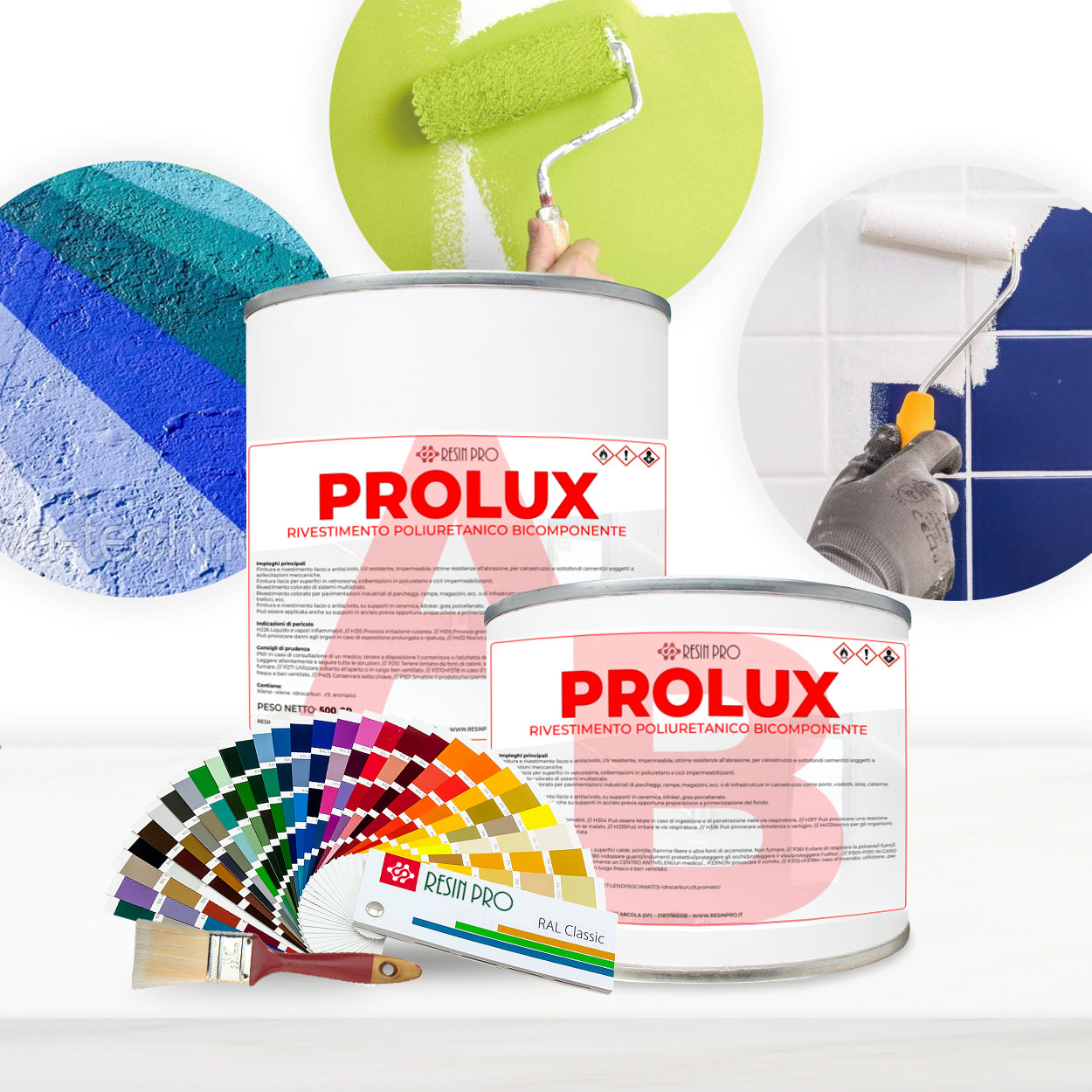
Yes, there are usually limits — but they vary from one product to another. A clear casting resin behaves differently from a thin polyurethane floor coating, so the safe depth is not the same across the range. The good news is that once you know the per-layer limit, you can build up almost any required thickness by working in controlled steps.
Why maximum layer thickness exists
Many two-component resins and coatings cure through an exothermic chemical reaction. If a layer is poured too deeply, heat can build up faster than it escapes. That may lead to uneven curing, internal stress, clouding in clear systems or poor adhesion between coats.
Manufacturers therefore set a maximum application depth per layer. Icrystal clear epoxy resin, for instance, is rated for up to 1.5 cm per application. Staying within that limit gives the system a better chance to cure evenly.
How to layer coatings correctly
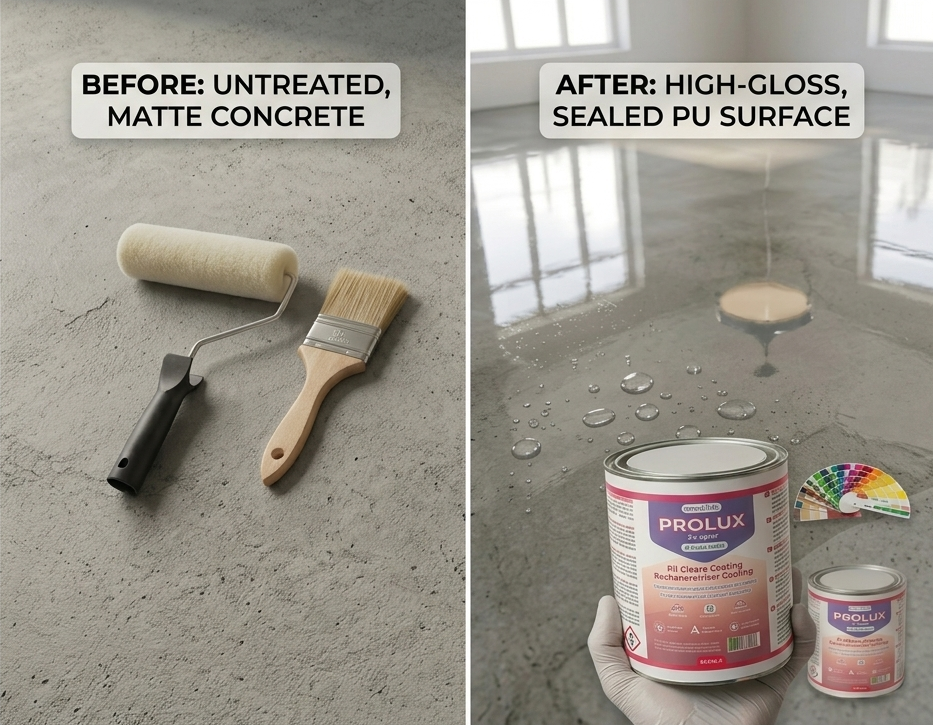
Rather than trying to achieve full depth in one pass, it is usually safer to apply multiple thinner layers. Prepare the previous layer exactly as the product data sheet advises. Some coatings need to be tacky before the next coat, while others need light sanding once fully cured.
- Measure and mix the components precisely using the stated ratio.
- Pour or spread only up to the recommended thickness per layer.
- Allow each layer to reach the correct stage before applying the next.
- Check the working temperature and humidity before you start.
When layer thickness matters most
Thickness limits become especially important for clear coatings, deep-fill projects and surfaces that need to remain waterproof. If a coating is applied too thickly, it may look fine at first but fail to cure properly underneath, leaving a soft or weakened area that can let moisture through.
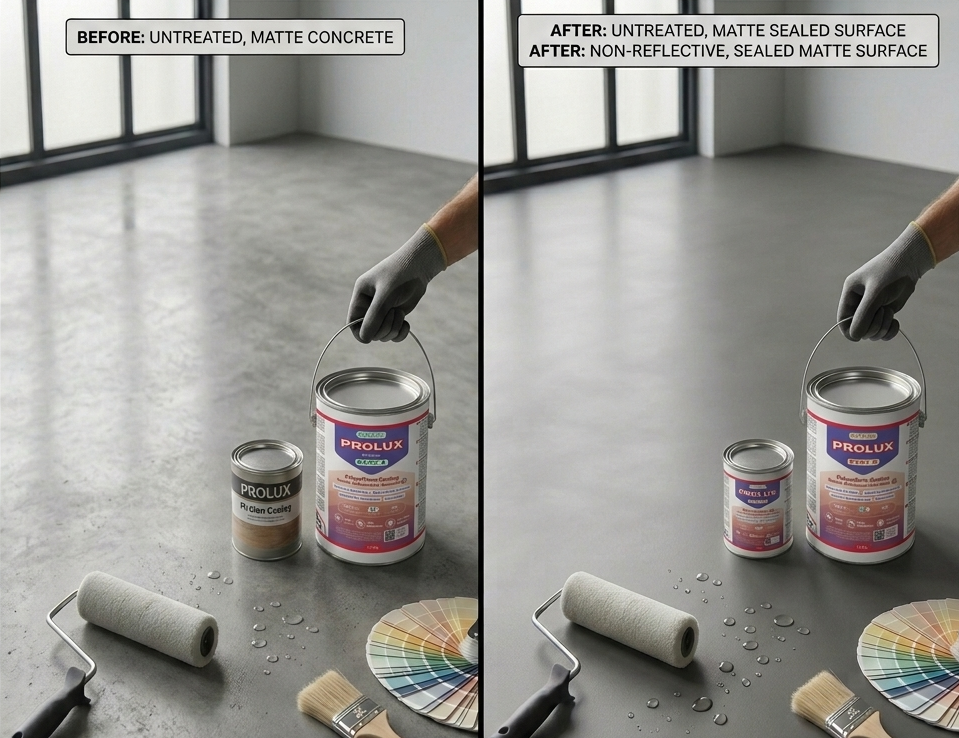
For floor sealers and anti-infiltration finishes, following the per-layer guidance is also the best way to keep the protective film even and continuous across the surface.
Related products
Related guides
Working within the stated thickness limit is one of the simplest ways to avoid curing defects and maintain a protective, professional anti-infiltration finish. Where a deeper build is needed, multiple controlled layers are usually the more reliable route than a single thick pour.