 Free shipping on orders over £29,85
 Shipping Tracking!



 Google
 Facebook
Thin Layers for Durable Wood Protection Without Hiding the Grain
← Back to Waterproofing Wooden Roofs
Quick answer
Thin-layer wood protection is a finishing technique that builds durability through several light applications rather than one thick coating. It seals timber against moisture and everyday wear while keeping the natural grain, colour and texture visible. Low-viscosity resins, hard wax oils and clear epoxy coatings are often applied in thin passes to create a protective barrier that remains subtle enough not to mask the wood underneath.
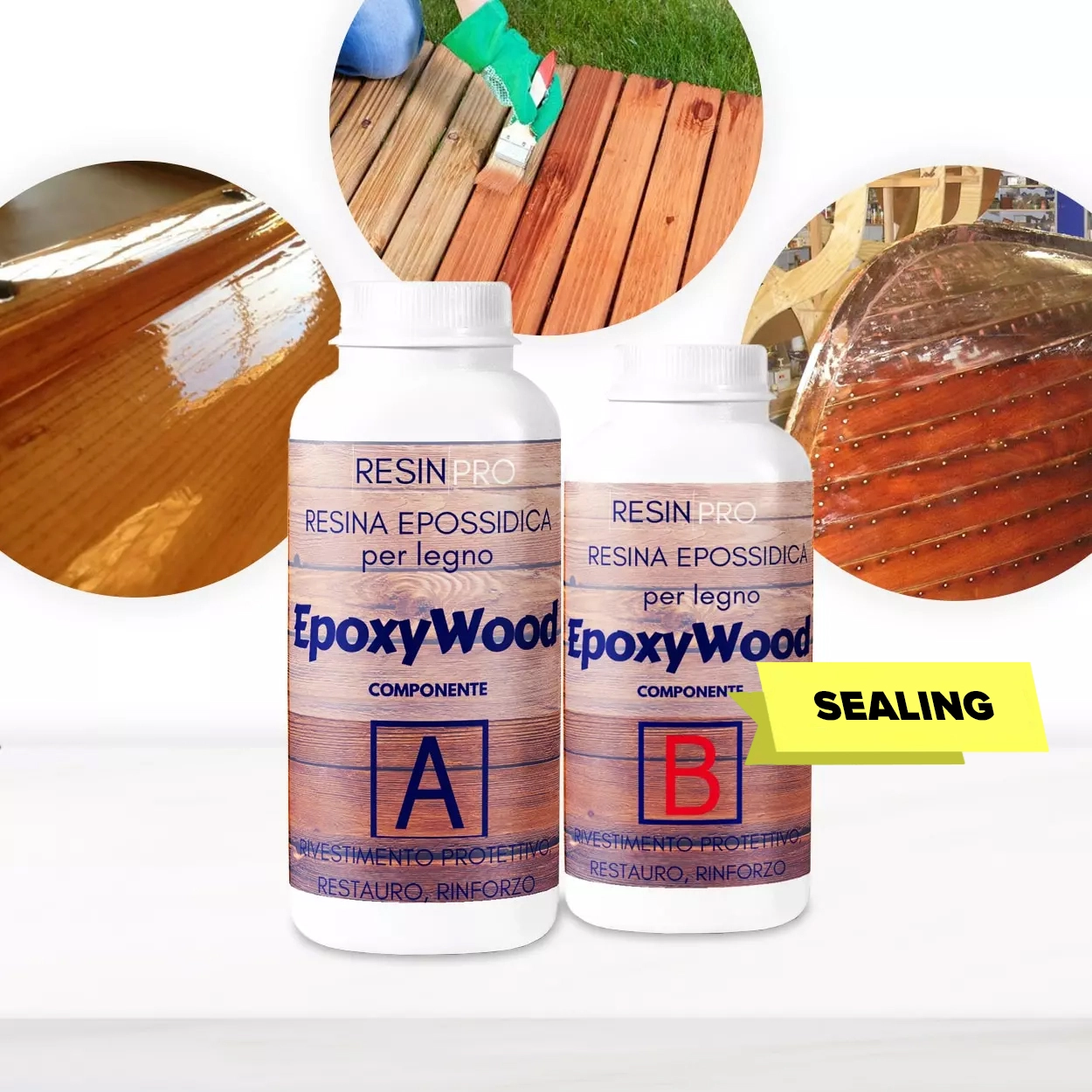
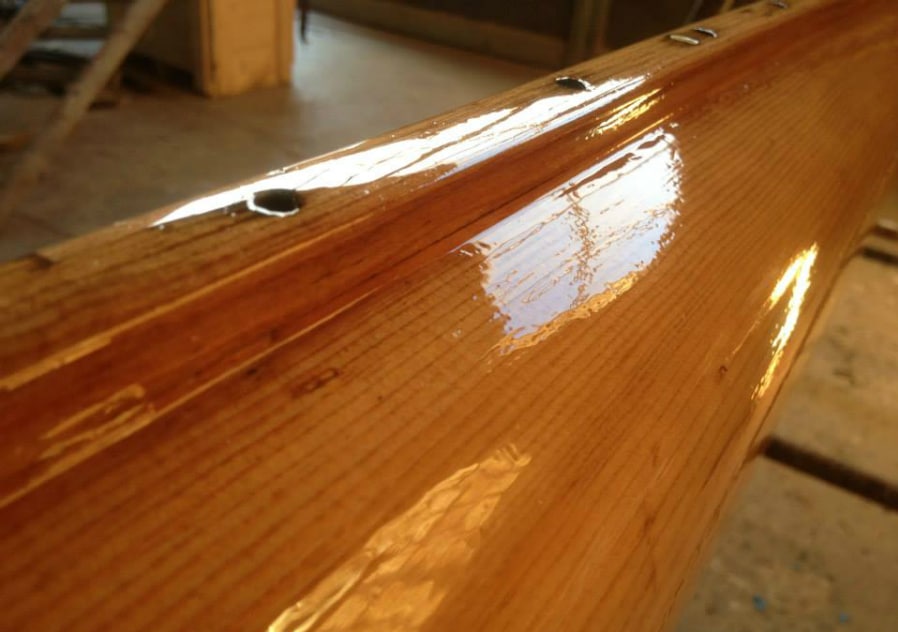
For wooden roofs and other exposed timber, thin coats are especially practical. They cure more evenly, reduce the chance of runs or cloudy patches, and make it easier to inspect the surface between layers. The result is protection that looks like wood first and a coating second.
Why thin coats preserve the wood’s appearance
Thin applications follow the natural profile of the timber instead of filling every pore and grain line. That keeps the surface looking tactile rather than plastic-coated. For roof boarding, cladding or decorative beams, this means the wood’s colour and figuring remain easy to read after sealing.
Working in thin coats also makes it easier to control the finish on wide or uneven areas, which is useful for roof boarding or sections that are difficult to coat in one pass.
Choosing a finish and application basics
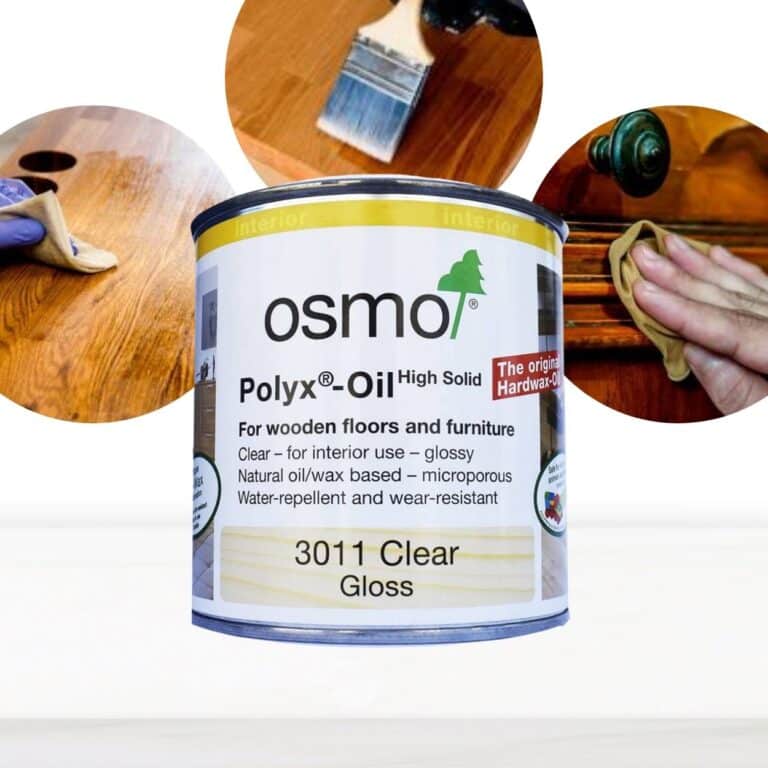
Hard wax oils are a straightforward option for a low-build, natural finish. “Osmo” – Hard Wax Oil for Wood Protection and Finish, Gloss & Matt applies thinly with a brush or roller, resists water, and can be spot repaired without stripping the whole surface. Clear epoxy systems suit projects where you want more film strength while keeping the wood tone visible, and low-viscosity penetrating epoxy can reinforce fragile timber before topcoating.
- Work on clean, dry timber and keep coats light.
- Allow full curing between layers to avoid soft spots.
- Use the sheen level that best matches the surrounding woodwork.
When this matters
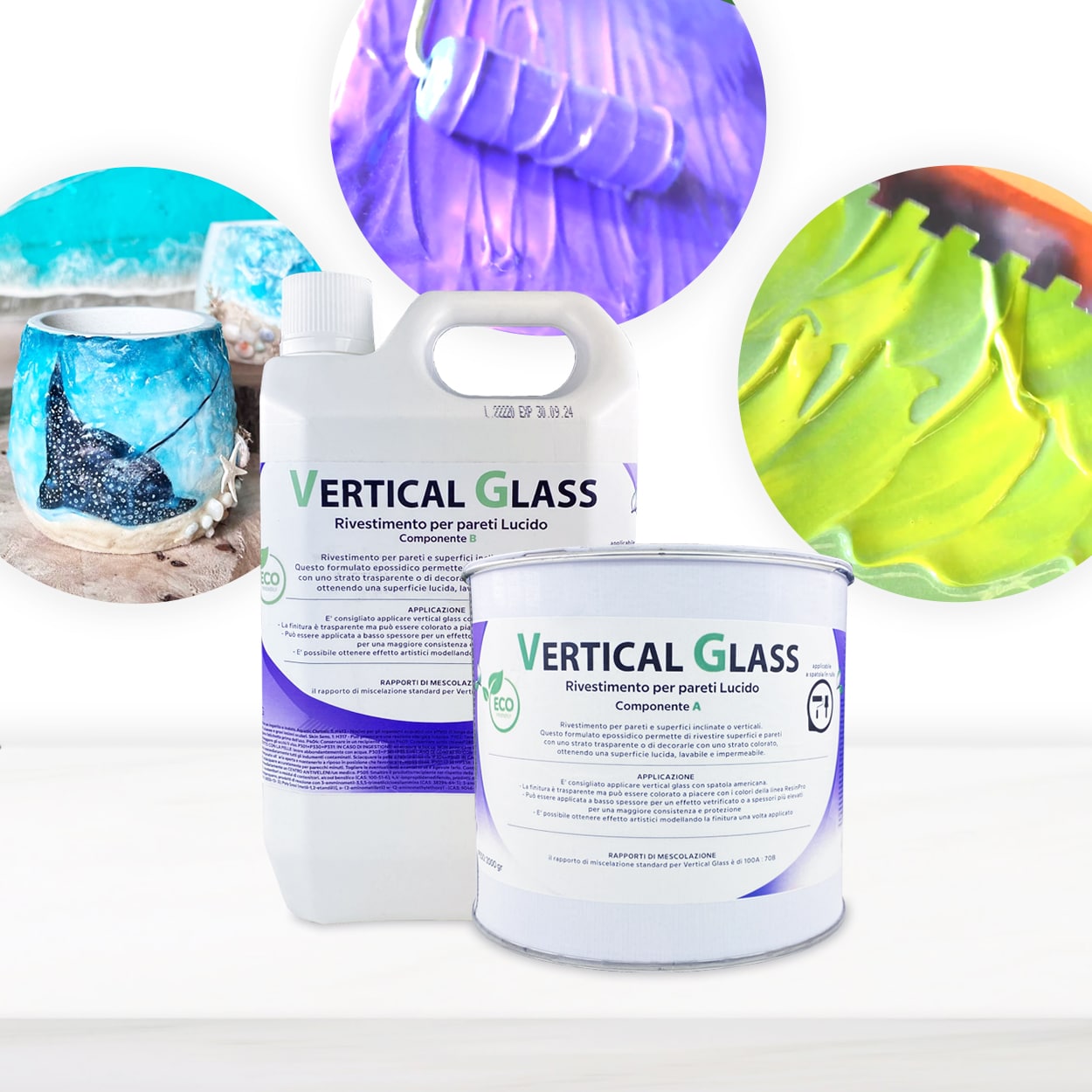
This approach is most important when the wood itself is a design feature, such as roof boarding, exposed rafters, balustrades or restored joinery. Thin-layer building protects these areas without making them look as though they have been dipped in plastic. It is also practical on sloping or vertical surfaces where a heavy coat may sag or pool.
For exterior or moisture-exposed timber, check that the chosen finish is suitable for the expected conditions and recoat according to the manufacturer’s guidance rather than relying on one thick application.
Related products
Related guides
Thin-layer protection fits naturally into a wider waterproofing plan for wooden roofs. When paired with good drainage, careful joint sealing and the right surface preparation, it keeps the timber safe from water ingress while preserving the character that makes wood worth protecting in the first place. See the main waterproofing wooden roofs guide for more context on moisture management.