 Free shipping on orders over £29,85
 Shipping Tracking!



 Google
 Facebook
UV-Stabilised Black Polypropylene Construction for Weather Resistance
← Back to UV-resistant camper membrane
Quick answer
UV-stabilised black polypropylene is a weather-resistant plastic formulation commonly used for outdoor ground fixings and geotextile membrane accessories. The material combines polypropylene with UV stabilisers and black pigmentation, which together help reduce the embrittlement and fading caused by prolonged sunlight exposure. In resin bound driveway and camper membrane work, this construction allows fixing pegs and similar components to maintain a more reliable hold in soil or compacted sub-base over time, even where UV levels are high.
Many outdoor resin and membrane installations fail because fixings become brittle after repeated sun exposure. The use of UV-stabilised black polypropylene helps address that by slowing the effects of UV light, keeping ground anchors and membrane fixings secure across changing seasons. Here is what that means in practice.
How UV-stabilised black polypropylene resists weathering
Polypropylene is widely used outdoors because it is tough, lightweight and resistant to moisture. However, untreated polypropylene can become brittle after long exposure to sunlight. UV-stabilised grades are formulated with additives that absorb or block UV energy, slowing the chemical breakdown that leads to cracking and loss of strength.
The black colouration is not merely cosmetic. In many outdoor plastics, carbon black acts as an additional UV screen, helping to protect the polymer beneath the surface. This is why black polypropylene fixings and ground anchors are often chosen for sunny, exposed installations.

Where this matters in resin bound and camper projects
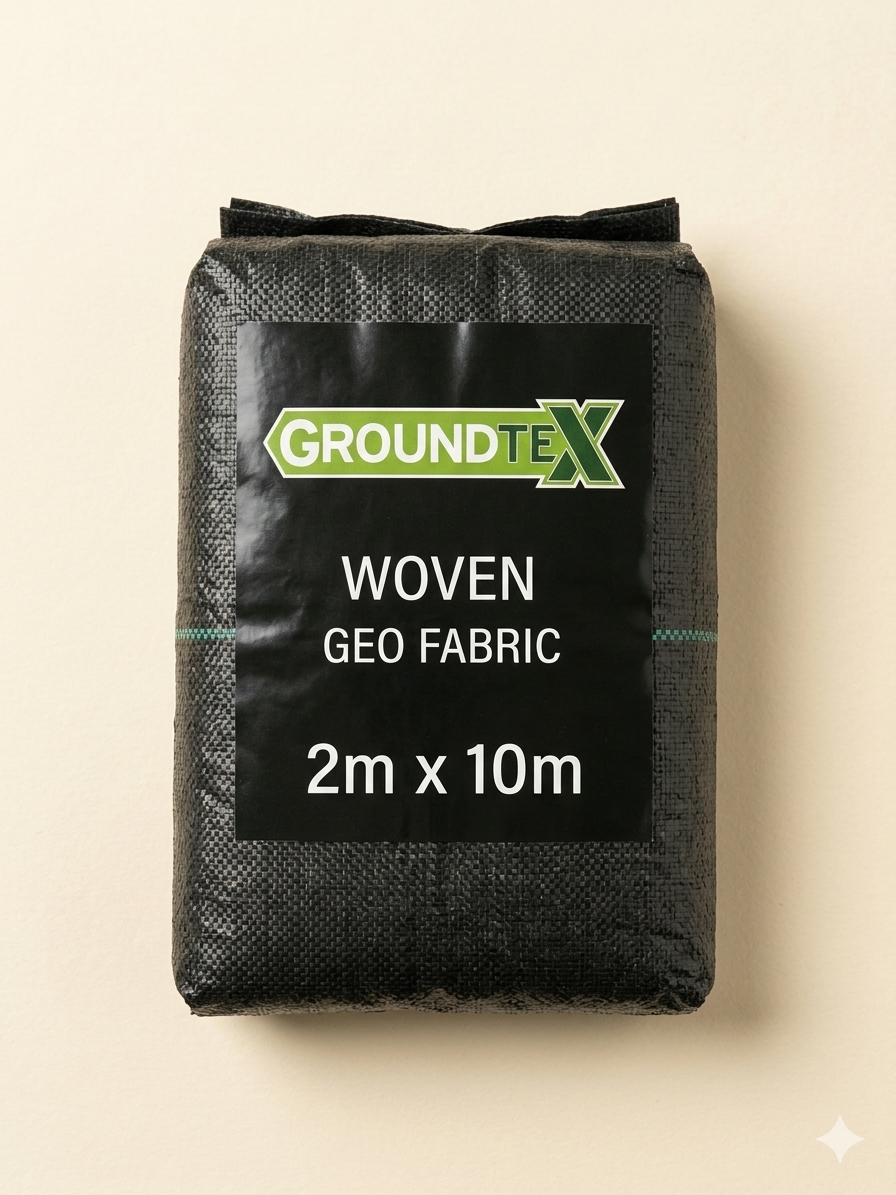
In practice, UV resistance matters most when components are left outdoors for months or years. Resin bound driveways and camper or membrane projects often involve geotextile layers that must be held firmly before the surface is poured. If a fixing peg becomes brittle, it can snap during installation or lose grip as the ground shifts.
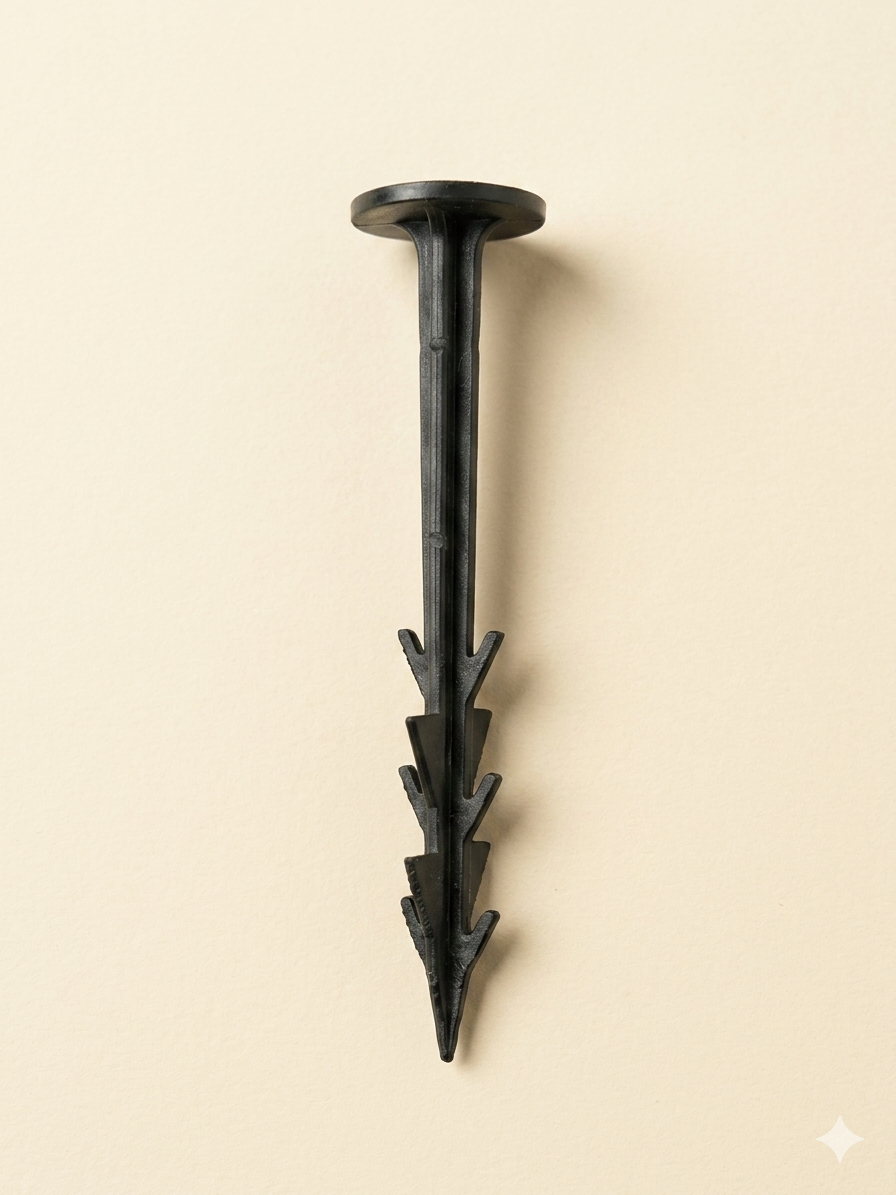
A product such as the Weed Membrane Fixing Peg is designed specifically for this role. Its UV-stabilised black polypropylene construction helps the peg withstand outdoor conditions while the barbed spike holds woven and non-woven membranes in place.
- Reduced risk of snapping during installation
- Better long-term grip in soil and compacted sub-base
- Suitable for use with woven and non-woven geotextiles
Choosing and using UV-stable fixing pegs
When buying fixing pegs for outdoor membrane work, look for a stated UV-stabilised polypropylene construction rather than standard plastic. This gives a clearer indication that the product has been formulated for prolonged exposure. Check the spike length and barb design against your sub-base type; compacted stone and firm soil usually require a more aggressive hold than loose sand.
For best results, install pegs at regular intervals around the membrane edges and across seams before pouring resin or placing surface material. This keeps the geotextile flat and prevents movement that could compromise the finished surface.
- Choose UV-stabilised polypropylene for exposed installations
- Match peg length to soil or sub-base density
- Space pegs evenly to hold membrane seams securely
Related products
Related guides
Weather-resistant fixings are a small but important part of long-lasting outdoor resin and membrane installations. Using UV-stabilised black polypropylene pegs helps keep geotextile layers secure before and during the pour, reducing the chance of wrinkles or shifts. For broader guidance on membrane selection and outdoor performance, see our UV-resistant camper membrane guide.