 Free shipping on orders over £29,85
 Shipping Tracking!



 Google
 Facebook
Why UV and Weather Resistance Matter in Roof Coatings
← Back to Waterproofing for sloped roofs
Quick answer
UV and weather resistance in roof coatings are the properties that allow a cured film to withstand sunlight, temperature shifts and rain without breaking down. On sloped roofs, these qualities help prevent surface cracks, colour fading and loss of adhesion, all of which can allow water to reach the substrate. A coating with good exterior durability keeps the waterproofing layer intact for longer and reduces the frequency of inspection and recoating.
Sloped roofs spend their entire service life exposed to the elements, so surface protection is only as good as the coating’s ability to stay intact. The points below explain what UV and weather resistance actually do and how to factor that into your choice.
What UV and weather exposure does to a roof coating
Sunlight and changing weather place continuous stress on the surface of a roof coating. Ultraviolet light can degrade the resin binder, while repeated heating and cooling causes the film to expand and contract.
- Cracking: Shrinkage and movement can open small fissures that let water through.
- Fading: Pigments may lose colour when the coating is not stabilised for exterior use.
- Loss of adhesion: Weathering can weaken the bond between the coating and the prepared substrate.
Once water enters through these defects, it can reach insulation, timber or masonry and lead to more extensive repairs.
Choosing a coating for an exposed sloped roof
For exterior use, look for coatings that state UV resistance, weathering resistance or suitability for exposed areas. The right choice also depends on the roof substrate, so check whether the product is suitable for concrete tiles, metal, fibreglass or prepared timber before buying.
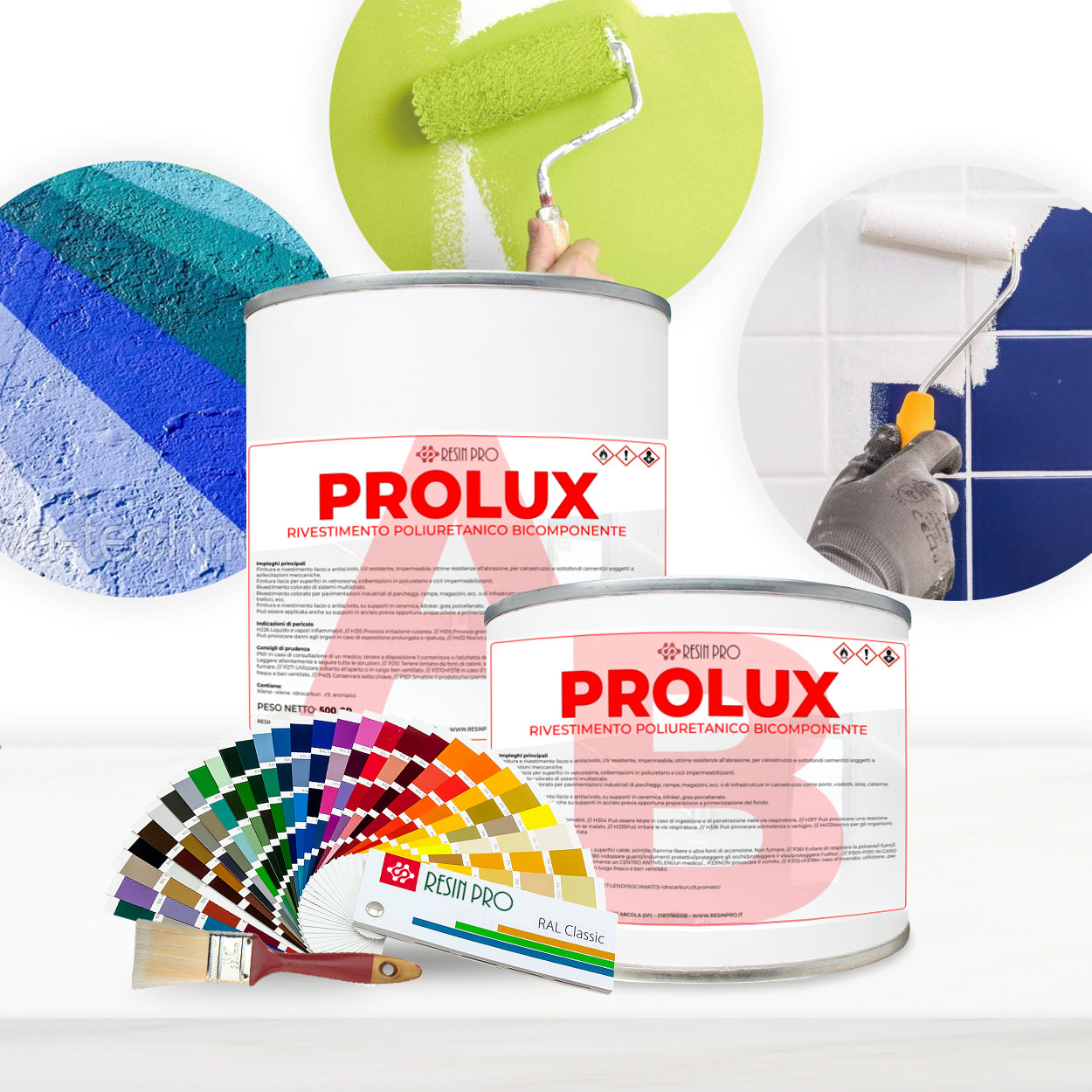
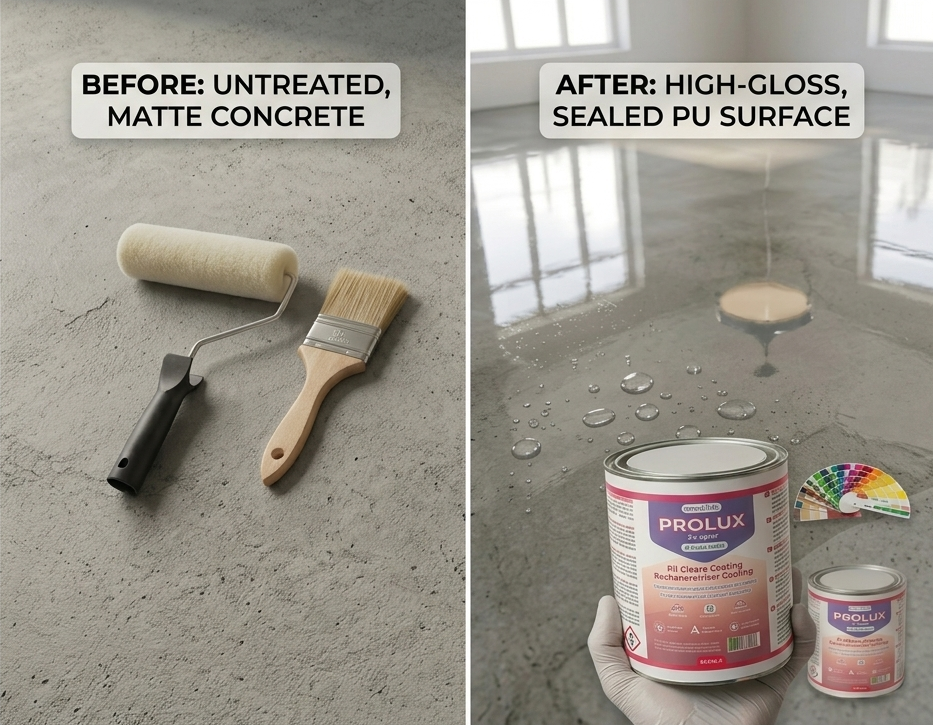
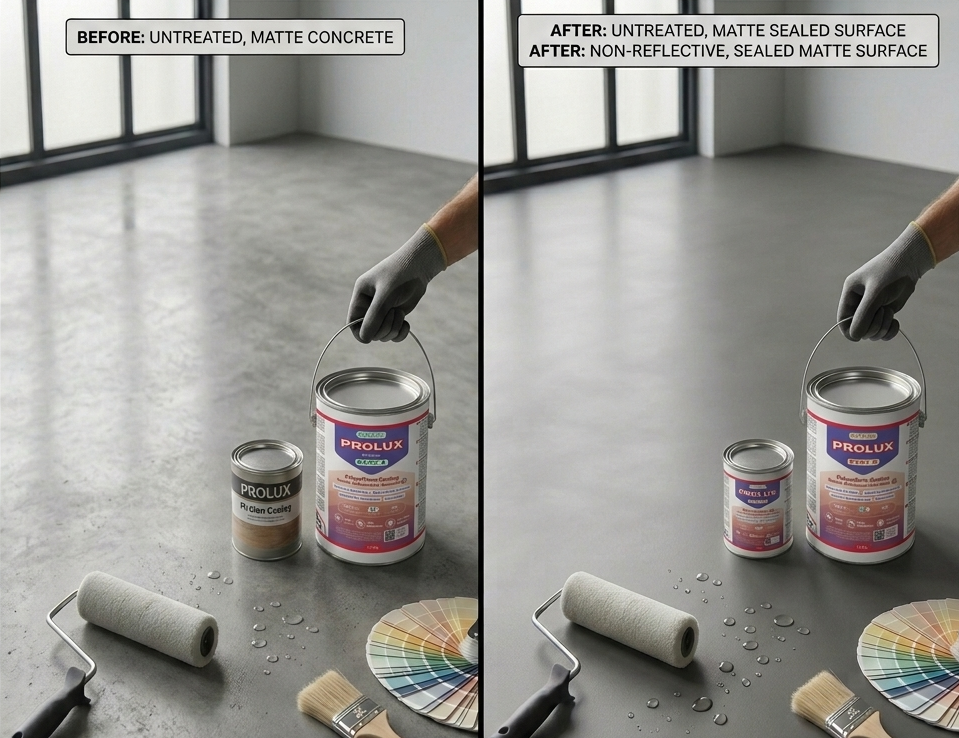
A two-component aliphatic polyurethane such as the Prolux PU coating is formulated to resist UV, yellowing, abrasion and weathering on properly prepared surfaces. For concrete details or adjacent paving, a breathable methacrylic sealer like Resinstone also offers UV and weather protection. Where cracks or joints need repair before coating, an epoxy mastic such as Magelstick can help restore a sound surface.
When UV and weather resistance matters most
Exposure matters more on roofs that face south or west, receive little shade, or are located in regions with long sunny spells and heavy rain. Coatings on metal and single-skin roofs can experience more thermal movement, so a durable, weather-resistant film is particularly useful.
If an existing coating appears chalky, faded or cracked, it may no longer be keeping water out. Addressing those signs before winter or the next wet season is usually less disruptive than repairing water damage later.
Related products
Related guides
UV and weather resistance are a practical part of waterproofing for sloped roofs, helping the protective layer survive sun, rain and temperature changes without losing its seal. Selecting a coating with these qualities and preparing the surface properly gives the roof a much better chance of staying watertight over time.