 Free shipping on orders over £29,85
 Shipping Tracking!



 Google
 Facebook
Applying CE-Certified Waterproofing Coating in Damp or Wet Areas
← Back to CE-certified waterproofing agent
Quick answer
CE-certified waterproofing coatings are formulated for application in damp or wet areas, producing a water-resistant film over the prepared substrate. This type of finish is intended to withstand humid conditions, splashing, and occasional standing water without losing adhesion or clarity. The result is a surface that blocks moisture ingress and remains cleanable, although the exact performance depends on the specific formulation, substrate condition, and application thickness.
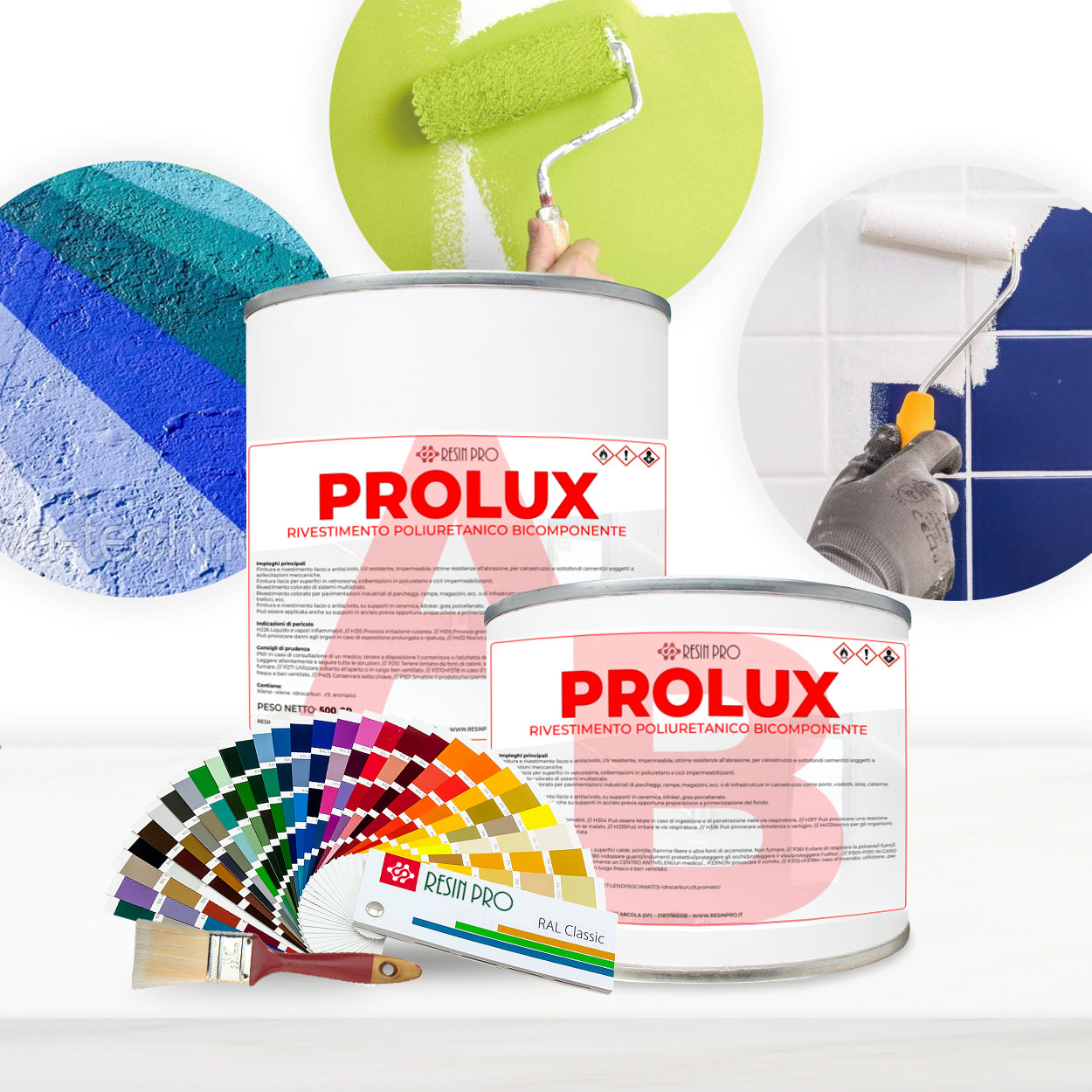
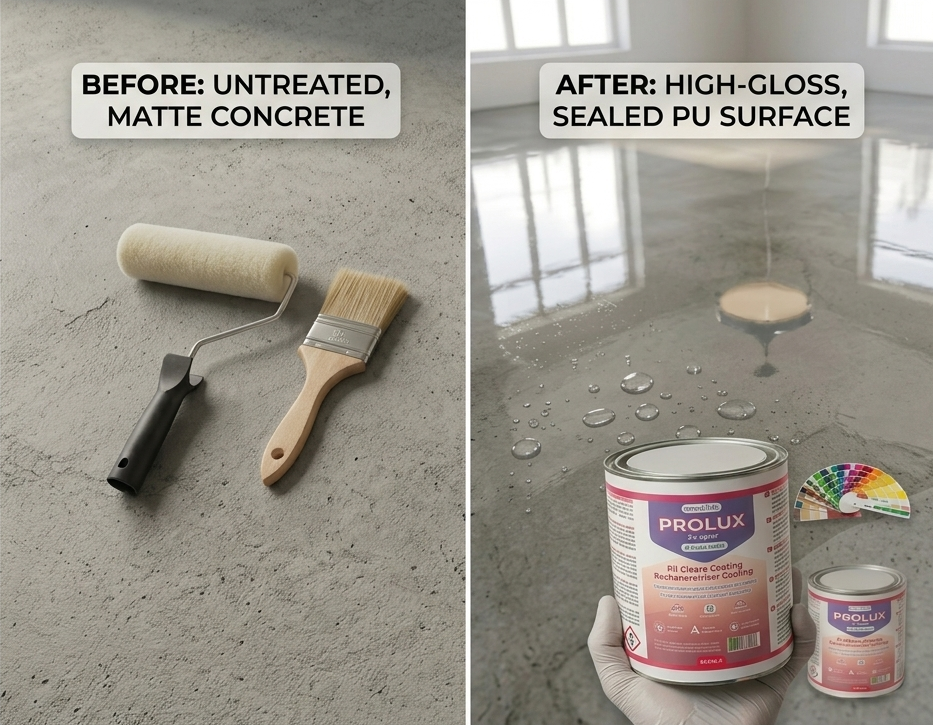
Damp conditions do not automatically mean a resin coating is unsuitable. The real question is whether the product is specifically designed for moisture exposure and whether the surface is clean enough to bond. Below, we look at how these waterproof systems behave in wet areas and what to check before buying or applying one.
How a damp-area waterproof coating behaves
A coating made for damp or wet areas creates a continuous barrier that helps prevent water from soaking into the substrate. This is particularly useful on concrete floors, tiled surfaces and external walkways where moisture is common. Rather than simply sitting on top, the resin bonds to the prepared surface and forms a hard, cleanable layer that can handle regular water contact.
It is still important to distinguish between dampness and a flooded surface. A damp substrate or occasional wetting is usually within scope, but pooling water should be removed before application so the coating can cure evenly and achieve full adhesion.
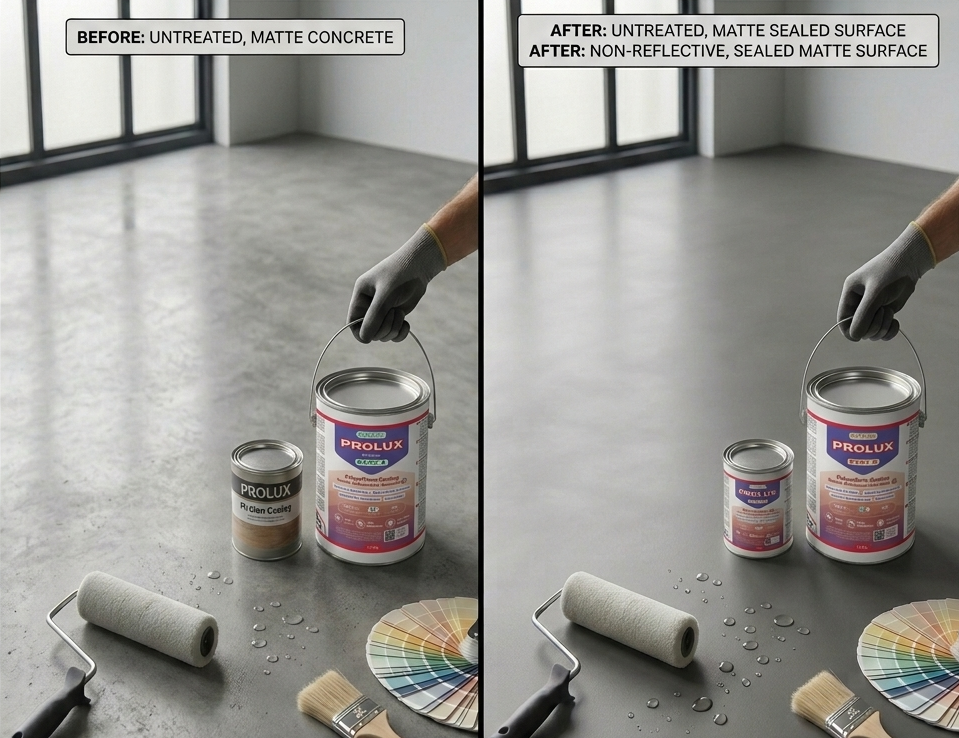
Preparation and application essentials
Even a waterproof coating relies on proper surface preparation. Loose debris, oil, dust and old flaking coatings should be cleaned or removed first. For concrete and masonry, the surface should be sound and free from excessive moisture movement. If you are working on metal, make sure it is properly prepared as recommended by the manufacturer.
- Check the product data sheet for the maximum acceptable moisture level.
- Remove standing water and allow the surface to reach a workable condition.
- Plan for cure time, especially in humid or cool environments where drying may take longer.
When choosing a damp-area system matters
This decision becomes especially important in garages, utility rooms, external ramps and wash-down areas. A coating that is not formulated for moisture can fail at the bond line, leading to peeling or clouding. Choosing a waterproof finish from the start helps avoid remedial work and keeps the surface easier to clean.
For a product designed with damp and high-traffic areas in mind, the “Prolux” – PU coating for tiles, concrete, plastic and metal – suitable for driveable surfaces is one option to compare. Its polyurethane formulation is intended for damp areas, and it is CE marked to EN 1504-2, with a Declaration of Performance available from the manufacturer.

Related products
Related guides
Damp and wet conditions are not automatically a barrier to resin coating, provided you select a product designed for that purpose and follow the preparation guidance. For broader advice on CE-certified waterproofing agents and related resin systems, check the main waterproofing guide before making your final choice.