 Free shipping on orders over £29,85
 Shipping Tracking!



 Google
 Facebook
What are the best polishing techniques for resin?
Achieve a flawless, glossy finish with advanced resin polishing tools


Mastering the art of resin polishing can make all the difference to the final look of your projects—whether you’re working on epoxy river tables, resin jewellery, or automotive surfaces. This page guides professional resin artists, DIY enthusiasts, and hobbyists through the top products and methods for achieving a flawless, glossy finish on all your resin creations. Here, you’ll find everything you need to know about choosing the right polish, sanding pads, and polishing systems for your needs.
Overview: Comparing the Best Resin Polishing Techniques
Polishing resin involves a multi-stage approach: carefully sanding the surface, then refining and buffing with specialised polishes to eliminate scratches and enhance the depth of gloss. Key factors in choosing polishing products include the level of scratches to remove, surface colour, and compatibility with various application tools. For instance, high-quality sanding pads like “Ebonite Abralon” – Sanding Pads 360-4000 Grit for Resin and Wood excel in controlled sanding, while finishing polishes such as “Epoxy Polish” – Epoxy Resin Polishing System or “Carbon Polish” – Polishing System for Dark and Black Surfaces, 250ml target specific resin project needs. The right equipment—including polishers and pads—is crucial for consistent, professional results.

See Polishing in Action
Watch real-life resin polishing projects showcasing transformation from rough to high-gloss finishes. Notice how sanding and polishing systems create a smooth, crystal-clear result on river tables, artwork, and crafts.
For more examples and guides, explore our Sanding and polishing solutions.
“Epoxy Polish” – Epoxy Resin Polishing System
The “Epoxy Polish” – Epoxy Resin Polishing System provides an advanced formula to restore gloss and remove micro-scratches. Made for both DIYers and professionals, it delivers a mirror-like finish with straightforward application. Its Professional-Grade Formula is designed for use with polishing pads or a rotary polisher, eliminating swirls via Anti-Hologram Technology. If you want fast results and minimal effort, this system stands out for its Effortless Scratch Removal. It suits a range of applications, from elaborate artwork to daily-use tabletops, and covers carbon fibre and plastics as well as resin surfaces.
“Ebonite Abralon” – Sanding Pads 360-4000 Grit for Resin and Wood
Start every successful resin polishing effort with the right abrasives. The “Ebonite Abralon” – Sanding Pads 360-4000 Grit for Resin and Wood are engineered for fine control and detailed finishing. Their foam-backed design ensures a uniform finish, preventing uneven pressure and gouges. With grits ranging from 360 to 4000, you can gradually and safely remove imperfections before polishing. Available in grits from 360 to 4000 for precise sanding, these versatile pads work equally well for wet or dry sanding, making them perfect for both initial surface smoothing and final touch-ups.
“Carbon Polish” – Polishing System for Dark and Black Surfaces, 250ml
If your resin project involves dark or black bases—particularly carbon fibre or tinted epoxy—choose a product designed to prevent residue and maintain a true deep gloss. “Carbon Polish” – Polishing System for Dark and Black Surfaces, 250ml stands out with its Special Formula: odourless, non-whitening, silicone-free, and safe for plastics. Its easy application by hand or power tool, paired with the ability to achieve a brilliant gloss without white marks, makes this polish ideal for demanding resin projects seeking a professional black or carbon finish.
1200W Polisher for Sanding and Buffing – Variable Speed, D-Handle
For those ready to take polishing to the next level, the 1200W Polisher for Sanding and Buffing – Variable Speed, D-Handle offers enhanced control and efficiency. Its Variable Speed Control helps you tailor the process to the project, from careful sanding with lower speeds to high-gloss polishing at high RPMs. The Sturdy D-Handle improves precision during extended use, and a Quick Change Mechanism simplifies pad swaps and maintenance. Combining this polisher with the right abrasive pads and polishing systems ensures a deep, uniform shine on every resin piece.
Project Tips: Maximising Results on Different Surfaces
To ensure stunning outcomes, always clean surfaces thoroughly before starting, begin with coarser grits and progress to finer ones, and use correct wiping techniques between each sanding and polishing stage. For dark or black surfaces, avoid generic abrasives that can leave unwanted marks—specialist products like “Carbon Polish” – Polishing System for Dark and Black Surfaces, 250ml deliver superior clarity. The correct pairing of pads, polish, and power tool not only speeds the process but also gives a durable, professional shine that lasts.
Practical Advice: Surface Tips
Remember to change polishing pads between stages and use clean microfibre cloths to prevent scratches or swirl marks. For the best results, test on a small area before proceeding with your entire resin project.

- "Epoxy Polish" – Epoxy Resin Polishing SystemPrice range: £18.95 through £47.45"Epoxy Polish" provides an advanced polishing system suitable for epoxy resin projects, delivering a glossy finish with ease.
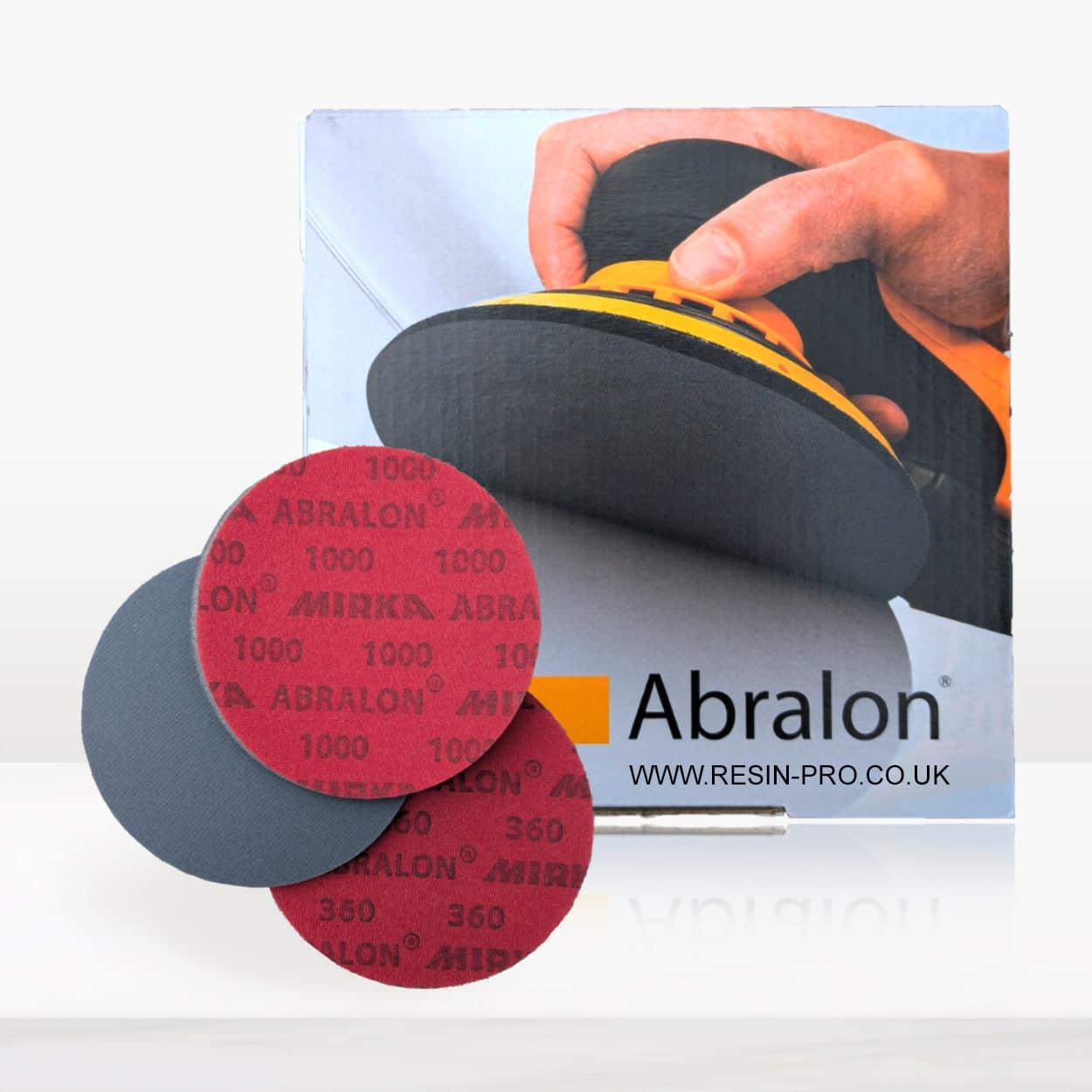 "Ebonite Abralon" – Sanding Pads 360-4000 Grit for Resin and Wood£4.15Ebonite Abralon Sanding Pads suit resin and wood polishing with grits from 360 to 4000 for detailed finishing in polishing techniques.
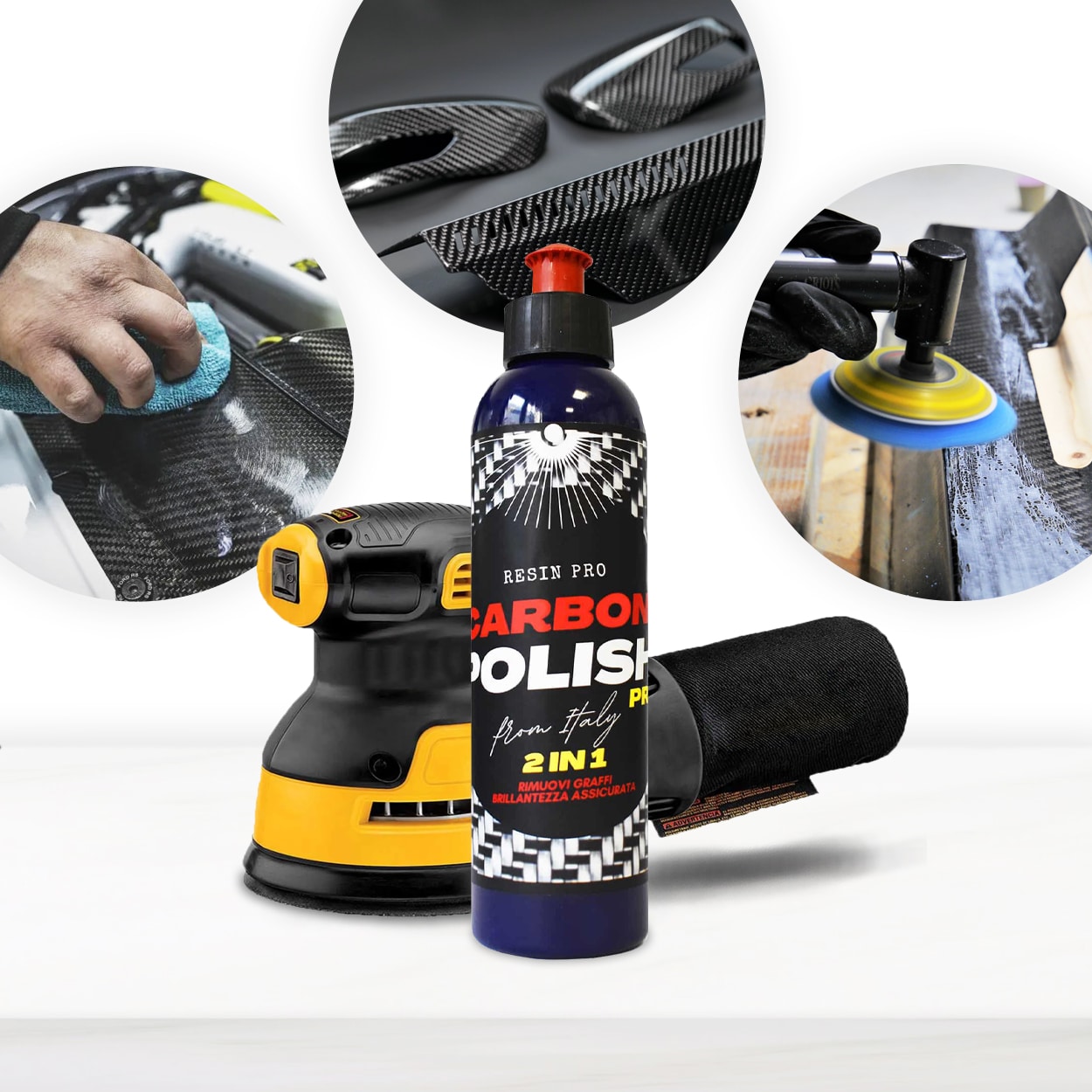 "Carbon Polish" – Polishing System for Dark and Black Surfaces, 250mlPrice range: £18.95 through £47.45Carbon Polish is designed for polishing carbon and dark surfaces in epoxy resin projects, offering a brilliant finish with easy application.
 1200W Polisher for Sanding and Buffing – Variable Speed, D-Handle£90.45A versatile 1200W polisher designed for sanding and buffing resin projects with variable speed and improved grip.
Frequently Asked Questions
Do I need to sand before polishing resin?
Yes, sanding removes surface imperfections and evens out the resin, preparing it for the final glossy polish.
Which grit should I start sanding resin?
Begin with a lower grit like 360 for rough surfaces, progressing to 4000 for a smooth, polish-ready finish.
How do I prevent scratches and swirl marks during polishing?
Use clean pads, work through the grits methodically, and avoid applying too much pressure during polishing.
Which polish should I use for dark or black resin surfaces?
Choose a dedicated product like Carbon Polish, which won’t leave white residues or dull the surface.
Is machine polishing better than hand polishing?
Machine polishing delivers faster, more consistent results, but careful hand polishing is suitable for smaller or intricate projects.
Do I need special equipment for resin polishing?
While machine polishers provide the best results, it’s possible to achieve a fine finish with quality pads and hand techniques.
Can epoxy polish be used on other surfaces?
Yes, high-quality epoxy polishes are suitable for carbon fibre and some plastics in addition to resin.