 Free shipping on orders over £29.85
 Shipping Tracking!



 Google
 Facebook
What are the best techniques for mixing epoxy resin?
Master bubble-free, accurate mixing for perfect resin results


Mixing epoxy resin might seem straightforward, but achieving a flawless, bubble-free, and fully cured finish requires some know-how. This page explores the top techniques, handy tools, and reliable methods for both beginners and professionals aiming for the very best results with their resin projects. Whether you are creating art, jewellery, or functional pieces, understanding the right mixing approach—and which accessories to use—can save you time, money, and frustration.
Comparison of the Best Mixing Techniques and Tools
When it comes to mixing epoxy resin, the right technique and tool combination makes all the difference. Precision in measuring components is crucial; using scales helps avoid sticky or improperly cured resin. Mixing by hand is an option, but innovative tools like anti bubble mixers substantially reduce imperfections. Flexible containers, such as silicone cups or specialised bucket kits, streamline both the mixing process and the cleaning afterwards, whereas rigid or disposable containers often retain residue and are harder to reuse. Below, we break down the top tools for each step and highlight their unique strengths.
Visual Guide: Essential Mixing Tools in Action
See the transformative impact that precision scales, reusable anti bubble mixers, and flexible buckets have on your resin projects. A set-up with the right measuring and mixing equipment is the foundation for reliably smooth, flawless pours in every creative session.
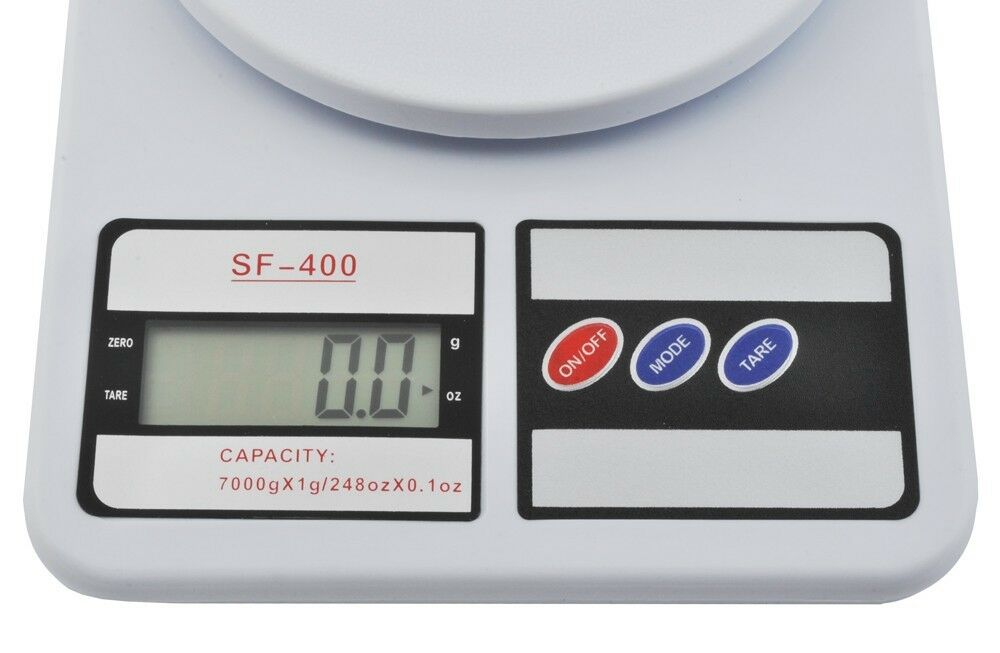
Precision Digital Scales for Resin and Crafting, 1g–7kg
Proper resin mixing begins with accurate measurement of both resin and hardener. The Precision Digital Scales for Resin and Crafting, 1g–7kg are designed to weigh as little as 1g up to 7kg, ensuring you always achieve the correct ratios required for ideal curing. With an easy-to-read display and a compact form, these scales fit neatly into any workspace, making them a staple for both professionals and hobbyists alike. Using these scales helps guarantee that your projects remain consistent every time.
Anti Bubble Mixer for Epoxy Resin – Reusable Mixing Tool
Bubbles are a frequent challenge for resin artists, but careful mixing with the right tool mitigates this issue. The Anti Bubble Mixer for Epoxy Resin – Reusable Mixing Tool makes it easy to stir gently and avoid introducing air, a common pitfall with vigorous manual mixing. Its reusable, eco-friendly design saves both time and waste, while producing reliable, bubble-free results. Ideal for crafters and professionals seeking a polished, glassy finish.
Mixing Buckets Kit for Epoxy Resin Art – Easy Clean Flexible Design
Efficient mixing is also about convenience and clean-up. The Mixing Buckets Kit for Epoxy Resin Art – Easy Clean Flexible Design features flexible walls that let you simply squeeze out cured resin, minimising waste and effort. Perfect for all types of resin art, these buckets withstand regular use and come in practical sizes, so you can easily mix the right amounts. Their versatility makes them indispensable for both intricate artwork and larger pours.
Flexible Silicone Cup for Mixing and Pouring Resin
For smaller batches or more detailed projects, look to the Flexible Silicone Cup for Mixing and Pouring Resin. Its soft silicone material ensures easy removal of any cured resin—just squeeze the cup and it comes loose. Cleaning is quick, requiring only water and a bit of soap, and the cup’s design makes it ideal for careful pouring as well as mixing. It’s a time-saving upgrade over ordinary mixing cups.
Tips for Mixing Epoxy Resin: Achieve Consistency and Clarity
For the best results, always mix your resin in a dust-free, room-temperature environment away from direct sunlight. Use Precision Digital Scales for Resin and Crafting, 1g–7kg to ensure accuracy, and gently fold resin and hardener together using an Anti Bubble Mixer for Epoxy Resin rather than stirring too quickly. Switch to a Flexible Silicone Cup for Mixing and Pouring Resin or mixing buckets for easy decanting and cleaning. Avoid scraping the base or sides vigorously during mixing, as this can introduce unwanted air. With careful technique and the right tools, your resin stays clear, free of bubbles, and cures perfectly every time.
Expert Insights: Enhancing Your Mixing Workflow
Plan ahead—set out all your tools and containers before you start to prevent rushed mistakes. Clean as you go: products that are easy to wash or reuse streamline both your creativity and workspace, ensuring the next mix is always ready.
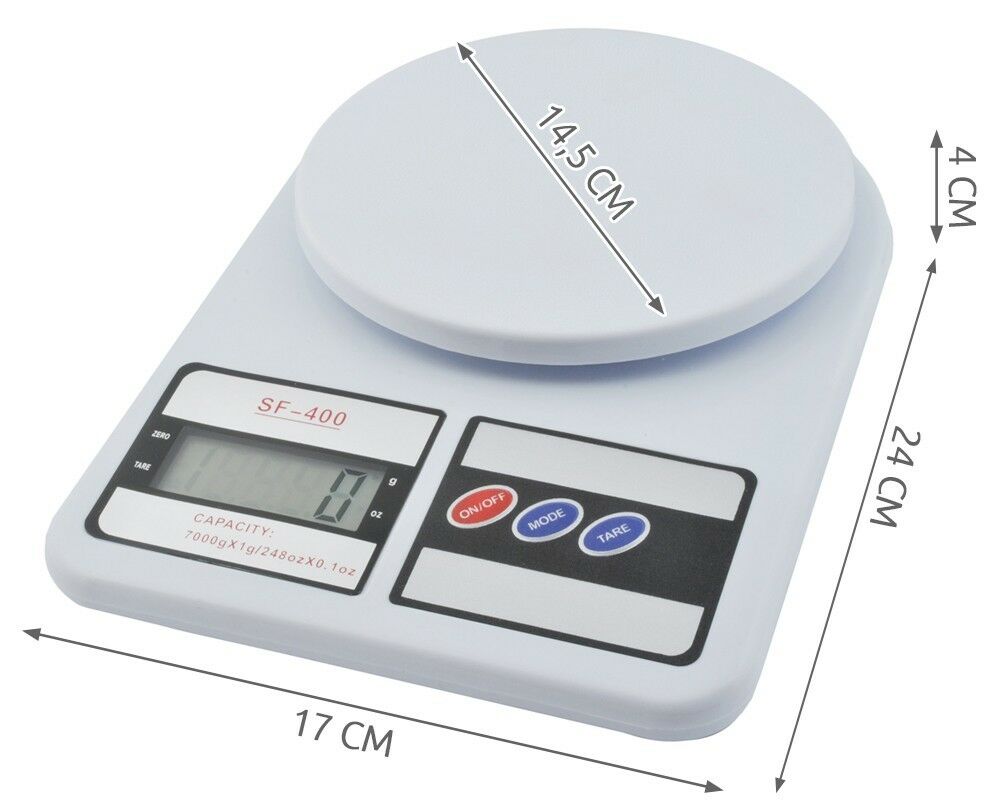
- Precision Digital Scales for Resin and Crafting, 1g–7kgPrice range: £8.45 through £24.00Digital scales designed to support precise resin weighing, suitable for careful mixing in crafting projects.
- Anti Bubble Mixer for Epoxy Resin – Reusable Mixing ToolPrice range: £4.95 through £12.45The Anti Bubble Mixer is a reusable tool designed for mixing epoxy resin without bubbles, supporting a neat finish.
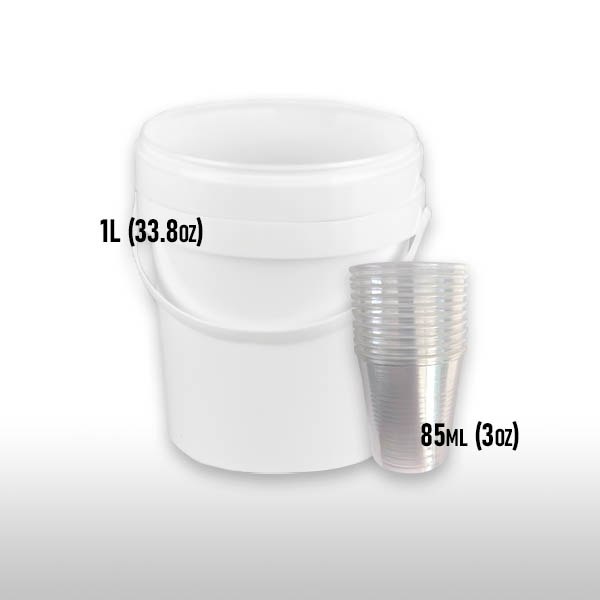 Mixing Buckets Kit for Epoxy Resin Art – Easy Clean Flexible DesignPrice range: £2.05 through £8.95The Mixing Buckets Kit provides a practical, flexible design for easy cleaning and various epoxy mixing tasks suited to resin art.
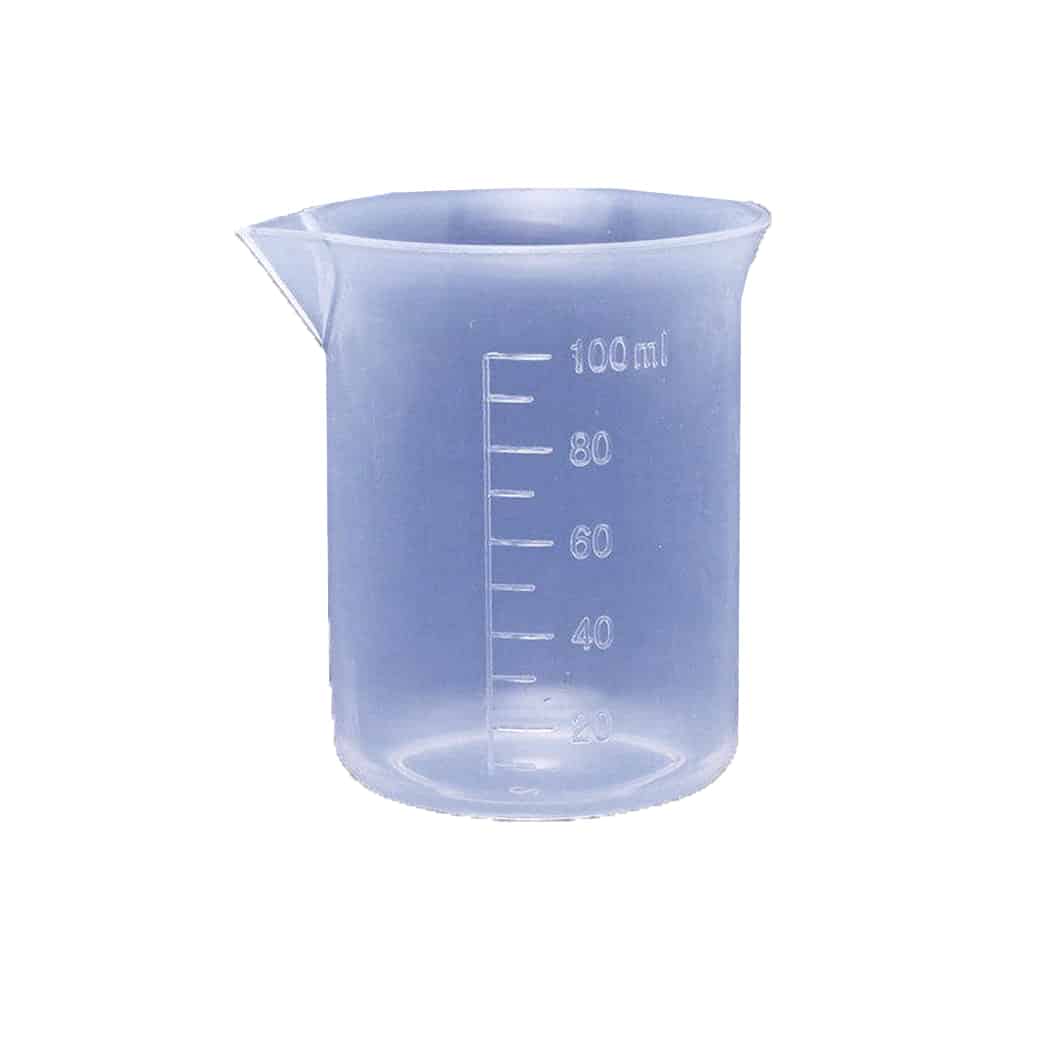 Flexible Silicone Cup for Mixing and Pouring Resin£6.45This silicone cup provides a flexible tool for mixing and pouring resin, designed for artists and DIY enthusiasts.
Frequently Asked Questions
Do I need special tools for mixing epoxy resin?
While you can mix by hand, tools like anti bubble mixers and silicone cups help achieve smoother, more consistent results and make clean-up easier.
How important is precise measuring?
Accurate weighing of resin and hardener is crucial to achieve full curing and avoid sticky or brittle outcomes.
Can anti bubble mixers reduce imperfections?
Yes, they help mix resin gently, reducing air bubbles and yielding a clearer, more professional result.
Are flexible cups better than disposable mixing containers?
Flexible cups are easier to clean and reuse, making them more practical and environmentally friendly for frequent resin work.
What should I do if my resin mix stays sticky or soft?
Check that your mix ratios are correct and thoroughly combined; under-measuring or undermixing are the main culprits.
How do I clean my mixing tools after epoxy resin?
Allow resin residue to cure, then gently flex silicone tools and buckets to peel off the cured layer; wash with water and soap for best results.
What is the best temperature for mixing epoxy resin?
Room temperature (about 20–25°C) ensures optimal mixing and curing, helping to avoid bubbles or curing issues.