 Free shipping on orders over £29,85
 Shipping Tracking!



 Google
 Facebook
What are the best techniques for polishing and finishing resin objects?
Quick answer
Polishing and finishing resin objects is essential to achieve a clear, glossy surface free from scratches or imperfections. This process involves gradually refining the surface with sanding pads, followed by specialised polishing creams for that mirror-like shine. Using the right tools and techniques ensures professional results for all resin creations, from artwork to furniture.


Expert methods for a flawless, high-gloss resin finish
Achieving a flawless polish on resin objects requires a blend of the right sanding, polishing systems, and reliable tools. Whether you are a hobbyist refining handmade jewellery or a professional working on resin tables, understanding the best techniques and available products will transform your results. This guide is ideal for anyone aiming to upgrade the finish of their resin projects—safely, efficiently, and with minimal effort.

Overview of Polishing and Finishing Resin Objects
Polishing resin is a process that demands careful progression through gradually finer abrasives, followed by the use of a specialised polish to remove micro-scratches and achieve glossy clarity. Key differences between products include grit selection for sanding, polish formulation for specific surfaces (such as clear or dark resins), and the use of power tools versus manual techniques. Choosing the right combination ensures fewer swirl marks, faster scratch removal, and a superior professional finish. Modern finishing systems often feature anti-hologram technology and are suitable for both epoxy and hybrid surfaces.

See the Polishing Process in Action
Discover close-up results from using sanding pads and polishing systems on resin tables, art, and jewellery. Witness clarity, gloss and intricate detailing on real working surfaces. Explore our Sanding and polishing category for more inspiration.
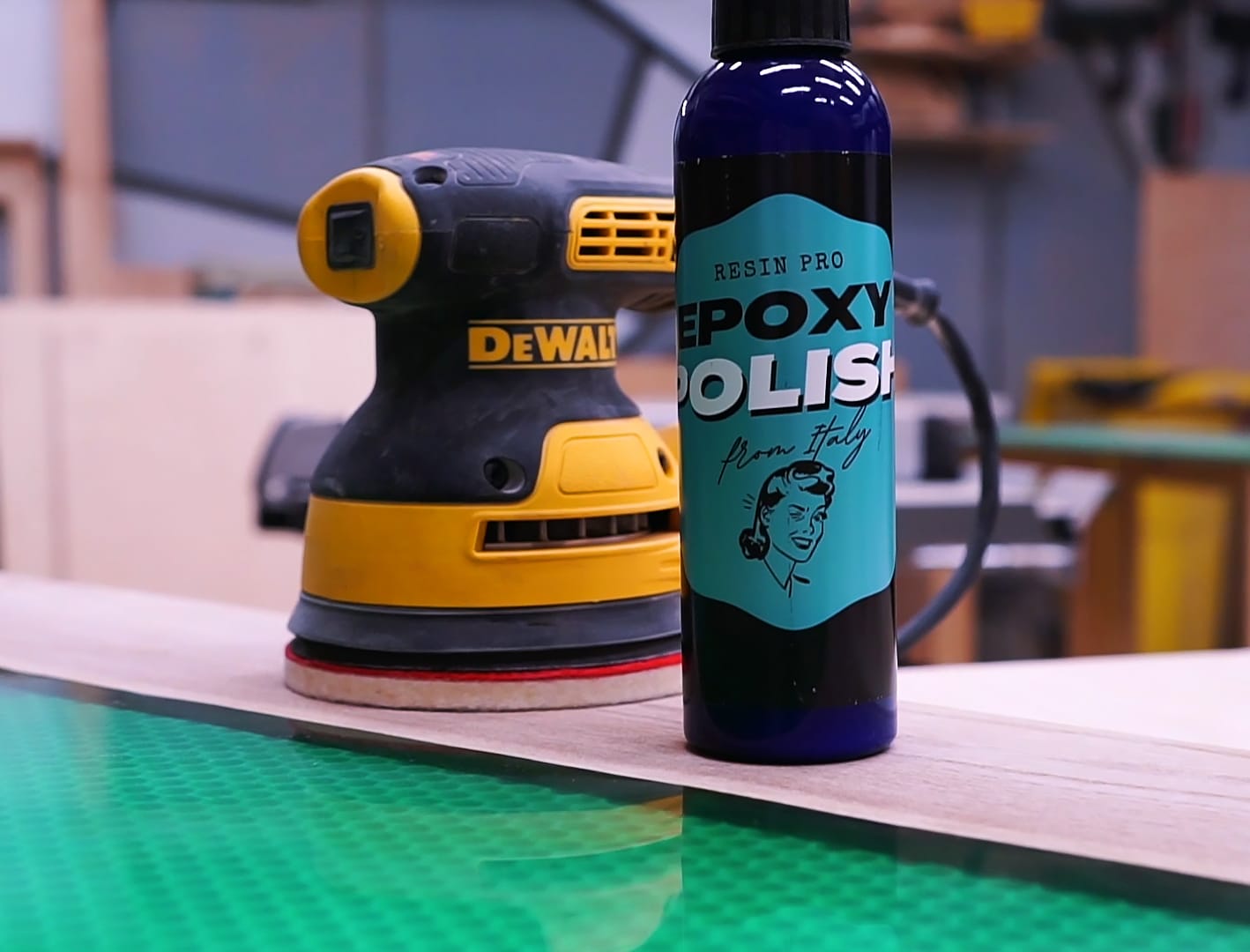
“Epoxy Polish” – Epoxy Resin Polishing System
The “Epoxy Polish” – Epoxy Resin Polishing System is specifically crafted for resin applications, making it ideal for both new crafters and experienced artists aiming for a mirror-like gloss. This advanced polishing cream eliminates scratches and dullness, leaving behind a crystal-clear, professional finish. The anti-hologram technology ensures no swirl marks, making it suitable for clear epoxy or pigmented projects. Its versatility spans multiple surfaces, with effortless application by hand or rotary tools—even including detailed instructions to help you achieve sparkling results with minimum effort.
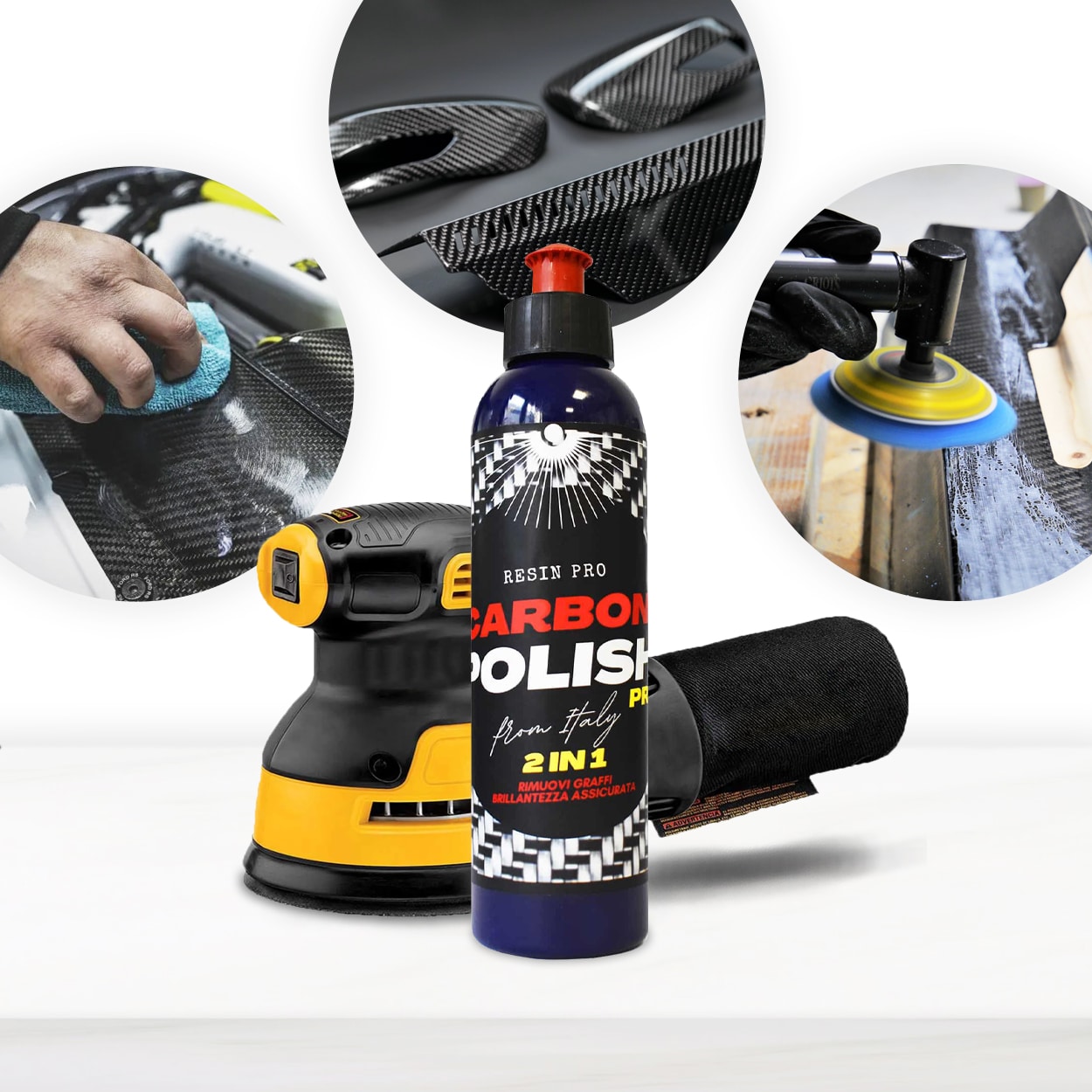
“Carbon Polish” – Polishing System for Dark and Black Surfaces, 250ml
If you work with dark, black, or carbon fibre resin projects, “Carbon Polish” – Polishing System for Dark and Black Surfaces, 250ml provides a non-whitening, odourless solution that maintains the intensity of dark hues. Its silicone-free formula is safe for plastics and avoids the white spotting caused by generic abrasive pastes. This polish is excellent for removing sanding marks and enhancing the deep brilliance of your carbon fibre or dark resin surfaces, either by hand or with electrical polishers.
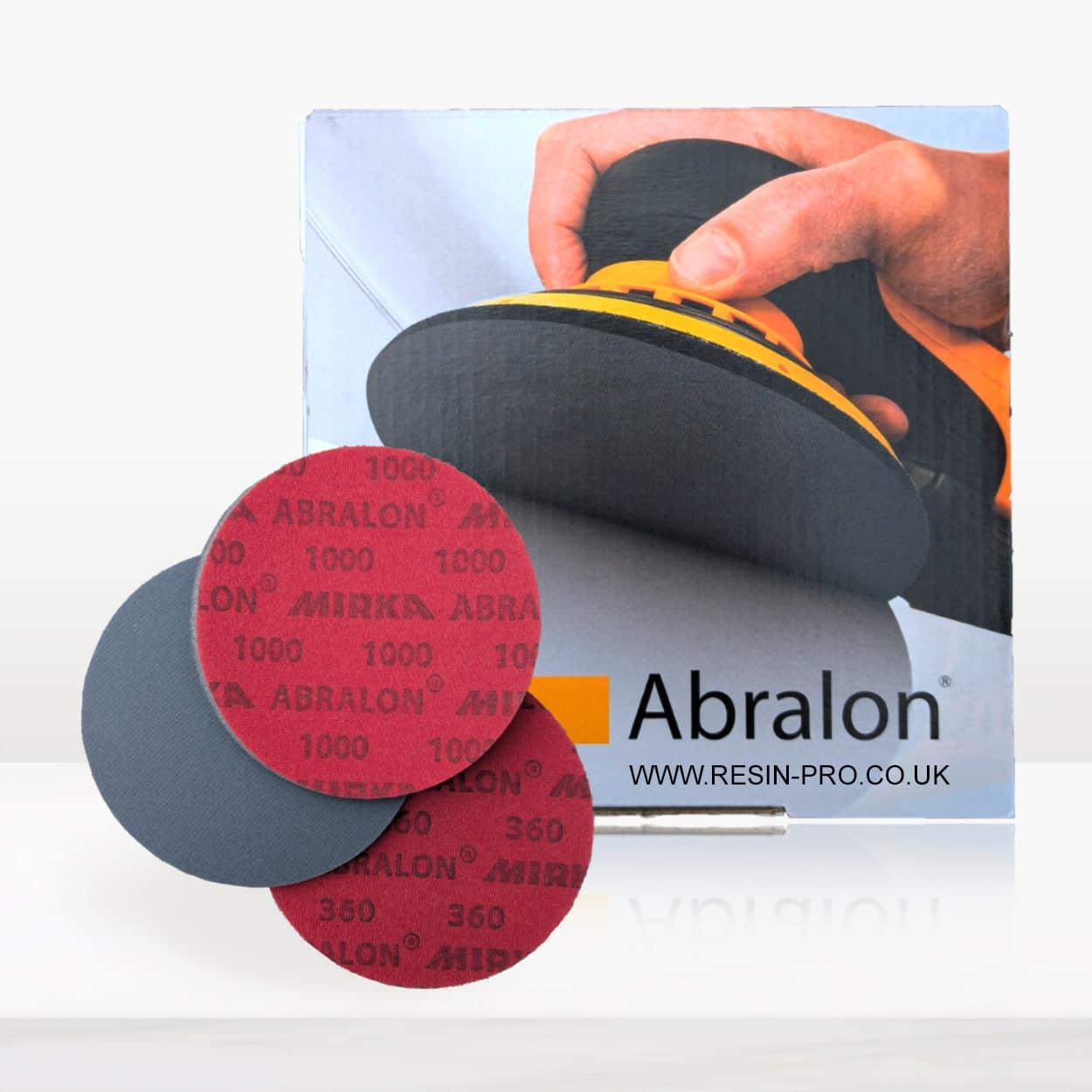
“Ebonite Abralon” – Sanding Pads 360-4000 Grit for Resin and Wood
Effective polishing starts with an even surface, and “Ebonite Abralon” – Sanding Pads 360-4000 Grit for Resin and Wood provide the tactile control and range of grit needed to progress from smoothing rough patches to final finishing. Available in grits from 360 up to ultra-fine 4000, these robust pads work for both wet and dry sanding, ensuring longevity while preventing deep scratches. Foam backing delivers consistent surface pressure and reduces the chance of surface defects, supporting optimal conditions for final polishing.

1200W Polisher for Sanding and Buffing – Variable Speed, D-Handle
For larger resin pieces or intensive polishing, the 1200W Polisher for Sanding and Buffing – Variable Speed, D-Handle offers the versatility and power needed for efficient results. Its variable speed control allows you to tailor the buffing action to the resin type and stage of finish, while the ergonomic D-handle provides comfortable grip for precise manoeuvring. With a quick change mechanism, switching between sanding and polishing modes becomes seamless, making this tool suitable for both professional workshops and ambitious DIYers.
Tips for the Best Resin Finish
Always progress through sanding grits methodically, never skipping levels, to prevent remaining scratches from showing after polishing. For clear resin or high-gloss effects, finish with a microfibre cloth or soft polishing pad after applying your chosen polishing cream. When working on dark or pigmented resin, opt for a dedicated dark-surface polish to avoid visible residue. Maintain moderate pressure, clean pads regularly, and ensure your workspace is dust-free to avoid embedded particles. When polishing manually, patience and consistent motion yield superior results; with rotary tools, keep speeds moderate to avoid overheating the resin.
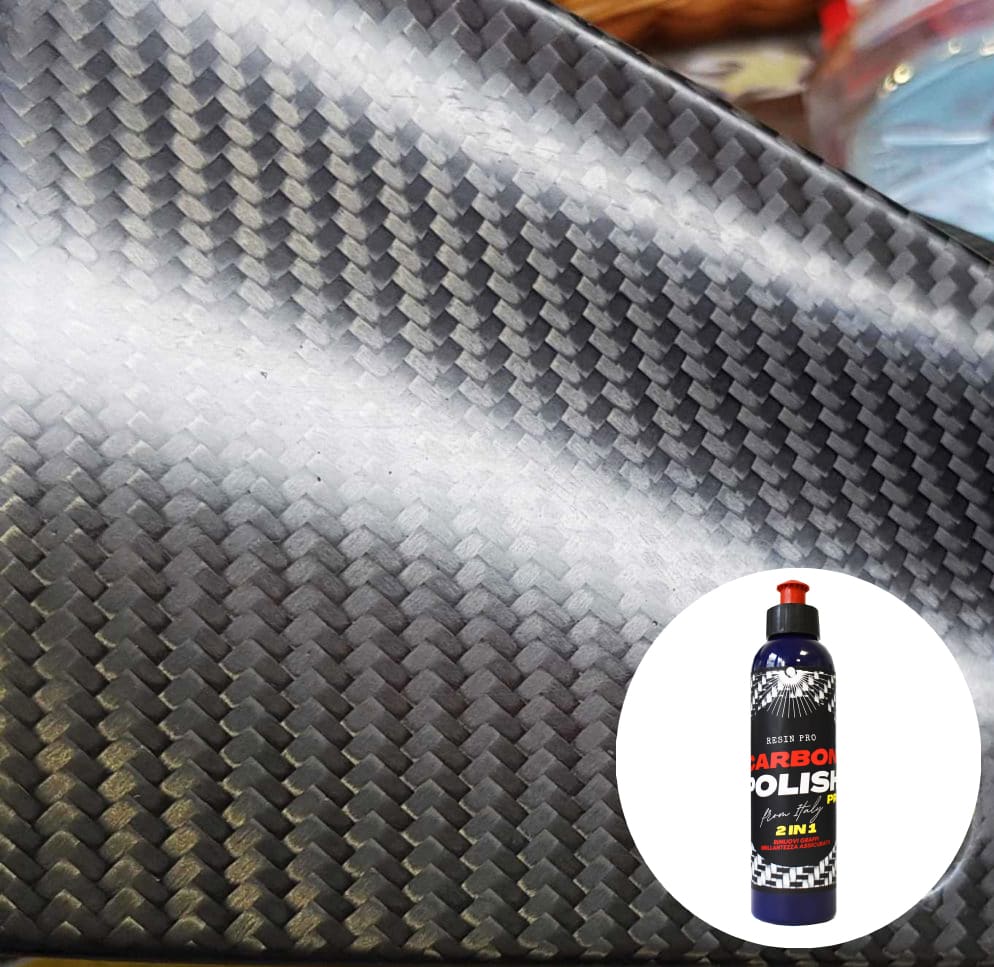
Finishing Techniques: Real Results
View transformative before-and-after images from using Carbon Polish and see how variable speed polishers elevate finishes. Each product is chosen for lasting shine and clarity across challenging resin surfaces.

- "Epoxy Polish" – Epoxy Resin Polishing SystemPrice range: £18.95 through £47.45An epoxy resin polishing system designed for professionals and hobbyists, providing a glossy finish suited to various surfaces.
- "Carbon Polish" – Polishing System for Dark and Black Surfaces, 250mlPrice range: £18.95 through £47.45Carbon Polish is designed for polishing dark and black surfaces, suitable for epoxy resin projects with a non-whitening formula.
- "Ebonite Abralon" – Sanding Pads 360-4000 Grit for Resin and Wood£4.15Ebonite Abralon Sanding Pads provide versatile wet or dry sanding with grits from 360 to 4000, suitable for resin and wood finishing.
 1200W Polisher for Sanding and Buffing – Variable Speed, D-Handle£90.45The 1200W Polisher is suitable for sanding and polishing epoxy resin with variable speed control and a sturdy handle.
Frequently Asked Questions
Which tools work best for sanding or polishing resin objects?
Rotary polishers and compatible sanding pads are recommended for even pressure and efficient scratch removal, especially with variable speed controls.
Is it effective to polish resin by hand without a machine?
Manual polishing is feasible for small projects, but optimal gloss is usually achieved with pad holders or polishers, especially for larger flat areas.
How do I avoid scratches or swirl marks during polishing?
Always start with the correct grit, clean your pads frequently, and progress methodically through all sanding and polishing steps.
What type of polish is best for dark or black resin surfaces?
A dedicated polish such as Carbon Polish is formulated to enhance dark resin and avoid white residue found with general-purpose polishes.
Why does my resin look cloudy after polishing?
Cloudiness usually means the polish was not fully worked in or sanding was incomplete; repeat with correct pads and refine the buffing process.
What grit order should I follow when finishing resin?
Begin with medium grits to remove large defects, then progress to ultra-fine pads, finishing with polish for a clear, smooth surface.