 Free shipping on orders over £29,85
 Shipping Tracking!



 Google
 Facebook
What are the best techniques for polishing resin after casting?
Find the ideal solutions for a flawless resin finish after casting.


Polishing resin after casting is essential for achieving a flawless, glossy finish that brings out the material’s true beauty. Whether you are a resin artist, crafts enthusiast, or professional maker, understanding the right polishing techniques and selecting the correct tools will make a significant difference in your project’s outcome. This page explores leading approaches, compares essential products, and guides you towards the best choices for perfecting your resin surfaces.
Polishing Resin After Casting: Overview of Techniques and Product Comparison
Bringing your resin creations to a high-gloss sheen involves combining meticulous sanding with quality polishing. A stepwise approach—progressing from sanding to finishing—delivers the finest results. Choosing the appropriate abrasive pads and polishing compounds is crucial, as is selecting whether to polish by hand or with a power tool. Let’s compare top-rated products to help you select the right combination for your process and surface type.

Visual Guide: Resin Polishing Tools and Surfaces
Explore how quality sanding pads, powered polishers, and specialist compounds transform ordinary resin casts into high-gloss showpieces. Combining the right products elevates clarity and shine on both small and large resin artworks. See how professionals use each tool for distinct finishing effects.
“Epoxy Polish” – Epoxy Resin Polishing System
The “Epoxy Polish” – Epoxy Resin Polishing System is specifically formulated for resin surfaces, offering Effortless Scratch Removal and a Professional-Grade Formula that produces mirror-like gloss. Thanks to its Anti-Hologram Technology, this polish eliminates swirl marks for a truly professional finish. Suitable for use by hand or with a polishing pad, it rejuvenates dull, scratched, or hazy epoxy surfaces quickly. Complete instructions guide you through each application, making it ideal for everyone from beginners to professionals. Carve out time to apply the polish with methodical, even strokes—whether manually or using rotary polishers for larger flat surfaces.
Polishing Sponge Discs 150mm – 2 Pack
The Polishing Sponge Discs 150mm – 2 Pack complement your finishing processes by providing even pressure and gentle abrasion during polishing. These durable sponge discs are Optimised for Epoxy Resin, delivering a flawless, uniform gloss across everything from intricate jewellery to large tabletops. Use them with hand pad holders or electric polishers for best results—they make an excellent follow-up after sanding and before applying a polishing compound. Their versatility spans across all resin projects, supporting both professionals and hobbyists seeking top-tier results.
“Ebonite Abralon” – Sanding Pads 360-4000 Grit for Resin and Wood
The “Ebonite Abralon” – Sanding Pads 360-4000 Grit for Resin and Wood are essential for the initial abrasive stages. Their grit range enables you to start with coarser grades to remove major imperfections, and finish with ultra-fine grades for a satin-smooth surface, prepping it perfectly for polishing. The foam backing ensures consistent contact, allowing effective wet or dry sanding with minimal clogging. Ideal for resin as well as wood surfaces, these pads work well with both hand sanding holders and rotary polishers, progressively building a flawless texture before final shine.
1200W Polisher for Sanding and Buffing – Variable Speed, D-Handle
Power up your resin finishing with the 1200W Polisher for Sanding and Buffing – Variable Speed, D-Handle, designed for demanding sanding and polishing tasks. Adjustable speed gives you precise control matching the needs of your project, while the D-handle offers a steady grip for smooth, comfortable operation. Pair with sponge discs or sanding pads to achieve consistent results, especially on larger or flat resin surfaces. This tool is the go-to solution for those wanting professional outcomes efficiently.
Tips for Selecting the Right Tools and Techniques
For best results, always begin with clean, cured resin. Use sanding pads in progressive grits, wet-sanding where possible to reduce dust. Switch to finer abrasives as the surface improves, and avoid skipping grit steps to prevent visible scratches beneath the final polish. For maximum gloss, apply a dedicated compound using sponge discs—by hand for detailed areas or a power polisher for larger sections. Remember, using the right accessory—like a robust sanding pad or powered polisher—can dramatically affect speed and finish quality. Regularly clean sanding and polishing equipment to maintain scratch-free surfaces throughout your resin projects.
Quick Tips for Superior Resin Finishes
Maintain a dust-free area, move evenly when sanding or polishing, and check your progress frequently. Applying polish in circular motions and using clean equipment reduces imperfections—giving your resin pieces a truly showroom-quality shine.

- "Epoxy Polish" – Epoxy Resin Polishing SystemPrice range: £18.95 through £47.45"Epoxy Polish" is a polishing system designed for resin projects delivering a glossy finish with ease, suitable for various polishing techniques.
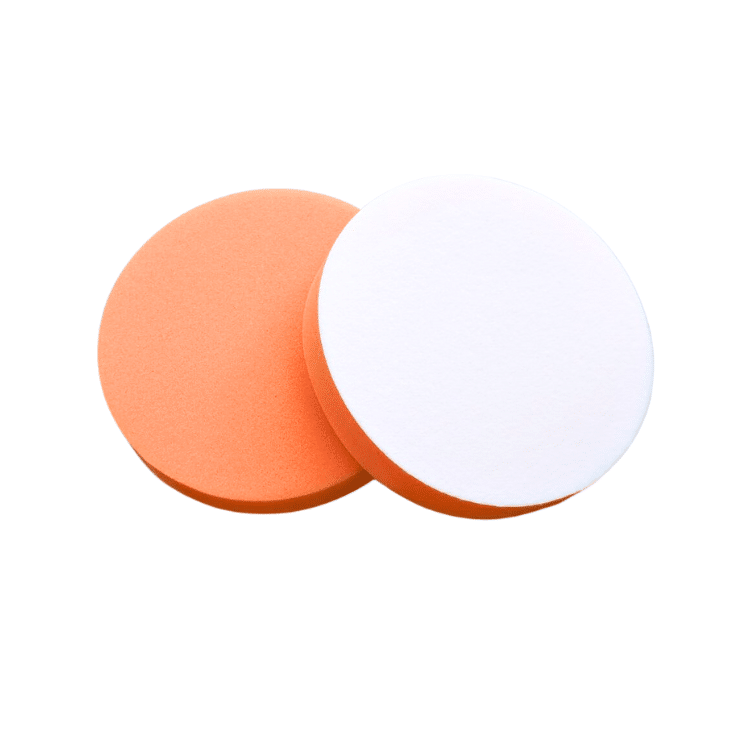 Polishing Sponge Discs 150mm – 2 Pack£8.45Polishing Sponge Discs 150mm – 2 Pack support finishing techniques for resin projects as part of this theme.
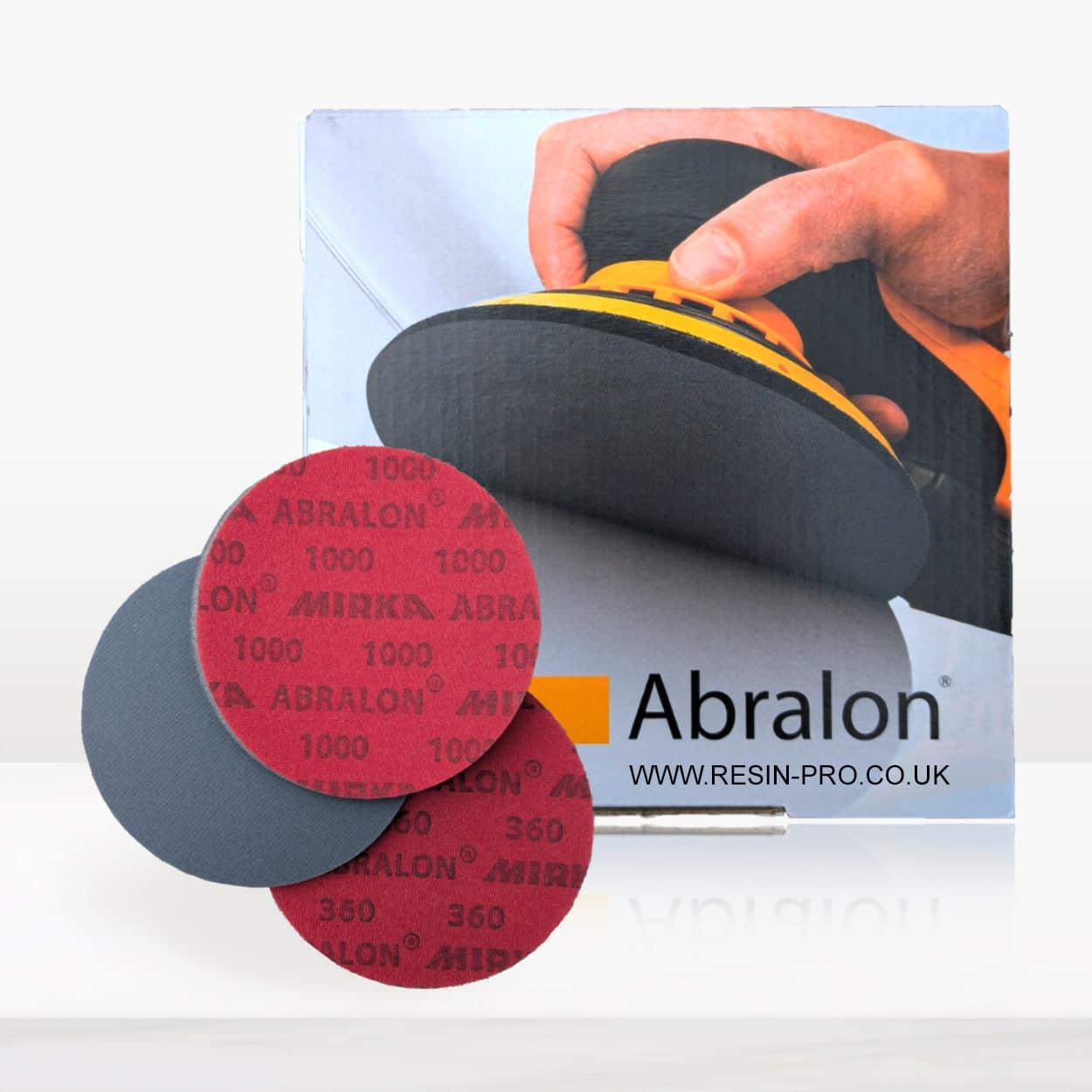 "Ebonite Abralon" – Sanding Pads 360-4000 Grit for Resin and Wood£4.15"Ebonite Abralon" Sanding Pads offer grits from 360 to 4000 for polishing epoxy resin and wood surfaces within a detailed finishing context.
 1200W Polisher for Sanding and Buffing – Variable Speed, D-Handle£90.45The 1200W Polisher is designed for sanding and polishing epoxy resin surfaces with variable speed and a sturdy grip.
Frequently Asked Questions
How do I get the best results with Epoxy Polish?
Use a rotary polisher or hand pad holder for optimal friction. Avoid relying on cloths alone, as they do not generate enough pressure for a true gloss.
Which grit should I begin with for resin sanding?
Begin with a coarser grit like 360 to remove flaws, then gradually move to finer grits up to 4000 for smoothness before polishing.
Is resin polishing possible without a power tool?
Yes, hand polishing with sponge discs or pad holders works on small to medium projects, though larger items benefit from a powered tool.
Should I wet or dry sand when polishing resin?
Wet sanding is generally preferred for fewer scratches and less dust, especially on epoxy resin pieces.
Why does my resin surface remain cloudy after polishing?
Insufficient pressure or incomplete polish removal can cause cloudiness. Use sponge discs or a rotary polisher to increase effectiveness.
Is a specific polish needed for epoxy resin?
A polish formulated for epoxy resin ensures best clarity and gloss with less risk of residue or marks.
How do I avoid swirl marks when polishing resin?
Choose a polish with anti-hologram properties and work in gentle, consistent patterns, cleaning pads regularly to prevent trails.