 Free shipping on orders over £29,85
 Shipping Tracking!



 Google
 Facebook
What are the best techniques for polishing resin after machining?
Expert tips for restoring clarity and gloss to machined resin


If you work with machined resin—whether in art, casting, furniture or craft—achieving a flawless polished finish is the final and most satisfying step. This page provides a comprehensive guide to the products and methods best suited to polishing resin after machining, suitable for both professionals and hobbyists aiming for a crystal-clear, mirror-like result.
Overview: Comparing the Leading Polishing Techniques and Tools
Polishing resin after machining involves a blend of careful sanding and the right polishing compounds or tools. The process typically starts with abrasives of decreasing grit, followed by the use of specialised polishing creams and machines for heightened gloss. Key differences arise between product types: sanding discs and pads lay the groundwork, while polishing systems and powered polishers maximise surface brilliance and efficiency. Choosing the correct sequence and compatible equipment can make all the difference in the final result, helping you avoid swirl marks, dullness or scratches.

See the Results of Professional Polishing
Experience the difference a meticulous sanding and polishing process brings to resin. Notice how clear, glossy surfaces are achieved step-by-step—no more fine marks or dullness after machining. The right tools and methods guarantee the luminous shine that sets your craft apart.
“Epoxy Polish” – Epoxy Resin Polishing System
The “Epoxy Polish” – Epoxy Resin Polishing System is specifically formulated for rejuvenating resin surfaces after sanding. This system does more than buff: it Effortless Scratch Removal and leaves a Professional-Grade Formula finish, eliminating minor marks left by machining. With Anti-Hologram Technology, this polish ensures no swirl marks remain—resulting in an even, high-gloss sheen. For best results, apply with a microfibre pad or, ideally, a rotary polisher to break down the compound entirely. It is suitable for both manual and machine use, and its Easy to Use approach makes it accessible, even for those new to resin finishing. Being Multi-Surface Compatibility, it also tackles plastics and carbon fibre, making it a versatile staple in any resin toolkit.
“Ebonite Abralon” – Sanding Pads 360-4000 Grit for Resin and Wood
Pre-polishing preparation is just as important as the final polish. The “Ebonite Abralon” – Sanding Pads 360-4000 Grit for Resin and Wood were designed for progressive sanding—vital for removing machining marks before moving on to polishing stages. Their Available in grits from 360 to 4000 for precise sanding and Versatile for wet or dry use makes them adaptable, whether you are working directly after machining or need to re-level a surface. Their Foam backing ensures consistent surface pressure, helping to minimise unevenness when sanding by hand or machine. Stepping through the grit sizes methodically sets the foundation for a flawless final gloss.
1200W Polisher for Sanding and Buffing – Variable Speed, D-Handle
For those wanting a professional touch, the 1200W Polisher for Sanding and Buffing – Variable Speed, D-Handle is an invaluable asset. Its Variable Speed Control allows you to tailor the speed for delicate or heavy-duty work. Thanks to its Sturdy D-Handle and ergonomic grip, you’ll enjoy precise control and reduced user fatigue—ideal for polishing larger or more intricate resin pieces. Suitable for both sanding and polishing, the tool’s Quick Change Mechanism also makes maintenance straightforward, meaning less downtime on busy projects. Add this to your workflow for efficient and controlled results every time.
150mm Sanding Paper Discs – Assorted Grits for Resin & Wood Finishing, 10pcs
When preparing resin for its final polish, the 150mm Sanding Paper Discs – Assorted Grits for Resin & Wood Finishing, 10pcs are the go-to solution for dry sanding. Manufactured using Premium abrasive material for consistent sanding performance, these discs feature a Dust-free dry sanding to maintain a clean workspace design and a 150mm diameter with 17-hole pattern for efficient dust extraction. Use progressively finer grits to gradually remove scratches and ready the surface for polishing cream application. Designed for both professionals and hobbyists, they speed up prep work, especially on larger pieces, and reduce total finishing time.
Choosing the Right Combination of Products for Your Resin Projects
Mastering post-machining resin polishing is about using the right tool for each stage: sanding to flatten the finish, pads for smoothing, a quality polish to bring out the gloss, and a suitable polisher for large or complex surfaces. Start with sanding discs or Ebonite Abralon Sanding Pads for levelling, then move on to the Epoxy Polish for shine. For larger jobs, a 1200W Polisher cuts down time and maximises uniformity. Targeting the right sequence lets your resin projects reach their full visual potential. For a curated selection of the above, explore the Sanding and Polishing category or Accessories for resin section.
Expert Advice for a Flawless Finish
Remember: investing time in proper sanding sets the stage for mirror-like polishing. Let each step build on the last. Check your progress after each grit, and never rush to the polishing stage—patience and correct technique create brilliance.

- "Epoxy Polish" – Epoxy Resin Polishing SystemPrice range: £18.95 through £47.45Epoxy Polish provides a professional polish system suitable for resin projects designed for achieving a gloss finish after machining.
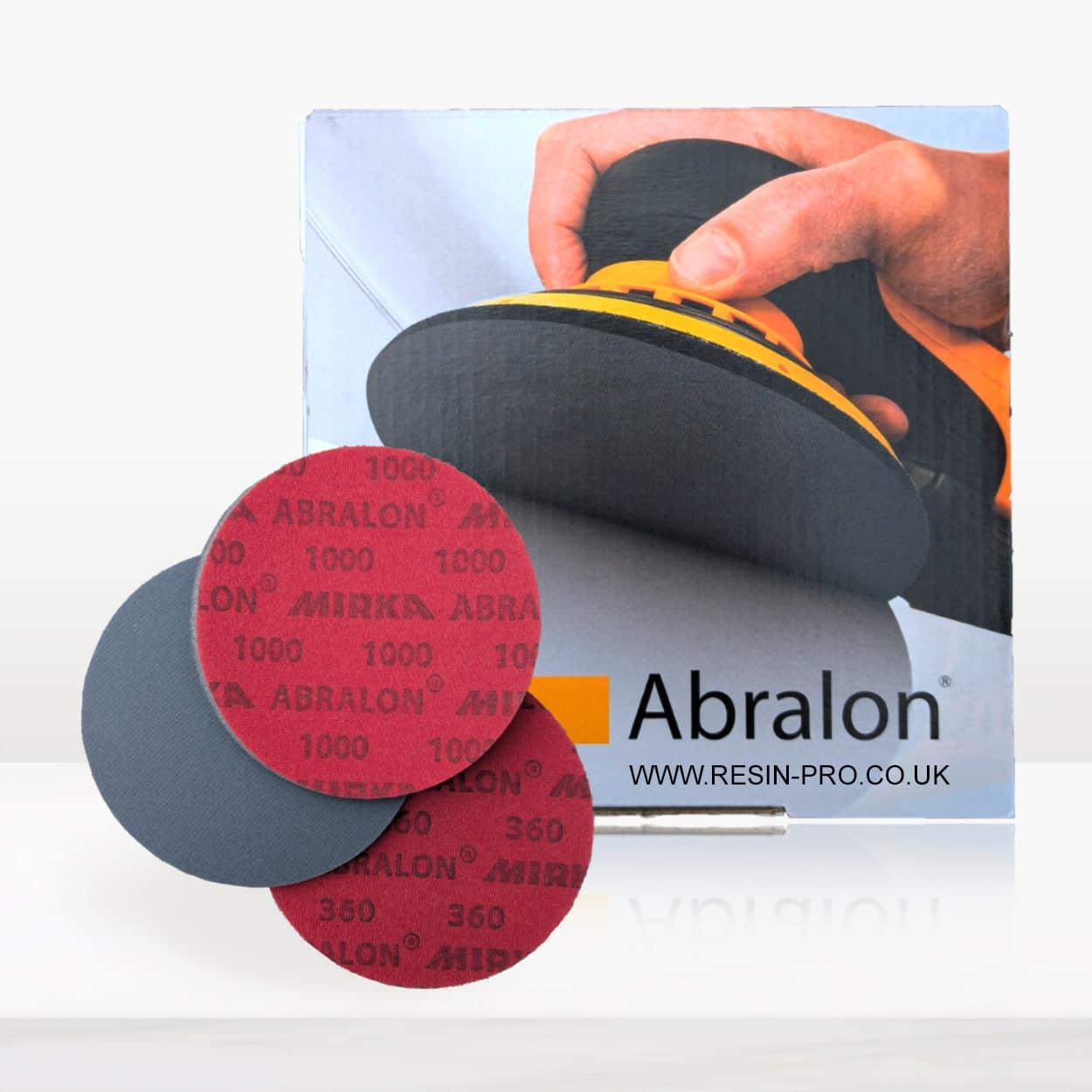 "Ebonite Abralon" – Sanding Pads 360-4000 Grit for Resin and Wood£4.15Ebonite Abralon Sanding Pads suit detailed finishing work on resin and wood surfaces with grits ranging 360 to 4000.
 1200W Polisher for Sanding and Buffing – Variable Speed, D-Handle£90.45The 1200W Polisher offers variable speed and sturdy grip for controlled sanding and polishing of epoxy resin surfaces.
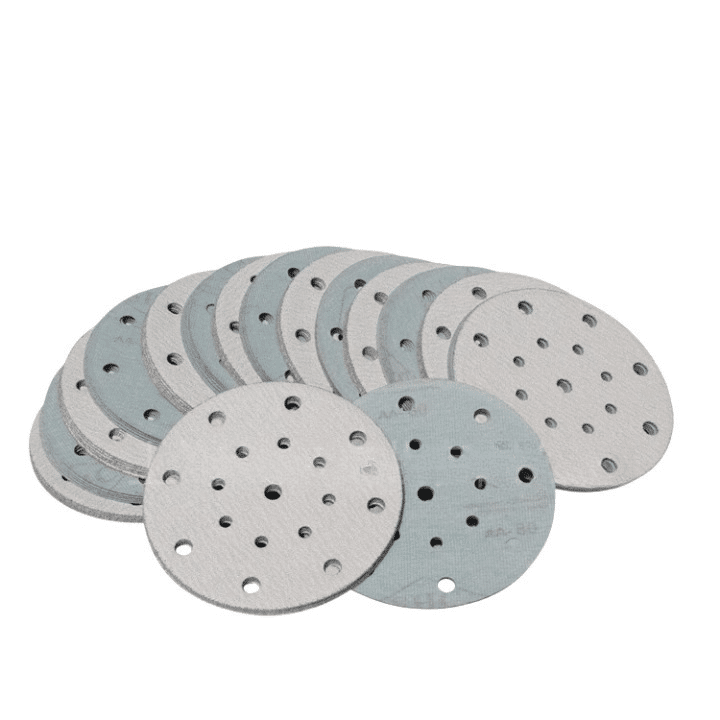 150mm Sanding Paper Discs – Assorted Grits for Resin & Wood Finishing, 10pcs£9.45150mm sanding paper discs designed for finishing resin and wood with assorted grits for various stages.
Frequently Asked Questions
Can polishing resin be done by hand?
Yes, polishing resin by hand is possible, but machine application with a suitable polisher or pad holder achieves better, more uniform results.
Why is my polished resin still cloudy?
Cloudiness can result from insufficient sanding, uneven polish application, or skipping polishing stages. Use progressive grits and proper technique for clarity.
What grit should I start sanding resin?
Begin with a coarse grit (such as 360 or 400) if there are visible machining marks, then progress through finer grits for a smooth, pre-polished surface.
Which type of polisher works best for resin finishing?
A variable speed rotary polisher gives the best results and control when finishing machined resin. Hand use is possible but more time-consuming.
What should I do if swirl marks appear on my polished resin?
Swirl marks indicate improper pressure or grit selection. Re-polish with finer grit or anti-hologram polish to remove them.
Can these polishing products be used on wood?
Many sanding pads and discs can be used on both resin and wood. Check if your polish system is compatible before use.
How do I maintain my polishing tools?
Clean pads and tools after each use and follow manufacturer maintenance instructions to extend the lifespan of your equipment.