 Free shipping on orders over £29,85
 Shipping Tracking!



 Google
 Facebook
What are the best techniques for polishing resin?
How to achieve a flawless, glossy finish on epoxy resin


If you’re working with epoxy resin—whether on river tables, jewellery, or art—achieving that perfect high-gloss shine can be challenging without the right technique and products. This page is your complete guide to the best techniques for polishing resin, tailored for everyone from beginners to seasoned resin artists who want professional-grade finishes. Here, you’ll find clear comparisons of the top products and process tips for a flawless result.
Overview: Comparing Resin Polishing Techniques and Tools
Polishing epoxy resin is a multi-stage process that typically involves progressive sanding, application of specialist polishes, and the use of either hand or powered polishers. Key differences between polishing systems lie in their compatibility with resin types, ease of scratch removal, finish quality, and suitability for light or dark surfaces. Choosing the right combination of sanding pads, polishes, and polishing tools determines your project’s success.

See Polishing Results Up Close
Browse our resin project gallery to view the crystal-clear shine achievable with the right combination of Epoxy Polish, Ebonite Abralon sanding pads, and a precision polishing tool.
“Epoxy Polish” – Epoxy Resin Polishing System
For most resin projects, the “Epoxy Polish” – Epoxy Resin Polishing System offers a simple, effective way to remove scratches and restore a mirror-like finish. Its anti-hologram formula avoids unsightly swirl marks, and it can be used by hand or with a polishing pad holder. This system rejuvenates dull resin surfaces swiftly and is compatible with resin, plastics, and carbon fibre. If you value fast, easy application and brilliant shine, this is the essential step for your projects.
“Ebonite Abralon” – Sanding Pads 360-4000 Grit for Resin and Wood
Achieving a flawless foundation for polishing starts with proper sanding. “Ebonite Abralon” – Sanding Pads 360-4000 Grit for Resin and Wood are designed for progressive grit sanding, crucial for smoothing out imperfections before buffing. The foam backing ensures even pressure and a consistently fine scratch pattern. Suitable for both wet and dry sanding, these pads are versatile enough for detailed finishes on resin and wood. For best results, start with a lower grit and work progressively up to 4000 before applying polish.
“Carbon Polish” – Polishing System for Dark and Black Surfaces, 250ml
If your resin project features dark or black surfaces, “Carbon Polish” – Polishing System for Dark and Black Surfaces, 250ml is specifically formulated for these applications. This non-whitening, silicone-free polish ensures high brilliance without leaving residue or white dots. It can be applied by hand or with electric polishers, making it ideal for carbon fibre pieces, black resin art, or other dark-toned projects demanding a deep, rich shine.
1200W Polisher for Sanding and Buffing – Variable Speed, D-Handle
A reliable polishing tool can transform your workflow. The 1200W Polisher for Sanding and Buffing – Variable Speed, D-Handle offers precise control with variable speeds, allowing you to tailor the finish depending on the stage of sanding or polishing. The D-handle improves grip, while the quick-change mechanism offers easy maintenance. This machine complements the recommended polishes and pads, delivering safe, professional results on both large surfaces and intricate resin details.
Tips for Perfect Resin Polishing
For the best shine and durability, always start with clean, dust-free surfaces and use grits in correct sequence (never skip steps). Avoid using cloths alone for polishing; specialist tools or pads help prevent a cloudy finish. On dark surfaces, choose a dedicated product such as “Carbon Polish” to avoid unwanted white residue. Regularly clean pads and keep your workspace tidy for professional results every time.
Extra Techniques for Advanced Users
Experiment with different pad types and polishing speeds to customise your finish. Fine-tune your approach based on resin colour and project scale—manual polishing for small crafts, variable speed tools for large resin tables.

- "Epoxy Polish" – Epoxy Resin Polishing SystemPrice range: £18.95 through £47.45"Epoxy Polish" is designed for polishing resin projects to achieve a smooth, glossy finish suitable for various surfaces.
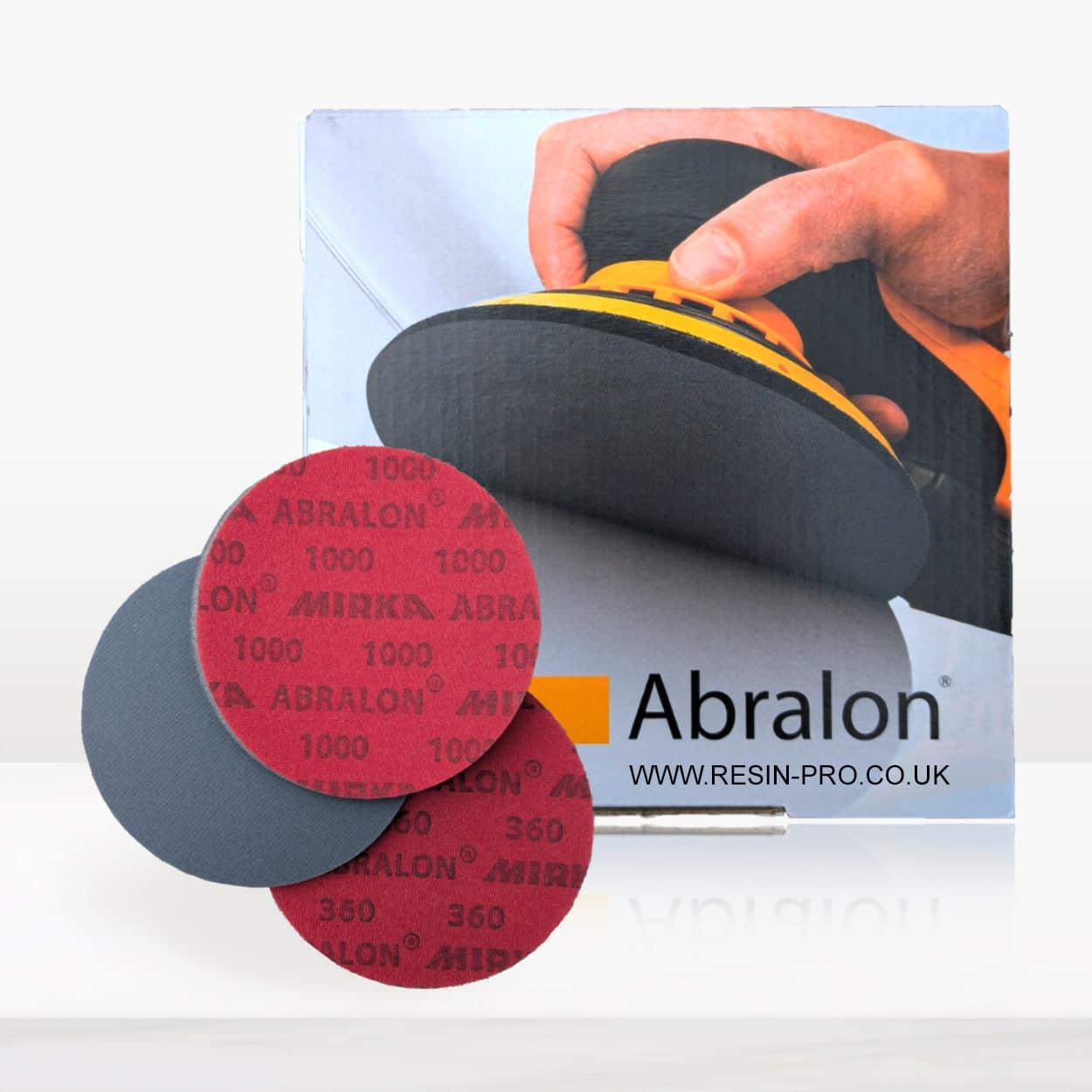 "Ebonite Abralon" – Sanding Pads 360-4000 Grit for Resin and Wood£4.15Sanding pads designed for resin and wood, suitable for wetted or dry polishing with grits from 360 to 4000.
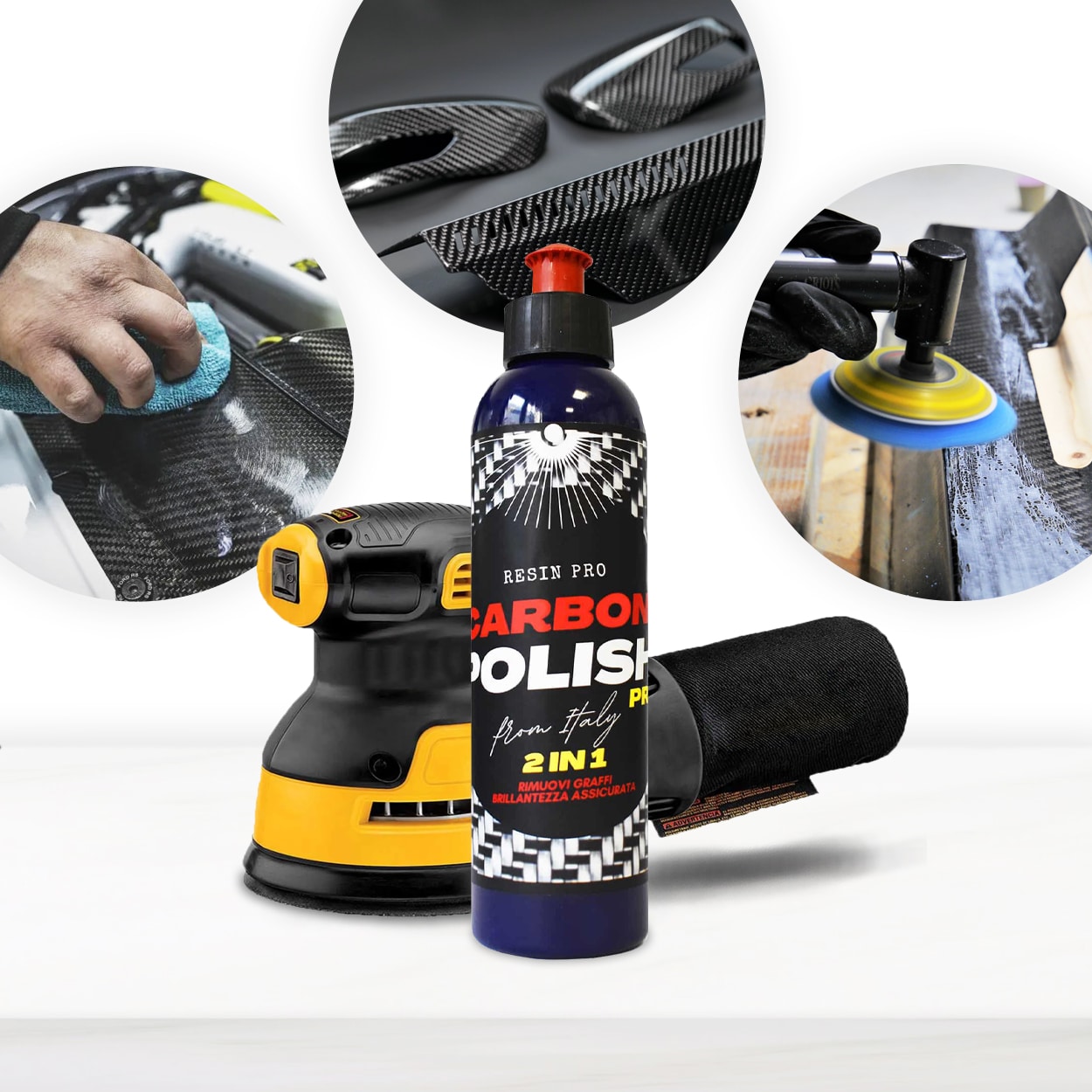 "Carbon Polish" – Polishing System for Dark and Black Surfaces, 250mlPrice range: £18.95 through £47.45Carbon Polish Black is designed for polishing dark and black surfaces, suitable for epoxy resin projects under a polishing techniques theme.
 1200W Polisher for Sanding and Buffing – Variable Speed, D-Handle£90.45The 1200W Polisher offers variable speed and a sturdy handle, suitable for sanding and polishing resin projects.
Frequently Asked Questions
How can I achieve a high-gloss finish on resin?
Start by sanding with progressive grit pads, then use a resin-compatible polishing system with a polishing pad or tool for the final shine.
What if my resin looks cloudy after polishing?
Cloudiness can result from incomplete sanding, missing grits, or low friction. Repeat the sanding process and work the polish thoroughly with the correct pad.
Which polish works best for dark or black resin?
"Carbon Polish" is developed specifically for carbon fibre, black resin, and other dark surfaces to deliver high brilliance with no white residue.
Do I need special tools for polishing epoxy resin?
For the best results, use sanding pads, a quality polish, and a rotary polisher or hand holder. Cloths alone rarely achieve a true high-gloss finish.
Should I sand resin wet or dry before polishing?
Both methods are valid, but wet sanding often helps reduce dust and leads to a smoother surface ready for polishing.
How do I remove scratches from my resin project?
Progressive sanding with increasingly finer grits, followed by a specialist polish, is the most effective method for removing scratches.