 Free shipping on orders over £29.85
 Shipping Tracking!



 Google
 Facebook
What are the best techniques for sanding epoxy resin?
Techniques and essential tools for smooth, professional resin finishes
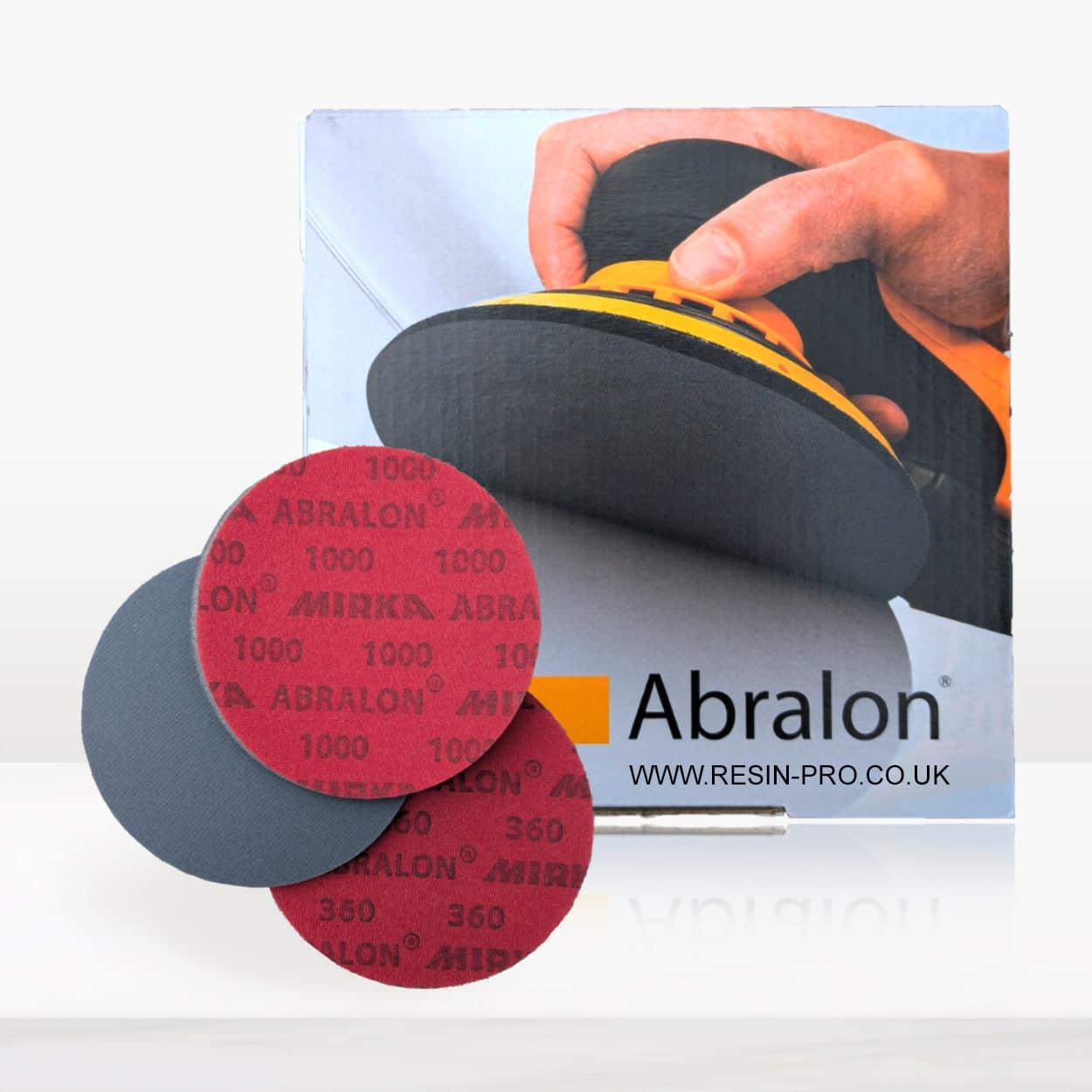

Sanding epoxy resin requires a combination of proper technique and the right abrasives to achieve a smooth, blemish-free surface. Whether you’re a professional resin artist, woodworker, or hobbyist, mastering sanding can elevate the clarity and touch of your finished projects. This page explains proven sanding methods, compares tool options, and introduces the best sanding and polishing products for all types of resin applications.
Epoxy Resin Sanding Overview: Techniques and Key Tools
The process of sanding epoxy resin combines careful grit progression, technique, and tool selection. Resin surfaces, unlike wood, can scratch easily and reveal swirls if the wrong abrasives or methods are used. Starting with coarse grits to level the surface and moving stepwise to finer grits prevents deep scratches from persisting. Wet sanding helps control heat buildup and dust, while dry sanding discs make it easier to manage large workpieces. Foam-backed sanding pads offer consistent pressure and are ideal for curved surfaces or resin details, while polishing kits bring out the final gloss. The right combination ensures a professional, mirror-like finish.
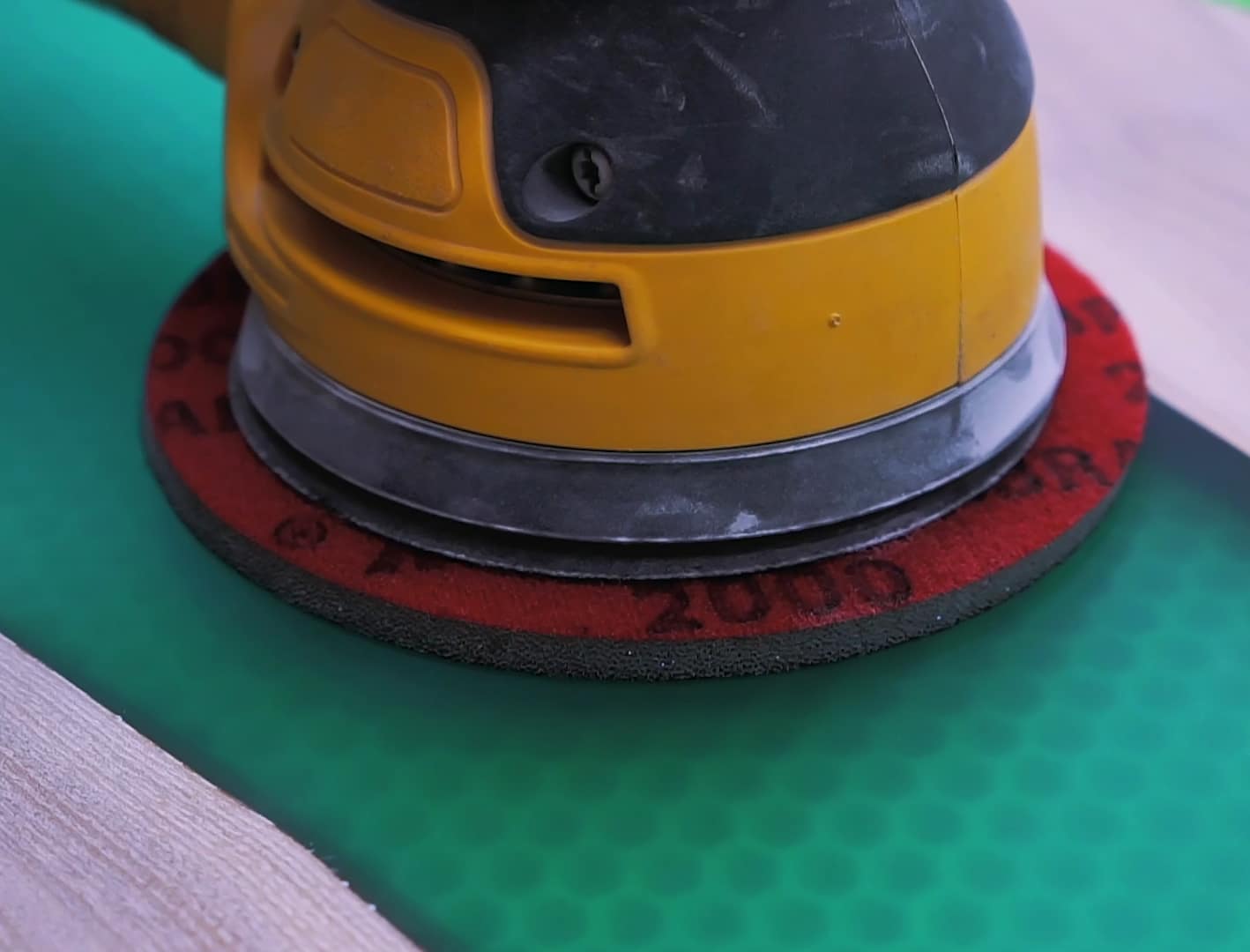
See the sanding difference: resin surfaces before and after
Explore visual examples of epoxy resin projects at different sanding stages, highlighting the clarity and smoothness achievable with proper technique and the right abrasives. Notice how high-quality sanding products reveal the full beauty of clear or tinted resin surfaces.
“Ebonite Abralon” – Sanding Pads 360-4000 Grit for Resin and Wood
For artists aiming for precision and versatility, the “Ebonite Abralon” – Sanding Pads 360-4000 Grit for Resin and Wood are an outstanding choice. These foam-backed pads are engineered to exert even pressure, reducing the risk of over-sanding or uneven surfaces. Offering a wide range of grits from 360 to 4000, they support the full process from rapid levelling to superfine finishing—crucial for achieving a satin or pre-polished look. Their wet or dry usability makes them ideal for different project scales, from river tables to detailed resin jewellery.
“Epoxy Polish” – Epoxy Resin Polishing System
After sanding, achieving a brilliant, glass-like shine relies on effective polishing. The “Epoxy Polish” – Epoxy Resin Polishing System is designed for both professionals and enthusiastic hobbyists, providing a professional-grade formula that tackles micro-scratches and haze. Its anti-hologram technology eliminates swirl marks, making it key for perfecting clear and coloured resin. Use with a rotary polisher or hand pad holder for best results and transform well-sanded resin into a high-gloss feature.
Dry Sanding Discs Kit 150mm – Assorted Grits for Resin and Wood
Larger scale or high-throughput projects benefit from the Dry Sanding Discs Kit 150mm – Assorted Grits for Resin and Wood. These discs, available in a selection of grit levels, efficiently tackle everything from initial rough sanding to smoothing out imperfections. Their 150mm diameter covers more area, helping save time, while premium abrasives guard against excessive scratching—a reliable option for prepping resin tables, wood-resin blends, or decorative panels where surface area matters.
150mm Sanding Paper Discs – Assorted Grits for Resin & Wood Finishing, 10pcs
For those seeking consistent quality and dust control, the 150mm Sanding Paper Discs – Assorted Grits for Resin & Wood Finishing, 10pcs offer a dust-free dry sanding solution. Featuring a premium abrasive composition and 17-hole pattern for excellent dust extraction, they are ideal for extensive resin surfaces where workspace cleanliness is essential. The range of grits supports every stage of finishing, ensuring you can move from initial shaping to the perfect smoothness with ease.
Tips for Sanding Epoxy Resin: Achieving Flawless Results
Start sanding only after the resin has fully cured, typically 48-72 hours post-casting. Always progress through grits methodically—never skip stages—as this helps avoid persistent scratches. Wet sanding with foam pads can prevent heat and dust issues, while dry discs are faster for larger workpieces but require diligent dust management. Use a soft touch, especially at finer stages, and polish with a suitable system for maximum clarity. Clean sanding pads and change paper frequently to prevent resin build-up and surface marring. Choosing the right tool and grit for each stage—the essence of the perfect finish—makes the most significant difference.
Pro workshop tricks for sanding resin
Professional resin finishers recommend gentle pressure, regular grit changes, and combining wet and dry sanding for the cleanest results. Browse our sanding and polishing solutions to find the best fit for your next project.
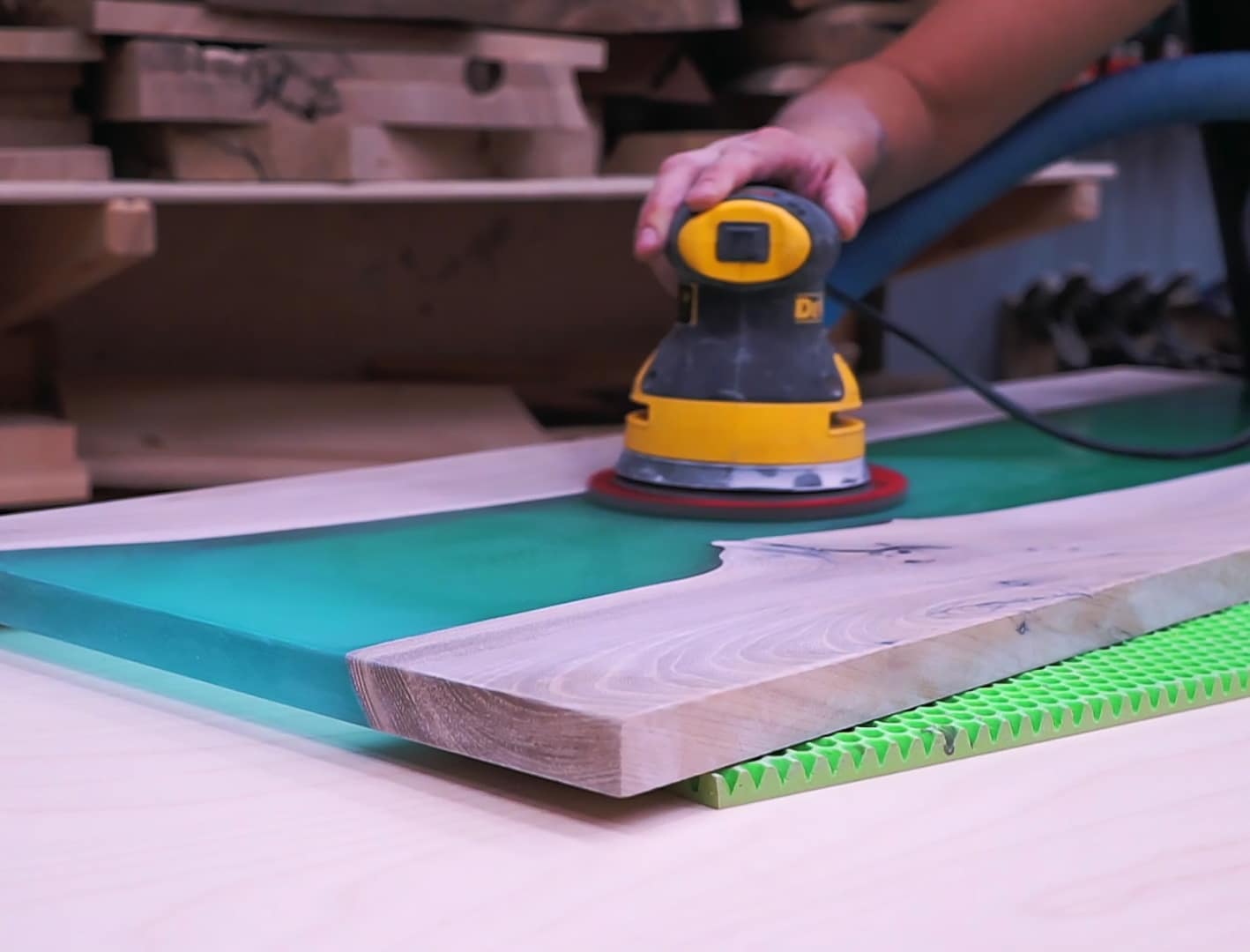
- "Ebonite Abralon" – Sanding Pads 360-4000 Grit for Resin and Wood£4.15Ebonite Abralon Sanding Pads offer a choice of grits for precise sanding of epoxy resin and wood, supporting detailed finishing work.
- "Epoxy Polish" – Epoxy Resin Polishing SystemPrice range: £18.95 through £47.45An epoxy resin polishing system designed for professionals and hobbyists to restore a mirror-like shine on resin surfaces.
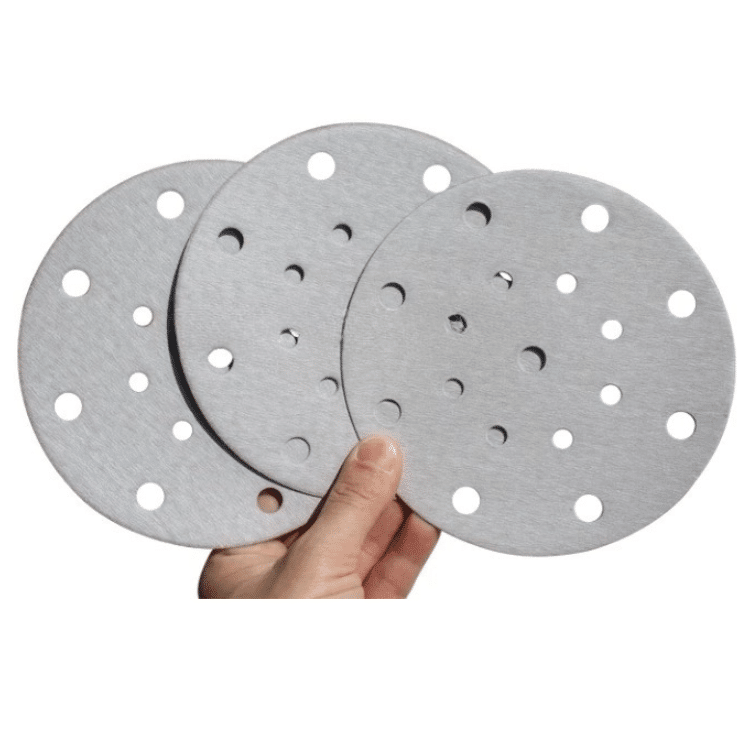 Dry Sanding Discs Kit 150mm – Assorted Grits for Resin and Wood£7.45Dry Sanding Discs Kit 150mm offers assorted grits suitable for sanding resin and wood surfaces with extensive coverage.
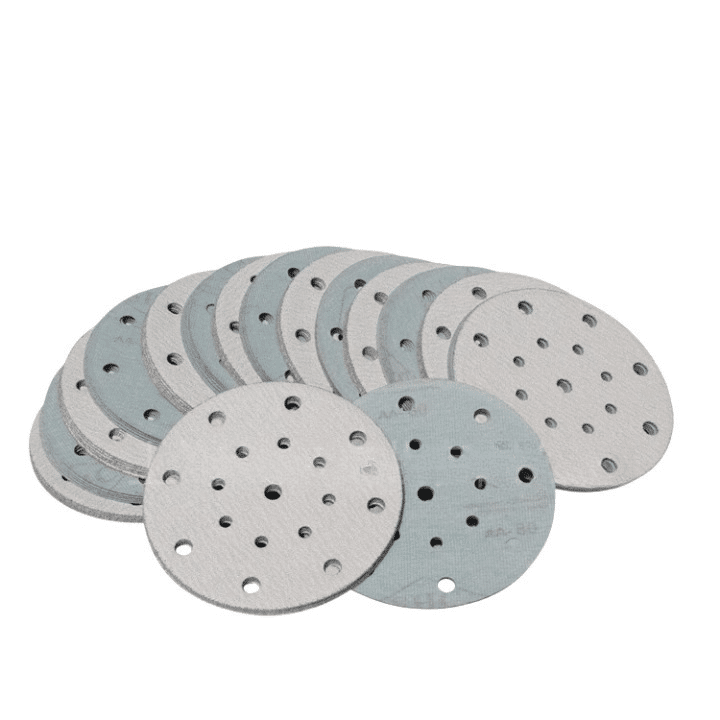 150mm Sanding Paper Discs – Assorted Grits for Resin & Wood Finishing, 10pcs£9.45150mm sanding paper discs designed for resin and wood finishing with assorted grits for various crafting stages.
Frequently Asked Questions
Do you need to wet sand epoxy resin surfaces?
Wet sanding is recommended for controlling heat and dust, especially at finer grits, but both wet and dry methods can be used depending on the product and project size.
Which abrasive grits are best for sanding epoxy resin?
Start with coarse grits like p80 or p120 for levelling, then move through finer grades such as p400, p1000, up to p4000 to achieve a smooth finish.
Should you polish resin after sanding?
Yes, using a dedicated epoxy polish restores a high-gloss, clear appearance and removes micro-scratches left from sanding.
Which tools make sanding resin easier?
Rotary polishers, hand sanding pads, and foam-backed pads provide even pressure and consistent surface contact for superior results.
How do you prevent scratches or swirl marks when sanding epoxy resin?
Always progress through grits without skipping and use clean, quality abrasives to avoid introducing or retaining unwanted marks.
Is polishing absolutely necessary after sanding epoxy resin?
Polishing is highly recommended to achieve a glossy, professional appearance, but it is not strictly required for all projects.