 Free shipping on orders over £29,85
 Shipping Tracking!



 Google
 Facebook
What are the health risks of using resin?
Essential risks, safety tips and protective gear for resin projects


Working with resin—whether epoxy, polyurethane, or other formulations—offers impressive creative possibilities for artists, crafters and professionals. However, resins present a range of health risks during preparation, modelling, and curing. This page is designed for anyone working with resins who wants to understand potential hazards, how to minimise risk, and which protective products support a safer environment for resin craft, DIY or professional tasks.
Understanding Resin Health Risks: A Comparison
The main health risks associated with resin use fall into three categories: inhalation of harmful vapours and gases, skin and eye contact, and allergic or sensitivity reactions. Uncured resins often emit organic and inorganic vapours that can irritate the respiratory system. Skin contact may lead to irritation or allergic reactions, especially for those with sensitive skin. Safety considerations also vary between resin types—for example, polyurethane resins include isocyanates, which require additional precautions during handling. Comparing the protective measures available can help tailor your safety setup to your preferred resin and working style.

Visual Guide to Personal Protective Equipment
Get a clear look at the essential protective gear for every resin project, including certified masks, gloves, and safety glasses. These items minimise inhalation and contact risks, promoting safer techniques every time you work with resin.
“Climax” Mask with “ABEK” Filters for Resins – Certified Protective Respirator
The “Climax” Mask with “ABEK” Filters for Resins – Certified Protective Respirator is engineered for robust protection against both organic and inorganic gases and vapours encountered in resin work. The flexible rubber body offers a secure, comfortable fit, while advanced exhalation valves make long work sessions easier. This respirator is CE certified to EN 140:1999 and EU Regulation 2016/425, ensuring it meets European safety standards. It’s especially well-suited to those working with resins over extended periods or in less ventilated spaces. For a wider array of protective solutions, you may explore our Protezione e Polizia category.
Nitrile Gloves – 50 Pairs (100 Pieces)
Reducing skin exposure is crucial, as uncured resins can cause irritation or sensitisation. The Nitrile Gloves – 50 Pairs (100 Pieces) are designed specifically for resin use, offering high flexibility for detailed work and resistance to a range of chemicals. Being latex-free makes them suitable for sensitive skin. Nitrile gloves are recommended for safe handling of both epoxy and polyurethane resins during all stages of preparation and pouring. Browse our Protective gear category for more options.
“IWhite” – Polyurethane Casting Resin – White, Fast-Curing Two-Part System
The “IWhite” – Polyurethane Casting Resin – White, Fast-Curing Two-Part System is a two-component polyurethane (isocyanate-based) system ideal for fast, detailed castings. While non-toxic once cured, isocyanate content means you should always use gloves, eye protection, and a respirator when handling the uncured resin. This ensures that both skin and respiratory health are protected. Learn more in our Gift ideas and promotions section.
Safety Glasses for Resin Work and DIY – Protective Eyewear for Epoxy Projects
Protecting your eyes is critical, particularly when mixing, pouring or sanding resin pieces. The Safety Glasses for Resin Work and DIY – Protective Eyewear for Epoxy Projects feature durable polycarbonate lenses shield eyes from debris, clear visibility, and a comfortable adjustable fit. These glasses are versatile for a range of DIY work, helping prevent splashes or dust from contacting the eyes. For additional options, see our product category.
Tips for Safe Resin Handling and Exposure Reduction
To further reduce health risks, always work in a well-ventilated area and avoid eating, drinking, or smoking while working with resin. Wear appropriate protective gear, including gloves, eyewear and masks, for every session. If you’re handling resins with isocyanates (like polyurethane systems), extra respiratory precautions are essential. Proper curing is also crucial—once cured, most resins are inert and safe to touch, but handling uncured or partially cured resin requires strict adherence to safety protocols. Maintaining a clean workspace and storing chemicals out of children’s reach are further steps to safer resin work.
Safer Resin Craft and Workspaces
Organising your workspace for ventilation and cleanliness is key. Dedicated areas reduce accidental exposure, while consistent use of protective equipment ensures that your creative or professional process remains safe and enjoyable.

- "Climax" Mask with "ABEK" Filters for Resins – Certified Protective RespiratorOriginal price was: £41.95.£31.45Current price is: £31.45.The "Climax" Mask with ABEK filters provides protection suitable for resin work, supporting safe handling of vapours and gases.
- Nitrile Gloves – 50 Pairs (100 Pieces)£9.45Nitrile Gloves designed for protection when working with epoxy resin, suitable for detailed craftwork and chemical resistance.
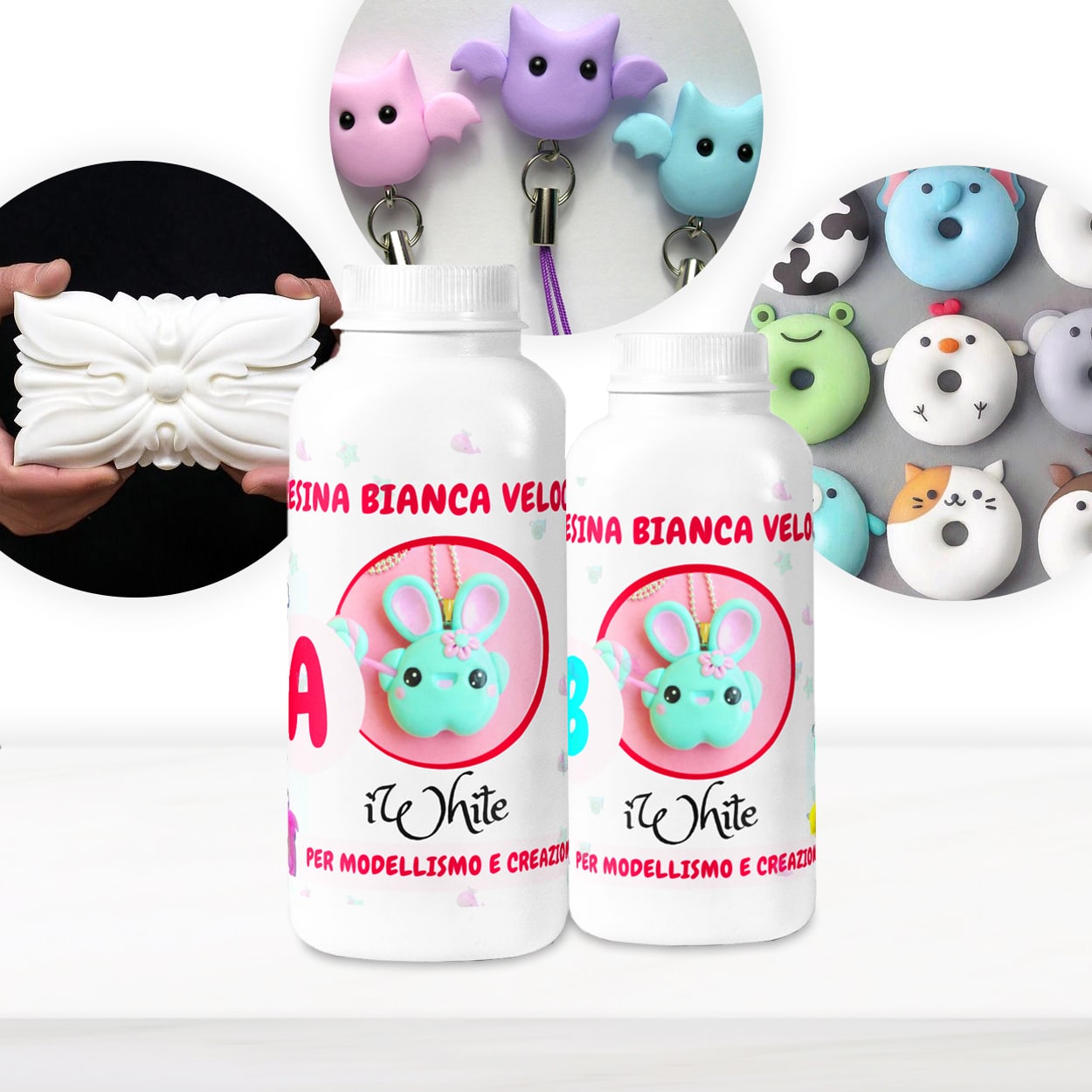 “IWhite” – Polyurethane Casting Resin – White, Fast-Curing Two-Part SystemPrice range: £24.00 through £36.95IWHITE is a fast-curing polyurethane resin designed for detailed casting and prototyping, suitable for model makers and hobbyists.
 Safety Glasses for Resin Work and DIY – Protective Eyewear for Epoxy Projects£5.09Safety Glasses designed for protection and comfort during epoxy resin and DIY tasks with good visibility.
Frequently Asked Questions
What are the health risks from inhaling resin vapours?
Inhalation can cause irritation, headaches, or respiratory discomfort. Long-term unprotected exposure may increase sensitivity or risk of other health effects.
Can direct skin contact with resin cause problems?
Yes, it can lead to irritation or even allergic reactions, especially with repeated exposure. Wearing gloves is strongly recommended.
What protective gear should I use when working with resin?
Use nitrile gloves, safety glasses, and a certified respirator depending on the type of resin. Ventilation and clothing protection are also advised.
Are fully-cured resins toxic or safe to handle?
Once fully cured, most resins are non-toxic and can be handled safely without special protection.
Can resin cause allergies or sensitivity with prolonged use?
Some people may develop sensitivity or allergic reactions after repeated exposure. Always use recommended personal protective equipment.
How do polyurethane and epoxy resin safety risks differ?
Polyurethane contains isocyanates needing extra care; epoxy risks are mainly from vapours and skin contact. Both require gloves and ventilation.
What should I do if I get resin on my skin or in my eyes?
Rinse immediately with plenty of water and seek medical advice if irritation persists. Avoid using solvents for skin cleaning.