 Free shipping on orders over £29,85
 Shipping Tracking!



 Google
 Facebook
What are the side effects of exposure to resin?
Quick answer
Exposure to resin, especially in its uncured state, can cause skin irritation, respiratory issues, and eye discomfort. Protective equipment such as certified respirators, nitrile gloves, and safety glasses helps reduce these risks by limiting direct contact with hazardous resin chemicals and dust. Understanding the proper use of these safety measures ensures a safer resin crafting environment for professionals, hobbyists, and DIY enthusiasts.


How resin affects your health and how to stay protected
People working with resins—whether epoxy, polyurethane, or similar materials—are often exposed to various chemicals and particulates, particularly during mixing, pouring, and sanding. These substances can affect the skin, respiratory system, and eyes if proper precautions are not taken. This page outlines the typical health effects resulting from resin exposure and highlights the essential protective equipment to help resin artists, hobbyists, and professionals stay safe in their workshops.
Understanding Resin Exposure: Health Risks and Protective Measures
Resin exposure primarily presents three sets of health risks: skin irritation, respiratory discomfort, and eye damage. Symptoms can include redness, allergic reactions, sensitisation (heightened allergic response), headaches, coughing, and even more serious respiratory issues after repeated or unprotected contact. Vapours and dust can linger in poorly ventilated spaces, making personal protective equipment critical, especially when dealing with uncured resin or during sanding and finishing. The severity of side effects depends on the type of resin, duration of exposure, and individual sensitivity. Mitigating these risks relies on a combination of good ventilation, correct PPE selection, and safe handling practices.

Visual Explanation of Resin Exposure Risks
Exposure pathways for resin chemicals include inhalation of vapours, skin absorption during handling, and contact with airborne particles during finishing. Animation and illustrative diagrams demonstrate how personal protective equipment creates effective barriers at each exposure point, reducing the risks of irritation and other side effects. Always match your protective gear to the task and type of resin used for effective health protection.
Respiratory protection against vapours and gases
Many resins emit potentially harmful organic and inorganic vapours that can irritate or damage the respiratory system, particularly when used over extended periods or in enclosed spaces. The “Climax” Mask with “ABEK” Filters for Resins – Certified Protective Respirator is specifically designed for resin environments, protecting users from gases, vapours, dust, and fumes. Its tight seal, advanced exhalation valve, and compatibility with Climax ABEK filters ensure reliable filtration during resin mixing, pouring, and sanding sessions. For anyone who spends significant time around resins, particularly those containing isocyanates (like many polyurethane types), using a certified respirator greatly reduces the likelihood of respiratory irritation, headaches, or long-term sensitisation.
Protective gloves to reduce skin contact
Uncured resins, especially those containing reactive hardeners, can cause contact dermatitis and allergic skin reactions. Nitrile Gloves – 50 Pairs (100 Pieces) offer robust chemical resistance and are a popular choice among resin artists and professionals alike. Unlike latex gloves, nitrile is generally non-reactive and suitable for most users, reducing the risk of irritation and allowing for dexterity during intricate resin work. Wearing gloves is essential whenever handling liquid resin, cleaning tools, or working with potentially hazardous cured surface residues.
Eye protection from resin particles and dust
The process of sanding, grinding, or even mixing resins can send fine particles or droplets into the air, risking eye injury or discomfort. Safety Glasses for Resin Work and DIY – Protective Eyewear for Epoxy Projects provide a clear and comfortable barrier, shielding eyes from both physical debris and potential splashes. While standard safety glasses are appropriate for dust and particles, specialised goggles may be required for protection against chemical splashes in certain settings. Consistent use of protective eyewear helps prevent accidental exposure during all stages of resin crafting.
Risks associated with different types of resin exposure
Not all resins pose the same risks. For example, epoxy resins commonly cause skin and respiratory irritation, especially prior to curing, while “IWhite” – Polyurethane Casting Resin – White, Fast-Curing Two-Part System contains isocyanates, which present particular hazards during handling—requiring combined use of gloves, masks, and eye protection. Importantly, once fully cured, many resins become non-toxic and safe to handle without PPE, but all safety data sheets (SDS) should be checked for specific advice. Understanding the composition of each resin system and adapting PPE accordingly is key to avoiding unnecessary exposure and health complications.
Safe Practice Visuals for Resin Workspaces
Visual step-by-step guides and workspace images emphasise the importance of clean surfaces, proper PPE set-up, and ventilation. Correct equipment usage greatly lowers your chance of adverse effects and supports a safer creative process. Remember, safety measures should be applied from the start of resin mixing through to finishing and clean-up.

- "Climax" Mask with "ABEK" Filters for Resins – Certified Protective RespiratorOriginal price was: £41.95.£31.45Current price is: £31.45.The "Climax" mask with ABEK filters offers protection against gases and vapours commonly encountered in resin work, designed for safety and comfort.
- Nitrile Gloves – 50 Pairs (100 Pieces)£9.45Nitrile gloves designed for resin work offering chemical resistance and latex-free protection for various crafting needs.
 Safety Glasses for Resin Work and DIY – Protective Eyewear for Epoxy Projects£5.09Safety Glasses provide reliable eye protection with a comfortable fit for various DIY tasks including epoxy resin projects.
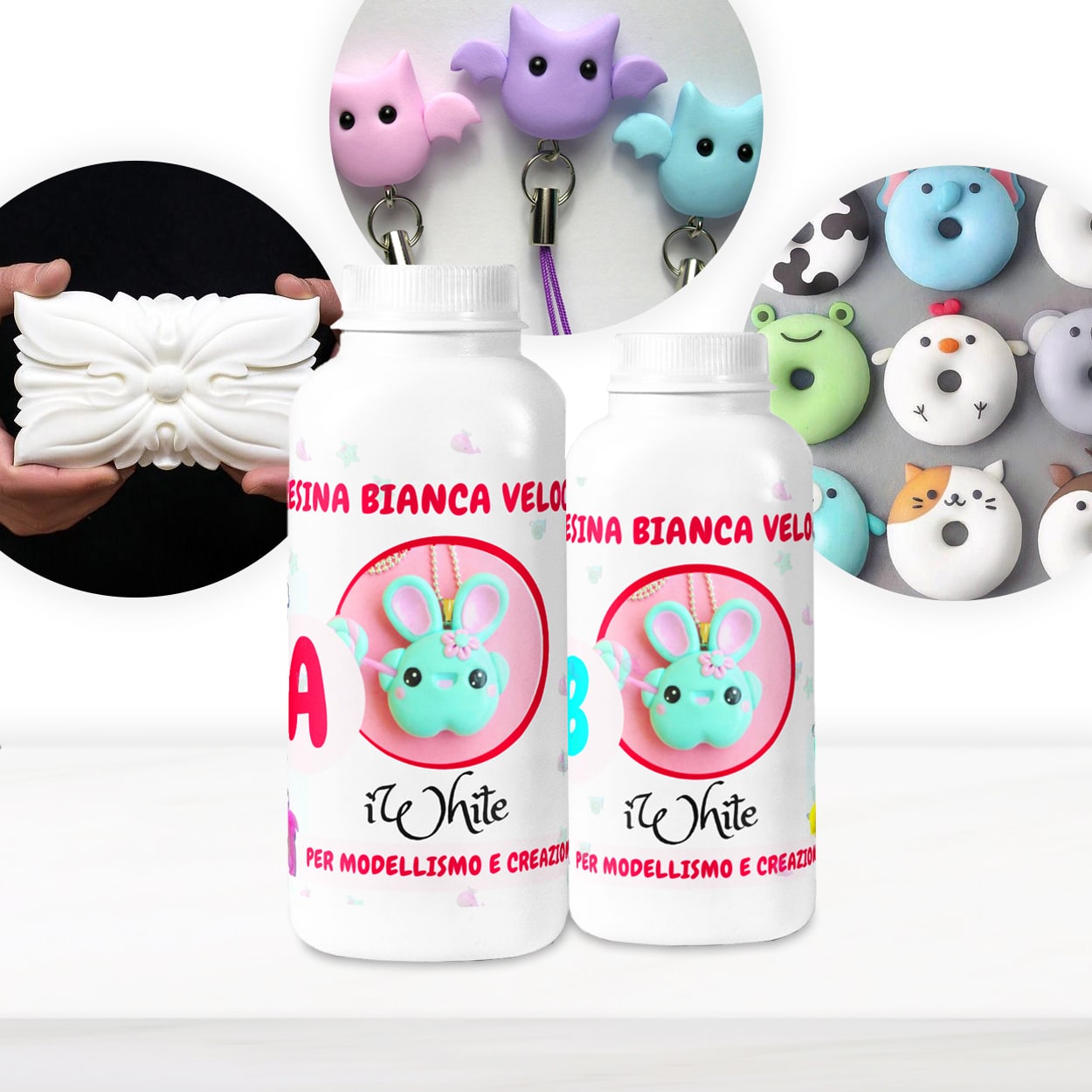 “IWhite” – Polyurethane Casting Resin – White, Fast-Curing Two-Part SystemPrice range: £24.00 through £36.95IWHITE is a fast-curing, white polyurethane resin suitable for detailed, rapid prototyping and handcrafted modelling.
Frequently Asked Questions
What are the main side effects of resin exposure on the skin and lungs?
Resin can cause dermatitis, redness, and allergic reactions on skin. Inhalation of vapours may lead to respiratory irritation or headaches.
Which types of personal protective equipment are most important when working with resin?
Essential PPE includes certified respirators, nitrile gloves, and safety glasses for comprehensive protection.
Do polyurethane resins have different side effects compared to epoxy?
Polyurethane resins often contain isocyanates, requiring strict PPE use. Epoxy resins mainly cause skin and respiratory irritation before curing.
Once a resin piece has cured, is it still hazardous to touch?
Most resins are non-toxic and safe to handle without PPE after complete curing, but always refer to product-specific safety data.
What is the safest way to avoid inhaling resin vapours?
Always work in well-ventilated spaces and use a certified respirator designed for organic and inorganic vapours.
Are allergic reactions to resin common?
Resin allergies can develop over time with repeated exposure, making protective gloves and avoiding skin contact crucial.
Is it safe to reuse a respirator mask during resin projects?
Yes, provided the mask and filters are in good condition and replaced according to manufacturer guidelines.