 Free shipping on orders over £29,85
 Shipping Tracking!



 Google
 Facebook
What Are the Side Effects of Resin Manipulation?
Understand risks and protective solutions for safer resin crafting


Working with resin—whether for art, DIY, or prototyping—offers creative freedom but also exposes you to potential side effects such as skin irritation, allergic reactions, or respiratory discomfort. This page will guide you through what to expect when manipulating resin and how to reduce risks, making it ideal for makers, crafters, and professionals who want a safe workspace while still enjoying their projects.
Understanding the Side Effects of Resin Manipulation
Different types of resin, such as epoxy and polyurethane, can cause a range of side effects if mishandled. The most common risks include skin sensitivity, chemical burns, eye irritation from splashes or dust, and inhalation of fumes or fine particles during sanding or casting. These effects vary based on resin formulation and safety measures taken. For example, polyurethane systems can contain isocyanates, which require strict protection during use, while uncured epoxy almost always demands gloves and eye protection. Understanding these differences helps you choose the right protection for safe resin craftsmanship.

Visual Guide to Common Resin Hazards
Handling, mixing, and pouring resin can generate particles, fumes, and splashes that pose risks to skin and eyes. Always assess your workspace and use appropriate protective equipment such as nitrile gloves and safety glasses before beginning any resin project. Proper planning reduces accidental exposure to hazardous materials, ensuring a safer creative environment.
Safety Glasses for Vision Protection During Resin Work
When pouring, mixing, or sanding resin, Safety Glasses for Resin Work and DIY – Protective Eyewear for Epoxy Projects provide a critical first line of defence. These glasses shield your eyes from splashes, flying particles, or dust generated by grinding, drilling, or milling. Clear polycarbonate lenses maintain visibility for detailed work, while comfortable adjustability makes them suitable for long sessions. Whether you are working with epoxy coasters or refining intricate prototypes, these glasses allow you to craft confidently and comfortably.
Nitrile Gloves for Skin Protection
Direct contact with uncured resin is a leading cause of skin irritation or allergic reactions. Nitrile Gloves – 50 Pairs (100 Pieces) are specifically designed to create a chemical-resistant barrier, preventing resin from touching your skin. Being latex-free, they also minimise the risk of additional allergies. Flexible and durable, nitrile gloves are ideal for both delicate casting and messy mixing tasks, allowing crafters and professionals alike to handle resin safely and efficiently.
Learning about Safe Resin Techniques with a Masterclass
If you are new to resin or want to improve your technique while minimising side effects, the Resin Class – 3D Effects Coasters Masterclass, 120 Minutes offers hands-on guidance. The course covers safe workspace setup, proper mixing and pouring methods, timing for demoulding, and the use of protective gear throughout the process. You will gain practical experience in handling resin with confidence and safety, making it perfect for anyone wishing to start or refine their resin craft safely.
Special Considerations: Polyurethane Resin and Fast-Curing Systems
For rapid prototyping or detailed moulding jobs, products like “IWhite” – Polyurethane Casting Resin – White, Fast-Curing Two-Part System offer speed and sharp casting results. However, these fast-curing systems can contain isocyanates, which means wearing both gloves and eye protection is non-negotiable. Additionally, work in a well-ventilated area to further lower the risk of inhalation. Once fully cured, the resin becomes non-toxic, but take every precaution when mixing or pouring the components.
Protective Equipment in Action
See how using the right gear—such as gloves and eye protection—prevents common injuries and irritation caused by resin manipulation. The combination of proper technique and reliable safety products allows you to focus on your project with confidence, comfort, and peace of mind.

Practical Tips for Reducing Resin Side Effects
To minimise unwanted side effects, always use proper protective equipment: nitrile gloves and safety glasses are essential when handling uncured resin. Work in well-ventilated areas or use adequate fume extraction, especially for polyurethane or solvent-heavy systems. Never sand or cut resins indoors without dust control; airborne particles may irritate lungs or eyes. Clean spills quickly to avoid skin contact, and always wash up thoroughly after working. Adopting these habits ensures a more enjoyable and safe resin crafting experience.
- Safety Glasses for Resin Work and DIY – Protective Eyewear for Epoxy Projects£5.09Safety glasses designed for eye protection and comfort in epoxy resin and various DIY projects.
- Nitrile Gloves – 50 Pairs (100 Pieces)£9.45Nitrile Gloves provide chemical resistant, latex-free hand protection suitable for detailed resin work.
- Resin Class – 3D Effects Coasters Masterclass, 120 MinutesThis 120-minute course guides you through creating coasters, trays and bowls using resin, suitable for those interested in functional art.
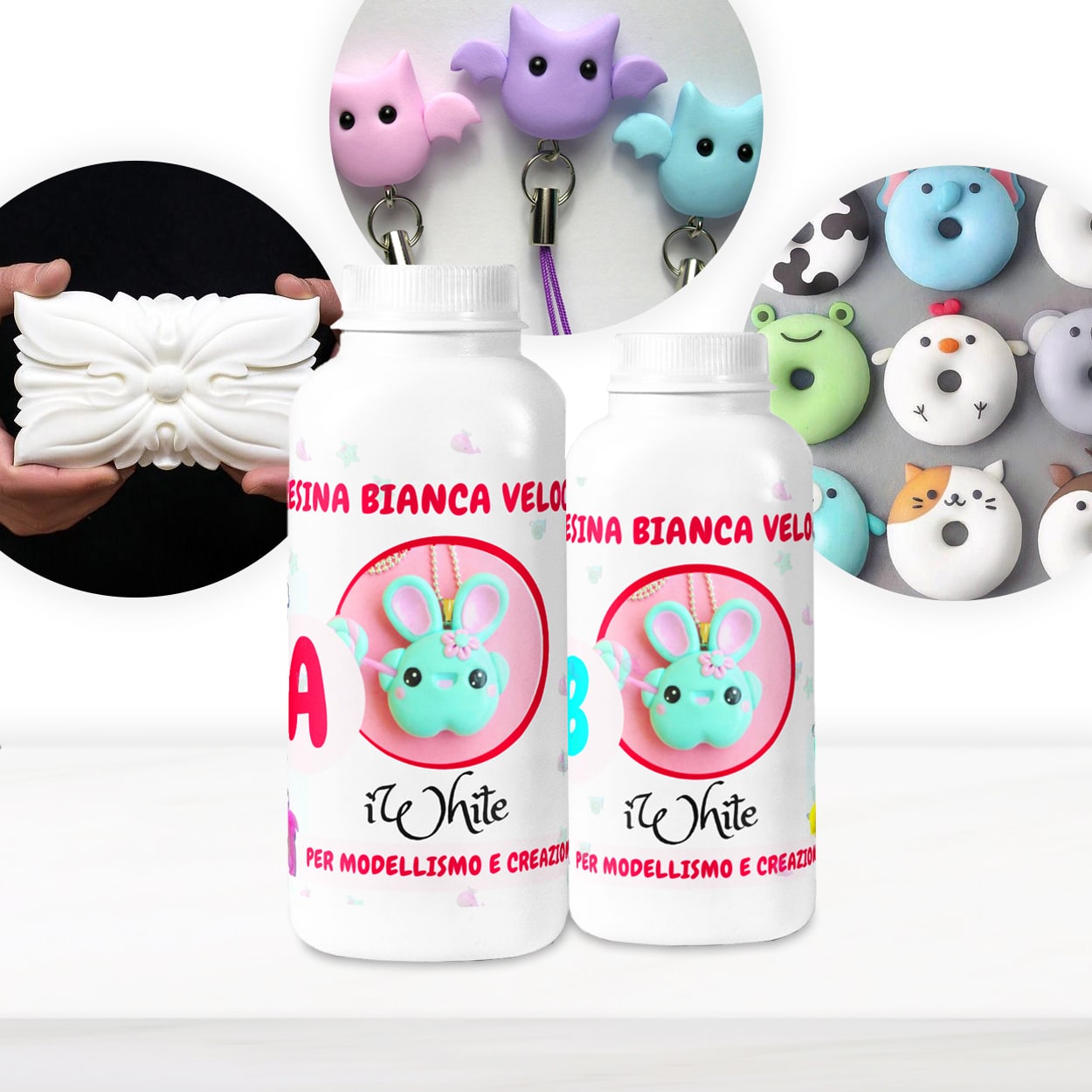 “IWhite” – Polyurethane Casting Resin – White, Fast-Curing Two-Part SystemPrice range: £24.00 through £36.95IWHITE White Polyurethane Casting Resin is suitable for fast, detailed prototyping and crafting projects.
Frequently Asked Questions
What skin side effects can occur when handling resin?
Uncured resin may cause irritation, redness, or allergic reactions. Protective nitrile gloves are recommended to prevent these effects.
Is fully cured resin still hazardous to touch?
Once completely cured, most resins are inert and safe to handle without gloves, though some sensitive users may still experience minor irritation.
How can I avoid eye injuries when working with resin?
Always wear safety glasses when mixing, pouring, sanding, or grinding resin to protect against splashes and airborne particles.
Why are nitrile gloves recommended for resin instead of latex gloves?
Nitrile gloves offer superior chemical resistance to resin components and do not trigger latex allergies.
Do I need a mask or ventilation when working with resin?
It is best practice to work in ventilated areas, and consider a mask when working with products containing strong fumes or isocyanates.
Is there a course to help me learn safe resin techniques?
Yes, resin masterclasses provide hands-on instruction on safe handling, workspace setup, and protective equipment use.