 Free shipping on orders over £29.85
 Shipping Tracking!



 Google
 Facebook
What are the techniques for achieving a perfect finish with resin?
Practical solutions for glossy, flawless resin surfaces every time.


Whether you are new to resin or seeking methods to enhance your craftsmanship, achieving a flawless finish is essential for high-impact projects. This page explores professional techniques and the most effective products for creating a crystal-clear, glossy surface on your resin art, furniture, or crafts. Designed for hobbyists and advanced makers alike, you will find comparison, tips, and product suggestions for every aspect of resin finishing.
Comparing Techniques and Tools for the Perfect Resin Finish
Achieving a perfect finish with resin involves multiple stages—careful sanding, expert polishing, and attention to surface texture. The key factors that make a difference are the choice of abrasive grit, polishing compounds, and application methods. Some users prefer a satin or matte effect, while others pursue a high-gloss, mirror-like look. Dedicated systems such as the “Epoxy Polish” – Epoxy Resin Polishing System target scratch removal and surface clarity, while flexible sanding solutions and powered polishers boost efficiency on larger projects.
It’s not just about what you use, but how you use it. Wet and dry sanding approaches, appropriate speed control, and polish compatibility all contribute to a refined result. For those who prefer hands-on learning, specialist masterclasses can provide invaluable experience and technique depth.

See the Results of Expert Resin Finishing
Professional-Grade Formula polishes and sanding pads deliver visible clarity and shine, as seen on works by resin artists across the UK. Explore before-and-after results from using our comprehensive ranges for an inspiring glimpse at what you can achieve.
“Epoxy Polish” – Epoxy Resin Polishing System
For ultimate shine and scratch removal, the “Epoxy Polish” – Epoxy Resin Polishing System delivers a professional-level finish across various resin surfaces. Its advanced formula is designed to quickly eliminate clouding or surface marks left by sanding. Suitable for use with polishing pads or by hand for small details, it incorporates anti-hologram technology to ensure no swirl marks remain—and is compatible with plastics and carbon fibre as well as resin.
This system is recommended for those committed to a true mirror gloss, and can be safely used by both DIY crafters and professional resin artists. Explore the full range of Sanding and Polishing products for different project scales.
“Ebonite Abralon” – Sanding Pads 360-4000 Grit for Resin and Wood
The “Ebonite Abralon” – Sanding Pads are ideal for controlled surface preparation and finishing. Available in a wide range of grits (360-4000), they are engineered for both wet and dry sanding, ensuring even pressure through a foam backing. Their open design allows for efficient water flow during wet sanding, minimising clogging and uneven abrasion. These pads are especially valued when transitioning from rough shaping to the final polish stages, and are suitable for both resin and wood hybrid projects.
1200W Polisher for Sanding and Buffing – Variable Speed, D-Handle
The 1200W Polisher for Sanding and Buffing – Variable Speed, D-Handle enables quick, uniform finishing on medium to large resin pieces. Its variable speed control offers precise adaptation for both sanding and final buffing, reducing risk of surface burn or over-polishing. The ergonomic D-handle provides comfort and control, making longer sessions and larger projects manageable even for less experienced users. This tool is an excellent upgrade for anyone regularly sanding or polishing resin artworks or furniture pieces. More options are available in our Accessories for Resin section.
Resin Class – 3D Effects Coasters Masterclass, 120 Minutes
If you would rather learn from an expert and receive personal guidance, the Resin Class – 3D Effects Coasters Masterclass, 120 Minutes introduces foundational and advanced finishing techniques. This masterclass covers the theory behind resin selection, effective mixing, mould usage, detailed colouring, and most importantly—how to minimise flaws during curing and polishing. Suitable for beginners and DIY enthusiasts alike, it’s a hands-on way to experience every step, from rough sand to final gloss, under expert supervision. For more classes, browse our Masterclass category.
Tips for Achieving Flawless Resin Surfaces
Always progress through sanding stages patiently, starting with coarser grits and finishing with ultra-fine (ideally 2000+ grit). Use wet sanding whenever possible to avoid overheating and dust, and clean the surface thoroughly before each polishing stage. For intricate pieces or final finishing, apply the polish gently in circular movements—whether by hand or with a buffer—and check regularly in angled light for any remaining imperfections. If you’re seeking a consistently glossy finish, combining the use of “Ebonite Abralon” – Sanding Pads, the dedicated “Epoxy Polish” – Epoxy Resin Polishing System, and a variable speed polisher yields reliable, professional results. For best learning outcomes, consider a guided class for structured practice.
Finishing Techniques in Action
Check out step-by-step guides and workshop moments showing Versatile Polishing Options, masterclass teaching, and the transformation brought by a Variable Speed Control polisher on resin surfaces. Hands-on practice is the key to perfection.

- "Epoxy Polish" – Epoxy Resin Polishing SystemPrice range: £18.95 through £47.45"Epoxy Polish" provides a polishing system designed for resin and similar materials to restore a glossy finish suitable for various projects.
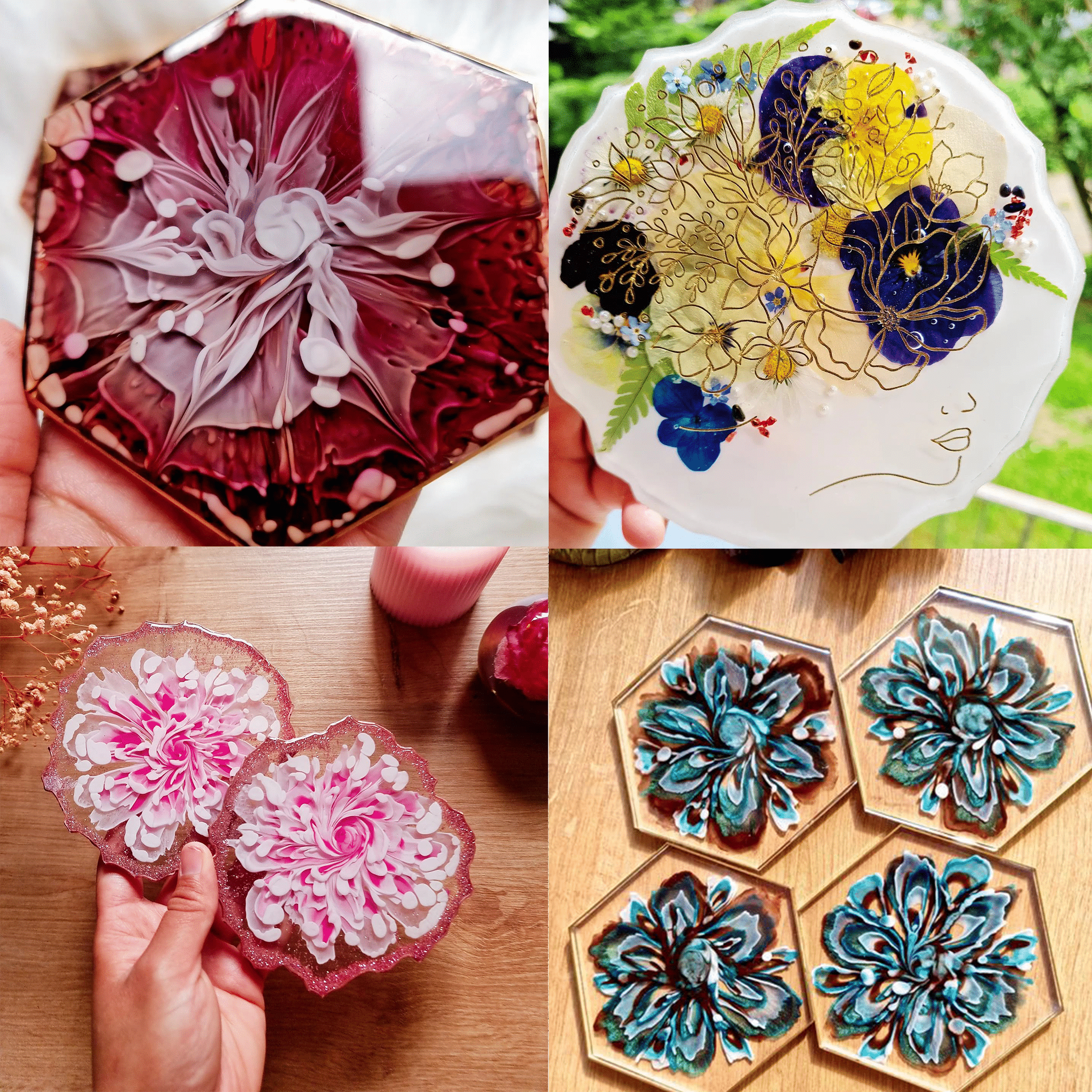 Resin Class – 3D Effects Coasters Masterclass, 120 MinutesThis resin masterclass teaches practical techniques for creating coasters, trays and bowls using epoxy resin within the theme of finishing techniques.
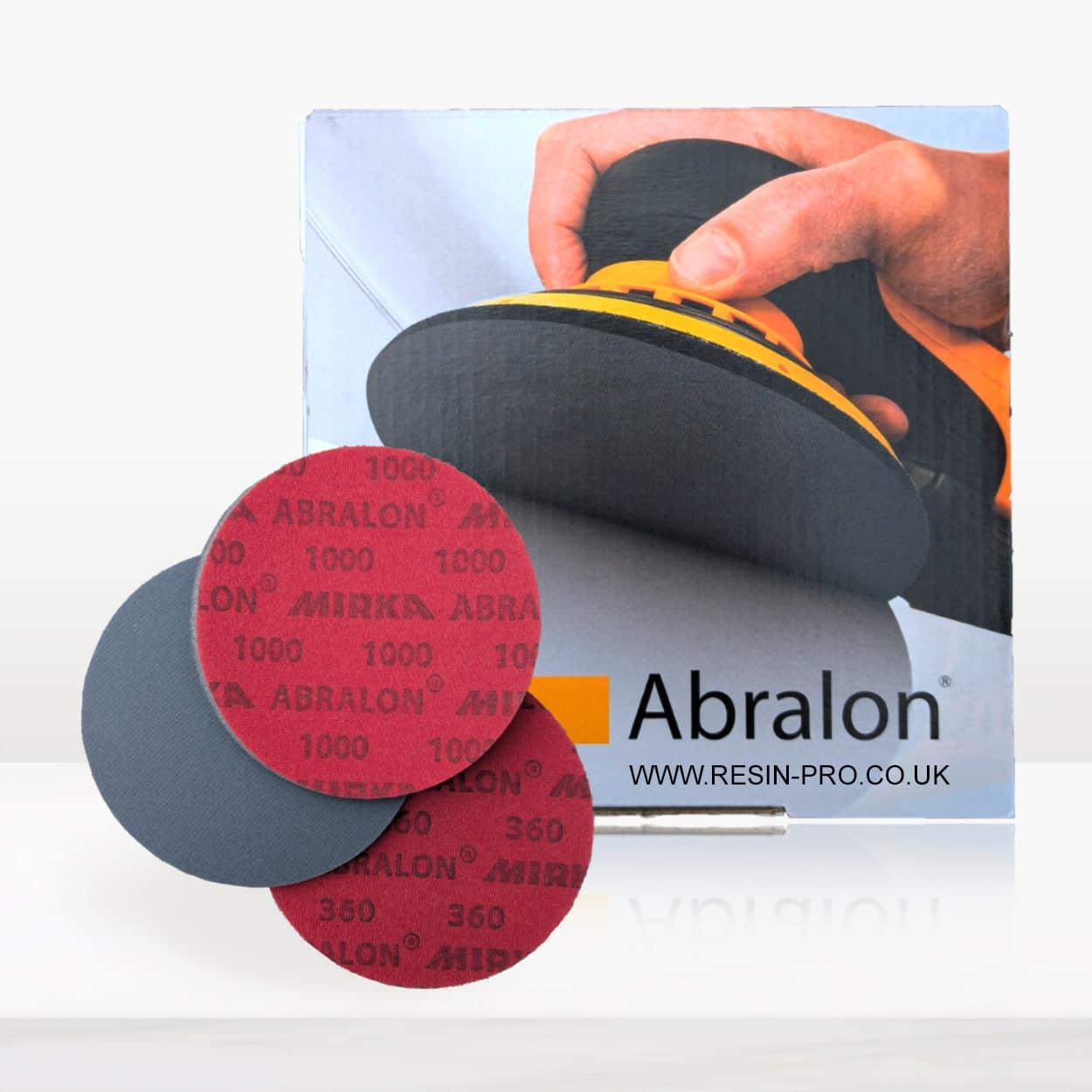 "Ebonite Abralon" – Sanding Pads 360-4000 Grit for Resin and Wood£4.15Ebonite Abralon Sanding Pads suit detailed finishing work on resin and wood surfaces under the theme of achieving a perfect finish with resin.
 1200W Polisher for Sanding and Buffing – Variable Speed, D-Handle£90.45The 1200W Polisher provides variable speed and a sturdy D-handle for sanding and polishing resin surfaces.
Frequently Asked Questions
Can I achieve a high-gloss finish on resin without machinery?
It’s possible to reach a glossy finish by hand using fine sanding pads and polishing compounds, though it will require more time and effort than powered tools.
What is the difference between sanding and polishing resin?
Sanding removes imperfections and levels the surface; polishing then refines the texture, restoring clarity and shine.
Which polishing system is recommended for epoxy resin finishes?
"Epoxy Polish" – Epoxy Resin Polishing System is specifically formulated for scratch removal and a mirror-like gloss on resin surfaces.
Which grit level should I use for sanding resin?
Start with 600 or 800 grit for initial smoothing and finish with finer pads up to 4000 grit for final polishing.
Is a powered polisher necessary for professional resin finishes?
A variable speed polisher gives greater control and efficiency, but smaller projects can often be finished successfully by hand.
Do I need to attend a resin class to master finishing techniques?
While not required, participating in a masterclass can significantly accelerate skill development and confidence for flawless resin finishes.