 Free shipping on orders over £29,85
 Shipping Tracking!



 Google
 Facebook
What techniques are used to polish epoxy resin after it has hardened?
Expert advice and product picks for glossy, flawless resin finishes


If you want to achieve a glass-like finish on your cured epoxy resin surfaces, understanding the right polishing techniques and products is essential. Whether you’re a dedicated resin artist, a DIY enthusiast, or just looking to restore shine to a well-used piece, this guide will help you compare and choose the best polishing tools and solutions for any project.
Overview of Polishing Techniques and Product Comparison
Polishing hardened epoxy resin is a multi-step process that generally starts with sanding to remove imperfections, followed by buffing with specialised polishing compounds or creams for a high-gloss finish. The products you choose—such as sanding pads, polishing pastes, or dedicated polishers—play a critical role in the ease and quality of your results. For clear, coloured, or dark resin projects, it’s important to select materials appropriate to your finish goals and surface type.
Key considerations for choosing products include:
Surface Colour: Dark surfaces can require unique formulations to avoid visible marks or dulling.
Degree of Imperfections: Deep scratches necessitate robust sanding with varied grits, while fine marks may be tackled with a single polishing cream.
Application Tools: Some products are best with power tools like rotary polishers, while others allow hand application—suiting different project scales and user preferences.

Expert Video Demo: Epoxy Resin Polishing Step-by-Step
Watch a detailed walkthrough covering sanding, buffing, and finishing techniques for hardened epoxy resin. See how different pads and polish compounds create that signature high-gloss finish. For a full list of products used, browse our sanding and polishing range.
“Epoxy Polish” – Epoxy Resin Polishing System
The “Epoxy Polish” – Epoxy Resin Polishing System is specifically designed to make the final step of resin finishing effortless. This advanced system removes scratches, dullness, and micro-imperfections on both light and dark resin surfaces. Thanks to its anti-hologram technology, it eliminates those troublesome swirl marks that can appear using generic abrasive creams. Use this polish either with a rotary polisher or a hand pad holder for the best results. Its versatility also extends to carbon fibre and various plastics, making it the go-to solution for artists and crafters seeking a professional-grade finish.
“Ebonite Abralon” – Sanding Pads 360-4000 Grit for Resin and Wood
For those seeking smooth, even resin surfaces before final polishing, the “Ebonite Abralon” – Sanding Pads 360-4000 Grit for Resin and Wood offer excellent performance in wet or dry applications. With a wide range of grit options, they enable you to move from coarse material removal right through to delicate finishing—essential for reducing visible scratches prior to buffing. Their foam backing ensures consistent pressure and an even scratch pattern across your surface, especially useful when paired with an orbital or rotary polisher.
“Carbon Polish” – Polishing System for Dark and Black Surfaces, 250ml
If your resin project features dark or black surfaces, opt for the “Carbon Polish” – Polishing System for Dark and Black Surfaces, 250ml. Typical polishes may leave unsightly white streaks or fail to provide adequate gloss on darker resin, but this eco-friendly formula avoids whitening and delivers an intense, mirror-like finish. It is suitable for both hand and machine applications, is odourless and silicone-free, and ensures your resin project’s details are highlighted without damage to surrounding plastic parts.
1200W Polisher for Sanding and Buffing – Variable Speed, D-Handle
Elevate your finishing process with the 1200W Polisher for Sanding and Buffing – Variable Speed, D-Handle. This versatile tool, with its variable speed control and ergonomic D-handle, brings professional-grade power and precision to both sanding and polishing steps. Whether you are refining large resin tabletops or bringing out fine details in smaller decorative projects, this polisher adapts to your needs and supports both beginners and experts in achieving flawless, ultra-glossy finishes.
Tips for Achieving Perfect Epoxy Resin Polishing Results
For optimal results, always start with the lowest grit needed to address visible scratches and gradually work up to the highest grit pad before using polishing compounds. Remember to keep sanding pads and surfaces clean to avoid introducing new scratches, and allow the resin to cure fully before beginning the process. When polishing, use a microfibre cloth or pad suitable for your chosen cream or paste and avoid overworking a single spot, which can result in uneven gloss or heat marks. For best results across different projects and surface types, you can explore our full sanding and polishing range for tailored solutions.
Photo Inspiration: Polished Resin Surfaces Up Close
View vibrant project shots demonstrating various stages of resin polishing—from initial sanding to the final reflective shine. Achieve stunning results by choosing the right tools and following proven steps for your specific surface.

- "Epoxy Polish" – Epoxy Resin Polishing SystemPrice range: £18.95 through £47.45"Epoxy Polish" is a polishing system designed to restore a glossy finish on epoxy resin surfaces with minimal effort.
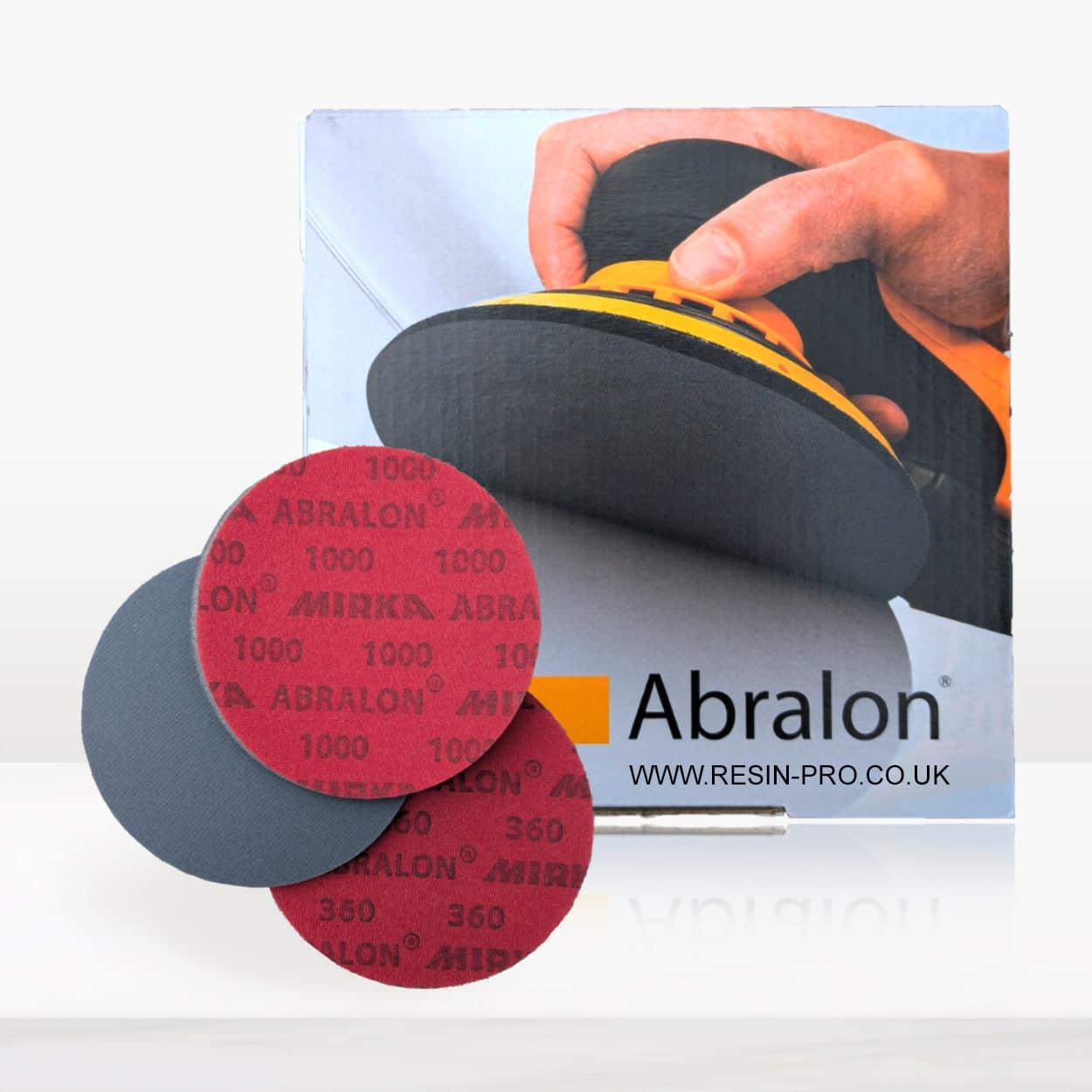 "Ebonite Abralon" – Sanding Pads 360-4000 Grit for Resin and Wood£4.15"Ebonite Abralon" sanding pads provide varied grit levels for polishing epoxy resin and wood, suited to detailed finishing techniques.
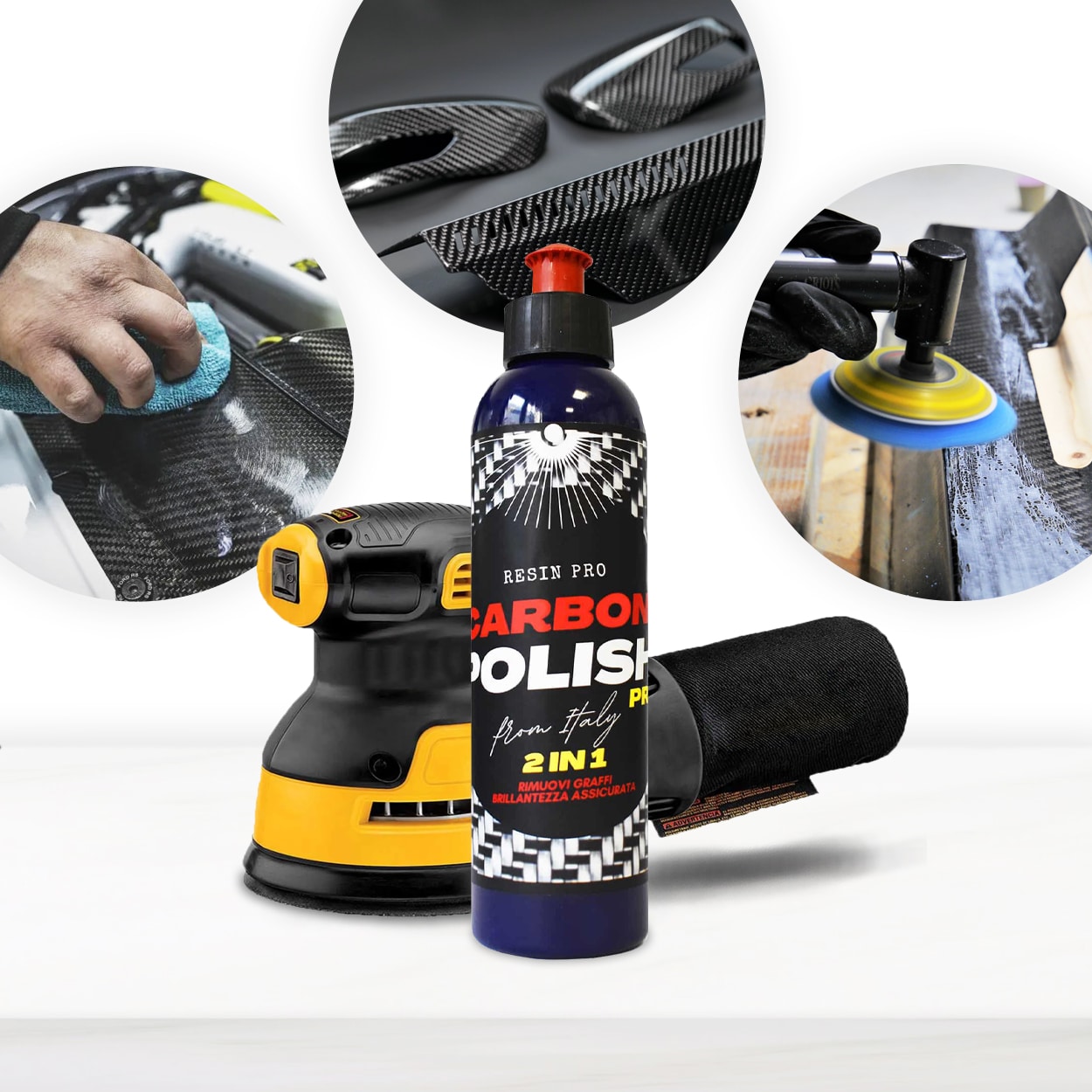 "Carbon Polish" – Polishing System for Dark and Black Surfaces, 250mlPrice range: £18.95 through £47.45Carbon Polish Black is designed for polishing dark and black surfaces, suitable for epoxy resin projects, with easy application and an eco-friendly…
 1200W Polisher for Sanding and Buffing – Variable Speed, D-Handle£90.45The 1200W Polisher offers variable speed and a sturdy D-handle for controlled sanding and buffing, suitable for epoxy resin finishing.
Frequently Asked Questions
What is the best way to polish epoxy resin after curing?
Start by sanding with progressively finer grits, then use an appropriate polishing compound and a rotary or hand pad for best gloss.
Can epoxy resin be polished with just a cloth?
Using a cloth alone may not create enough friction for a glossy finish; a mechanical polisher or pad is recommended for superior results.
Which polish is suitable for dark or black resin surfaces?
Specialised polishes like Carbon Polish Black are formulated to avoid white residue and maintain deep, even gloss on dark surfaces.
Do I need to sand before polishing epoxy resin?
Yes, sanding removes surface imperfections and prepares the resin for a flawless polish, especially if scratches are visible.
What type of polisher works best for resin surfaces?
A variable speed rotary polisher with a comfortable handle is ideal, as it offers precision and effective buffing for both sanding and polishing.
How can I fix cloudiness or poor results after polishing?
Re-sand the area with higher grits, ensure surfaces are clean, and repeat with a suitable polishing compound for improved clarity.
Should I polish by hand or use a machine?
Machines offer faster, more consistent results, but hand polishing can suffice for small, detailed projects or if equipment is not available.