 Free shipping on orders over £29,85
 Shipping Tracking!



 Google
 Facebook
What to use as a release agent for epoxy resin
Quick answer
Release agents are crucial for easily removing cured epoxy resin from moulds, preventing sticking and damage to both the casting and the mould. Common types include liquid release waxes, silicone oils, and spray agents, each suited to different materials such as wood, metal, plastic, and silicone. The right choice ensures smooth demoulding, longer mould life, and superior finished results for resin artists, manufacturers, and hobbyists.
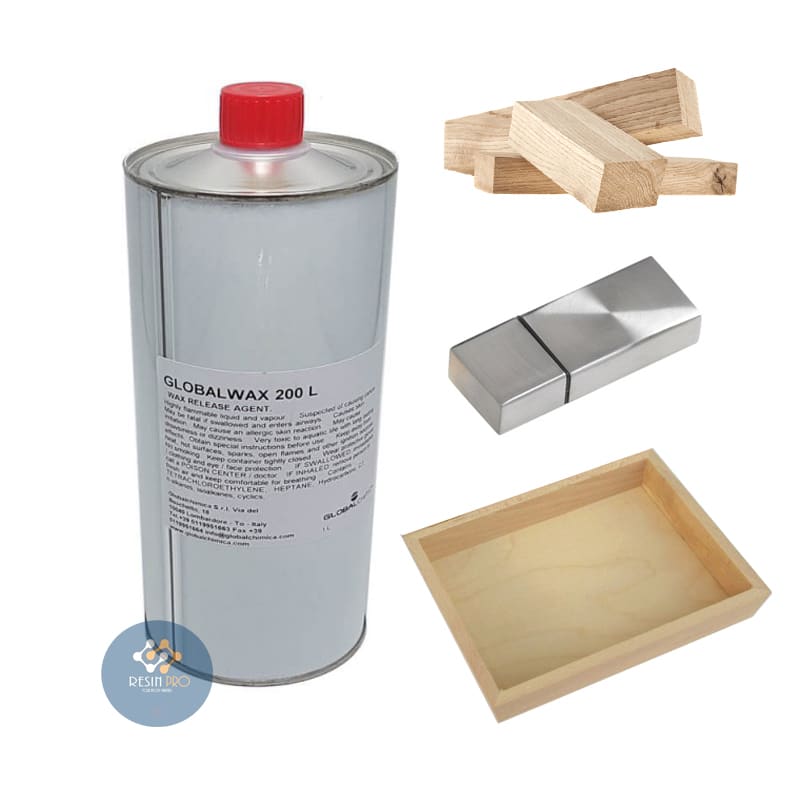

Choose the right agent for easy mould release every time
If you work with epoxy resin, a quality release agent is essential to prevent your castings from sticking to their moulds. This page helps resin artists, crafters, and manufacturers select the best release agent for their specific needs, whether working with silicone, plastic, metal, wood, or composite moulds. Learn the pros and cons of popular release options and discover which product suits your next epoxy resin project.
Comparing the Top Release Agents for Epoxy Resin
Release agents serve a single purpose: making it effortless to remove cured resin from your moulds. The three most common choices are release wax, silicone oil, and specialty release sprays. Each has distinct advantages — for example, a release wax like “Global A2” – Release Wax for Epoxy and Resin Moulds, Liquid, Heat Resistant to 180°C offers heat protection and is versatile for different surfaces. Silicone oils, such as Silicone Oil for Mould Protection and Easy Release – 15ml, are ideal for maintaining the flexibility of silicone moulds and ensuring frequent, easy demoulding. Not every adhesive or product labelled for epoxy is suitable as a release agent, so understanding these differences is crucial for resin safety and finished quality.

Release Agent Application Demo
Watch step-by-step how to apply release wax or silicone oil to your mould surface, ensuring a complete and even layer for easy epoxy demoulding every time. Proper coverage makes removal much simpler and helps prevent any damage to either the mould or the finished resin piece.
“Global A2” – Release Wax for Epoxy and Resin Moulds
This liquid release wax is designed to form a protective barrier on almost any mould surface, making it a reliable choice for wood, metal, plastic, and cardboard. Heat Resistant: It remains effective up to +180°C, meaning it won’t degrade or lose its anti-adhesion properties during most casting processes. Multi-Surface Application: Suitable for multiple materials, it dries extremely quickly—usually within 2-3 minutes—so you can keep your workflow efficient. For artists or manufacturers with a range of mould materials, “Global A2” provides consistent, dependable results.

Silicone Oil for Mould Protection and Easy Release
Silicone Oil for Mould Protection and Easy Release – 15ml is specially developed for silicone rubber moulds, helping them stay soft, flexible, and easy to use. The oil creates a non-adhesive barrier, ensuring even detailed castings are released cleanly. It’s also valued for extending mould life and supporting unique artistic effects in fluid painting. If you frequently demould intricate pieces or rely on silicone forms, this is an outstanding partner in your creative process.
Why Not Use Epoxy Glue as a Release Agent?
Some users wrongly assume that any epoxy-related product will prevent sticking, but products like “Klebfix” – Two-Component Fast Epoxy Glue 2K, 25g Syringe are designed for bonding—not release. Comparing glue and release agents highlights the importance of using products fit for purpose: adhesives are intended to permanently stick materials together, while release agents create a temporary, non-permanent barrier. To ensure your castings and moulds remain undamaged, only use waxes, oils, or specified release sprays for demoulding tasks.

Choosing a Release Agent for Your Project
Consider your mould material first—wood, metal, and plastic benefit from heat-resistant release wax, while silicone moulds are best protected and maintained with silicone oil. Think about the working temperature, surface complexity, and how often you plan to reuse the mould. Ultimately, matching the agent with your surface will maximise the life of both your moulds and finished epoxy pieces.
Real-World Project Examples
See how crafters and professionals use dedicated release agents for everything from river tables to small jewellery pieces. Whether for one-off creations or repeated production runs, choosing the correct release agent transforms your epoxy resin workflow.

- "Global A2" – Release Wax for Epoxy and Resin Moulds, Liquid, Heat Resistant to 180°CPrice range: £16.95 through £19.95This release wax creates a protective film on mould surfaces for epoxy resin projects, fitting the theme of release agents.
- "Klebfix" – Two-Component Fast Epoxy Glue 2K, 25g Syringe£24.00"Klebfix" is a two-component fast epoxy glue designed for professional-strength bonding across various materials.
- Silicone Oil for Mould Protection and Easy Release – 15ml£5.45Silicone oil designed for mould protection and easier release in resin projects, suitable for crafting and artistic uses.
Frequently Asked Questions
What is the best release agent for silicone moulds used with epoxy resin?
Silicone oil is ideal for silicone moulds—it keeps them flexible and ensures effortless, clean demoulding.
What's the difference between release wax, silicone oil, and epoxy glue?
Release wax and silicone oil are for preventing resin adhesion, while epoxy glue is for permanent bonding and should not be used as a release agent.
Which mould surfaces can release wax be applied to?
Release wax can be used on wood, metal, plastic, and cardboard to form a temporary non-stick layer.
Do I always need a release agent for epoxy resin projects?
A release agent is essential whenever using non-stick-resistant moulds; with silicone moulds, it helps prolong mould life.
Will a release agent affect the details of my resin casting?
When applied correctly in a thin layer, quality release agents will not affect fine surface details.
What is the heat resistance of typical release waxes?
Products like Global A2 Release Wax remain effective up to +180°C, suitable for most resin casting temperatures.