 Free shipping on orders over £29,85
 Shipping Tracking!



 Google
 Facebook
Which Resin Is Best for Metal and Fibreglass RV Roof Seams?
← Back to Waterproofing RV roof seams
Quick answer
A polyester resin kit with a fibreglass mat is the most practical choice for rigid metal and fibreglass RV roof seams. It forms a durable, waterproof structural repair by saturating the mat and bonding it to both surfaces. The mat bridges small gaps and adds reinforcement at the joint, while the resin locks everything in place. That combination copes better with movement, standing water and temperature changes than standard roof sealant. It suits aluminium, steel and composite panels where a rigid, long-lasting join is required.

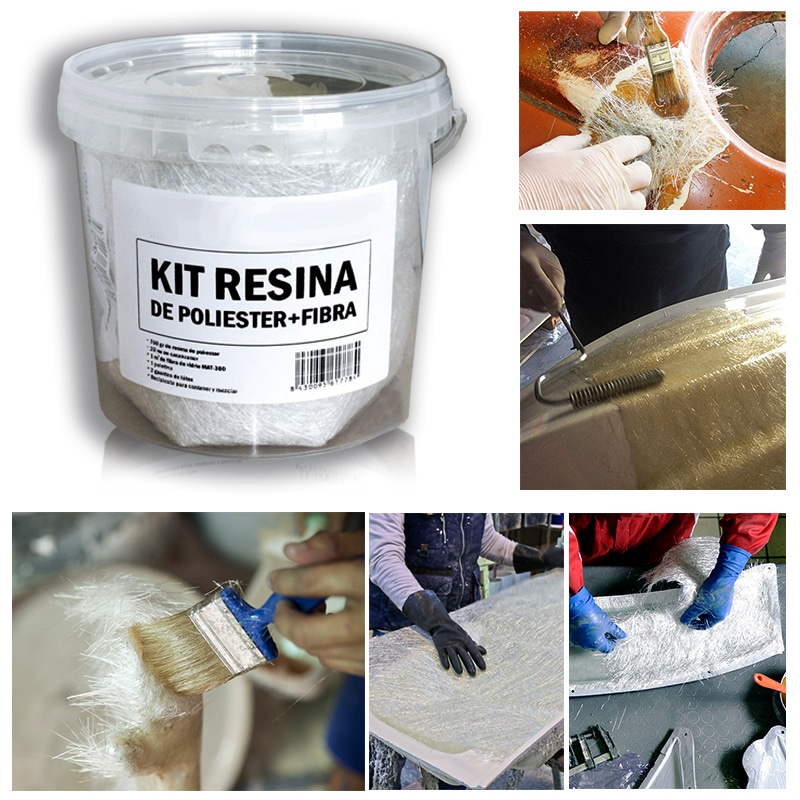
Roof seams are among the first places an RV leaks, especially where metal sheeting meets a fibreglass front or rear cap. A polyester and fibreglass mat system gives you a structural repair rather than a temporary patch, but surface preparation and careful mixing make the difference between a fix that lasts and one that lifts after a season.
Why polyester resin is the better option for rigid seams
Polyester resin is widely used for laminating and structural repair because it cures hard and bonds well to prepared fibreglass, aluminium and steel. When paired with a fibreglass mat, it creates a reinforced bridge across the seam that spreads stress rather than concentrating it in one line. This is important on an RV roof, where cyclic movement and road vibration can cause flexible sealants to pull away.
A complete kit such as the Resin Fibreglass Repair Kit – Complete Polyester Resin and Hardener Set includes the resin, hardener, mat and basic tools, so you are not mixing separate components from different systems.
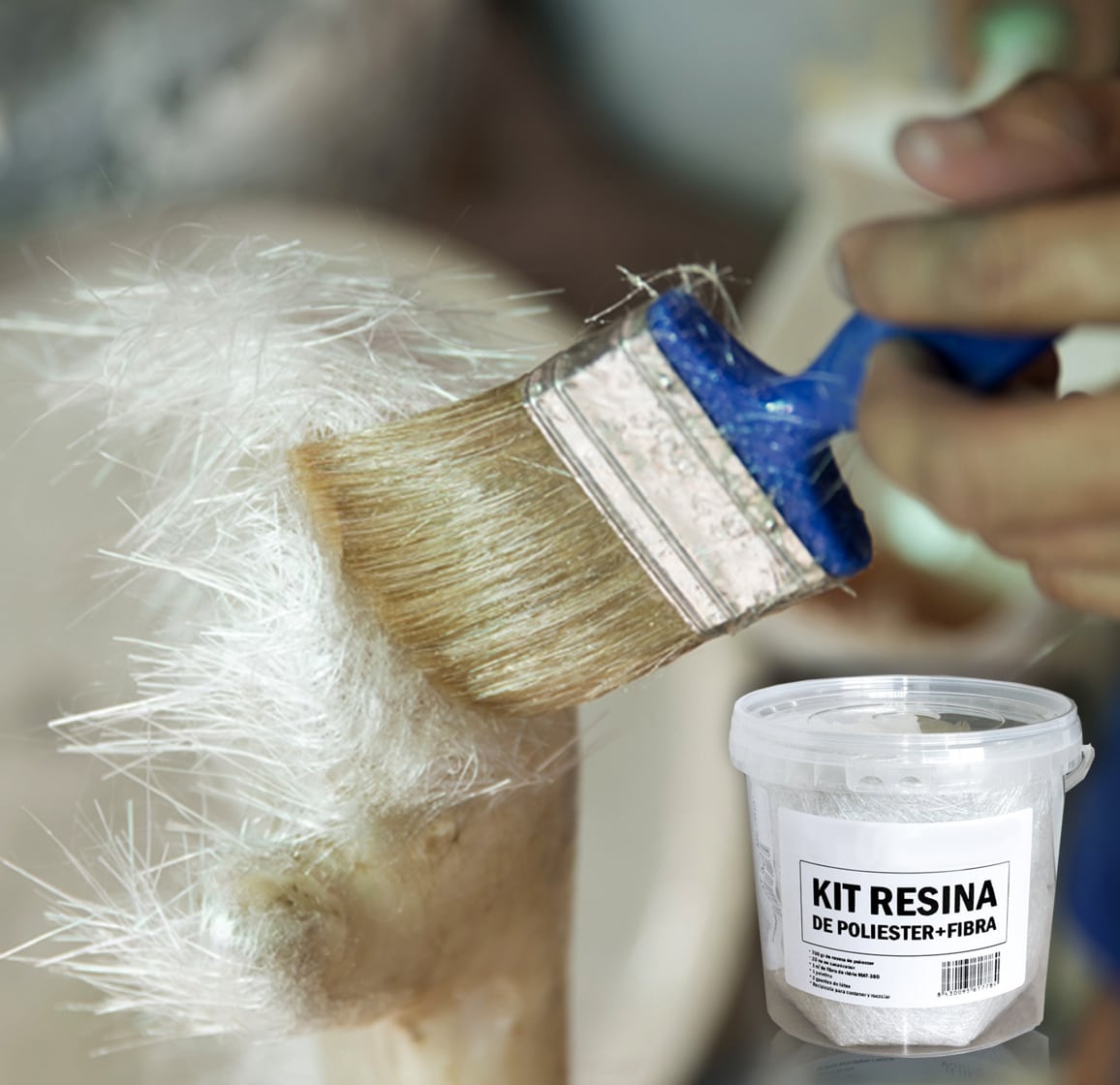
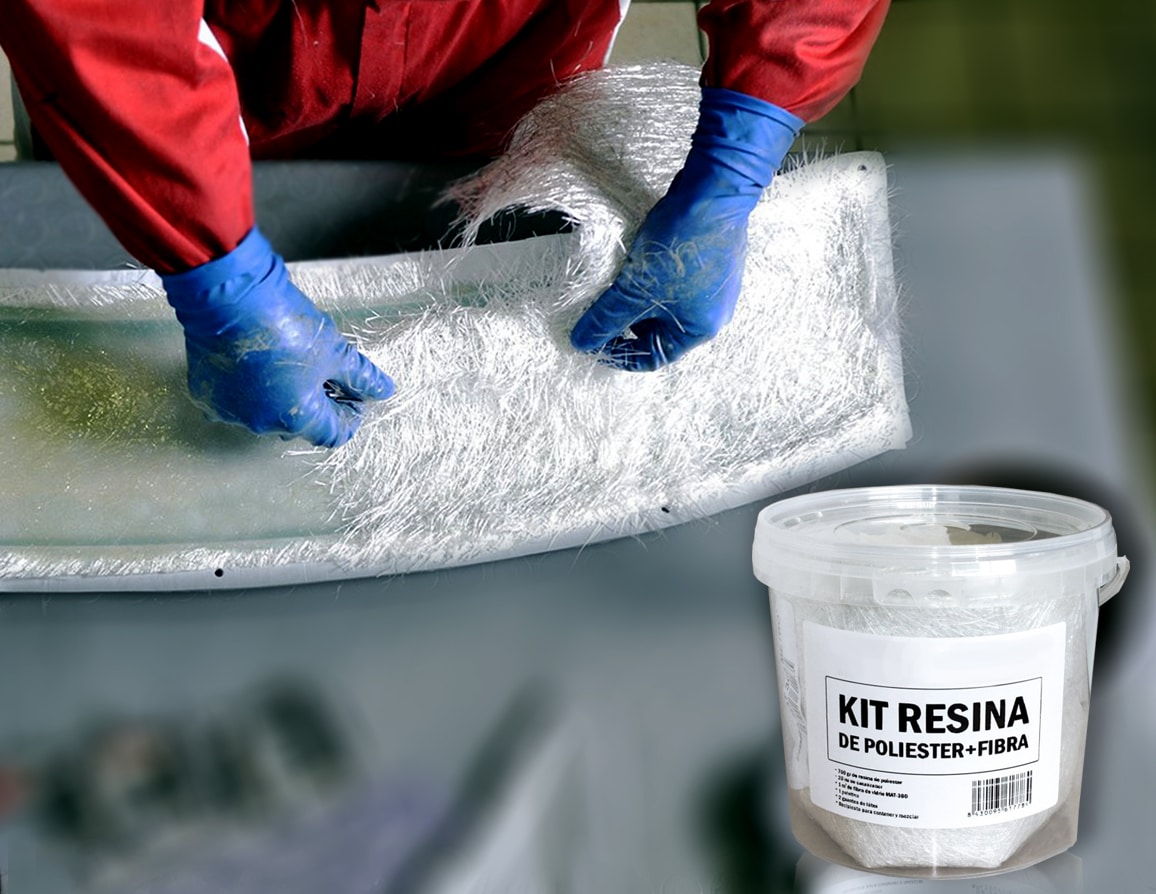
Preparation and application sequence
Start with a dry, grease-free surface. Lightly sand or abrade the metal and fibreglass around the seam so the resin has a mechanical key, then wipe away dust. Cut the fibreglass mat into manageable strips that overlap the seam by a few centimetres on each side.
- Mix the polyester resin and hardener at the ratio given in the kit instructions.
- Apply a thin resin coat to the prepared seam, lay the mat onto the wet resin, then stipple more resin through the mat until it becomes translucent.
- Add a second layer if the seam is wide or the roof skin is thin, and let it cure fully before sanding or painting.
When this matters: metal-to-fibreglass transitions
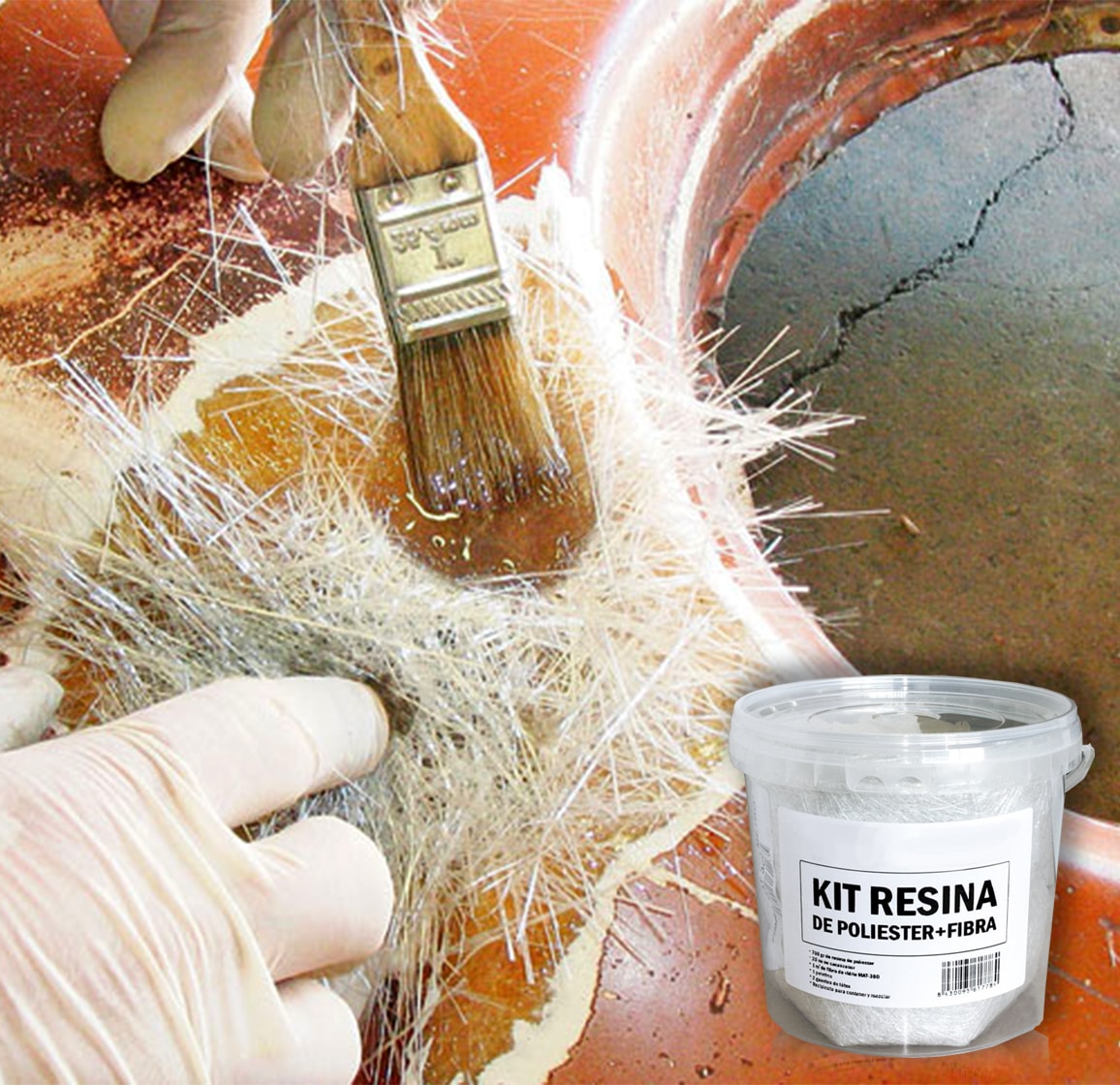
This approach matters most where the roof sheet overlaps a fibreglass end cap, or where a previous lap sealant has cracked and allowed water beneath the surface. In those areas, a polyester and fibreglass laminate can span the joint and rebuild stiffness rather than simply covering the crack. If the surrounding panel is badly corroded or flexes heavily, fill deep voids first and consider whether the repair needs additional mechanical support before laminating.
Related products
Related guides
Once the metal and fibreglass seams are sealed, walk the rest of the roof to check vents, corners and existing sealant for lifting or cracks. A structural polyester repair is just one part of a complete waterproofing routine for RV roof seams, but it addresses the junction where many long-term leaks begin.