 Free shipping on orders over £29,85
 Shipping Tracking!



 Google
 Facebook
← Back to What is the optimal temperature for working with resin?
Quick answer
Temperature control is a key factor in resin curing, directly influencing how well the resin sets, its overall durability, and final visual appearance. Curing outside the recommended temperature range can lead to incomplete hardening, surface imperfections, cloudy finishes, or even curing failures. Consistent, appropriate temperatures ensure your resin project achieves the desired strength, clarity, and longevity.


If you’ve ever noticed your resin project failing to cure properly or developing cloudy spots, temperature could be the reason. Getting curing conditions right can be the difference between a flawless result and a disappointing finish.
How Temperature Influences Curing Results
Resin systems—including epoxy, polyurethane, and specialty top coats—depend on chemical reactions that are highly sensitive to temperature. When working in conditions that are too cool, resin may remain tacky or set with a cloudy hue. In overly warm environments, resin may cure too quickly, increasing the risk of bubbles, warping, or uneven surfaces. In either extreme, the end result is unpredictable, often compromising strength and clarity.

What Happens When Conditions Are Not Ideal?
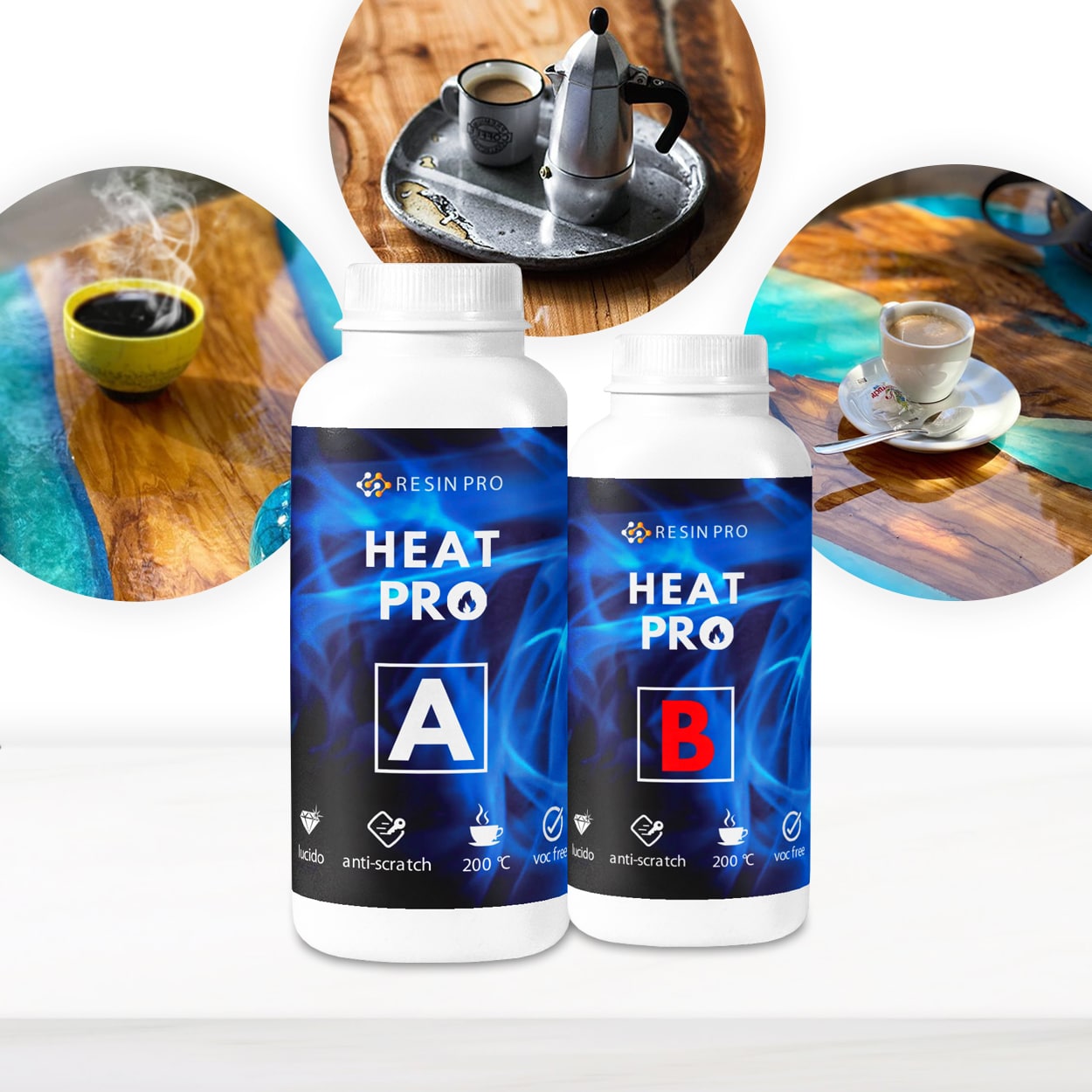
Attempting to cure resin below its recommended temperature—commonly around 10°C or higher depending on type—can significantly slow or halt the chemical process. For example, Polyform polyurethane casting resin should not be used below 8–10°C, while products like “Heat Pro” require the room and resin to be kept above 20°C to cure effectively. Problems such as soft spots, cracks, or separation from substrates can all arise when temperatures fall outside these ranges.
Practical Tips for Managing Workspace Temperature
- Monitor room conditions: Use a reliable thermometer to check workspace temperature before starting.
- Use heating aids: Devices like the “Rhino” 2kW Fan Heater help maintain stable, suitable temperatures throughout the working and curing period.
- Plan for the product type: Always consult the specific resin’s guidance, as recommended temperature ranges can vary between formulations.

When This Matters Most
Temperature precision is especially critical for intricate moulding, surface coatings demanding high clarity, or projects where maximum bond strength is required. During cooler months or in unheated workspaces, taking extra steps to warm materials and your environment can prevent disappointing surprises.
Related products
Related guides
Understanding why temperature is so crucial sets the foundation for successful resin work. For more on ideal working conditions and optimising your projects, explore our main guide on the optimal temperature for working with resin.