 Free shipping on orders over £29,85
 Shipping Tracking!



 Google
 Facebook
Does EpoxyWood Prevent Leaks in Timber Van Roofs?
← Back to Waterproofing a roof hole in a van
Quick answer
EpoxyWood is a low-viscosity epoxy resin designed to penetrate timber pores and create a waterproof barrier when applied to dry, sanded wood. On van roof structures with timber panels or wooden framing, it reinforces the fibres from within and seals the surface against moisture ingress. Correct preparation and application help prevent water from soaking into the wood and reduce the likelihood of leaks developing through the treated area.
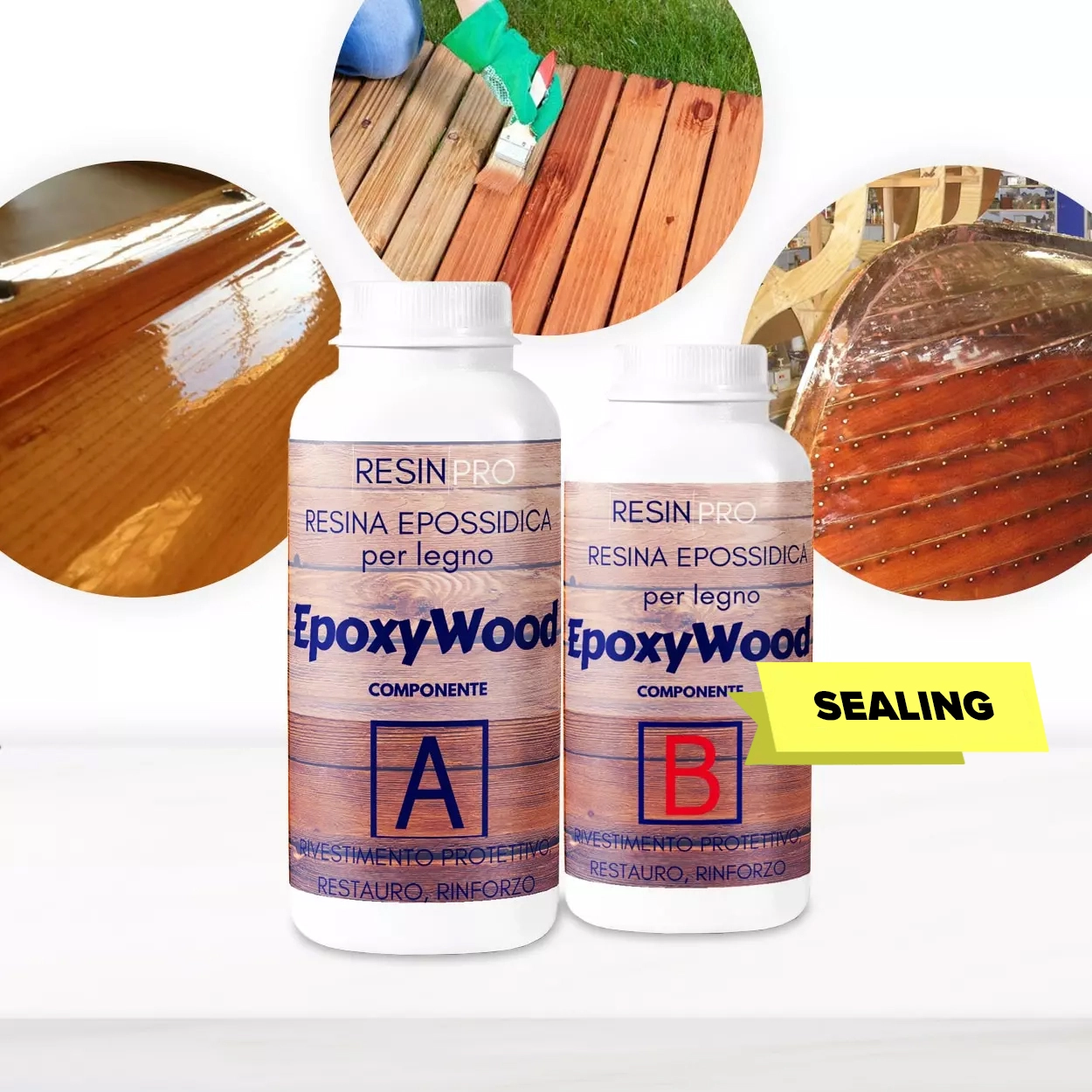

For a timber van roof, treating the wood before it becomes fully saturated can make the difference between a small repair and replacing a panel. EpoxyWood is not a gap filler, but it works well as a stabilising step before the final waterproof layer goes on.
How EpoxyWood works on timber
EpoxyWood is a low-viscosity epoxy resin that soaks into dry timber rather than simply sitting on the surface. Once inside the wood, it hardens and reinforces the fibres, forming a sealed layer that reduces moisture absorption.
On a van roof, this is useful where ply lining, wooden battens or damaged timber surrounds a roof hole. The resin helps close the surface pores that would otherwise allow water to creep in over time.
Preparing timber before applying EpoxyWood
Preparation has the biggest effect on whether the treatment will prevent leaks. The wood should be completely dry and sanded so the resin can enter the pores evenly. Any loose paint, varnish or rotted material should be removed first.
- Check that the timber is dry before starting
- Sand the surface to open the grain
- Remove dust and loose fibres
- Follow the mixing ratio and curing time in the product instructions
When this matters for a van roof repair
This approach matters most when a roof hole or leak has left exposed timber edges, or when a ply ceiling panel has softened but is still worth saving. Sealing the wood first can give the surrounding area more stability before the outer repair is made.
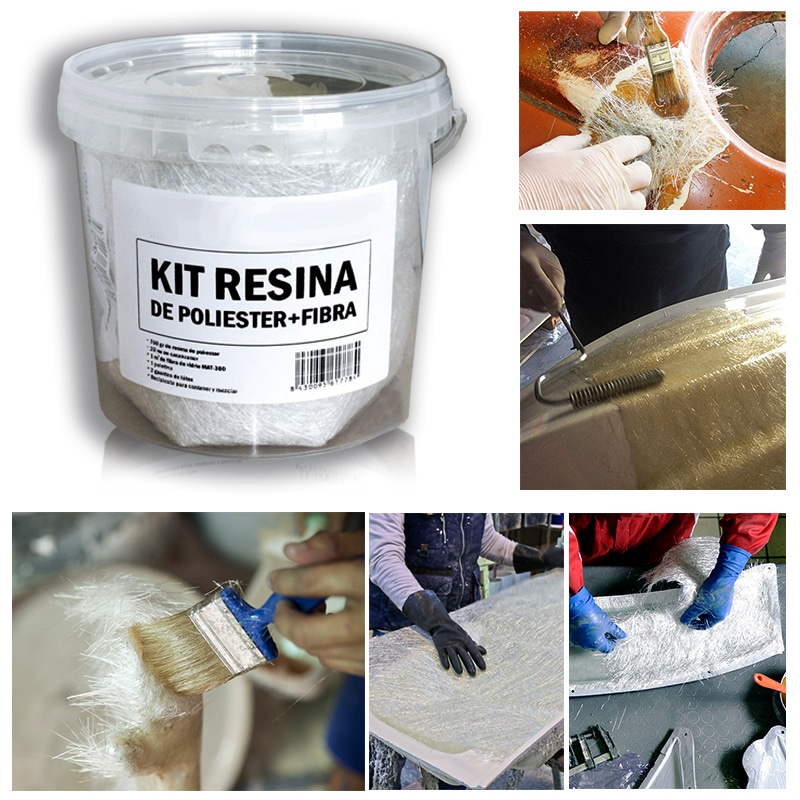
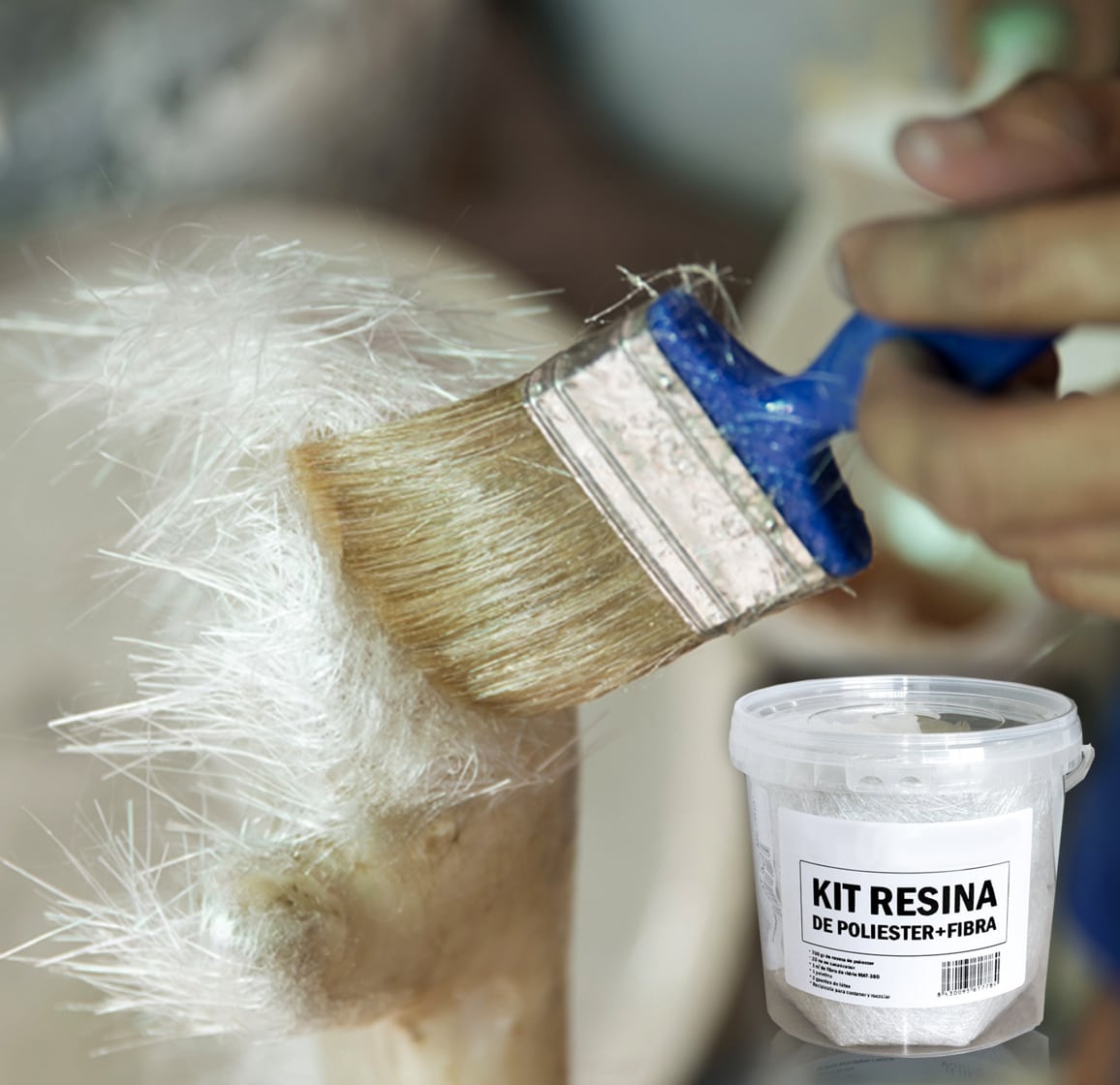
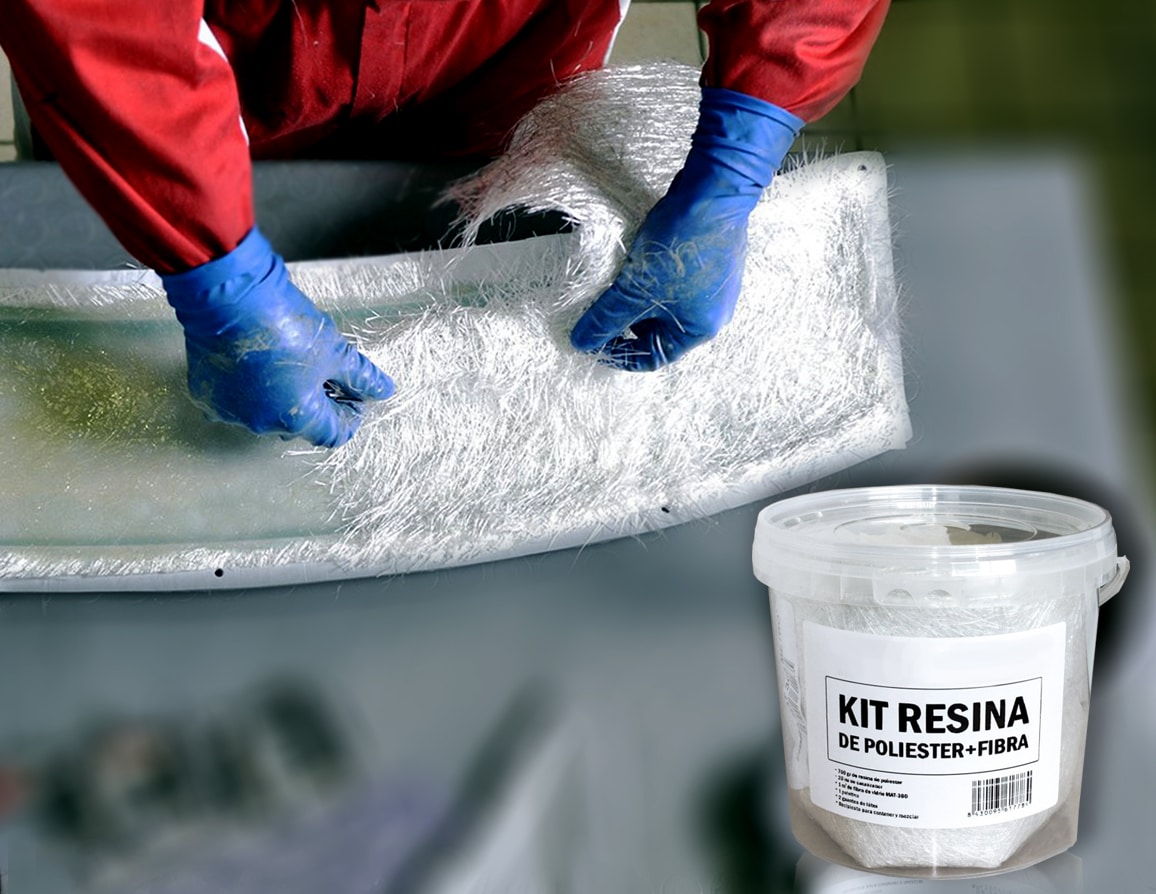
For the outer skin, a resin fibreglass repair kit can be used to bridge holes and build a waterproof surface over the sealed timber.
Related products
Related guides
Sealing timber with EpoxyWood is only one part of waterproofing a roof hole in a van. The best results come from preparing the wood correctly and pairing it with a suitable outer repair method. See the full waterproofing a roof hole in a van guide for more on the complete process.