 Free shipping on orders over £29,85
 Shipping Tracking!



 Google
 Facebook
Will Motorhome Sealant Withstand Heat from Sunlight or Engines?
← Back to Sealant kit for motorhomes
Quick answer
Epoxy glues and resins resist moderate heat, making them suitable for typical motorhome conditions where sunlight or warm engine bays raise surface temperatures. They maintain bond strength across normal interior, exterior, and engine-adjacent repair zones. Performance varies by formulation, curing, and exposure, so extreme or sustained heat near exhaust components or turbochargers requires checking the product’s technical data. For most sealing and bonding tasks on a motorhome, a heat-resistant epoxy adhesive or resin is a practical choice.


Choosing the right product comes down to where the sealed area sits. A roof seam exposed to summer sun behaves differently from a bracket near the engine, so a little attention to the product sheet can prevent premature softening or joint movement.
How heat affects sealant performance in motorhomes
Epoxy-based adhesives and resins are generally formulated to cope with the warmth found in and around a motorhome. Cured bonds usually remain stable under normal solar gain, warm body panels, and moderate under-bonnet temperatures.
What changes is the margin of safety. Prolonged exposure close to exhausts, turbochargers, or other very hot parts can push some sealants beyond their comfort zone. In those cases, check the product data sheet rather than relying on a general-purpose repair kit.
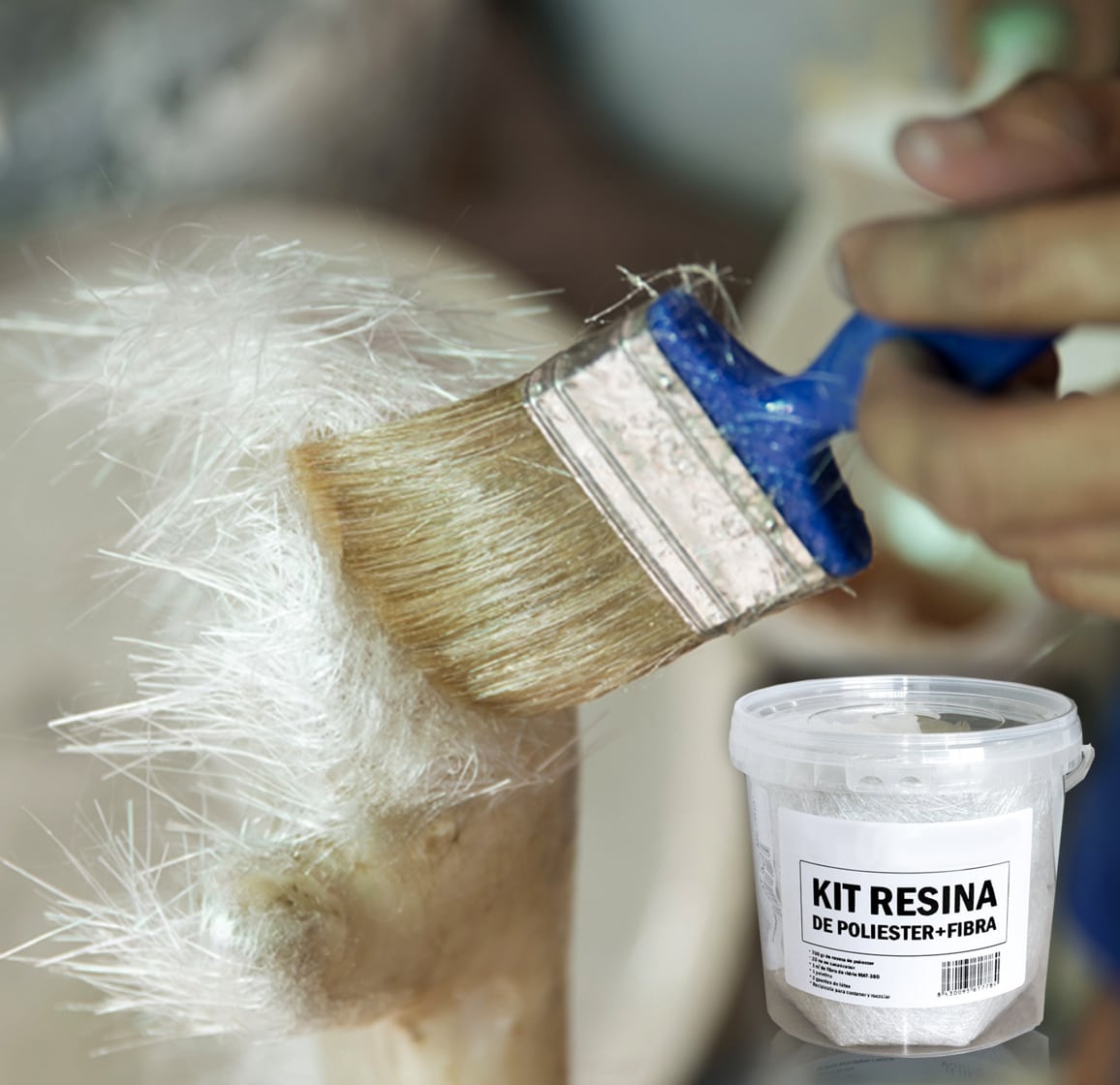
Sunlight, engine warmth and practical product checks
Sunlight on a dark roof or body panel can raise the surface temperature considerably, while engine bay heat tends to be more localised. For small bonding jobs, a product described as heat-resistant, such as Klebfix two-component fast epoxy glue, gives a useful indication that it is intended for warmer conditions.
- Look for “heat-resistant” or a stated temperature range on the technical data sheet.
- Check whether the product is rated for continuous warmth or only brief contact.
- Allow the sealant to cure fully before exposing it to direct sun or engine heat.
When heat resistance matters most
Heat tolerance becomes a priority when sealing around roof lights, awning rails, engine bay brackets, or any repair close to hot components. If an area feels noticeably warm after driving or after hours in direct sun, it is worth choosing a product with a stated heat-resistant or higher-temperature suitability.
For most routine motorhome sealing jobs, moderate heat resistance is enough. Reserve more specialised high-temperature products for repairs near exhausts or mechanical heat sources.
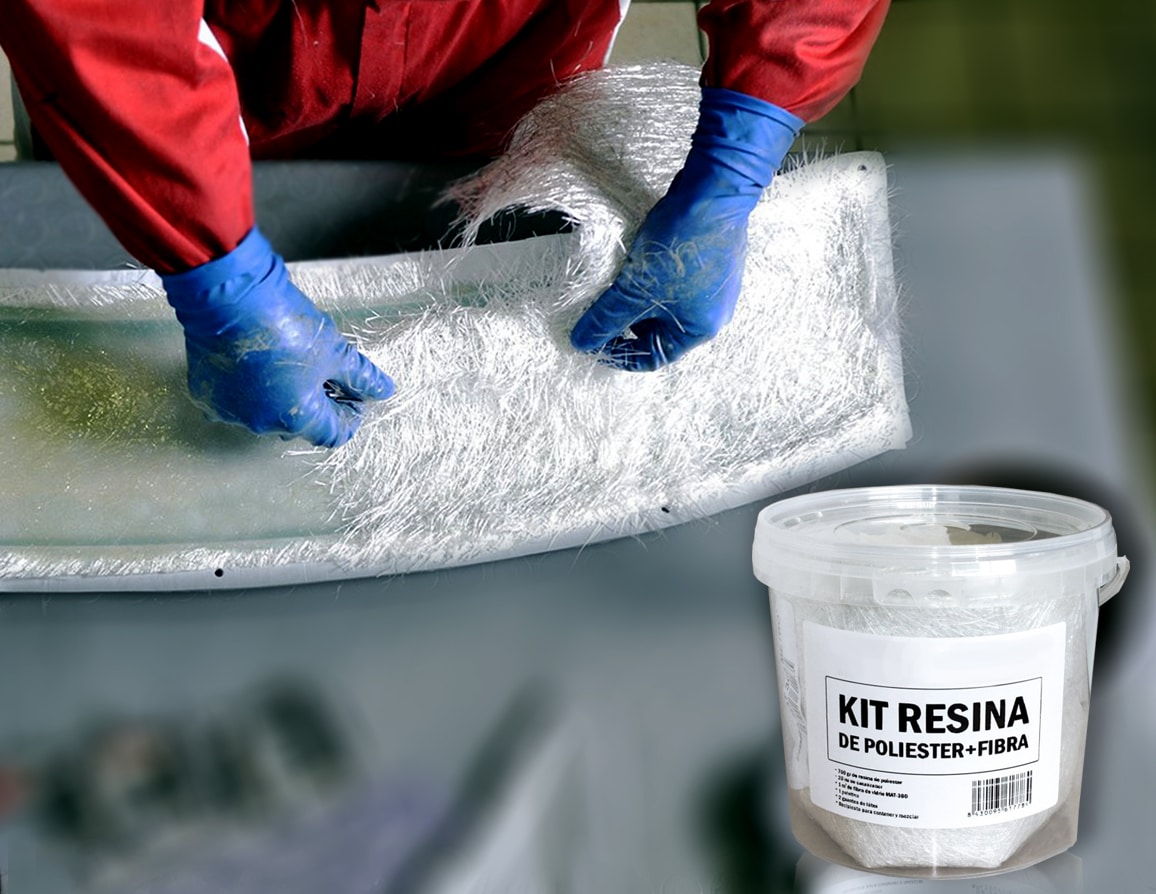
Related products
Related guides
Heat resistance is one part of a broader decision when assembling a sealant kit for motorhomes. Pair it with the right surface preparation, curing time, and product-specific guidance for a repair that lasts through changing weather and road conditions.