 Free shipping on orders over £29,85
  Shipping Tracking!


 Google
 Facebook
← Back to How to clean uncured epoxy spots from the surface
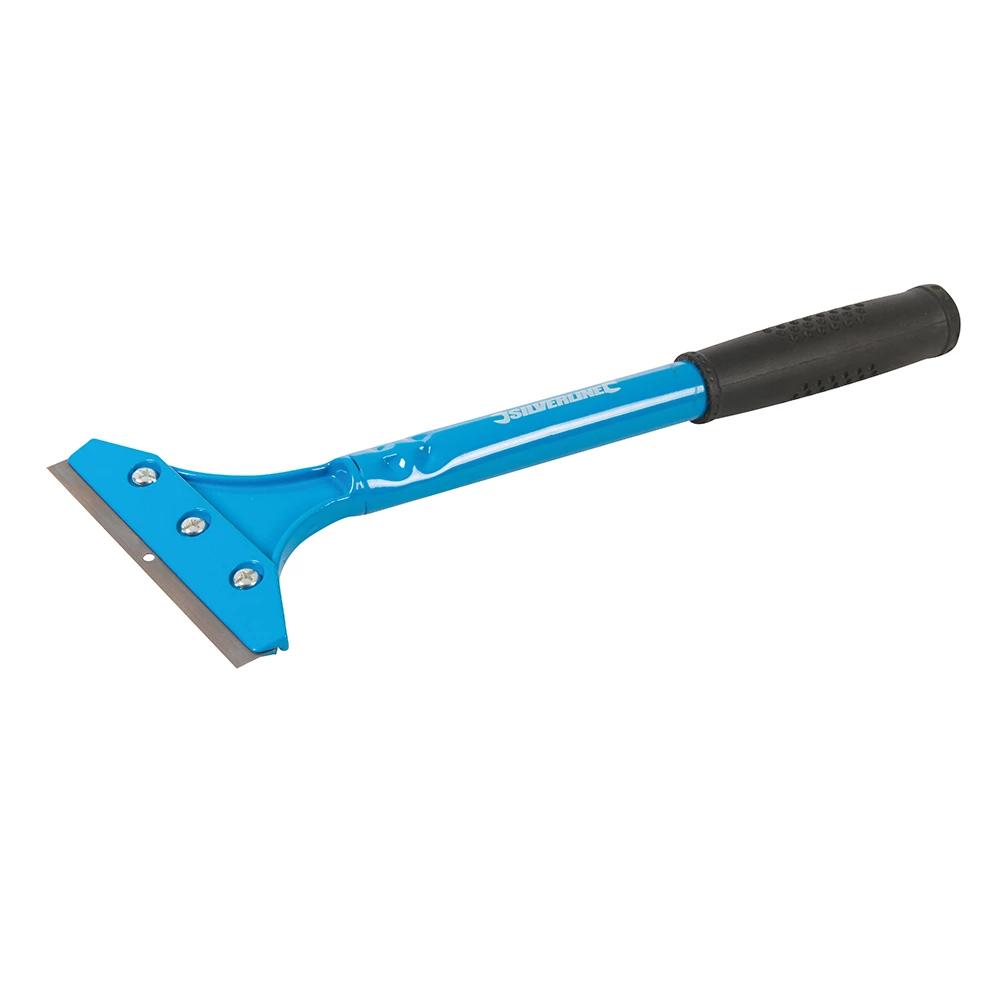
Scrapers are essential for quickly removing uncured epoxy, paint, or stubborn marks. With careful technique, you can achieve clean results while protecting both surfaces and your own safety—especially when precision or delicate work is involved.
Safe and Effective Scraper Techniques
Always hold your scraper at a gentle angle—ideally between 30 and 45 degrees to the surface. Use smooth, controlled strokes and avoid excessive pressure to prevent scratches or gouges. Wearing sturdy gloves helps with grip and safeguards your hands from slips. Keep scraper blades clean and free of rust by wiping down after each use.
- Keep the blade facing away from your body.
- Swap out dull or chipped blades promptly for reliable, safe use.
- Store scrapers with a guard or cover to prevent accidental injury.
Is the Heavy Duty Scraper Suitable for Detailed Work?
The Heavy Duty Scraper is equipped with a razor-sharp blade and ergonomic handle, making it effective for fine or intricate adhesive removal—when used with care. To work on detailed areas, adopt slow, steady movements and focus on maintaining control rather than applying extra force. This approach helps you clean stubborn residues precisely without harming decorative trim or complex features.
- Use a minimal angle and gentle motion for best control.
- For very tight or delicate spaces, consider masking off neighbouring surfaces.
- If at any point resistance is high, re-evaluate technique or switch to a softer cleaning agent.
Working on Delicate or Soft Materials
Scrapers work best on hard, non-porous surfaces. For untreated wood, decorative laminates, or painted finishes, mechanical scraping should be avoided. Instead, opt for a natural degreaser or pure isopropyl alcohol to lift residue without risking damage. Always test cleaning agents on a hidden area first to check compatibility.
- Avoid sharp blades if the surface is sensitive to scratches.
- Allow liquid cleaners to loosen residues before wiping gently.
Selecting the Right Tools and Cleaning Aids
Choose a scraper designed for your specific task—for robust paint or resin removal, the Heavy Duty Scraper delivers safe, precise results. For sticky residues or projects involving delicate surfaces, consider using Strong Technical Degreaser or Pure Isopropyl Alcohol 99.9% to minimise mechanical abrasion.
Related products
Related guides
With these tips for both general and detailed scraper use, you can clean surfaces effectively without unnecessary risk. For deeper advice or situations involving uncured epoxy, see our main guide on how to clean uncured epoxy spots from the surface.