 Free shipping on orders over £29,85
  Shipping Tracking!


 Google
 Facebook
← Back to Is permeable flooring better than concrete?
Choosing between permeable and non-permeable flooring depends on your environment and how you plan to use the space. Non-permeable surfaces, such as sealed concrete floors, are designed to stop liquids seeping through—making them ideal in certain scenarios.
Key Benefits of Non-Permeable Flooring
Non-permeable surfaces provide a sealed barrier that prevents water, oil, chemicals, and other fluids from penetrating the floor. This is especially advantageous for garages, workshops, and indoor storage areas where spillage containment is vital. These surfaces guard the underlying structure from staining, corrosion, and damage caused by frequent spills or exposure to harsh substances.
Where and Why to Use
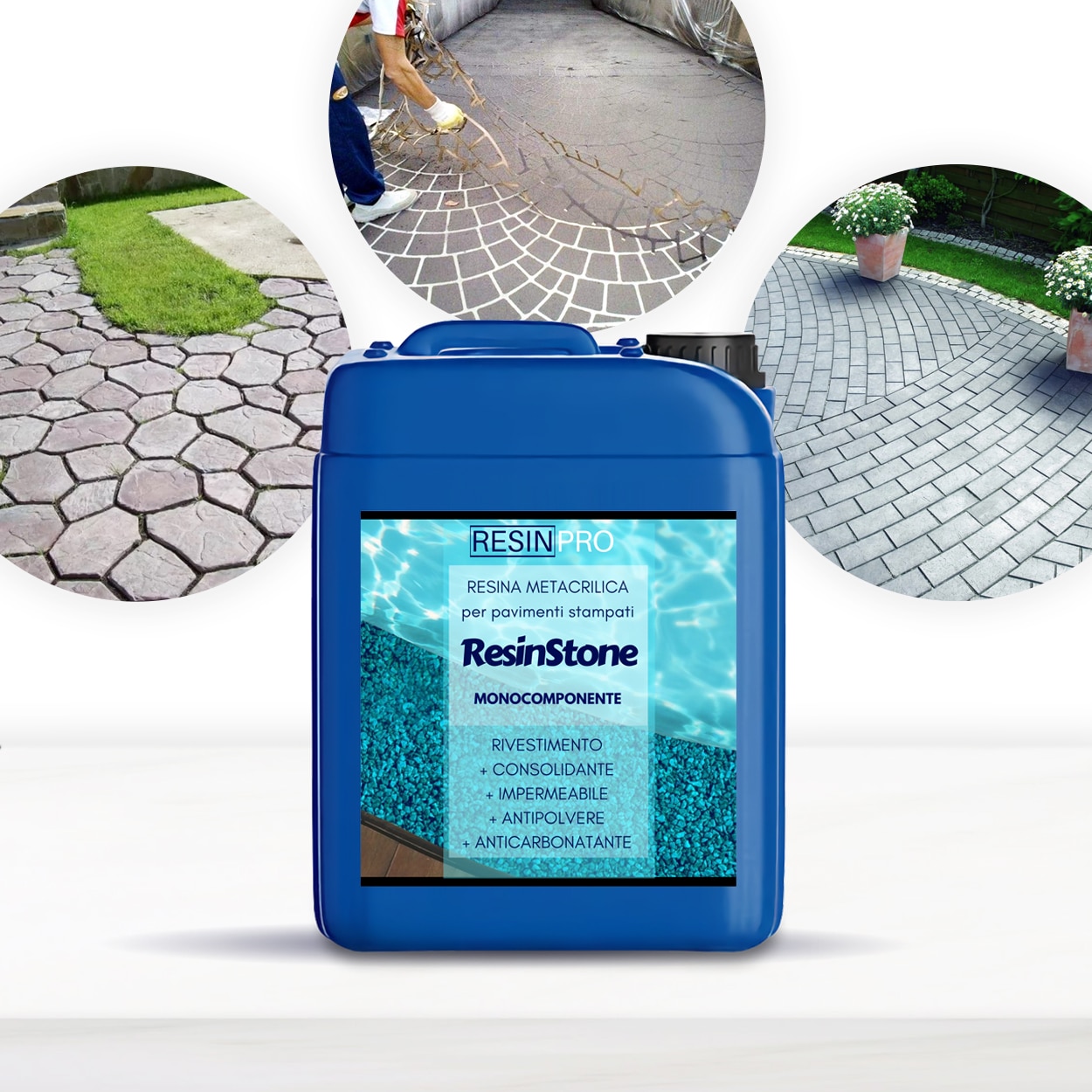
For locations where containing liquids is important—such as garages, mechanical rooms, utility areas, or any space storing chemicals—a non-permeable floor provides reliable protection and easier cleaning. Sealed finishes also minimise dust and can improve the overall hygiene of a space. Products like the Resinstone methacrylic resin are designed to create a strong, resistant surface on concrete that stands up to daily use, repelling liquids while allowing the concrete to breathe.
When This Matters
Opt for a non-permeable option whenever you need to keep fluids above ground, prevent contamination, or wish to shield your floor from heavy wear and chemical exposure. For most outdoor or frequently wet areas, however, consider permeable solutions instead for superior drainage.
Related products
Related guides
Understanding when and where non-permeable surfaces are best can help you protect sensitive interiors and extend the lifespan of your floors. Explore more on the main topic at our parent guide comparing permeable and concrete surfaces.