 Free shipping on orders over £29,85
  Shipping Tracking!


 Google
 Facebook
← Back to How to Avoid Bubbles in Epoxy Resin?
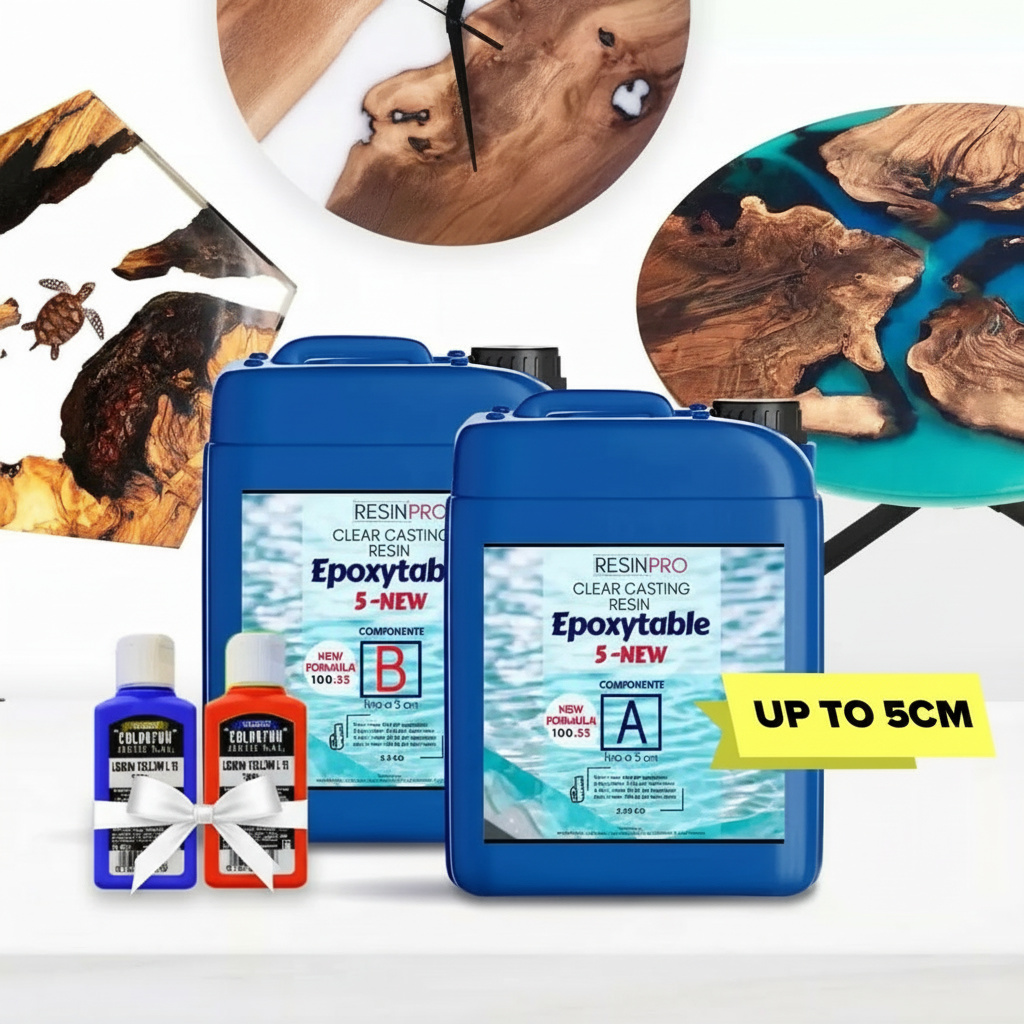
Choosing the right epoxy resin is crucial if you want to avoid dealing with troublesome bubbles during your projects. The resin you select will make a noticeable difference to the clarity and professional finish of your work.
Why Resin Type Makes a Difference
Epoxy resins are formulated for a range of uses, from deep pours for furniture-making to fine details for artistic projects. The viscosity, or thickness, of the resin is key: low-viscosity resins allow air to escape more easily, producing fewer bubbles in deeper pours, while higher-viscosity options provide greater control in surface and art applications.
- Deep pour projects: Opt for a low-viscosity formula like EpoxyTable 5-Five to help bubbles rise and escape before curing.
- Surface coatings or art: A product such as “Art Pro Deluxe” is ideal for finer detail and finish layers, helping prevent bubbles thanks to its stability.
Consider Layer Thickness and Working Time
Each epoxy resin has a recommended maximum pouring depth. Exceeding it can trap more air and create bubbles that won’t escape. For most surface projects or thick coats, pour in layers that match the manufacturer’s advice—typically up to 1.5cm for clear coating resins like Icrystal. Deep pour resins will allow up to 5cm per layer. Choosing a resin with a longer working time gives the trapped bubbles more opportunity to surface and pop before the material starts setting.
When This Matters
Selecting the right resin is especially important for projects where clarity and a glass-like finish are essential, such as river tables, resin art, and jewellery. The correct choice will help you achieve professional results and save frustration on bubble removal and extra rework.
Related products
Related guides
Getting the resin selection right is the first (and often most important) step to ensuring your finished project is smooth and bubble-free. For more guidance on perfecting your process, see our full guide on how to avoid bubbles in epoxy resin.