 Free shipping on orders over £29,85
  Shipping Tracking!


 Google
 Facebook
← Back to How to create a sea wave effect with epoxy resin?
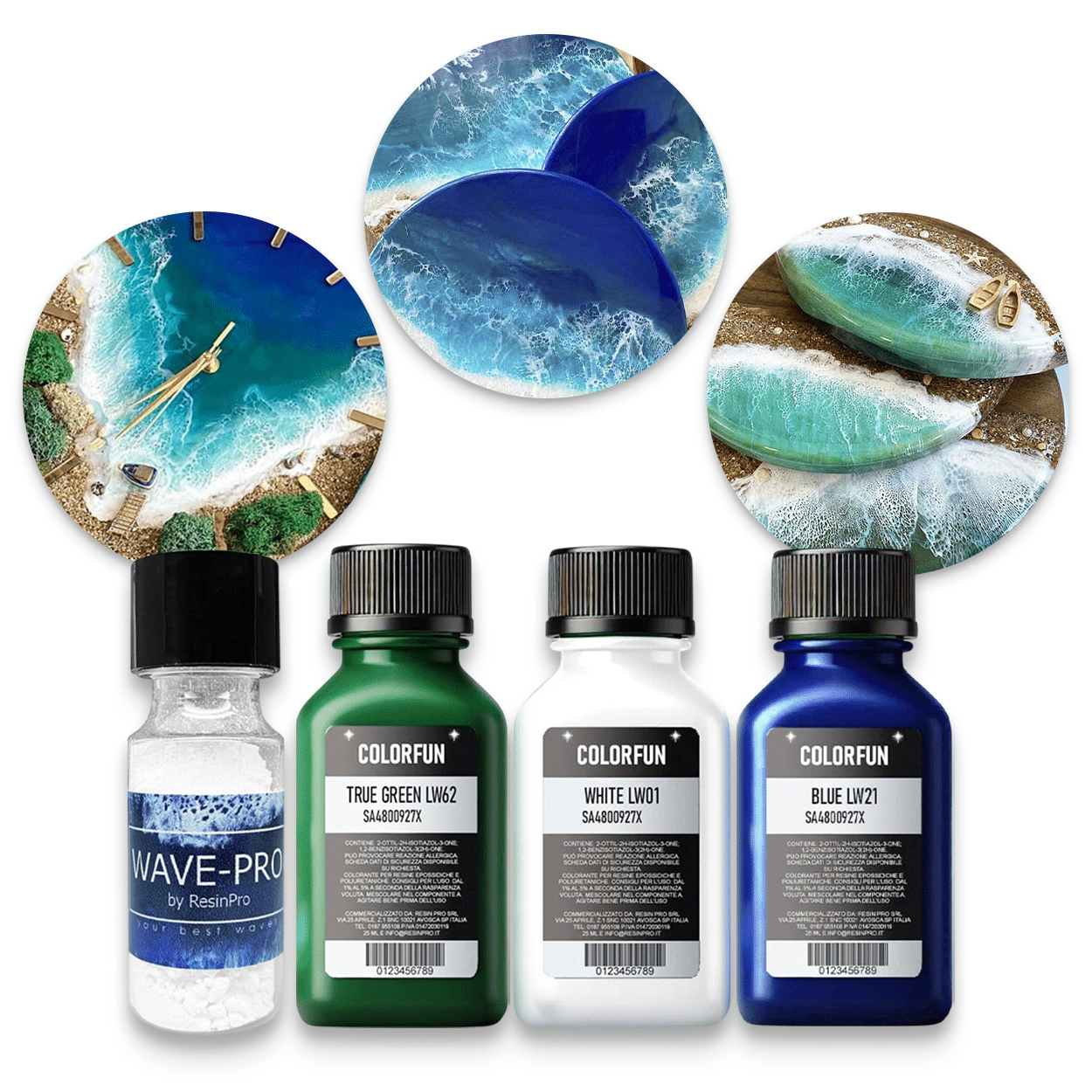
Blending brilliant ocean blues and sandy undertones in resin art doesn’t require years of trial and error. With the right marine-themed dyes and a few practical methods, anyone can recreate realistic and captivating water effects in their pieces.
Choosing the Right Pigments for Ocean Effects
The most reliable way to achieve authentic ocean hues in resin projects is by using dyes formulated for epoxy, such as the Marine Palette. These concentrated, odourless pigments are specifically selected to mimic the subtle gradients of sea water and coastal sands. Each set provides a harmonious selection of blues, aquas, and neutrals, so you can layer colours to create depth without the risk of muddy mixing. Avoid standard craft dyes or acrylics, as they might not bond well with resin or maintain their vibrancy after curing.
Mixing and Layering for Realistic Results
Begin with clear, high-quality resin—an ultra-high viscosity product like Art Pro Deluxe prevents colours from merging and helps you lay down crisp, defined bands of colour. Start by tinting small batches of resin and add pigment gradually until you reach your desired intensity. For a natural ocean transition, pour lighter shades first, blending with deeper hues along the “shoreline” of your artwork. Introducing white pigment can simulate foam or breaking waves, while additives like Wave-Pro powder disperse wet resin, forming dynamic, foamy cell effects without heat tools.
When Custom Ocean Hues Matter
Custom ocean colours are particularly important in projects where the artwork is meant to evoke a specific coastal location, match interior décor, or express a unique artistic style. The ability to layer marine shades and control transitions gives your piece lifelike detail unique to resin ocean art.
Related products
Related guides
Experimenting with epoxy-safe marine pigments opens up endless creative opportunities for sea-inspired resin pieces. By mastering custom hues, you bring even more realism and individuality to your projects—explore more techniques for wave effects and ocean art on our main guide.