 Free shipping on orders over £29,85
  Shipping Tracking!


 Google
 Facebook
← Back to How to apply brush-on resin on wood?
Getting the wooden surface ready is a vital first step before applying any brush-on resin. Proper preparation not only ensures the resin adheres correctly but also helps achieve a smooth, durable result that makes your project stand out.
Clean and Dry Your Wooden Surface
Start by removing any dust, dirt, or grease from the area you plan to coat. A quick wipe with a clean, slightly damp cloth followed by thorough drying will help. If the wood has old finishes, paint, or oils, sanding those off is strongly recommended for optimal bonding. Always make sure the surface is completely dry before proceeding with resin application, as trapped moisture can interfere with adhesion and create imperfections.
Sanding for a Smooth Finish
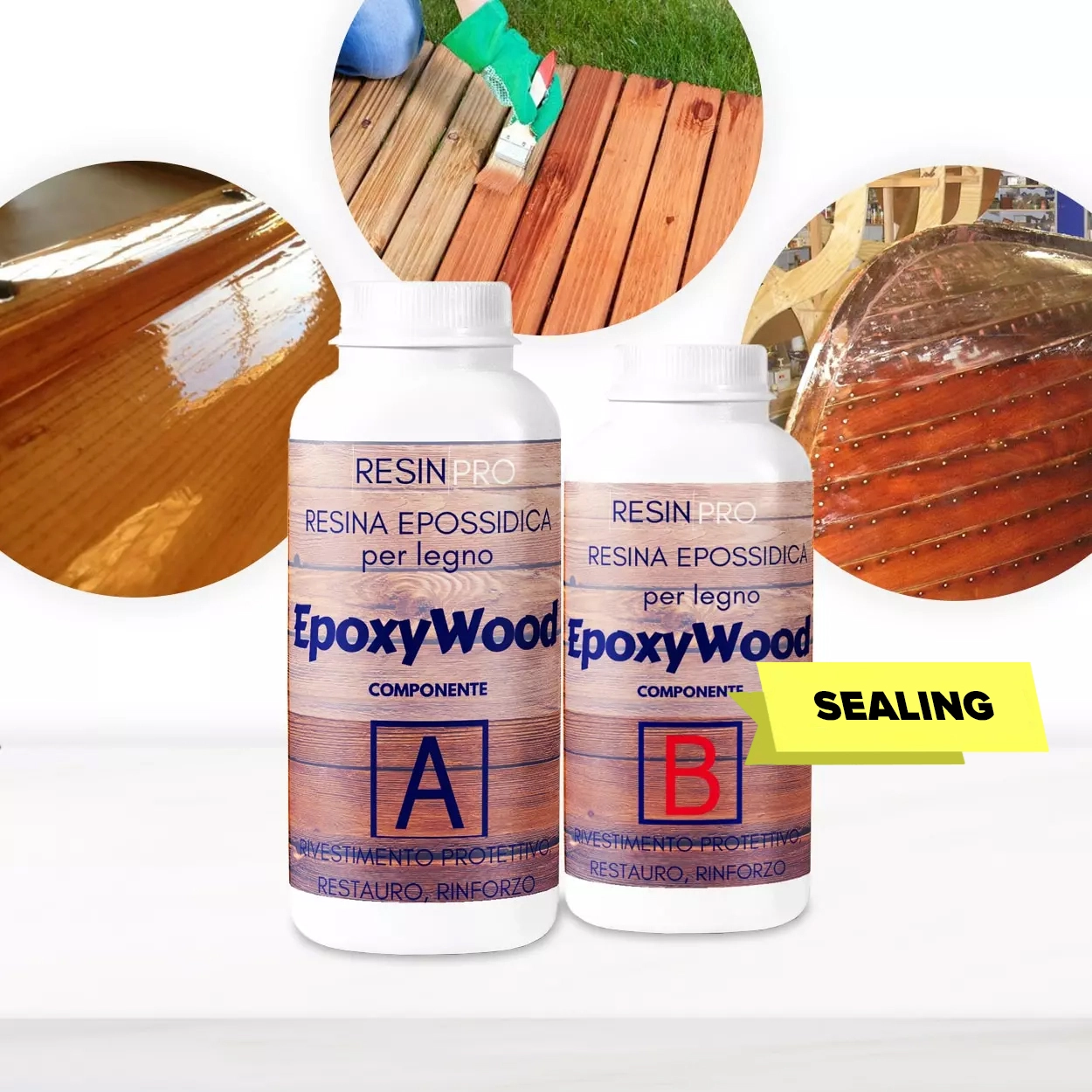
Lightly sand the wooden surface using medium- to fine-grit sandpaper. This opens the pores of the wood, allowing products like EpoxyWood – Wood Restoration Epoxy Resin for Deep Penetration and Waterproofing to soak in more effectively and reinforce the structure. After sanding, remove residual dust with a tack cloth or a vacuum. Avoid leaving behind any debris, which could disrupt a clear finish.
Choosing the Right Tools and Techniques
Select a quality brush for resin application. A reusable silicone brush or a disposable paint brush set will help achieve precise and controlled coverage, especially on detailed or textured wooden projects. Always check that your workspace is free of dust and maintain moderate temperatures to reduce the risk of uneven curing and unwanted particles sticking while the resin is wet.
When Surface Preparation Matters Most
Thorough preparation is particularly important when working with valuable, intricate, or high-wear wood items—such as furniture, tabletops, or exterior restorative works. Diligent prep leads to stronger adhesion, better water resistance, and a more attractive, durable finish.
Related products
Related guides
Preparing wood properly is a foundational step for any successful brush-on resin project. By taking the time to clean, sand, and choose the right tools, you pave the way for a flawless resin application. For more helpful advice and product tips, return to our main guide on how to apply brush-on resin on wood.