 Free shipping on orders over £29,85
  Shipping Tracking!


 Google
 Facebook
← Back to How do I remove dullness or low shine that has formed on the surface?
Knowing whether to sand before polishing your resin project is key to achieving a high-gloss, professional finish. The right approach depends on the appearance and feel of your resin surface.
How to Assess the Resin Surface
Start by carefully examining your cured resin for imperfections. If you notice visible scratches, cloudy patches, or an ‘orange-peel’ effect (a bumpy, textured look), these are signs that sanding is required before any polishing can be effective. Smoother surfaces with only a light haze may need just a quality polish to restore clarity and shine.
- Scratches or texture: Begin with sanding.
- Smooth with haze: Polishing may suffice.
Choosing the Right Sanding Method
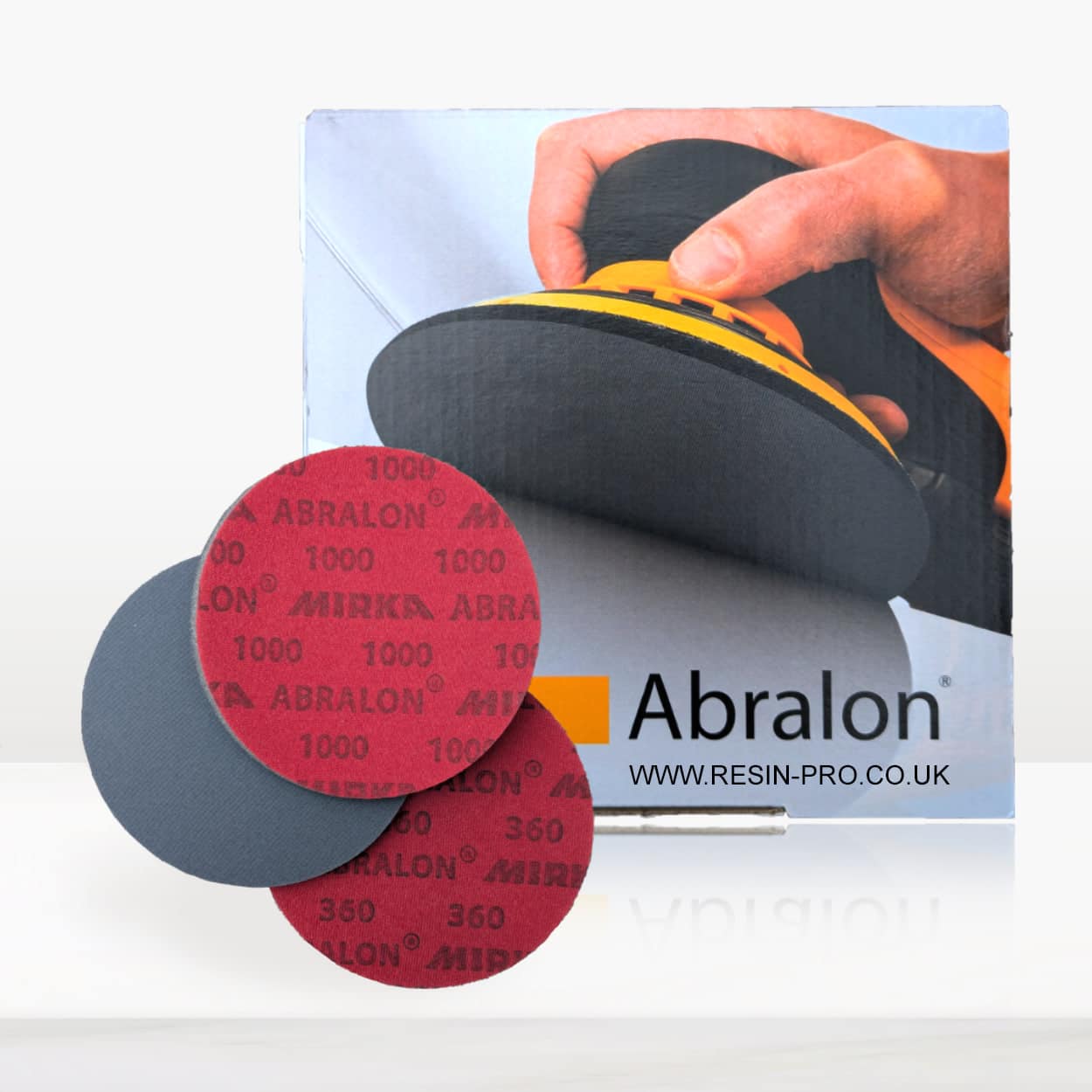
When sanding is needed, use dedicated sanding pads such as the Ebonite Abralon Sanding Pads, available in various grits for precise control. Work progressively from a coarser to a finer grade, depending on the severity of scratches or texture. Always ensure the surface feels even and matte before moving on to polishing cream and sponge discs.
Tips for Polishing After Sanding
After sanding, remove all residue and dust before applying your chosen polishing system. Using a professional-grade product such as the Epoxy Polish along with polishing sponge discs can help restore gloss. Apply polish using a pad holder or polishing tool for best results, and work in small sections to ensure a uniform shine. For large or flat projects, consider a variable speed polisher to save time and improve results.
When This Matters Most
Sanding before polishing is crucial when removing scratches, repairing surface blemishes, or refreshing older resin work. Skipping this step can leave imperfections visible, even after polishing.
Related products
Related guides
By correctly assessing and preparing your resin surface, you ensure a smooth polishing process and a flawless end result. For further pointers on addressing dullness and low shine, visit the main guide on removing dullness from resin surfaces.