 Free shipping on orders over £29,85
  Shipping Tracking!


 Google
 Facebook
How do I remove dullness or low shine that has formed on the surface?
Achieve flawless, glossy finishes with the right resin polishing solutions
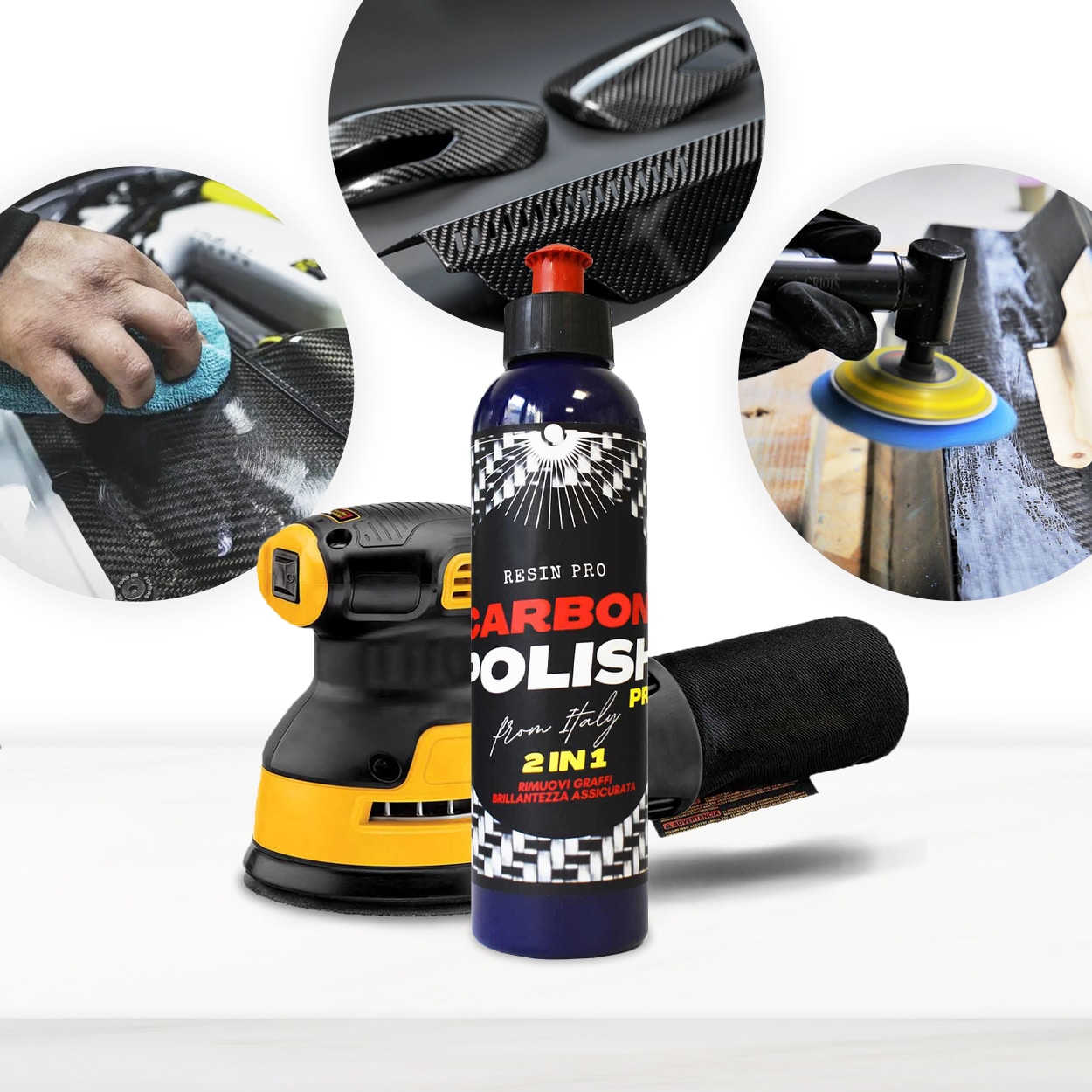

When your epoxy resin artwork, tabletop, or jewellery starts to appear lacklustre and loses its glossy appeal, it can be frustrating. Surface dullness or low shine is a common issue, often caused by micro-scratches, improper polishing techniques, or natural wear. Luckily, you can reclaim that brilliant finish by using purpose-designed tools and products that have been specially formulated for resin.
At ResinPro, we provide everything you need to remove dullness, restore reflection, and maintain the vibrancy of your resin surfaces – whether you work with epoxy resin, carbon fibre, or wood. Discover advanced polishes, sanding systems, and tools suitable for both hobbyists and professionals.
What Causes Dull or Low-Shine Resin Surfaces?
Before selecting the right solution, it helps to understand why your surface may have lost its gloss. Most often, dullness results from micro-scratches left by sanding, abrasive cleaning, or insufficiently thorough polishing. Environmental factors like UV exposure and residue from generic polishes may also contribute. Restoring shine requires systematic removal or reduction of these micro-defects, followed by a high-quality polish designed for resin.
Best Products to Remove Dullness and Achieve Brilliant Gloss
Choose products engineered specifically for resin and dark surfaces to ensure optimal outcomes. Here are the top recommendations from ResinPro’s expertly curated selection:
- “Carbon Polish” – Polishing System for Dark and Black Surfaces, 250ml is the professional’s go-to for deepening the shine on carbon, dark, or black resin surfaces. Its easy application (by hand or power tools), odourless and silicone-free formula, and eco-friendliness make it ideal for advanced polishing without risking white marks on dark colours.
- “Epoxy Polish” – Epoxy Resin Polishing System uses anti-hologram technology to eliminate swirl marks and fine scratches, delivering a mirror-like, professional gloss. Perfect for resin artists and those needing to rejuvenate dull or tired-looking pieces quickly and with minimal effort.
- “Ebonite Abralon” – Sanding Pads 360-4000 Grit for Resin and Wood deliver precision sanding before polishing. Their open mesh and foam backing mean uniform pressure and even results. With grits ranging from 360 to 4000, these pads are suitable for both wet and dry sanding, essential for progressive surface refinement.
- 1200W Polisher for Sanding and Buffing – Variable Speed, D-Handle is an outstanding power tool, letting you combine sanding and polishing in one workflow. Variable speed control supports customisation for delicate or robust applications.
- Polishing Sponge Discs 150mm – 2 Pack are the final touch professionals rely on to produce a flawless, glassy finish after sanding. They’re optimised for resin and deliver consistent clarity and gloss time after time.
Comparing Polishing and Sanding Solutions: Which Is Right for You?
The best way to restore shine depends on your material, finish level, and desired effect. If you’re dealing with resin that simply looks hazy, a professional-grade polish like Epoxy Polish may be all you need after a quick clean. For surfaces with deeper scratches or stubborn marks, stepwise sanding using Ebonite Abralon Sanding Pads can build a uniform base before polishing to a high gloss.
Dark or carbon surfaces benefit especially from our Carbon Polish, which avoids the white residue often left by general polishes. Pair these with the 1200W Polisher and Polishing Sponge Discs to maximise evenness and gloss.
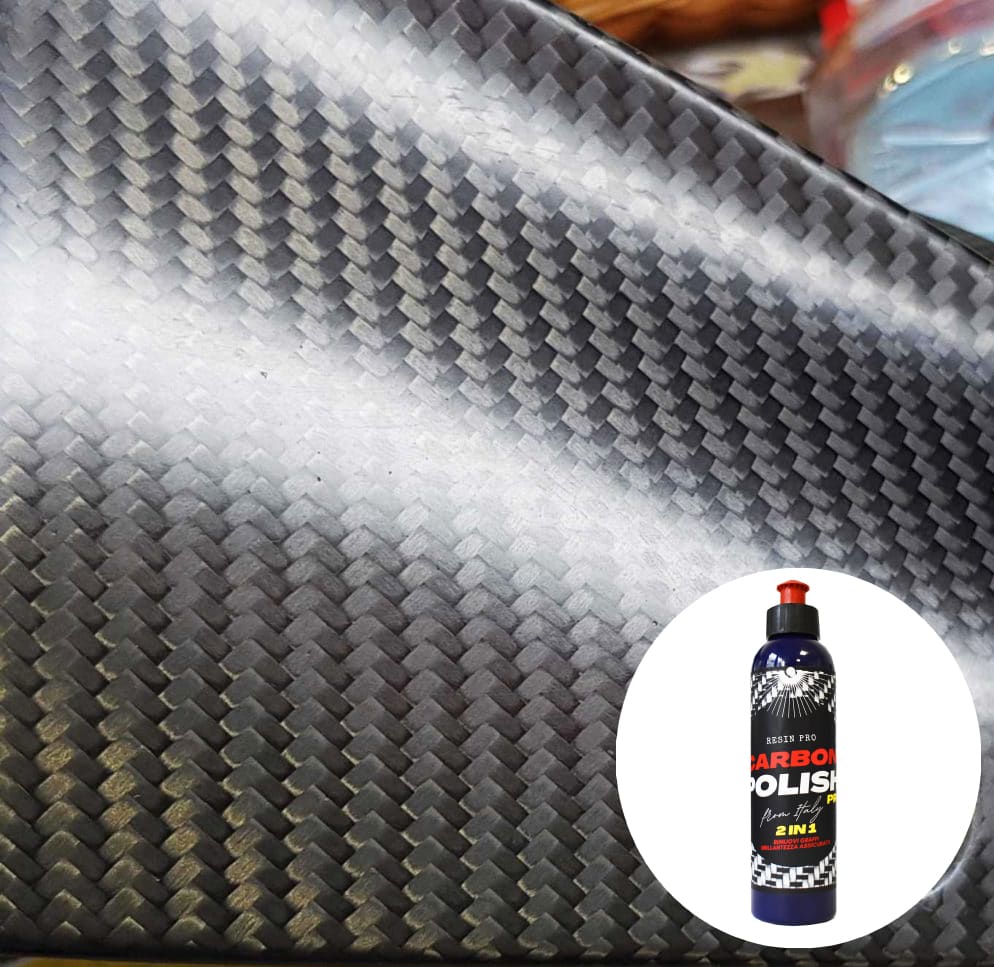
Visual Guide to Restoring a Brilliant Resin Shine
Explore an illustrated walkthrough of each phase in your resin surface restoration journey. See how sanding with high-grit Ebonite Abralon pads removes imperfections, followed by polishing with Epoxy Polish or Carbon Polish for a flawless, glassy finish. Professional tools and the right accessories make all the difference, demonstrated in every step.
Step-by-Step Guide: Removing Dullness and Enhancing Shine on Epoxy Resin
- Assess the Surface: Identify whether haziness is caused by surface residue, light scratches, or deeper wear.
- Start with Appropriate Sanding: If needed, use Ebonite Abralon Sanding Pads in ascending grit (e.g., 360 then 1000, up to 4000) to even out imperfections. Wet sanding is effective for most resin projects.
- Polish with Professional-Grade Compounds: Apply Carbon Polish for dark surfaces, or Epoxy Polish for standard resin. Use a variable speed polisher or by hand for smaller items.
- Buff to Finish: Use Polishing Sponge Discs to achieve the high-gloss clarity that brings out maximum brilliance.
For best results, always follow the product’s instructions, and consider a test patch before large-scale polishing.
Surface-Specific Solutions for Dull and Matt Finishes
Each finish has its own requirements. Dark and carbon fibre surfaces demand a non-whitening, non-silicone polish like our specialist Carbon Polish for maintaining colour depth and clarity. For multi-colour or clear resin, use Epoxy Polish with its anti-hologram technology to prevent unsightly swirl marks and enhance the final gloss.
No matter the colour or project type, combining Ebonite Abralon Sanding Pads and Polishing Sponge Discs guarantees a tailored approach for each step, from levelling to high shine.
See the Difference: Before and After Polishing
Nothing beats the transformation of a resin surface from dull to dazzling. Discover authentic before-and-after surfaces treated with Carbon Polish, Epoxy Polish, or our Polishing Sponge Discs. These images show the effectiveness of following expert recommendations with the proper systems.

Professional Equipment vs. DIY: Maximising Your Shine
For hobbyists and professionals alike, a dedicated 1200W Polisher for Sanding and Buffing – Variable Speed, D-Handle can vastly improve consistency and ease, especially on larger surfaces. These machines allow for variable control and precise speed adjustments, adapting instantly for fine scratches or gloss refinement.
When working by hand, Polishing Sponge Discs and pad holders are suitable, but remember that cloth-only methods rarely reach true clarity. Both experts and beginners can benefit from combining mechanical and manual processes for best-in-class results.
- "Carbon Polish" – Polishing System for Dark and Black Surfaces, 250mlPrice range: £17.85 through £44.85Carbon Polish Black is designed for polishing dark and black surfaces, suitable for epoxy resin projects with easy hand or power tool application.
- "Epoxy Polish" – Epoxy Resin Polishing SystemPrice range: £17.85 through £44.85An epoxy resin polishing system designed to restore glossy finish and remove dullness on resin surfaces.
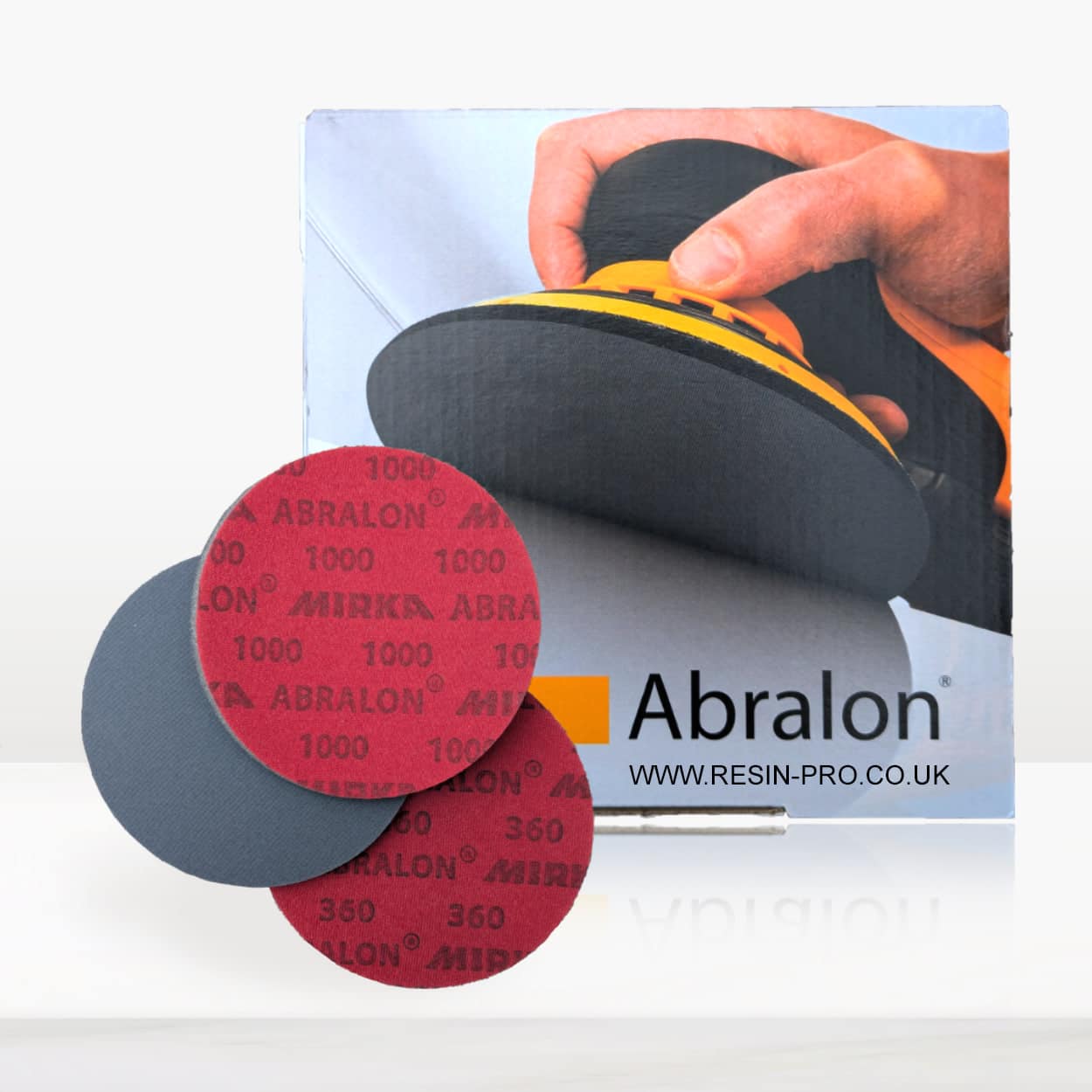 "Ebonite Abralon" – Sanding Pads 360-4000 Grit for Resin and Wood£3.95"Ebonite Abralon" sanding pads are suitable for fine polishing of resin and wood surfaces, supporting precise grit progression in detailed finishing…
 1200W Polisher for Sanding and Buffing – Variable Speed, D-Handle£85.95The 1200W Polisher is a versatile tool designed for sanding and polishing epoxy resin projects with variable speed control.
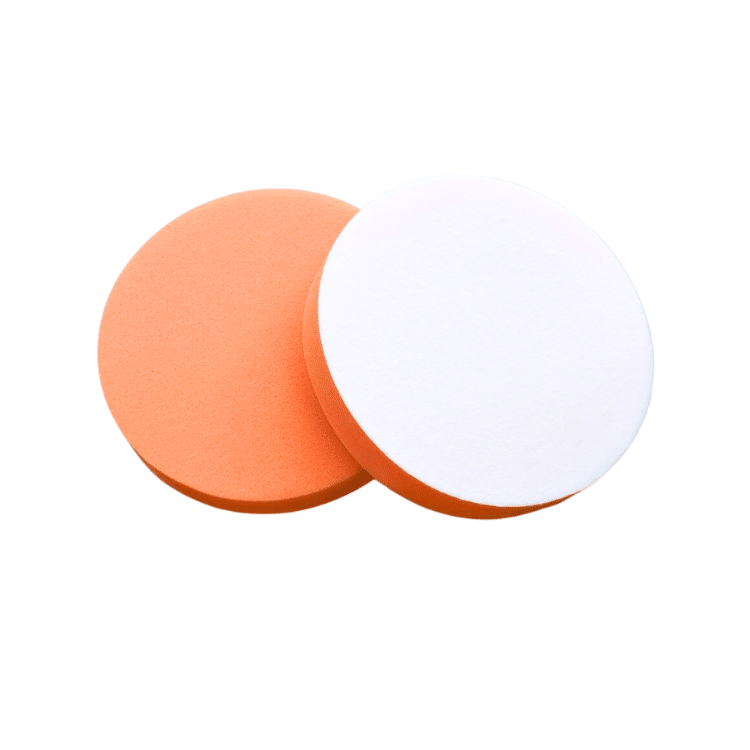 Polishing Sponge Discs 150mm – 2 Pack£7.85Polishing Sponge Discs 150mm are designed for a final polishing step in epoxy resin projects with a focus on achieving gloss and clarity.
Frequently Asked Questions
Which polish is best for resin surfaces showing dullness?
For standard resin surfaces, Epoxy Polish is engineered to restore shine and clarity. Dark or carbon resin surfaces will benefit more from the specialised Carbon Polish.
How do I know if I need to sand before polishing?
If your piece shows visible scratches or ‘orange-peel’ texture, start with Ebonite Abralon Sanding Pads in a suitable grit before using polish. Smooth surfaces with haze may only need polishing.
Can I polish resin effectively by hand?
While you can polish small surfaces and details by hand, the best results are achieved using a rotary polisher or a hand pad holder. This ensures even pressure and a glossier finish.
What’s the advantage of variable-speed polishers?
Tools like the 1200W Polisher for Sanding and Buffing – Variable Speed, D-Handle offer maximum control. Adapt speed for heavy sanding or careful polishing to achieve your preferred result on any resin or wood project.
Is it essential to use dedicated polishing sponges?
Yes, Polishing Sponge Discs are designed to deliver professional, streak-free shine and help avoid reintroducing fine scratches.
Will polishing remove white marks from my resin?
White or cloudy marks often result from sanding. Ensure all sanding marks are removed by working with progressive grits before applying Epoxy Polish or Carbon Polish for final clarity.
Can polishing restore the original look of heavily worn resin?
In many cases, yes, especially if you combine progressive sanding with the correct polishing system. However, deep scratches may require additional sanding steps before polishing brings back the original finish.