 Free shipping on orders over £29,85
  Shipping Tracking!


 Google
 Facebook
← Back to Why do river tables sometimes warp?
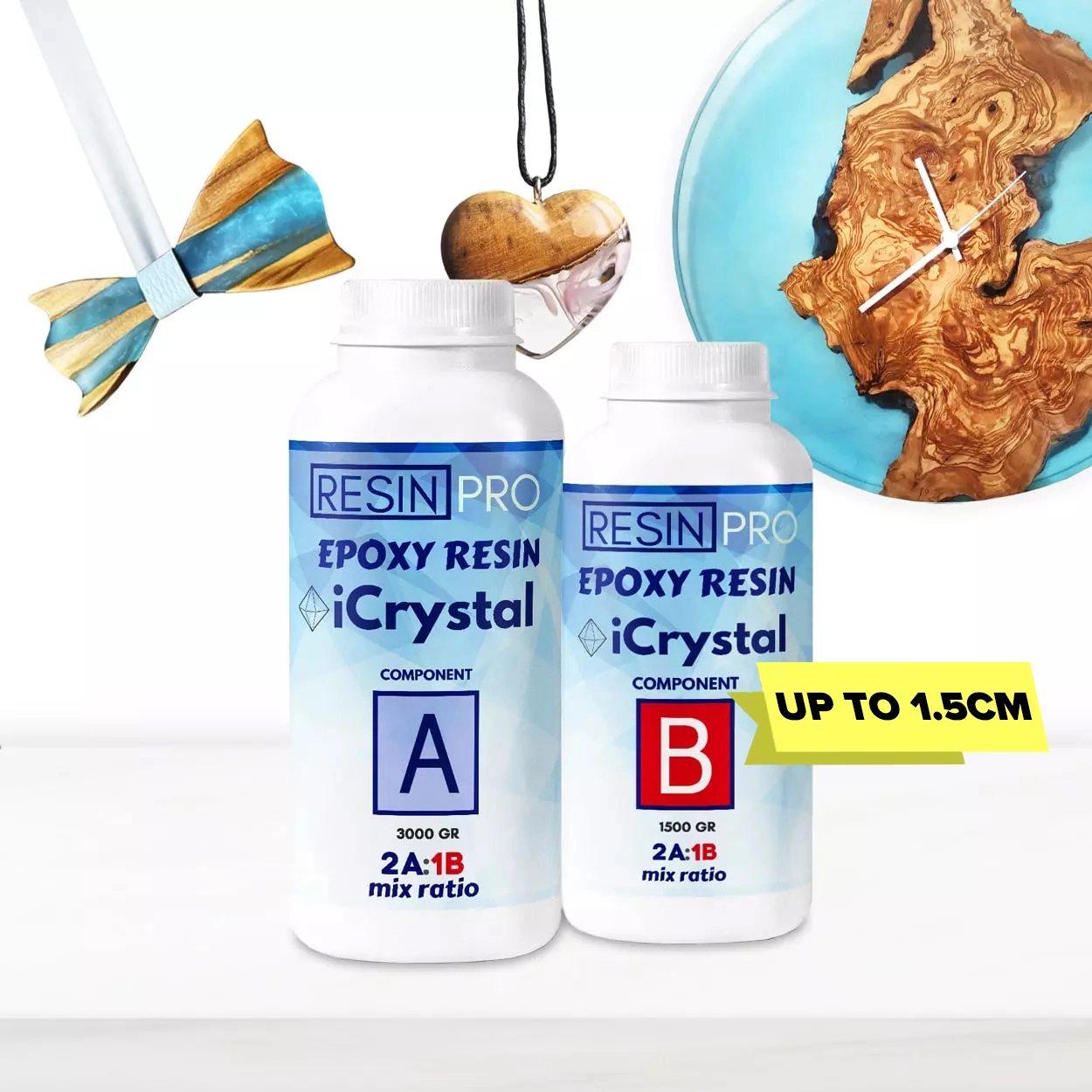
Achieving a smooth, flawless surface on a river table or resin-coated wood project relies on choosing the right resin and using proper application techniques. The right finish not only enhances visual impact, but also boosts durability and usability.
Choosing the Right Resin for Surface Perfection
For those aiming for a glass-clear, mirror-smooth finish, opting for a formulated epoxy resin is key. Icrystal transparent epoxy resin stands out for its exceptional clarity, high scratch resistance and trusted UV filters, helping to keep table surfaces looking pristine for years. Its easy-to-use 2:1 mixing ratio and odourless characteristics make application straightforward, while its maximum recommended layer thickness of 1.5cm per pour helps ensure an even, solid coat.
Application Tips for Flawless Results
To get the best finish, always prepare your substrate by sanding and cleaning thoroughly before pouring. Mix the resin and hardener as instructed, and pour in thin, even layers to reduce trapped air bubbles and avoid surface waviness. Use a heat gun or torch to remove surface bubbles immediately after pouring. Allow each coat to cure fully before adding another, which is especially important for deeper surfaces or river table inlays.
- Work in a dust-free environment to prevent imperfections.
- Control room temperature for optimal curing.
- Apply only within the recommended thickness to maintain transparency and integrity.
When This Matters
Flawless finishes are crucial when your project’s surface will be heavily used or displayed, such as dining tables, countertops, and statement pieces. Using a high-quality, UV-stable resin minimises scratches and yellowing—ensure you check technical details before making your choice.
Related products
Related guides
Whether you’re tackling your first river table or coating a bespoke wooden surface, picking a premium resin and following best practices results in a durable, head-turning finish. For more detail on achieving perfect, warp-free tables, see our full guide on river table quality and stability.